
L’entrée de la rivière — History & Facts
Can beauty exist without sorrow? Light dances across the canvas, inviting contemplation of the delicate balance between joy and melancholy. To immerse yourself in this work, look to the luminous waters flowing gracefully through the foreground. Seguin’s brushstrokes evoke a rhythmic motion, guiding your gaze from the serene riverbank to the horizon where the sky meets the water. Notice how the interplay of blues and greens saturates the scene, infused with dabs of sunlight that punctuate the tranquility of the landscape.
The composition, framed by softened trees, creates a harmonious balance while the vibrant colors breathe life into the stillness. Delve deeper, and you'll find an emotional tension woven into the tranquility. The gentle current of the river symbolizes the passage of time, while the shadows suggest the inevitable presence of sorrow beneath the surface. The contrast between light and dark reflects a struggle — a longing for beauty amid life’s fleeting nature.
Each stroke captures a moment suspended between hope and loss, inviting the viewer to ponder what lies beneath the serene exterior. In 1893, Seguin created this piece in France, during a period marked by the rise of post-impressionism. While the art world embraced innovative techniques, he sought to convey his emotional landscape shaped by nature. Seguin's ability to blend observation with personal feeling highlights a defining moment in his career, bridging the gap between light and the complexities of human experience.
More Artworks by Armand Seguin
Browse all →
Femmes et vaches dans les champs en Bretagne
Armand Seguin
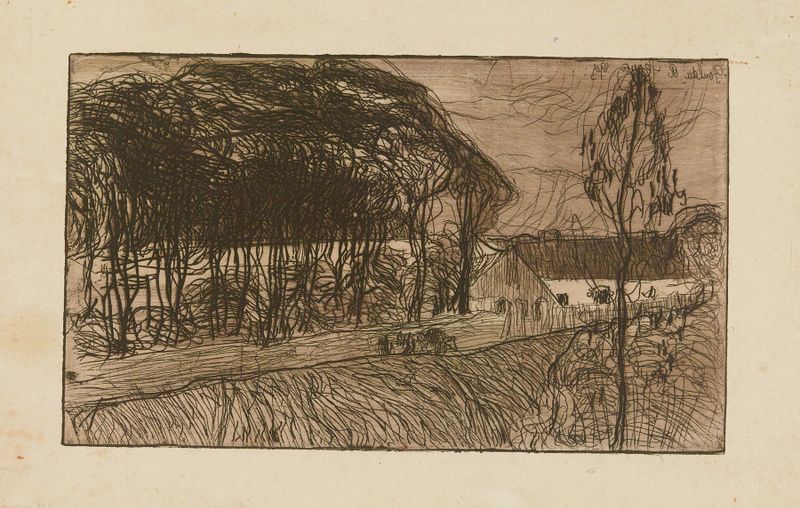
La Route du Pouldu
Armand Seguin

Pêcheurs de goémons
Armand Seguin
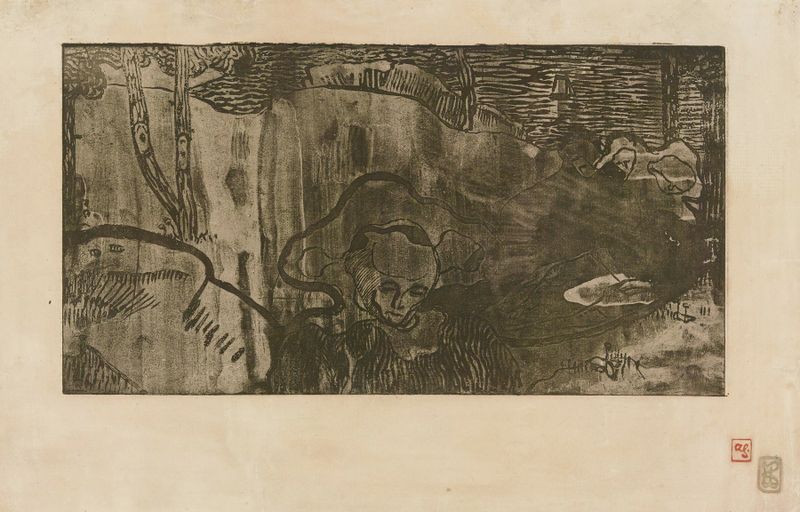
Décoration de Bretagne – Bretonnes au bord de la mer
Armand Seguin
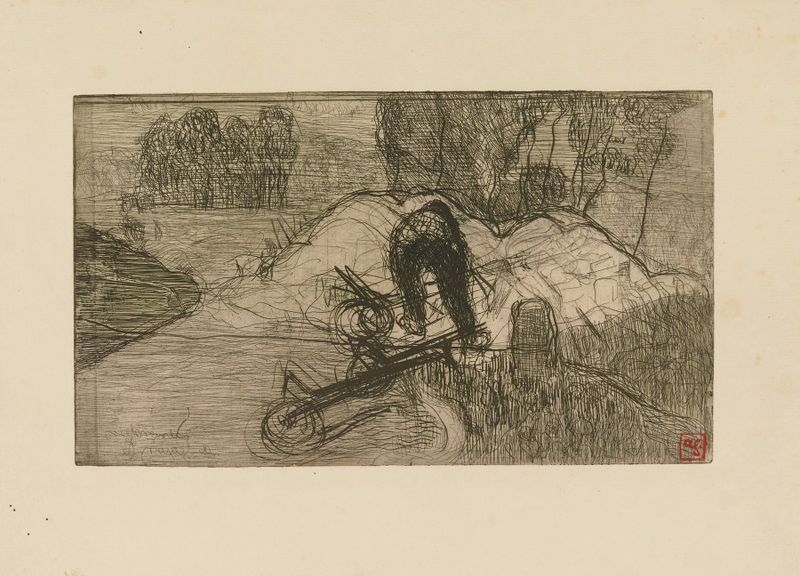
Le débardeur
Armand Seguin
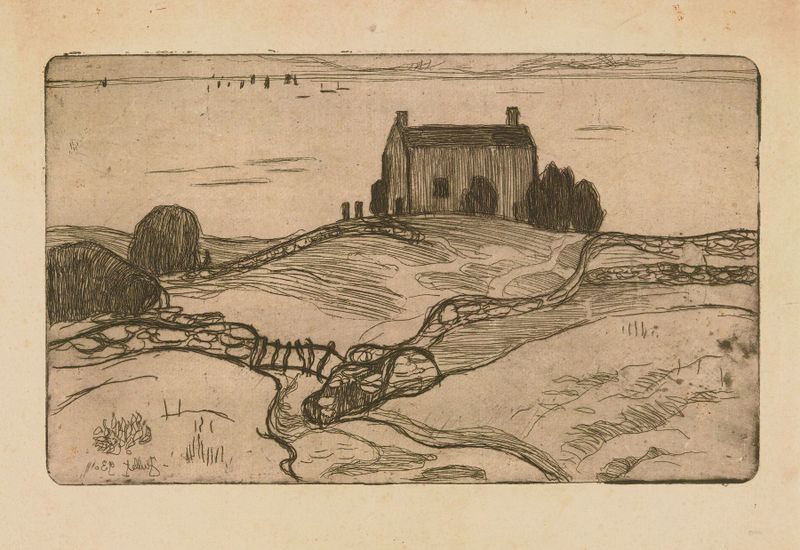
La maison du pendu
Armand Seguin
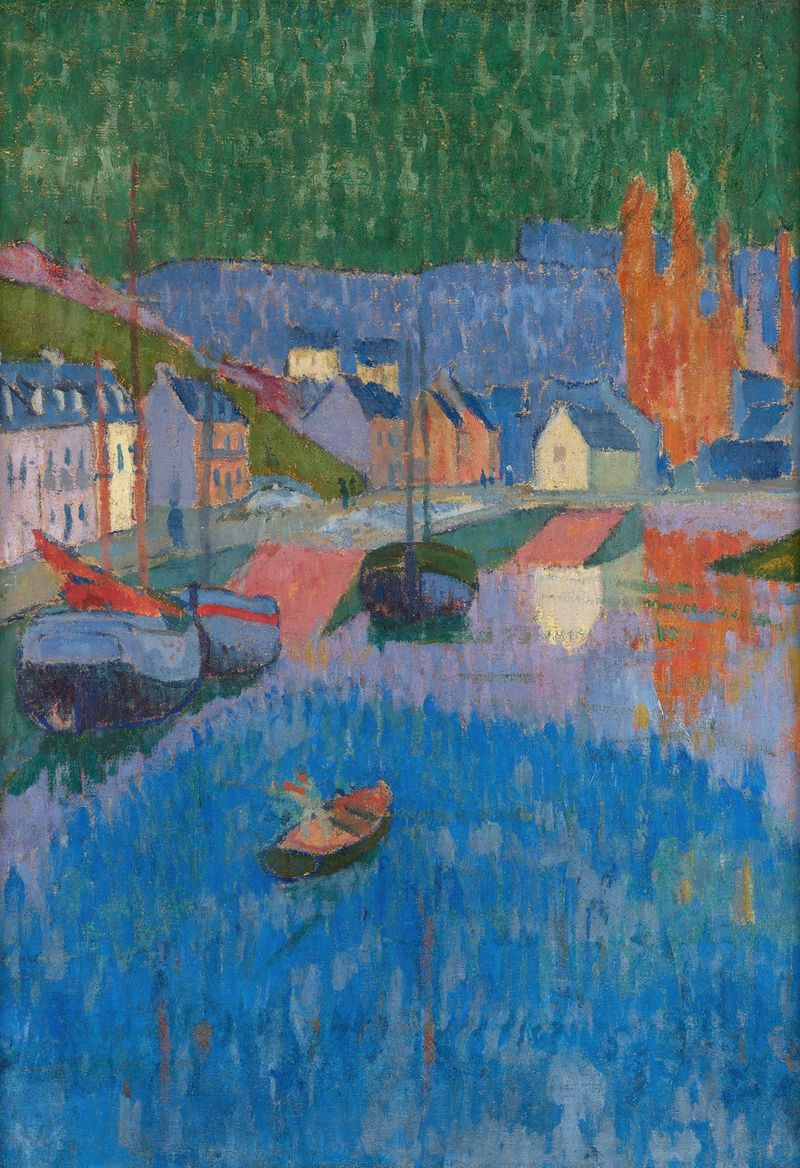
Seaport
Armand Seguin
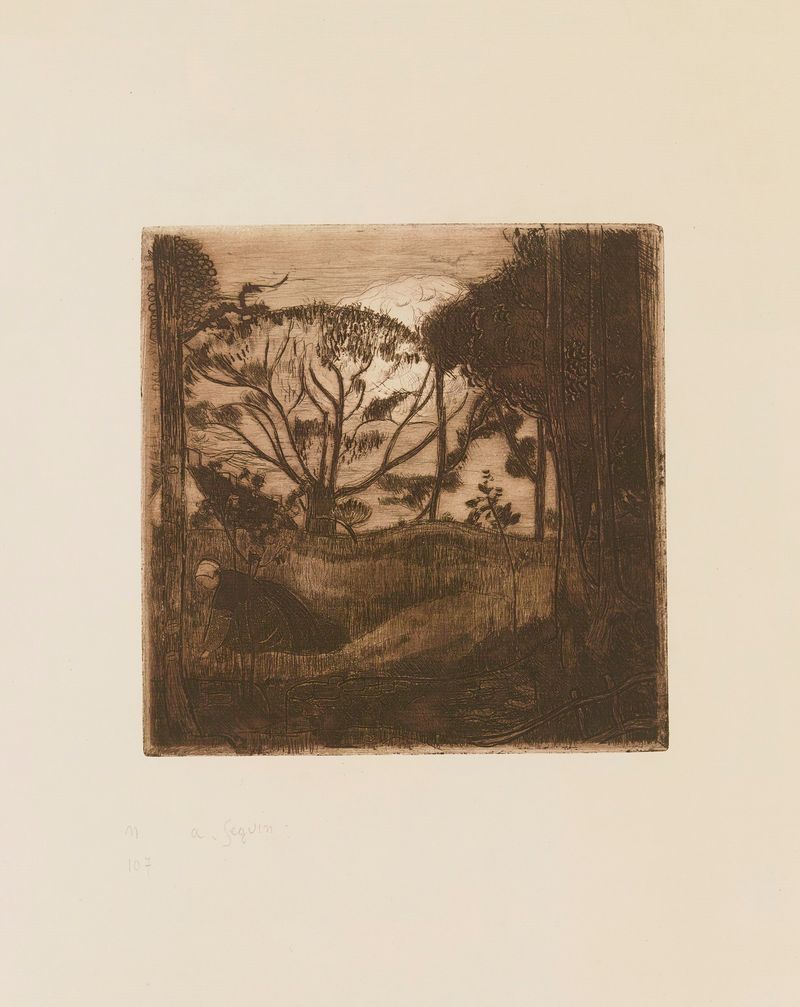
Le soir ou La glaneuse
Armand Seguin
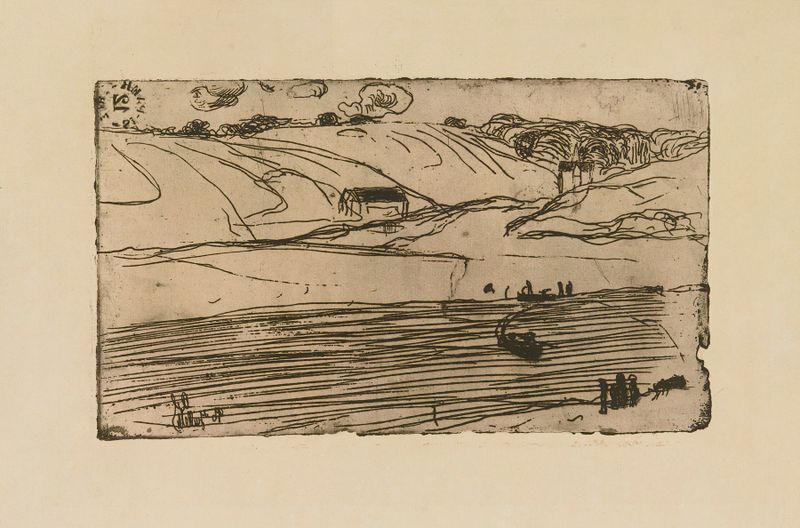
La pêche
Armand Seguin
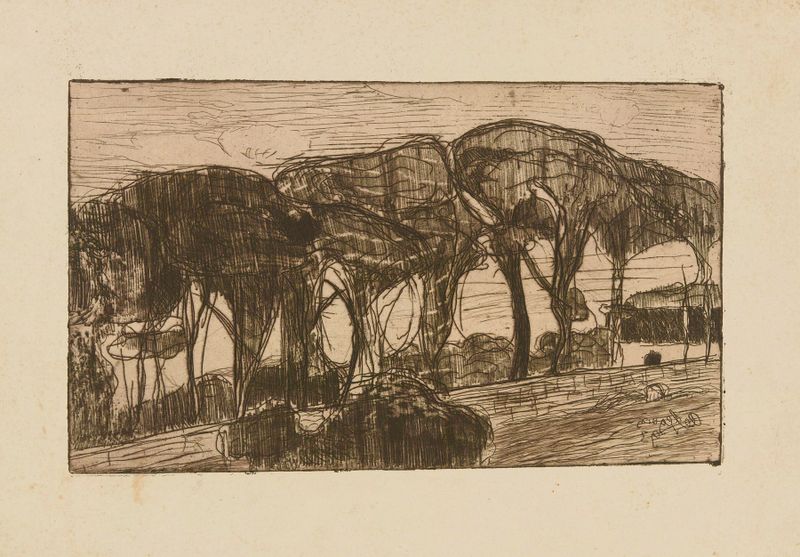
Les sapins
Armand Seguin





