
Le Fagot — History & Facts
In Le Fagot, vibrant colors dominate the canvas, showcasing a figure surrounded by a lush landscape. The use of greens and browns creates a sense of depth and life. The figure, possibly a laborer, is depicted in a moment of contemplation or rest.
The background features a mix of trees and foliage, enhancing the natural setting. The painting is characterized by bold brushstrokes and a dynamic composition typical of Louis Soutter's style. The colors are applied in a way that suggests movement and emotion, aligning with the principles of Expressionism. The figure's posture and the surrounding environment invite the viewer to ponder the narrative behind the scene.
This work exemplifies Soutter's ability to blend human experience with nature. Louis Soutter was a Swiss artist known for his unique approach to Expressionism. He often explored themes of solitude and nature, reflecting his own life experiences. Le Fagot stands out as a significant piece from the 1920s, showcasing his evolving style.
Interestingly, Soutter spent much of his later life in a psychiatric institution, which influenced his artistic output and perspective.
More Artworks by Louis Soutter
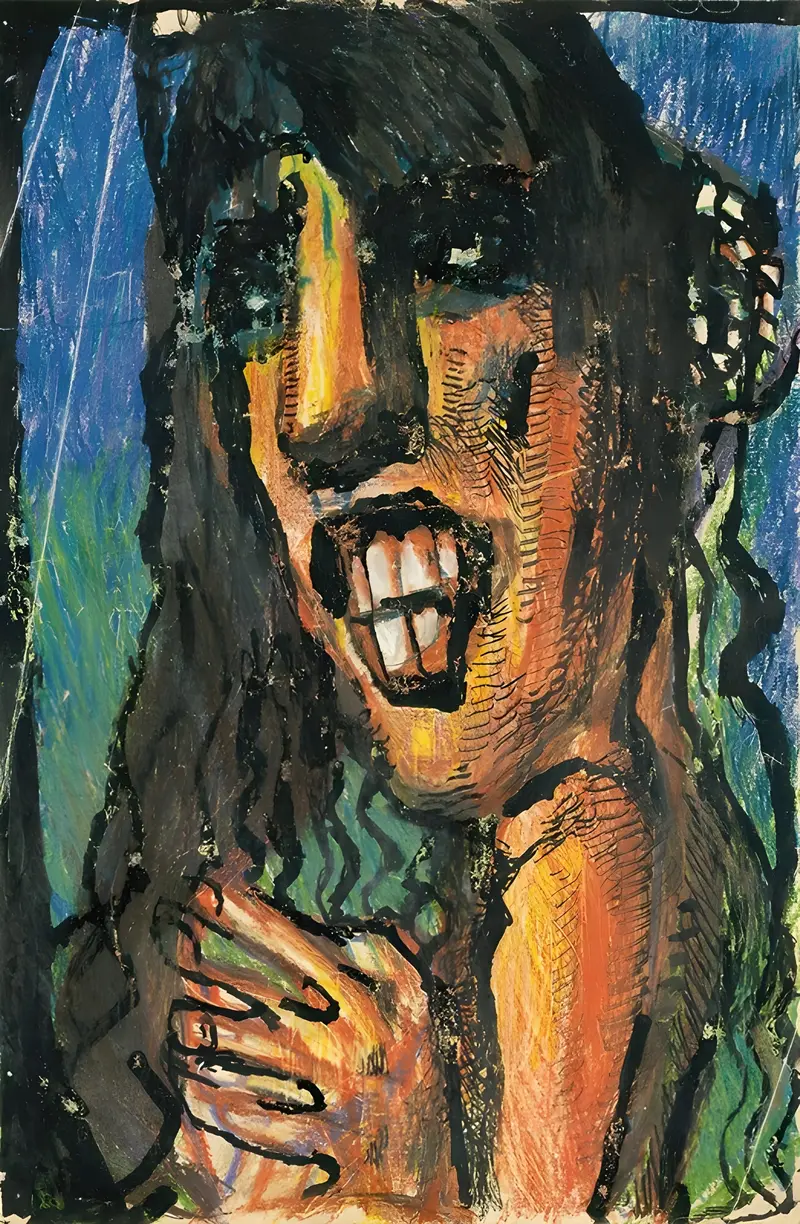
L’Américaine Doit Être Plus Grande
Louis Soutter

Massacre ou crucification
Louis Soutter

L’Auréole
Louis Soutter
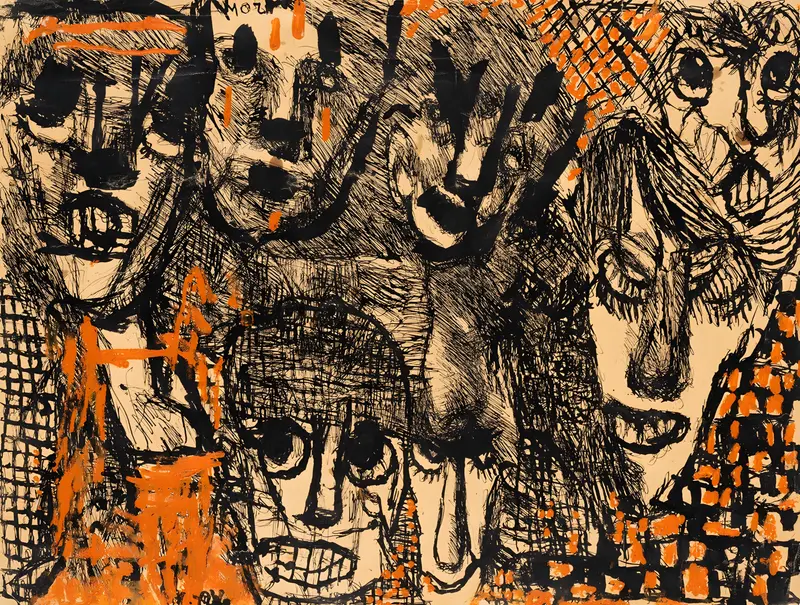
Mort – Vies fleuves et efficaces
Louis Soutter
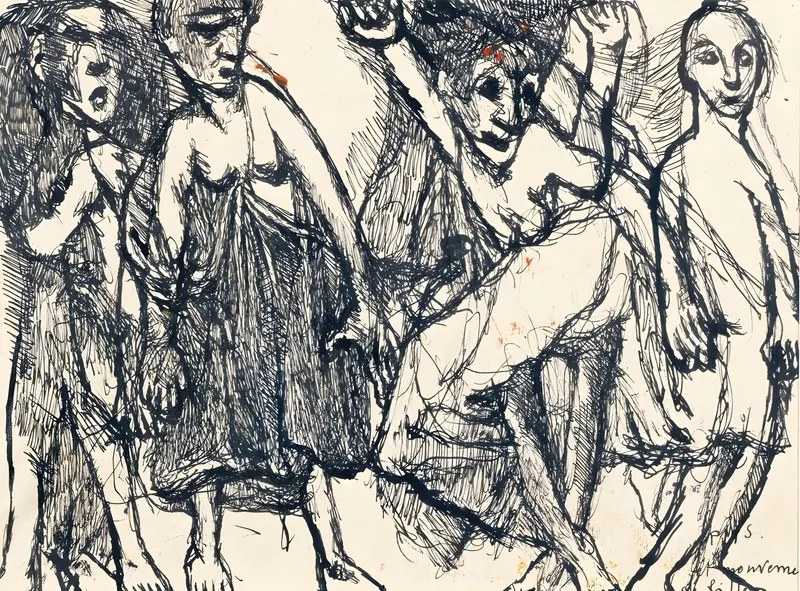
Moving Girls
Louis Soutter
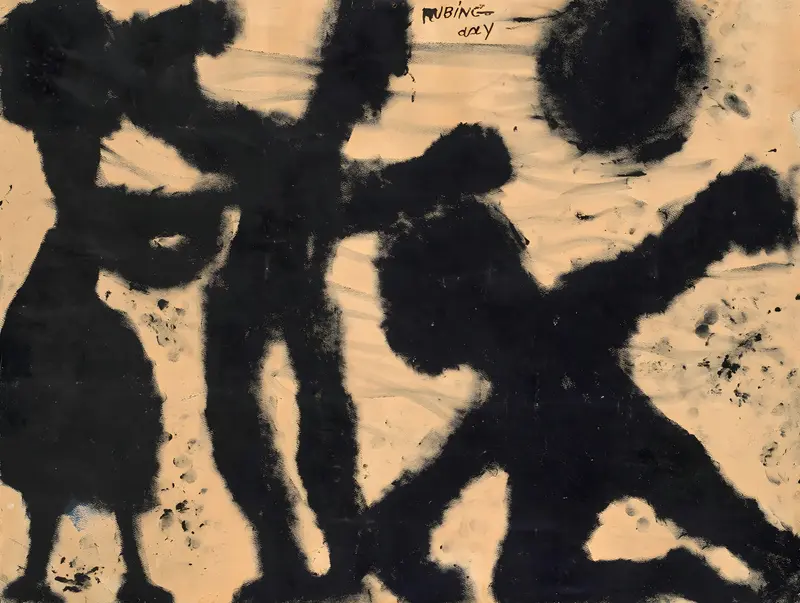
Rubing Day
Louis Soutter
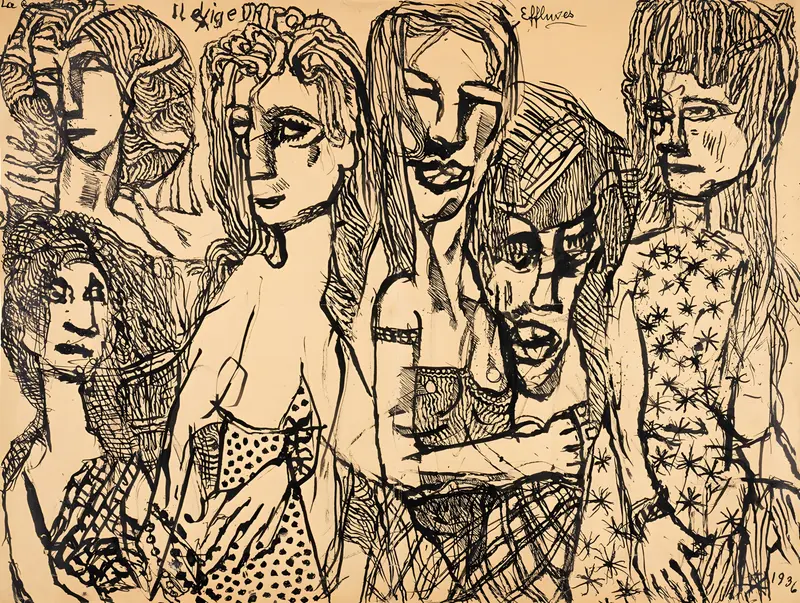
Effluves – Il exige un porto
Louis Soutter

Group Of Persons With Tyre
Louis Soutter
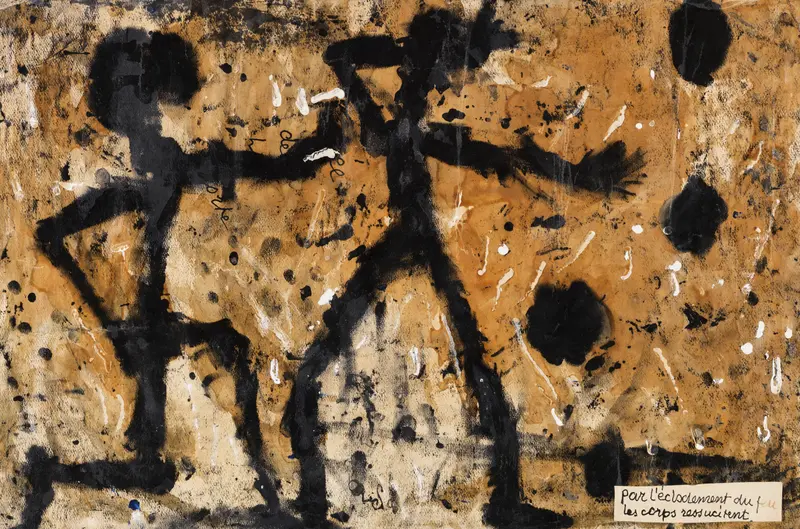
Par l’éclatement du feu les corps réssucitent
Louis Soutter
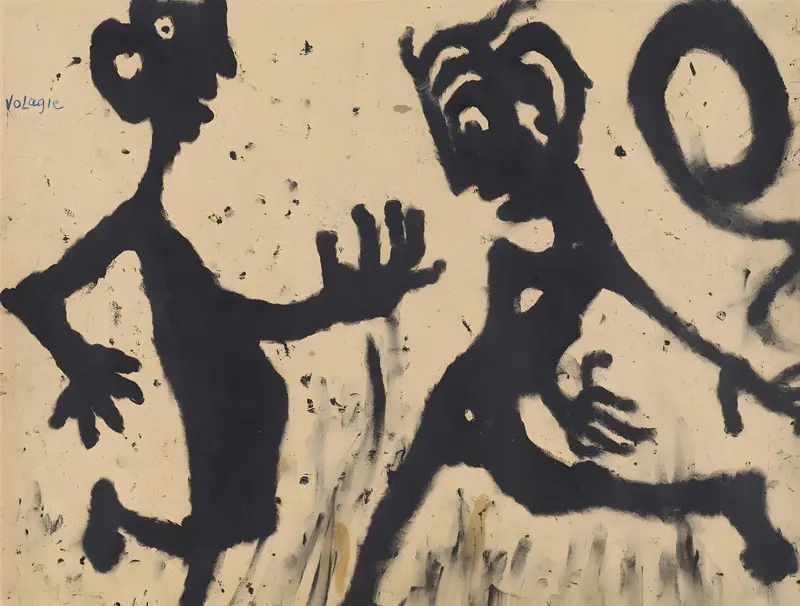
Hovering
Louis Soutter
More Genre Scene Art

Banquet of the Officers of the St George Civic Guard
Frans Hals

Rembrandt and Saskia in the Scene of the Prodigal Son
Rembrandt van Rijn

Bal du moulin de la Galette
Pierre-Auguste Renoir

Quadrille at the Moulin Rouge
Henri de Toulouse-Lautrec

A Burial at Ornans
Gustave Courbet

When Will You Marry?
Paul Gauguin