Le Grande Marché aux Pommes — History & Facts
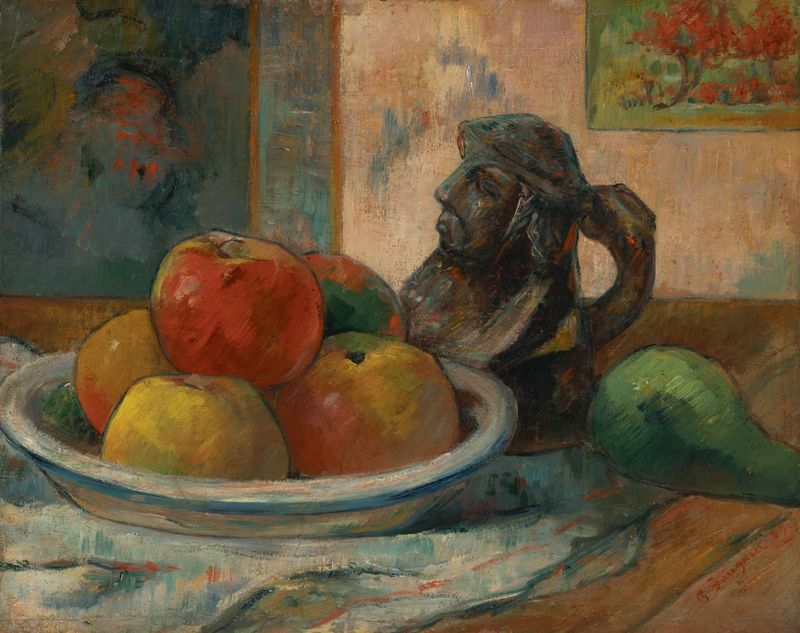
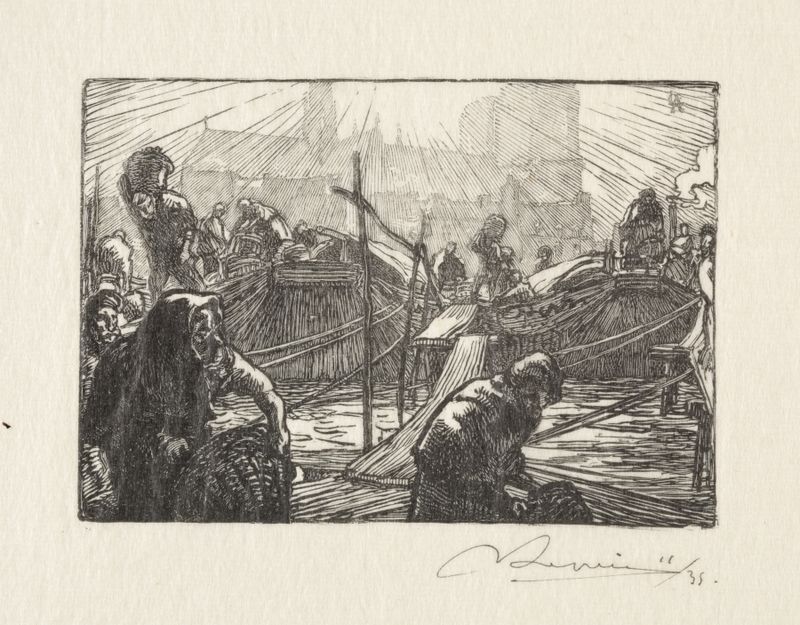
When did color learn to lie? This question lingers in the air as we face a scene saturated with vibrant hues that mask an underlying emptiness, inviting us to dive deeper into its layers. Look to the foreground where a tapestry of apples sprawls across the table, their reds and yellows almost pulsating with life. The artist's brushstrokes are confident yet delicate, capturing the gleam of the fruit while casting shadows that hint at a subtle decay. Notice how the light dances across the scene, illuminating the apples’ glossy surfaces while the background, rendered in a muted palette, recedes into a soft blur.
The juxtaposition creates a striking visual tension between the exuberance of the fruit and the desolate emptiness that surrounds them. Beneath these vivid colors lies a narrative of isolation. The abundance of apples feels almost taunting in its vibrancy, contrasting with the sparsely populated setting that suggests a market devoid of life. Perhaps the artist is commenting on the fleeting nature of abundance, a reminder that the sweetness of fruit is often juxtaposed with the bitterness of solitude.
Each apple, while full and luscious, becomes a symbol of longing—a desire for connection amidst the starkness of the environment. Painted in 1917, during a tumultuous time in France marked by World War I, the artist found himself grappling with the chaos surrounding him. This era was characterized by a shift in artistic expression, where traditional representations began to give way to more personal interpretations. Le Grande Marché aux Pommes reflects not only Lepère’s mastery of color and composition but also the profound sense of dislocation that resonated across a nation yearning for normalcy amid turmoil.
More Artworks by Auguste Louis Lepère
Browse all →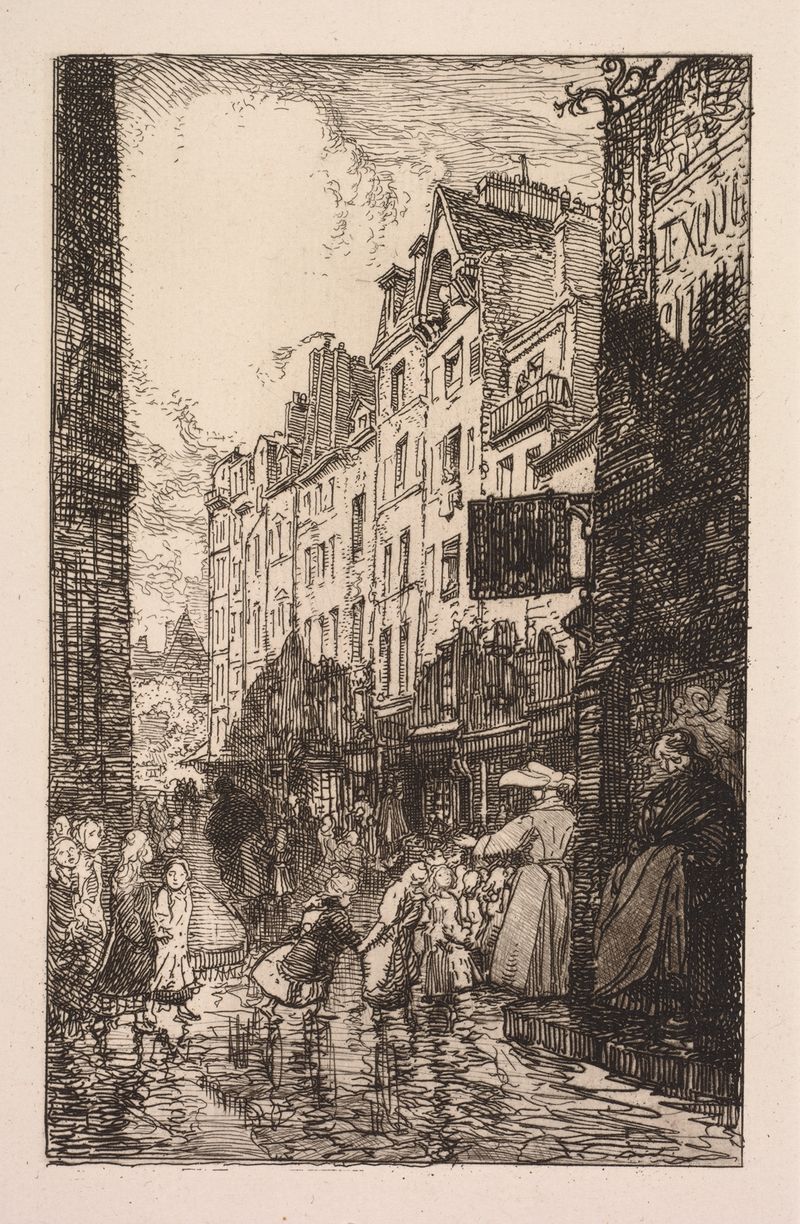
La Rue des Prêtres Saint-Séverin
Auguste Louis Lepère
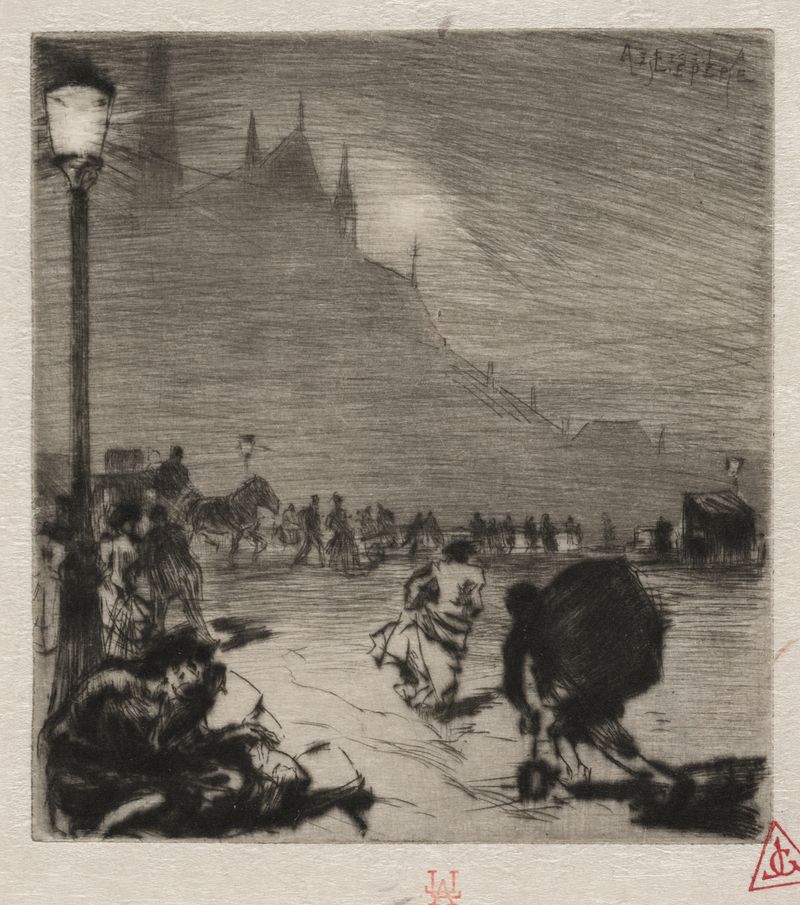
Au Coin du Pont-aux-Doubles
Auguste Louis Lepère
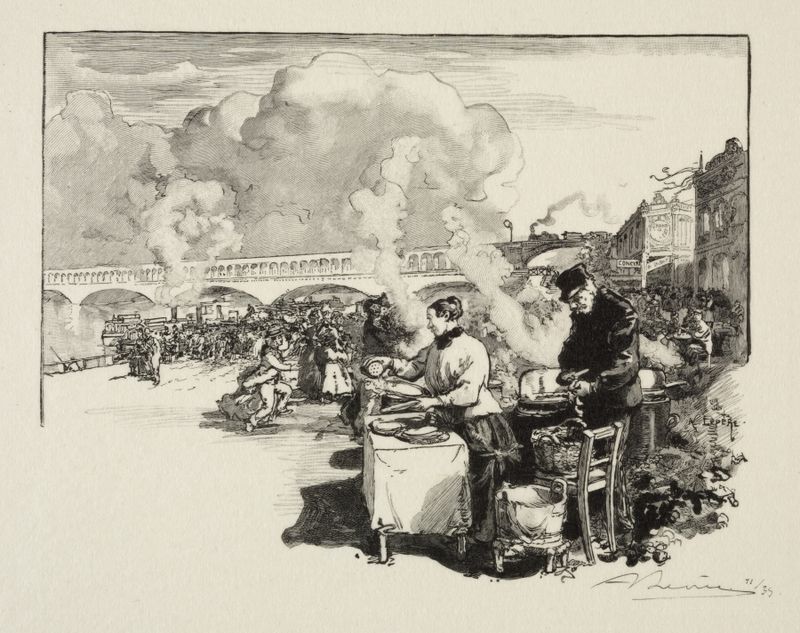
Debarcadère des bateaux-omnibus
Auguste Louis Lepère

La Seine, au quai de la Rapée
Auguste Louis Lepère
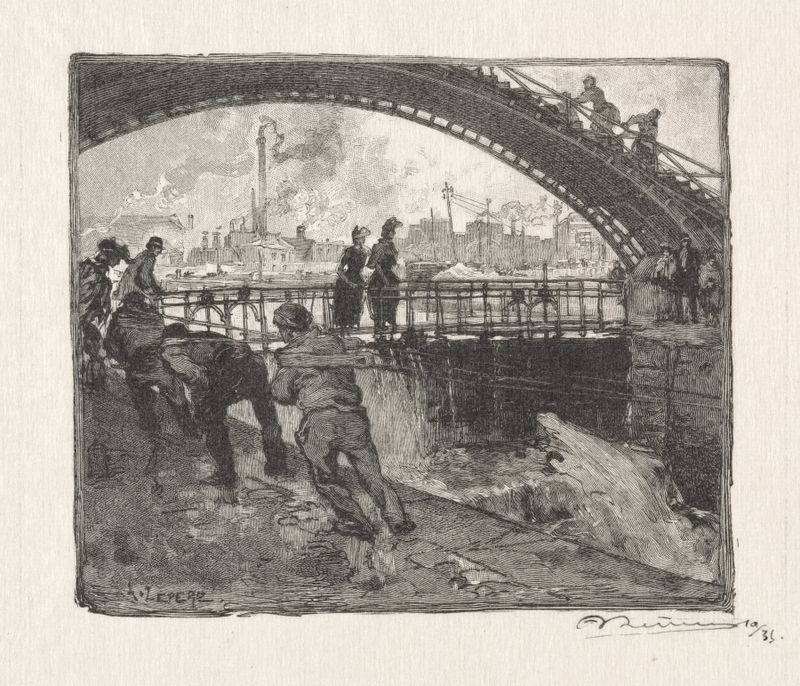
L’Ecluse du Canal St. Martin
Auguste Louis Lepère

Le Boulevard Montmartre, le Soir
Auguste Louis Lepère

Une Chasse au Mont Gérard
Auguste Louis Lepère
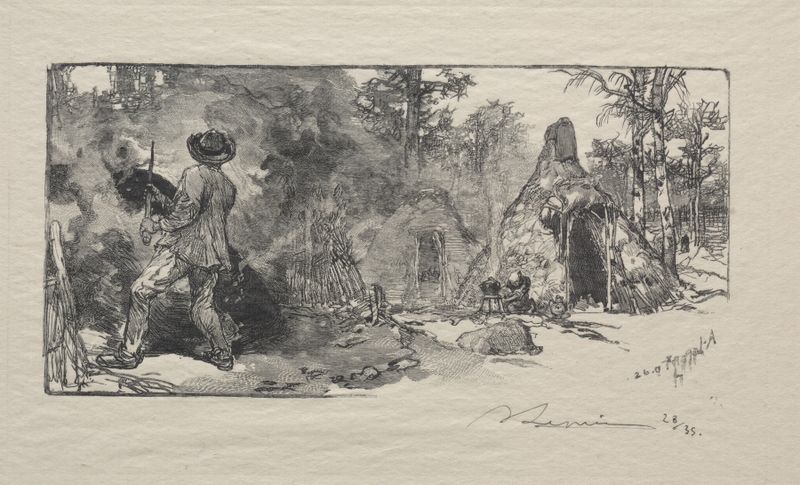
Les Charbonniere
Auguste Louis Lepère
Notre Dame vue du Marché aux pommes
Auguste Louis Lepère

Le Palais des Arts Liberaux, Intèrieur
Auguste Louis Lepère