
Le gros arbre (environs de Gournay) — History & Facts
In the stillness of a moment captured, memory unfolds itself among the lush greens and warm earth tones. The interplay between what is seen and what is felt invites the viewer to linger, to reflect on the essence of nature and the passage of time. Look to the left at the towering tree, its gnarled branches extending like arms across the canvas, embracing the surrounding landscape. The brushwork is soft yet deliberate, with a blend of greens that seem to breathe, evoking the vitality of the forest.
Notice how the light filters through the foliage, creating dappled shadows that dance across the ground, guiding your gaze deeper into this pastoral scene. The harmonious composition draws you in, while subtle variations in texture convey both serenity and depth. Beneath the surface, the painting speaks to the tension between permanence and transience. The sturdy tree stands resolute against the fleeting moments of a world in flux.
In the background, hints of distant hills suggest a vastness that contrasts with the intimacy of the foreground, echoing the complexity of memory itself—firm and yet ever-changing. Every stroke holds a whisper of past seasons, evoking feelings of nostalgia and the bittersweet nature of recollection. Created between 1865 and 1870, this work emerged during a period when Corot was transitioning from studio painting to outdoor scenes, adapting to the growing Impressionist movement. Residing in France, he was deeply influenced by the natural world around him, and this piece reflects his commitment to capturing ephemeral moments in landscapes—an endeavor that resonated with contemporary artists who sought to embrace the beauty of light and nature.
More Artworks by Jean-Baptiste-Camille Corot
Browse all →
View of Genoa
Jean-Baptiste-Camille Corot
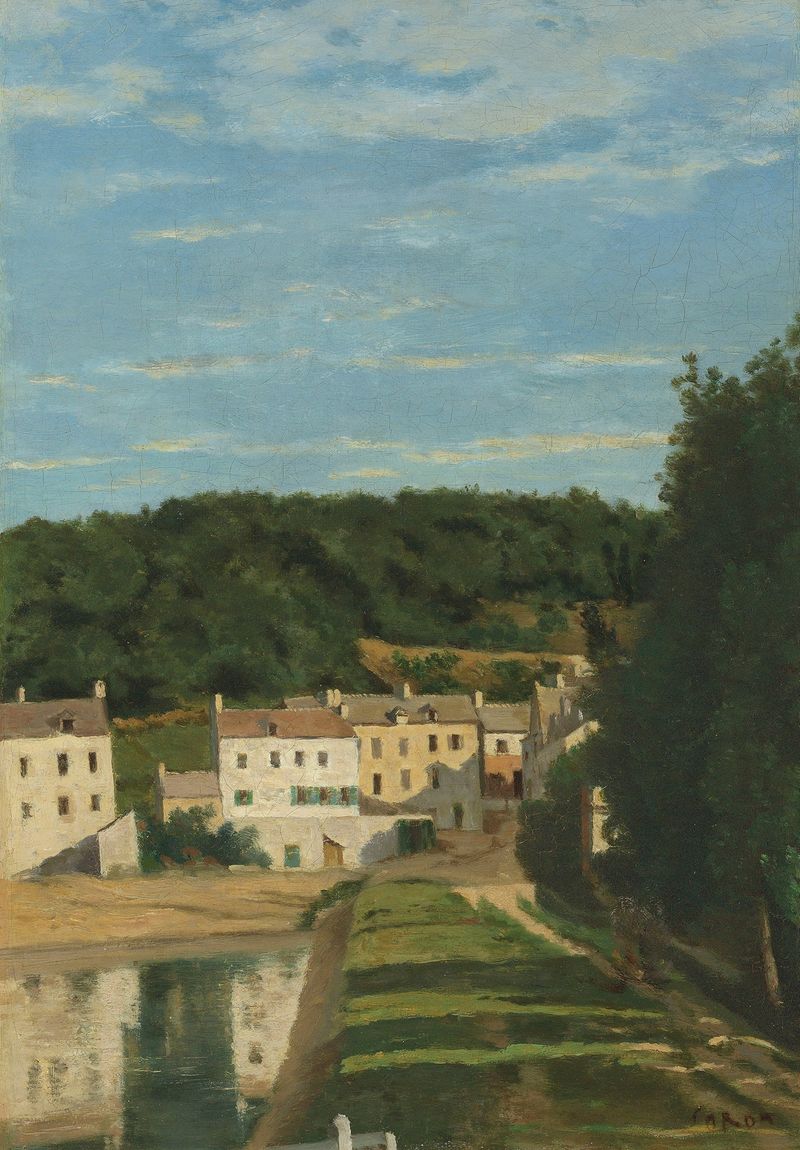
Les Maisons Cabassud À Ville D’avray
Jean-Baptiste-Camille Corot

La solitude. Souvenir de Vigen (Limousin)
Jean-Baptiste-Camille Corot
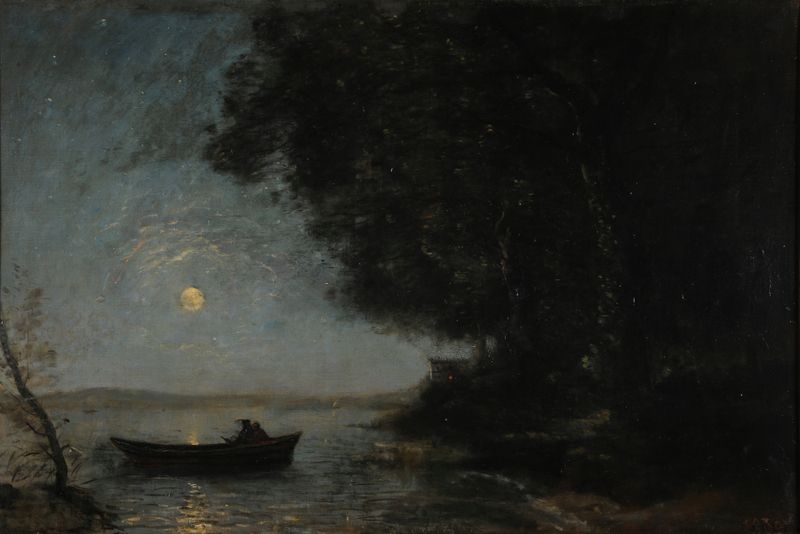
Le lac ; effet de nuit
Jean-Baptiste-Camille Corot
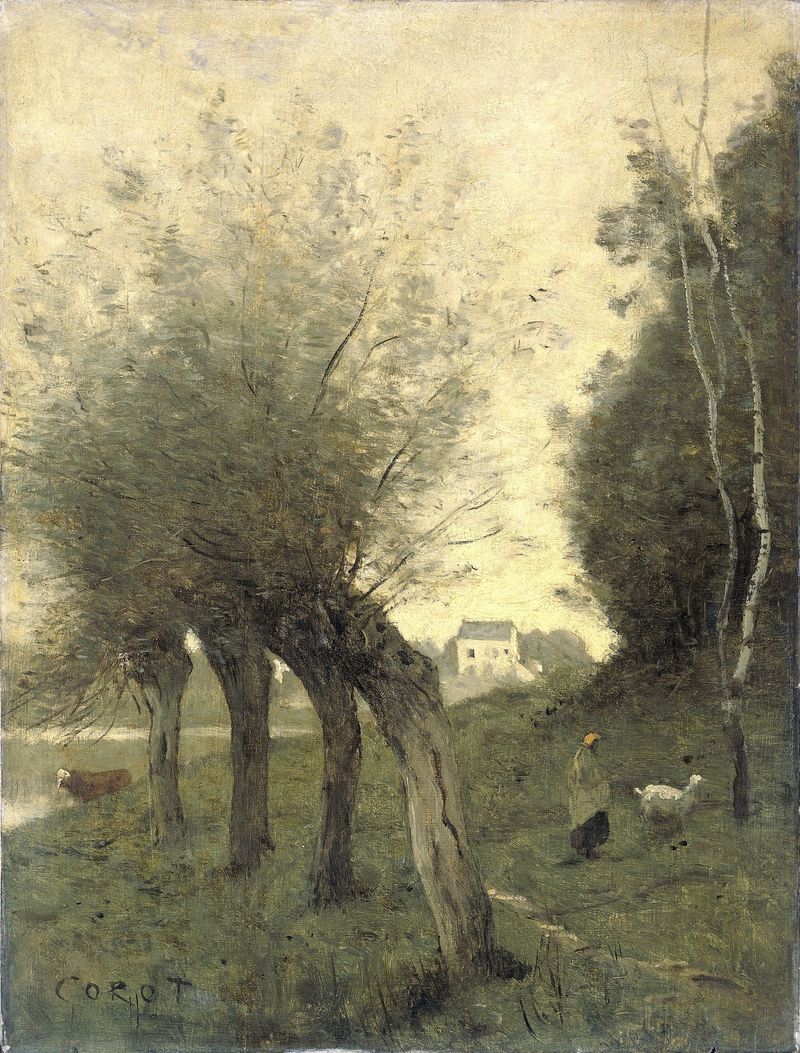
Landscape with Pollard Willows
Jean-Baptiste-Camille Corot
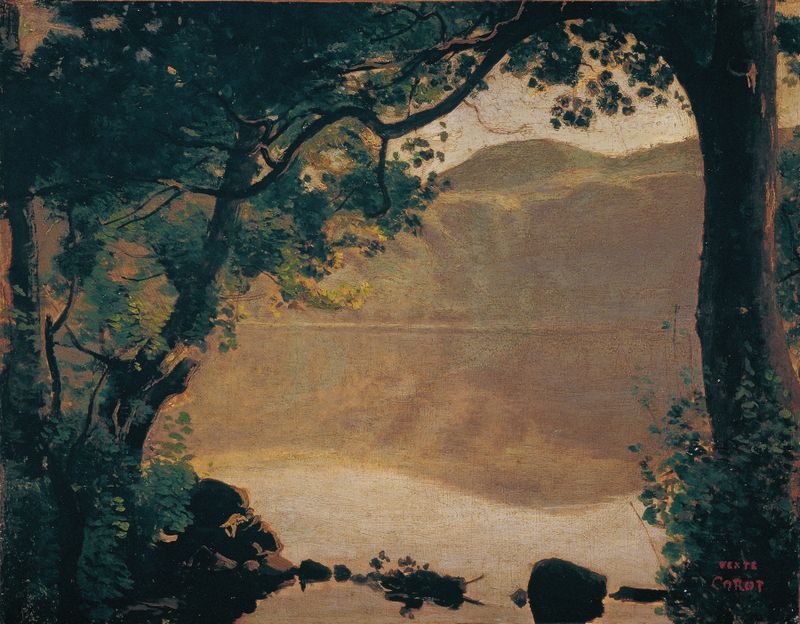
Der Nemisee
Jean-Baptiste-Camille Corot
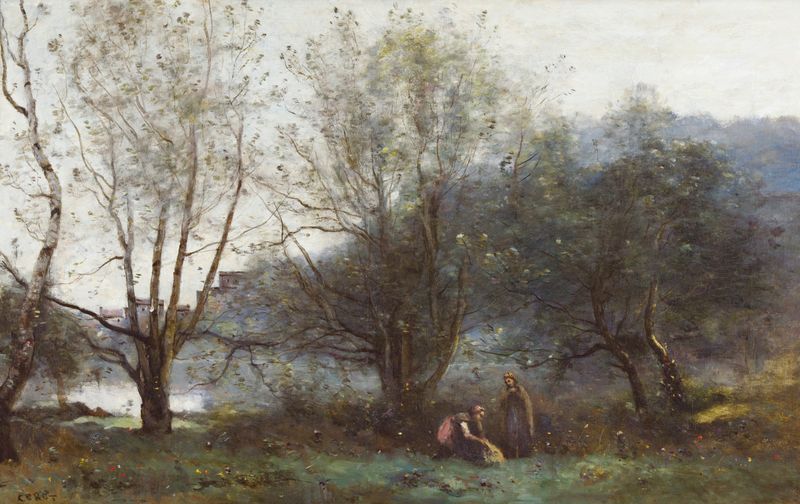
Les Étangs De Ville D’avray
Jean-Baptiste-Camille Corot
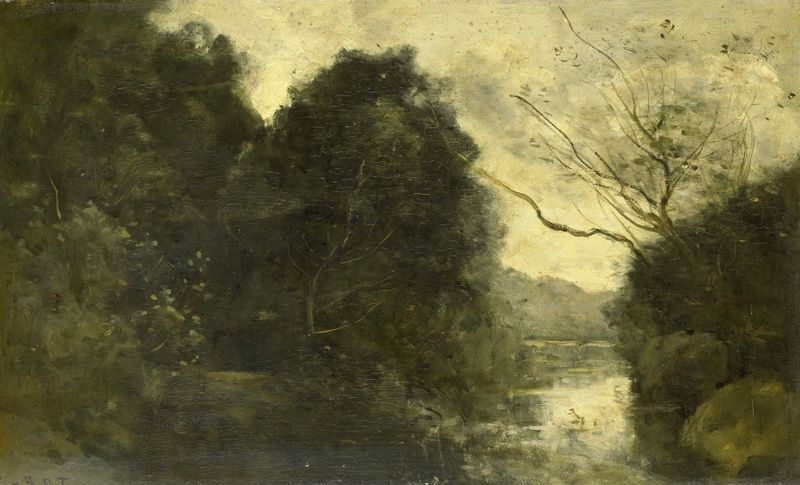
Pond in the Woods
Jean-Baptiste-Camille Corot
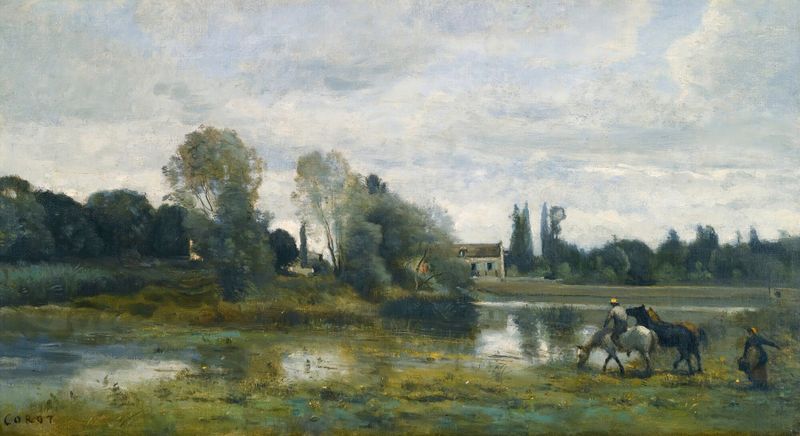
Ville D’avray; L’abreuvoir Des Chevaux
Jean-Baptiste-Camille Corot
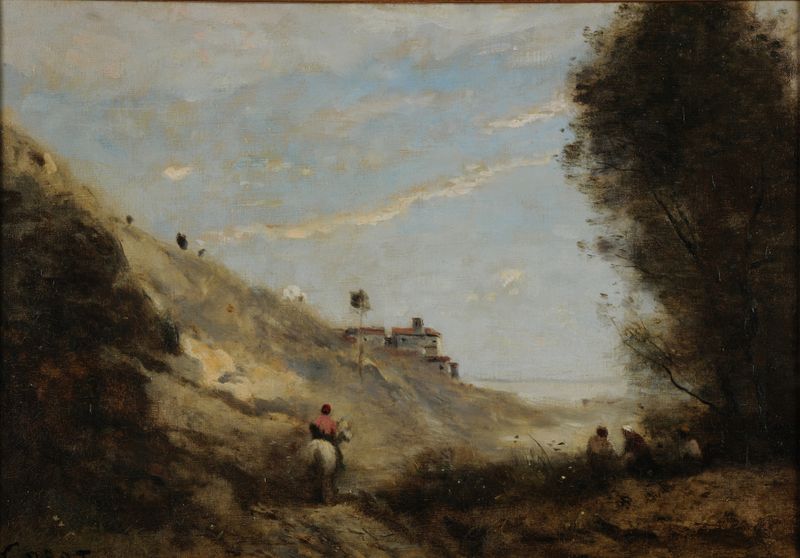
Le vallon au cavalier
Jean-Baptiste-Camille Corot





