
Le Guignol du jardin des Tuileries — History & Facts
In the stillness of imagination, ecstasy unfurls like a thousand colors, beckoning the viewer to dive deeper into a world where joy and sorrow coexist. Look to the vibrant foreground, where children erupt in spontaneous laughter as they gather, eager and wide-eyed, around the puppet show. Notice how the light dances on their faces, illuminating expressions that range from anticipation to sheer delight. The meticulous brushstrokes capture the fleeting moment of enchantment, while the warm autumnal palette breathes life into the scene, an ode to the fleeting beauty of childhood. Yet hidden within this playful tableau lies a deeper resonance.
The puppets, frozen between reality and fantasy, echo the duality of life itself—an invitation to explore the fragility of joy amidst the inevitable passage of time. The contrasting shadows that loom slightly in the background hint at the poignant awareness of mortality, transforming delight into a bittersweet reflection. This delicate balance between laughter and loss gives the scene its profound emotional weight, resonating with anyone who has felt both the thrill of joy and the sting of nostalgia. Emile Antoine Guillier painted Le Guignol du jardin des Tuileries in 1880, during a period of vibrant artistic exploration in Paris.
As the city buzzed with innovation and cultural awakening, Guillier found inspiration in the simple pleasures of life around him. The work reflects an era when artists embraced modernity while capturing timeless human experiences, seeking to immortalize ephemeral moments that resonate beyond their immediate context.
More Artworks by Emile Antoine Guillier
Browse all →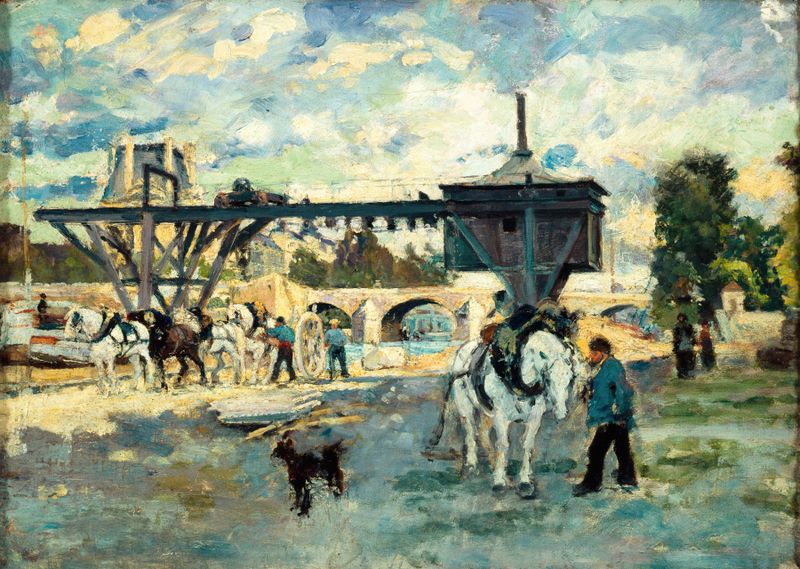
Grue sur la Seine au pont Royal
Emile Antoine Guillier
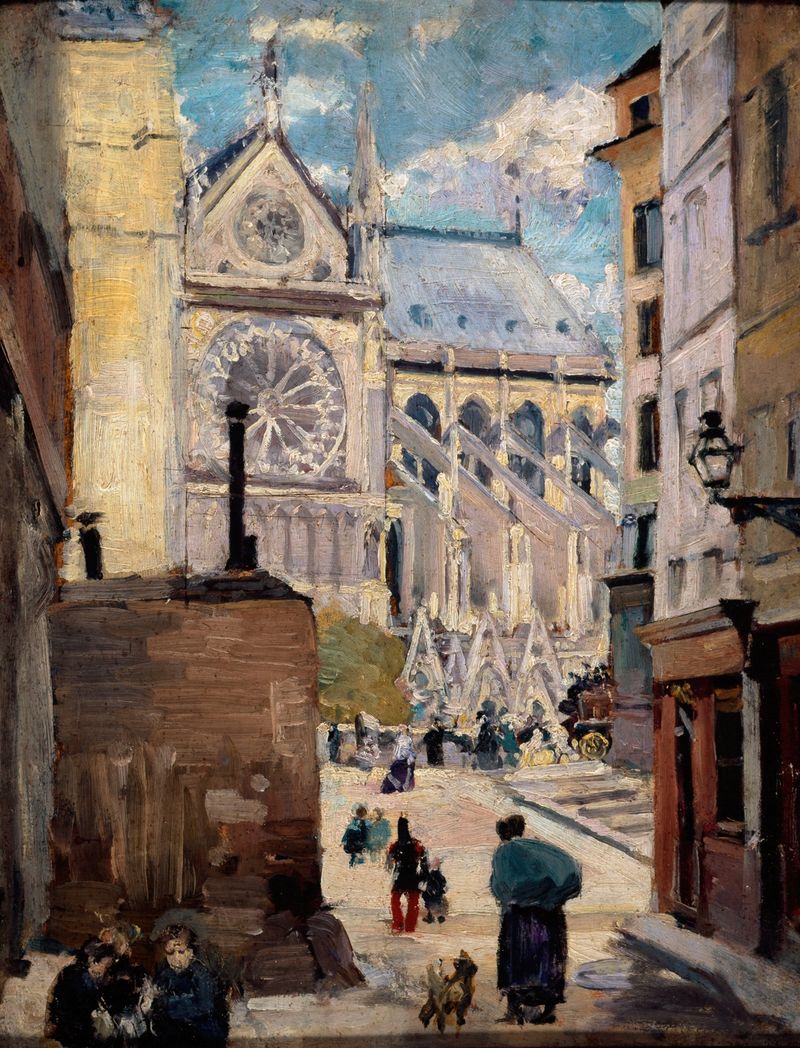
Notre-Dame, vue de la rue de l’Hôtel-Colbert
Emile Antoine Guillier
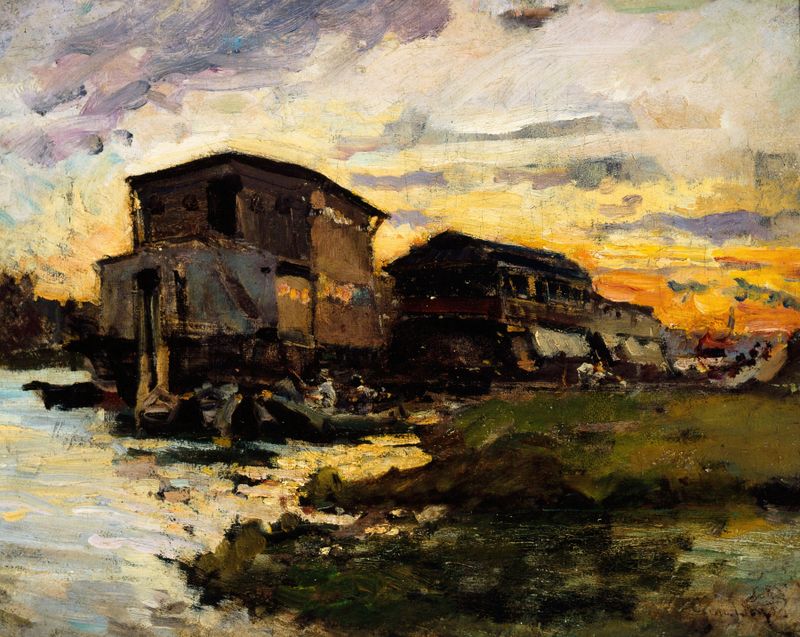
Bateau-lavoir sur la Seine, aux environs de Paris
Emile Antoine Guillier

Le Pont des Arts et la pointe de l’île de la Cité
Emile Antoine Guillier

Les Cagnards de l’Hôtel-Dieu
Emile Antoine Guillier
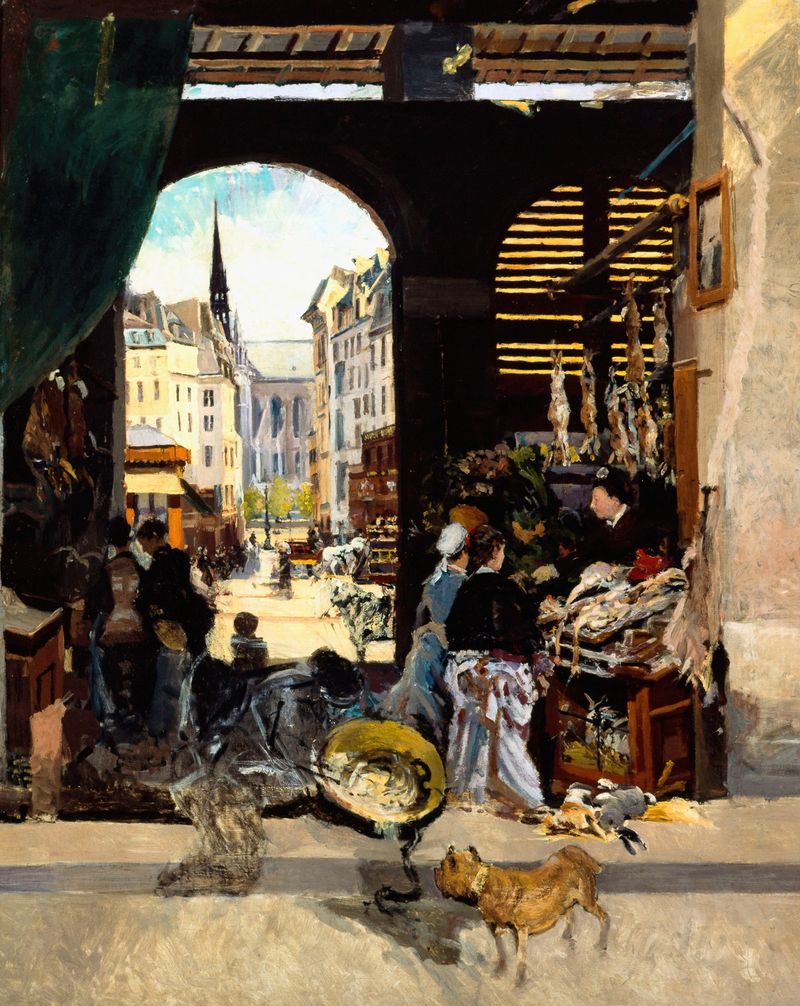
Le Marché des Carmes, place Maubert
Emile Antoine Guillier





