
Le jardin de ma tante — History & Facts
This sentiment echoes through the vibrant hues and lush details of a garden scene, where nature cradles memories that remain untouched by the passage of time. In this space, the artist invites us to witness a revelation — a quiet moment of beauty and introspection. Look to the left, where a cascade of blooming flowers bursts forth, their vivid colors intermingling in a harmonious dance of reds, yellows, and greens. The brushwork here is delicate yet assertive, layering petals with a textured richness that beckons the eye closer.
Notice how the sunlight filters through the leaves, casting dappled shadows onto the ground, enhancing the sense of depth and inviting one to stroll through this intimate oasis. Beneath the surface, the painting conveys a deeper emotional resonance. The garden may serve as a metaphor for memory itself — lush, inviting, yet always threatened by the relentless advance of time. The juxtaposition of soft, vibrant blossoms against the stillness of the garden’s pathways evokes a sense of nostalgia, a longing for moments that slip away even as they are savored.
The absence of figures allows the viewer to project their own experiences onto this canvas, fostering a personal connection to the ephemeral nature of beauty. In 1901, Houdard created this work amidst the burgeoning movements of Post-Impressionism, a time when artists were exploring the interplay of color and emotion in new ways. Living in France, he was influenced by contemporaries who sought to capture the essence of modern life. This piece reflects his desire to preserve a fleeting moment in time, bridging the gap between the artist’s inner world and the viewer’s perception.
More Artworks by Charles-Louis Houdard
Browse all →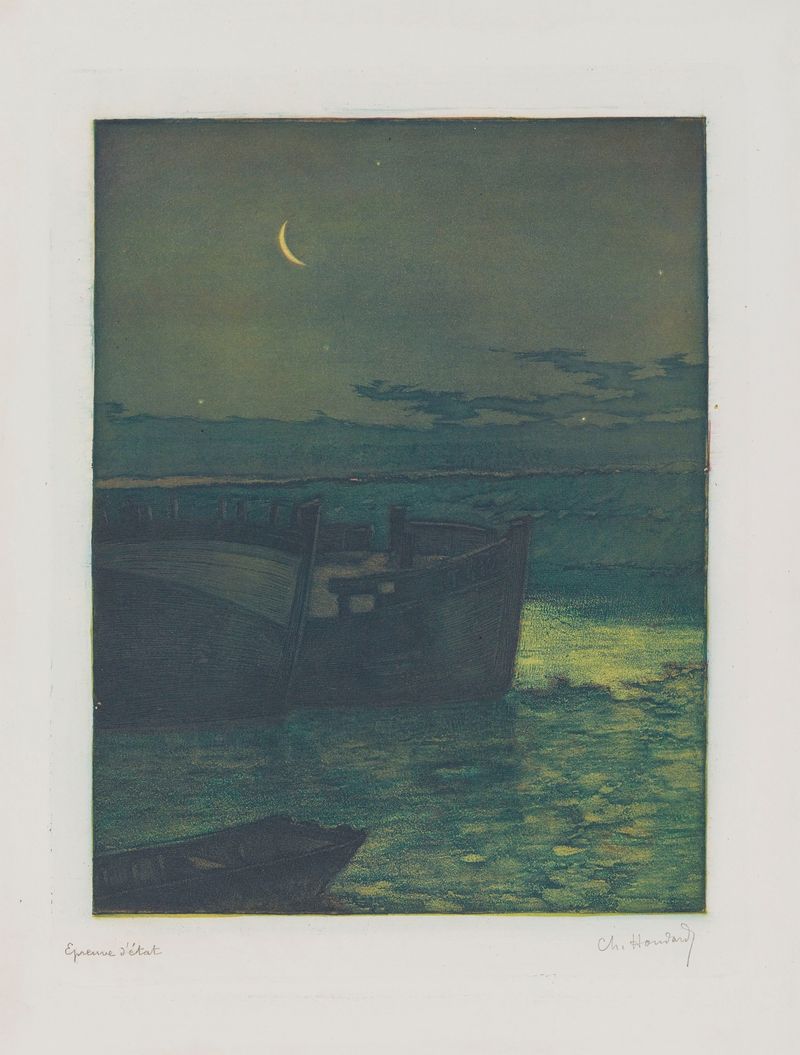
Epaves, navire échoué au clair de lune
Charles-Louis Houdard
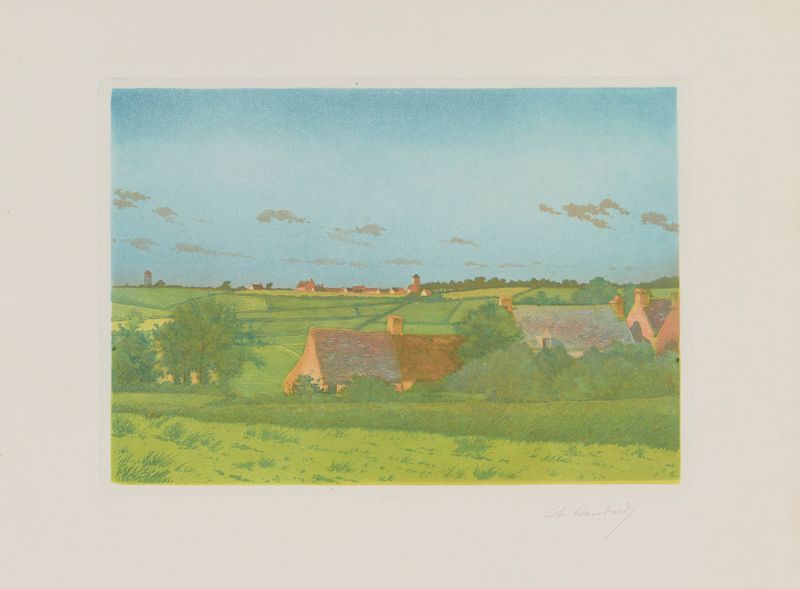
Les hauteurs de Crozon, Finistère
Charles-Louis Houdard
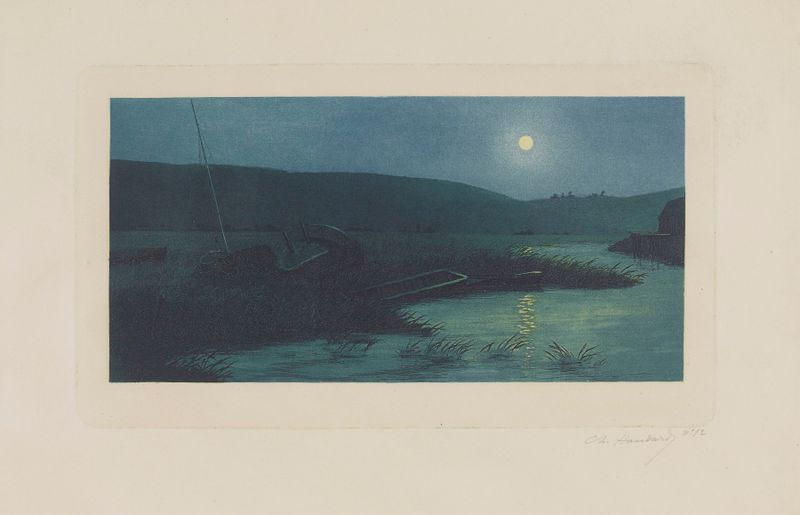
Clair de lune sur la Bresle
Charles-Louis Houdard
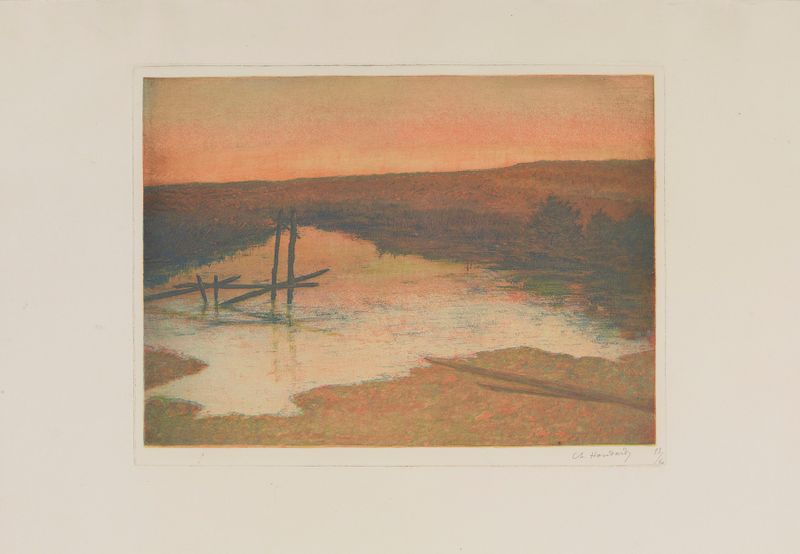
L’étang du moulin à Sémide
Charles-Louis Houdard
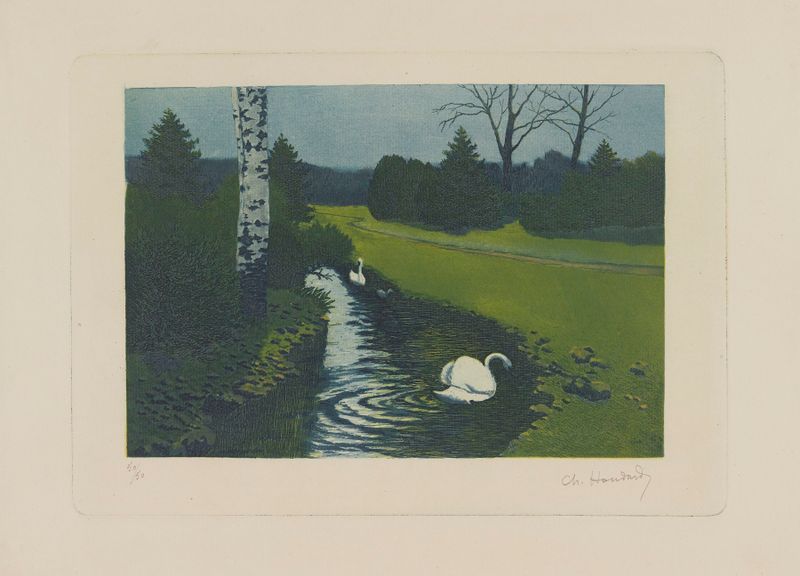
Au bois, cygnes sur un ruisseau
Charles-Louis Houdard
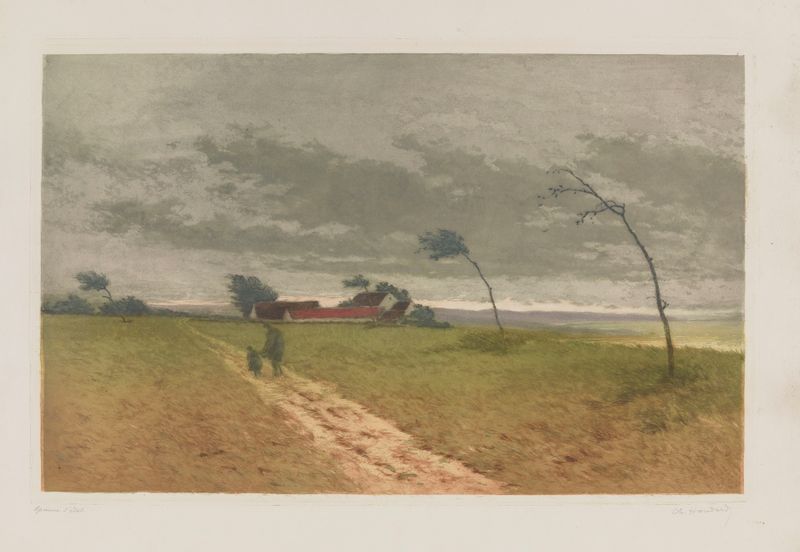
La rafale, plaine sous l’orage
Charles-Louis Houdard
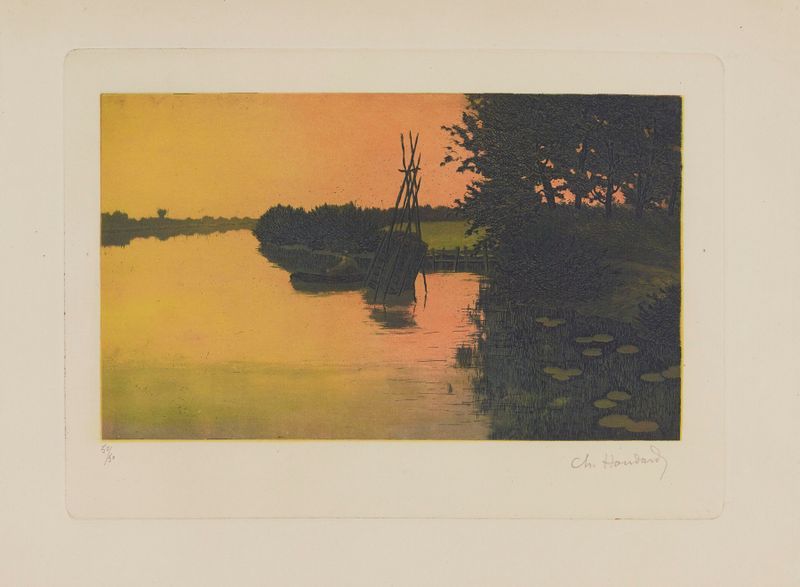
L’Oise à Précy
Charles-Louis Houdard
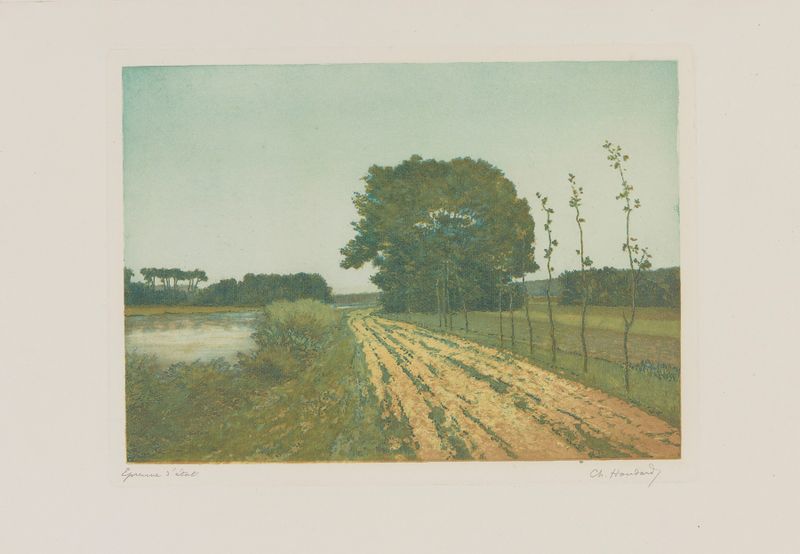
La route abandonnée
Charles-Louis Houdard
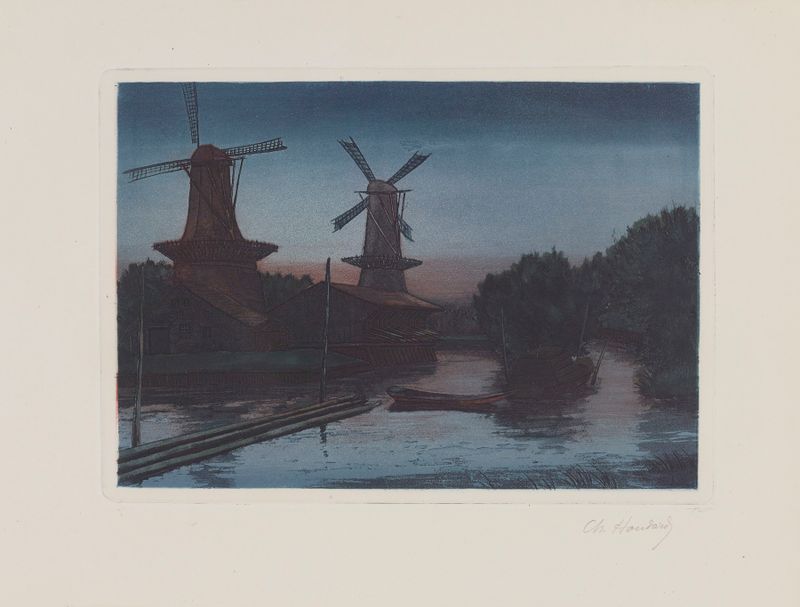
Moulins à Dordrecht
Charles-Louis Houdard
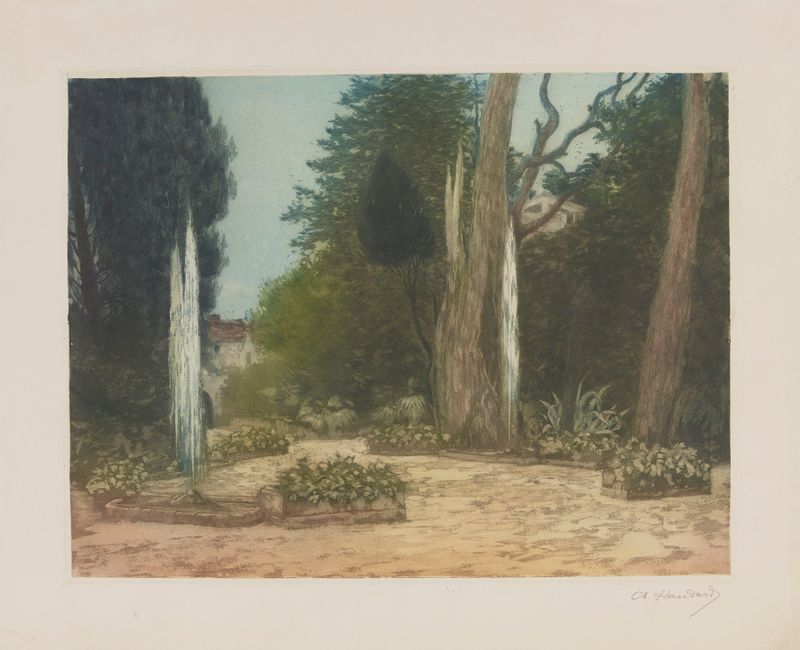
Villa d’Este, Tivoli, le rond-point
Charles-Louis Houdard





