
Le Lac de Bagatelle, Bois de Boulogne — History & Facts
Who listens when art speaks of silence? In Henri Manguin's Le Lac de Bagatelle, Bois de Boulogne, the serene waters and vibrant foliage communicate transformation through absence, inviting reflection in a world that often rushes past. Look to the foreground, where gentle ripples caress the surface of the lake, mirroring the lush greens and soft blues of the surrounding landscape. The brushwork is loose yet intentional, suggesting movement without overpowering the scene. Notice how the light filters through the trees, casting delicate shadows that dance upon the water, creating a harmonious interplay of color and texture.
The composition draws your eye inwards, as if beckoning you to dive deeper into this tranquil moment. Amid the beauty lies an emotional tension; the stillness of the water contrasts sharply with the vibrant hues, hinting at the undercurrents of change and reflection. Each brushstroke speaks of the ephemeral nature of life, while the calm atmosphere evokes a longing for solitude. The trees, standing sentinel, represent resilience, their roots grounded even as the world around them shifts.
Here, nature becomes a canvas for contemplation, inviting viewers to explore their own transformations. In 1909, Manguin created this work during a vibrant period of his career in Paris, where the Fauvism movement was gaining momentum. The artist was deeply influenced by the colors and light of the French countryside, often seeking solace in landscapes like the Bois de Boulogne. This was a time of exploration and experimentation, both in Manguin’s life and in the art world, as artists sought to break free from traditional constraints and express their innermost emotions through color and form.
More Artworks by Henri Manguin
Browse all →
Paysage d’automne aux environs de Saint-Tropez
Henri Manguin

Vue Sur La Ponche, Saint-Tropez
Henri Manguin
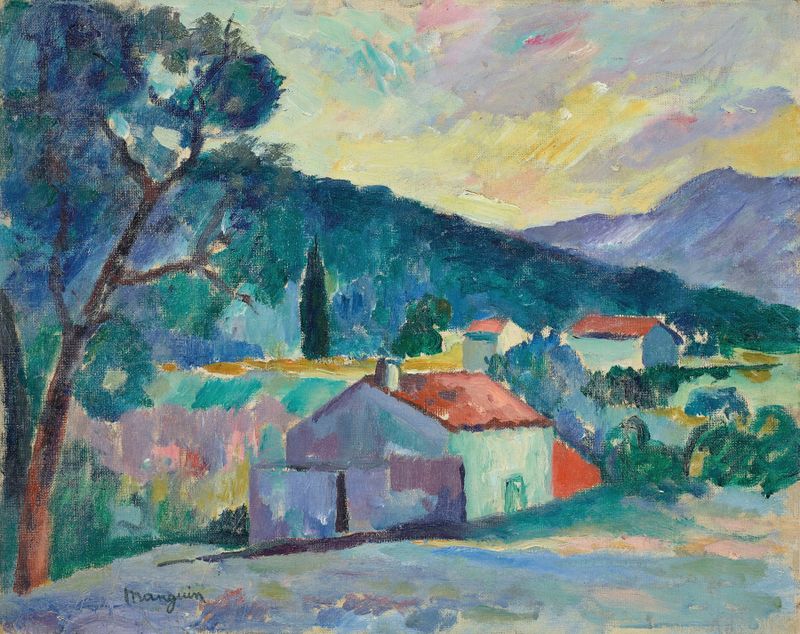
Le Mas à Saint-Tropez
Henri Manguin
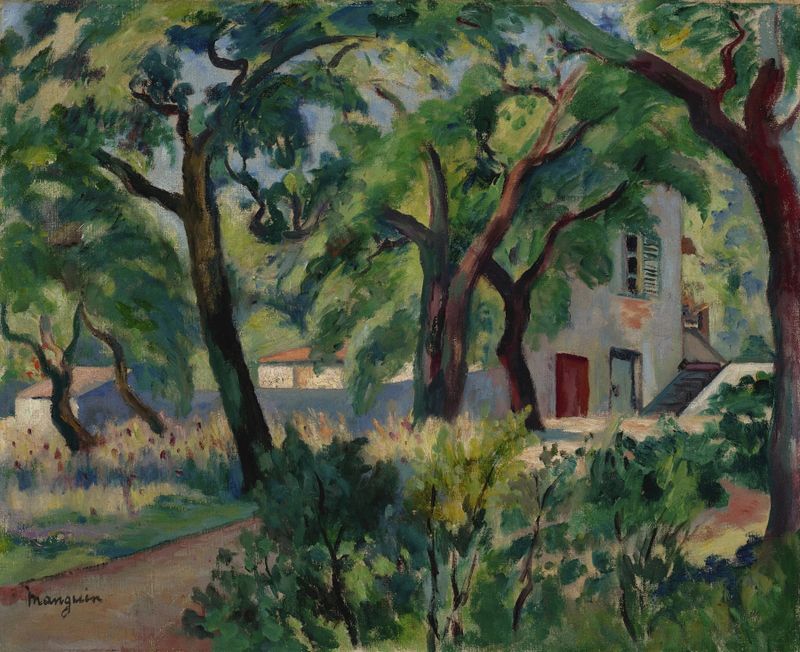
La Maison dans la forêt, Saint-Tropez
Henri Manguin

Le Chemin derrière l’Oustalet, Saint-Tropez
Henri Manguin
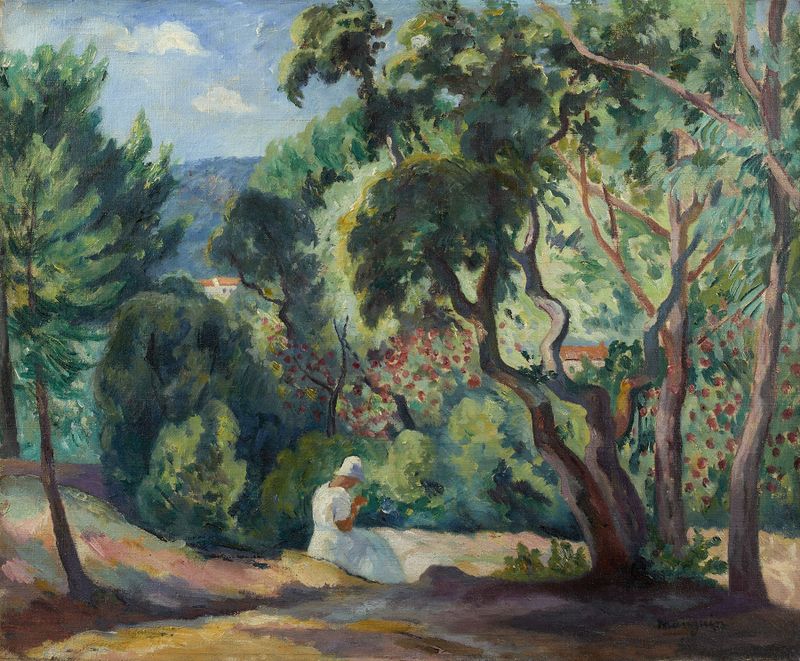
Sous-bois à la Moutte, Saint-Tropez
Henri Manguin

Rade de Villefranche
Henri Manguin

Le Palais des Papes – Avignon
Henri Manguin

Paysage Beauce
Henri Manguin

Voiliers à marée basse
Henri Manguin





