
Paysage Beauce — History & Facts
In the quiet recesses of a painter’s mind, where brush meets canvas, a revolution of color and emotion emerges, defying the constraints of reality. Focus on the sweeping fields that stretch across the canvas, where vibrant greens and soft yellows blend harmoniously under a luminous sky. Notice how Manguin's loose brushwork invites movement, as if the very air is alive with the whispers of nature. The horizon line, gently curved, draws the eye toward an inviting distance, evoking a sense of tranquility amidst the chaos of modernity. Yet, within this picturesque landscape lies an undercurrent of tension.
The bold strokes convey a raw, untamed beauty, reflecting a deep yearning for freedom and expression that characterized post-Impressionist ideals. The juxtaposition of serene vistas against the vibrant palette speaks to the conflicts of the era — a world on the brink of change, where tradition grappled with the burgeoning force of individuality. Every stroke holds the weight of a silent rebellion against the mundane. Henri Manguin painted Paysage Beauce between 1890 and 1900 during a time when the art world was shifting towards Impressionism and beyond.
Living in France, he was immersed in a burgeoning community of artists who championed new perspectives and techniques. This period marked the rise of personal expression amidst the revolutionary spirit that was transforming Paris, reflecting not only in Manguin’s work but also in the very fabric of society.
More Artworks by Henri Manguin
Browse all →
Paysage d’automne aux environs de Saint-Tropez
Henri Manguin

Vue Sur La Ponche, Saint-Tropez
Henri Manguin
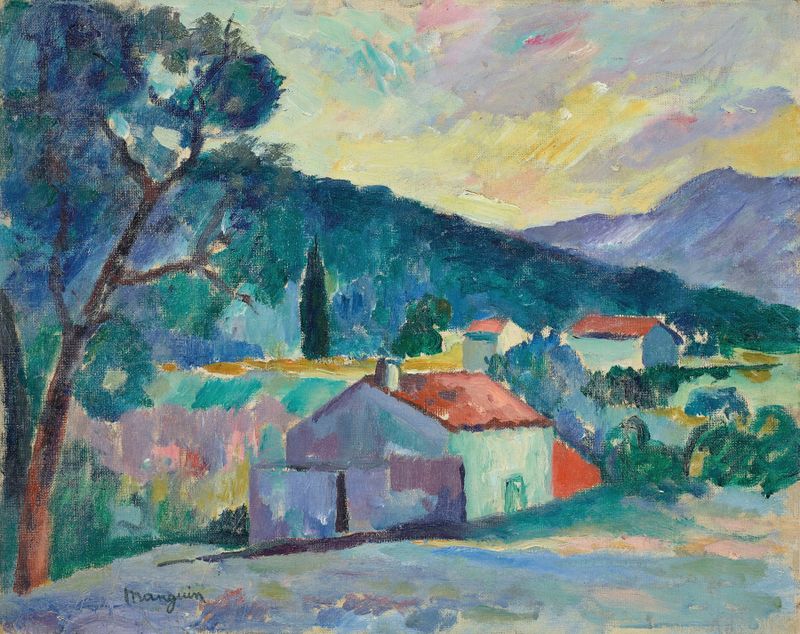
Le Mas à Saint-Tropez
Henri Manguin
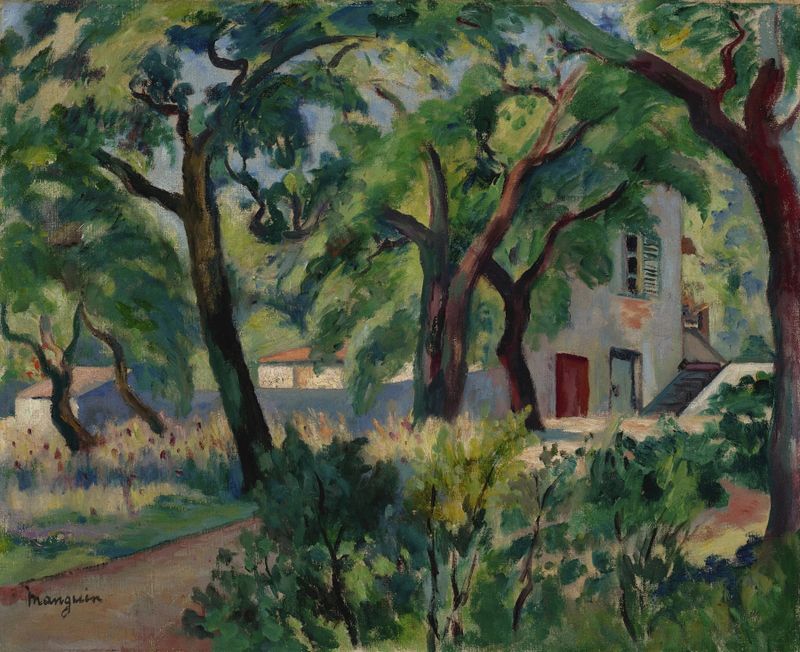
La Maison dans la forêt, Saint-Tropez
Henri Manguin

Le Chemin derrière l’Oustalet, Saint-Tropez
Henri Manguin
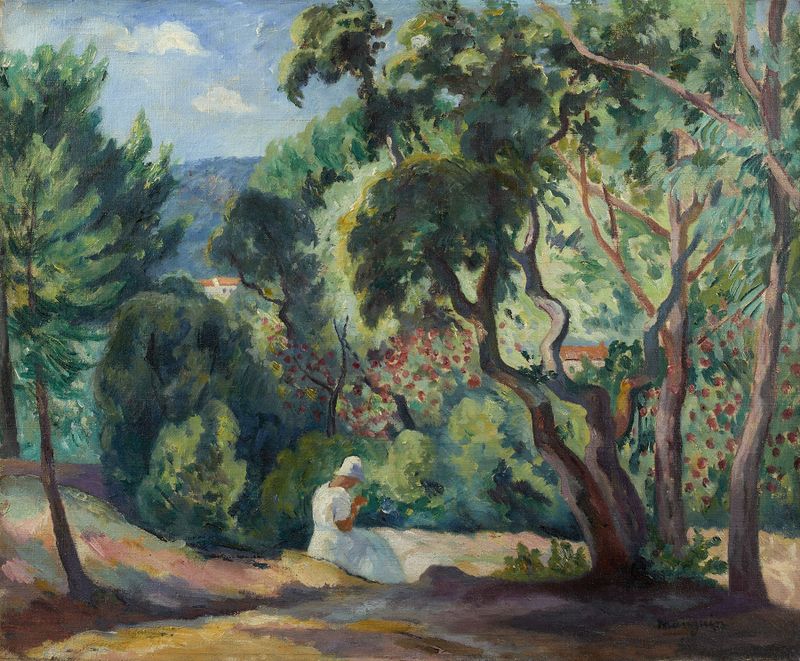
Sous-bois à la Moutte, Saint-Tropez
Henri Manguin
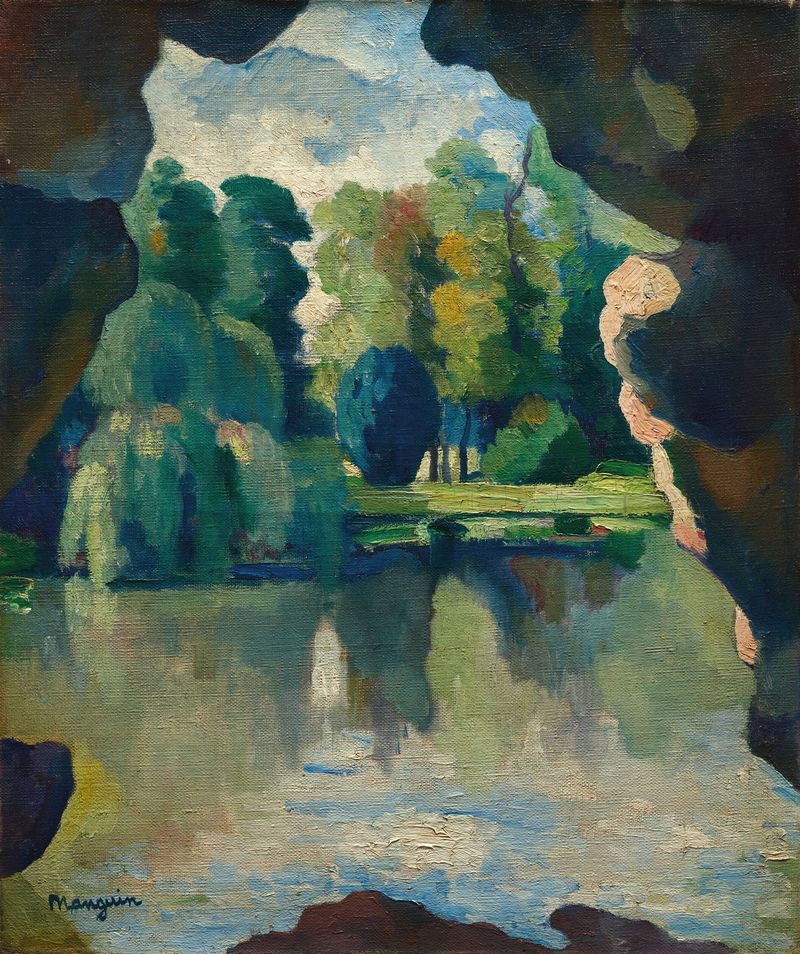
Le Lac de Bagatelle, Bois de Boulogne
Henri Manguin

Rade de Villefranche
Henri Manguin

Le Palais des Papes – Avignon
Henri Manguin

Voiliers à marée basse
Henri Manguin





