
Rade de Villefranche — History & Facts
Could beauty survive in a century of chaos? The vibrant hues of this coastal scene invite contemplation, challenging the viewer to find solace amid the tumult of existence. Look to the center, where the dazzling blue of the Mediterranean Sea stretches toward the horizon, kissed by the warm glow of a sun setting on the edge of the world. Notice how the brushstrokes dance, each stroke imbued with both energy and serenity, creating movement that whispers of gentle waves lapping against the shore. The village, nestled against the cliffs, is painted in a palette of soft pastels – pinks, yellows, and greens that evoke a sense of harmony, contrasting sharply with the chaotic reality of the early 20th century. As you delve deeper, consider the interplay between light and shadow, the way the artist captures fleeting moments with his seemingly erratic brushwork.
This illusion of movement not only breathes life into the scene but also reflects the transient nature of beauty; it is here one moment and gone the next. The shimmering reflections on the water hint at deeper truths about perception and reality—what we see is often just a fragment of a larger, often chaotic world. Henri Manguin painted Rade de Villefranche in 1913, during a period when Fauvism was at its height and experimentation with color was flourishing. Living in the vibrant artistic community in Paris, he was influenced by both the post-Impressionists and the avant-garde movements of his time, pushing boundaries within a world on the brink of war.
The painting encapsulates a moment of peace, a stark contrast to the chaos that lay ahead in Europe.
More Artworks by Henri Manguin
Browse all →
Paysage d’automne aux environs de Saint-Tropez
Henri Manguin

Vue Sur La Ponche, Saint-Tropez
Henri Manguin
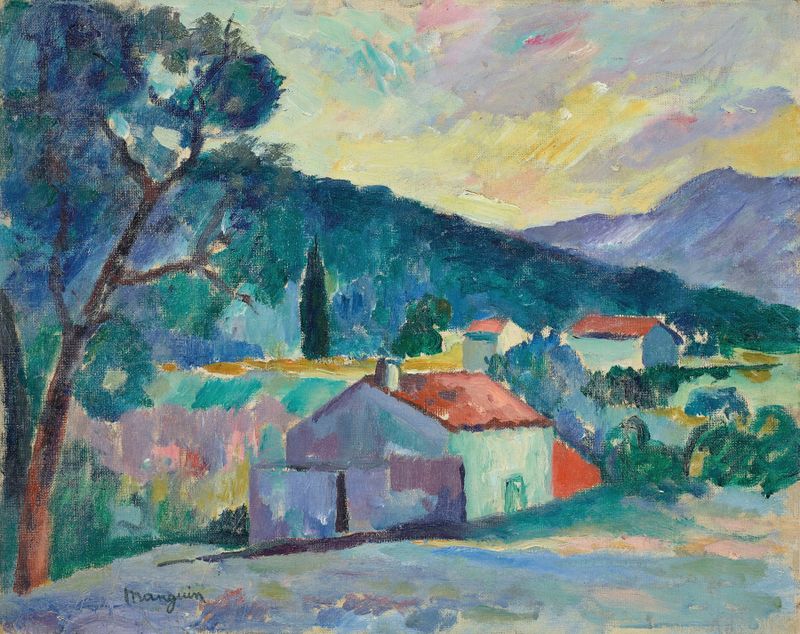
Le Mas à Saint-Tropez
Henri Manguin
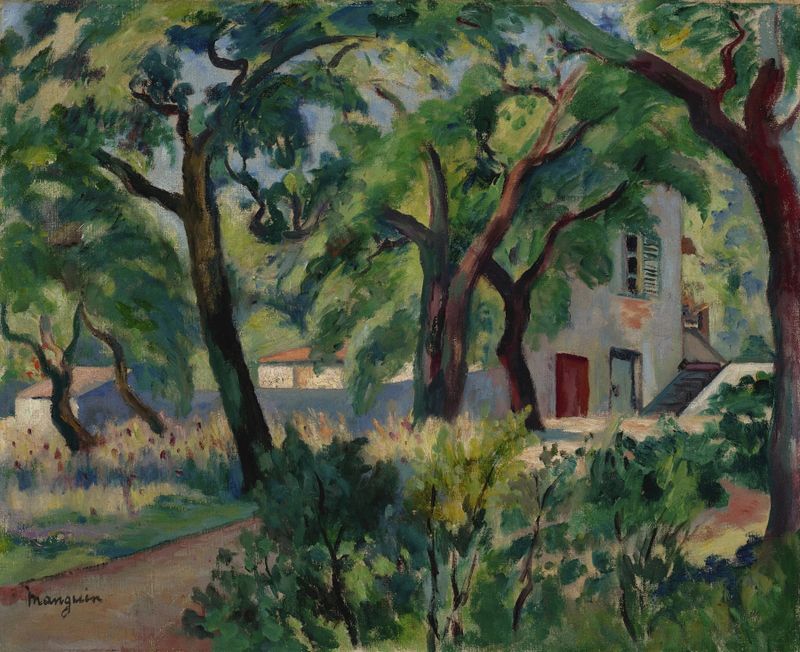
La Maison dans la forêt, Saint-Tropez
Henri Manguin

Le Chemin derrière l’Oustalet, Saint-Tropez
Henri Manguin
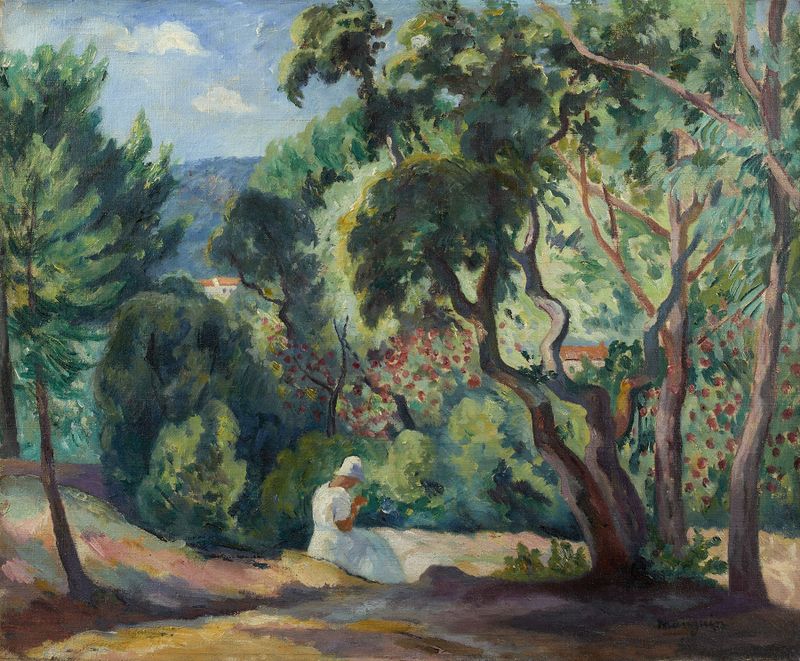
Sous-bois à la Moutte, Saint-Tropez
Henri Manguin
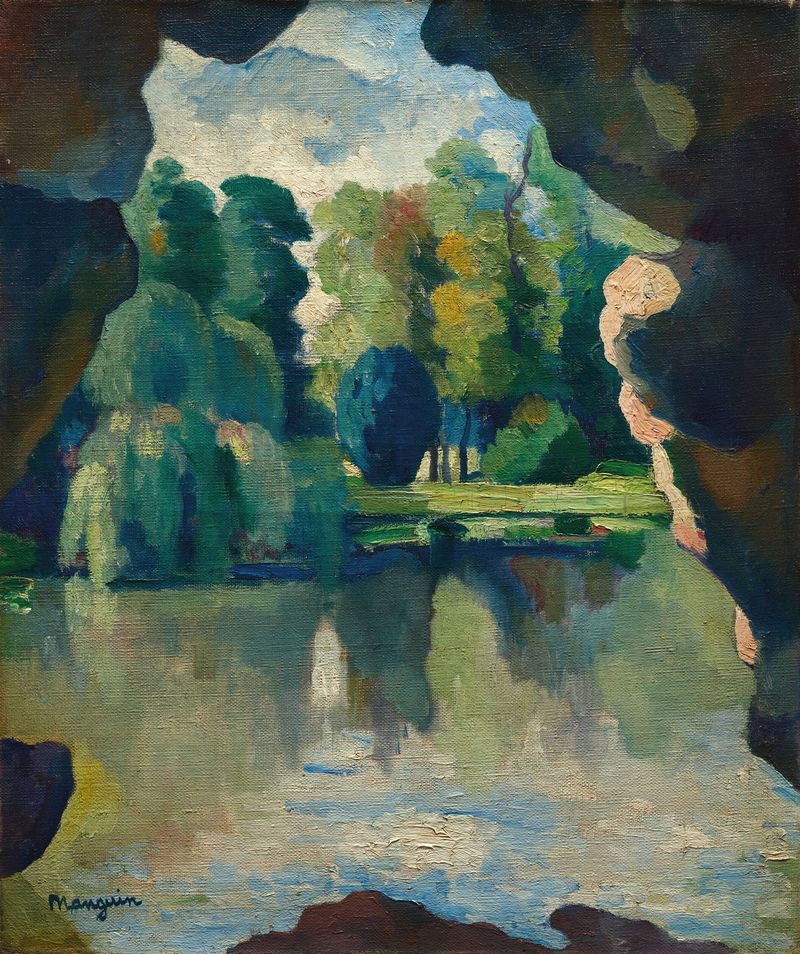
Le Lac de Bagatelle, Bois de Boulogne
Henri Manguin

Le Palais des Papes – Avignon
Henri Manguin

Paysage Beauce
Henri Manguin

Voiliers à marée basse
Henri Manguin





