Le Louvre et la Galerie du bord de l’eau, vus du Pont-Neuf — History & Facts
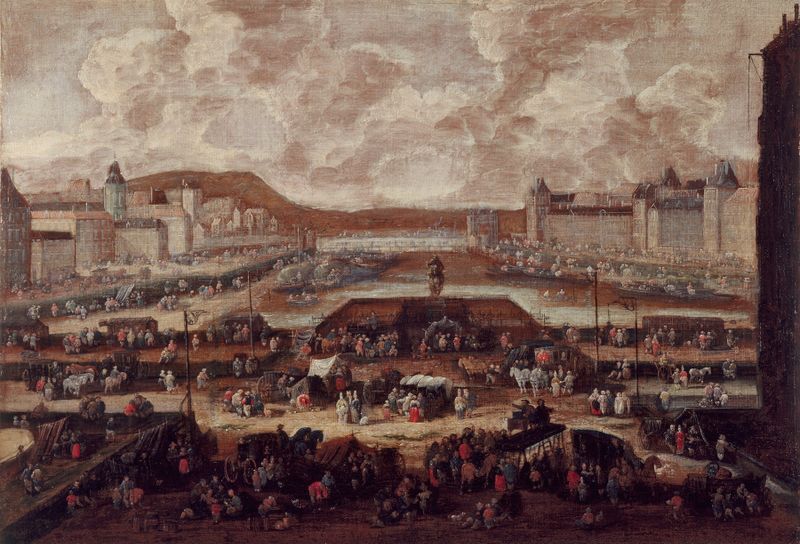
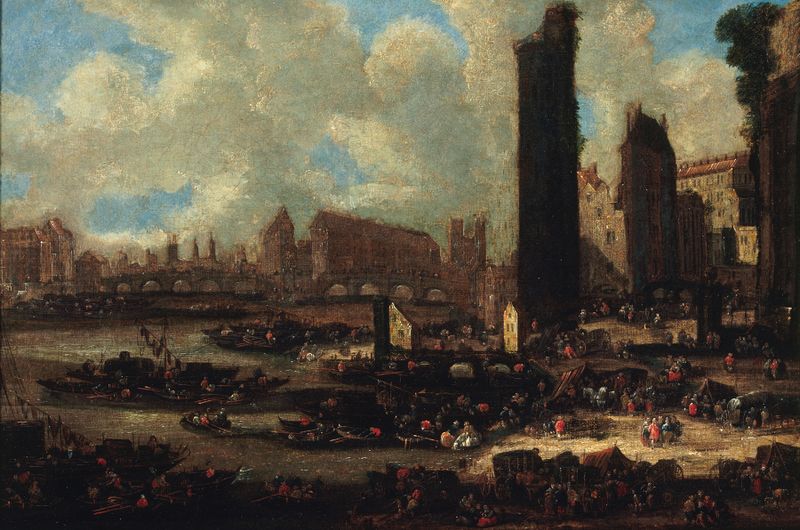
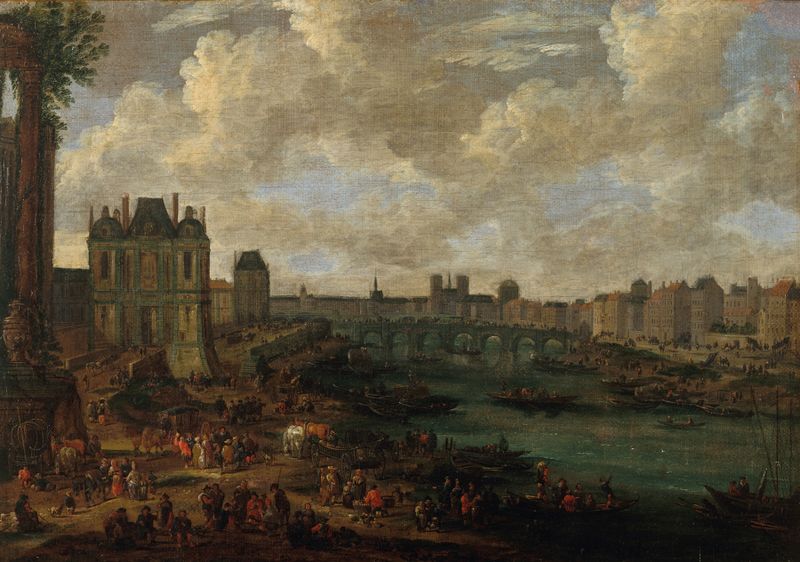
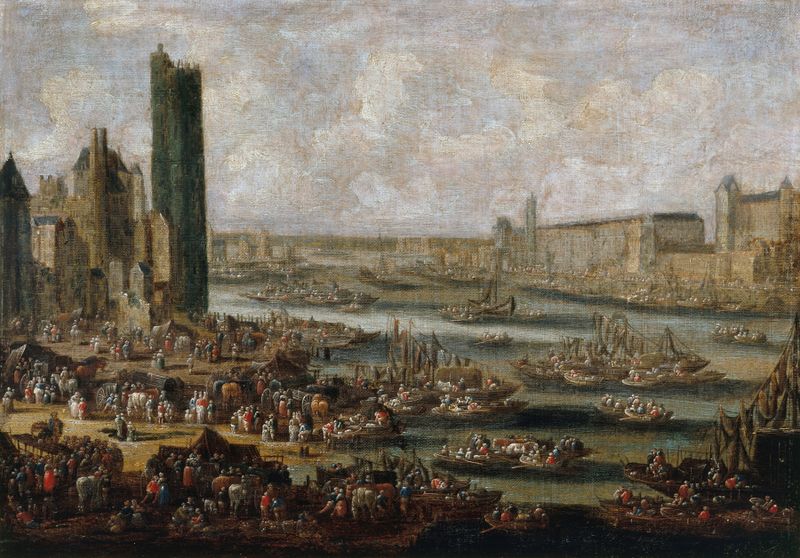
Can paint confess what words never could? In a moment frozen in time, the delicate interplay of light and shadow unveils the fragility of existence itself. Look to the left at the serene ripples of the Seine, where the reflections of the Louvre and its gardens dance lightly upon the water's surface. The artist's brushstrokes capture the ethereal quality of the scene, blending soft blues and greens to evoke a tranquil atmosphere. Notice how the golden hues of the sun filter through the clouds, illuminating the architecture’s grandeur while simultaneously creating a sense of vulnerability within the vastness of the city. As you gaze deeper, observe the juxtaposition between the grandiosity of the Louvre and the gentle, whispering water below.
This contrast speaks volumes about the transient nature of beauty, hinting at the impermanence of human creations. The scene conveys a profound sense of peace, yet it simultaneously evokes a deep-seated awareness of the fragility of life and art, reminding us that even the mightiest structures are subject to the passage of time. Pieter Casteels painted this work in 1650 while living in Paris, during a period when the city was evolving culturally and artistically. The mid-17th century was marked by Baroque influences and the burgeoning exploration of landscapes, revealing a shift toward capturing the interplay of nature and architecture.
Casteels, often celebrated for his landscapes, sought to document this changing world, leaving us with a poignant reflection on the beauty and transience of the scenes he cherished.