Le Pont-Neuf, la Cité, la Tour et la Porte de Nesle — History & Facts
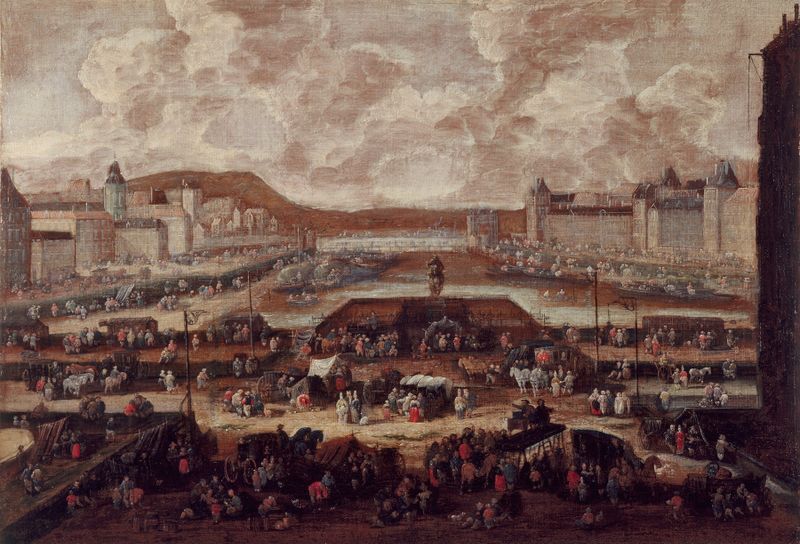
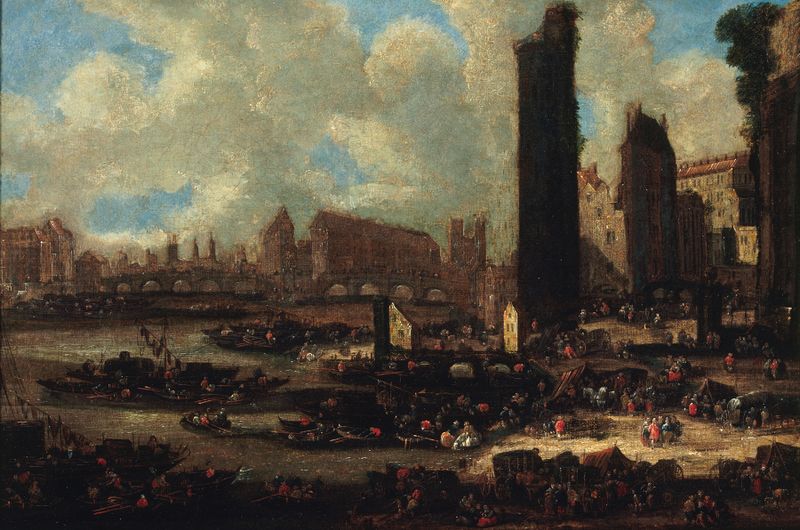
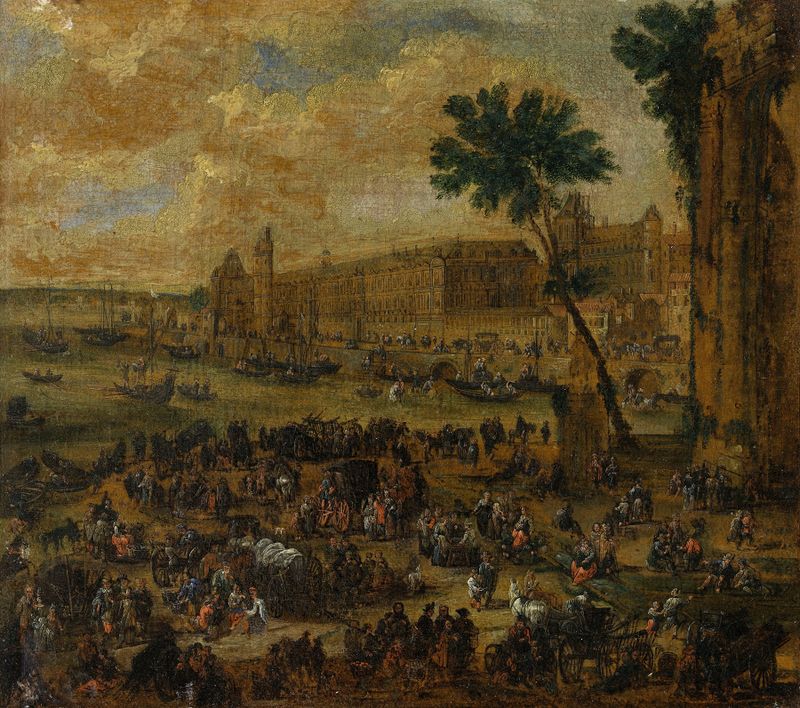
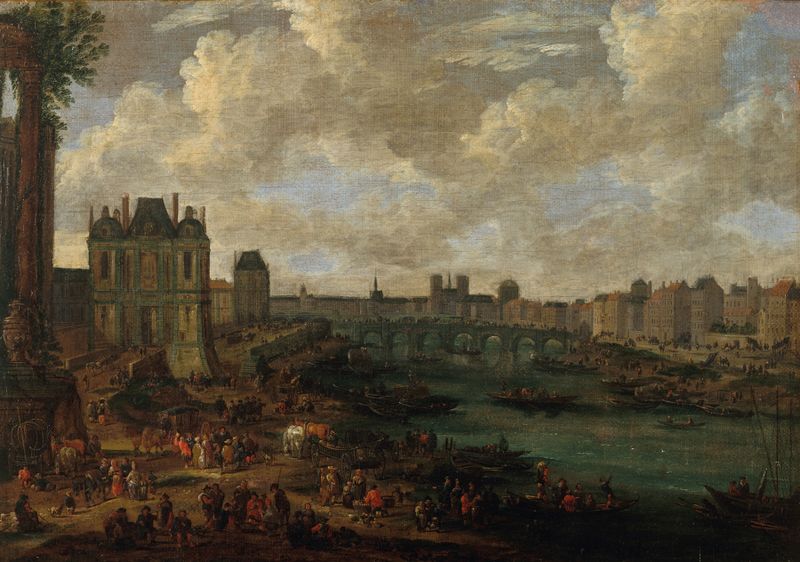
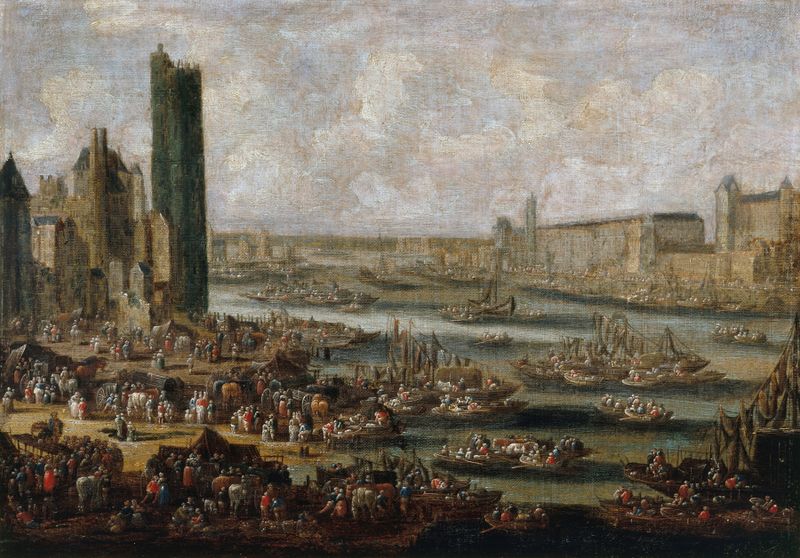
In the stillness of this moment, the echo of life pulses through the canvas, beckoning the viewer to confront the void within and around them. Look to the left at the intricate depiction of the Pont-Neuf, its arches gracefully sweeping across the water, while the soft hues of the late afternoon light dance upon the Seine. Notice how the gentle brushstrokes combine to create a luminous effect, capturing the reflections in the river’s surface, merging earth and sky. The palette, dominated by earth tones and flecks of gold, imbues the scene with a warm nostalgia, inviting you to linger in its beauty. Delve deeper, and you’ll uncover the emotional tension nestled within the serene façade.
The distant figures, dwarfed by the grand architecture, seem lost in their own worlds, echoing the isolation often felt in bustling cities. The juxtaposition of the solid stone bridge against the ephemeral water signifies a bridge between permanence and transience, suggesting the fleeting nature of both time and existence. A sense of longing permeates the scene, reflecting the artist's exploration of connection, or perhaps the lack thereof. Pieter Casteels painted this landscape in 1650, a period marked by the flourishing of Dutch art and a growing interest in urban scenes.
Residing in Paris, he captured the essence of the city during a time when it was establishing itself as a cultural center. This work reflects Casteels’ mastery of landscape and architectural portrayal, showcasing not only his skill but also a deep engagement with the evolving narrative of the urban experience.