
Le Louvre et l’Hôtel de Bourbon, vus de la rive gauche — History & Facts
What if beauty was never meant to be finished? In the delicate interplay of light and shadow, Le Louvre et l’Hôtel de Bourbon, vus de la rive gauche invites us to ponder the ephemeral nature of art and architecture. Begin by focusing on the majestic silhouettes that rise against the twilight. Notice how the golden hues of the setting sun glimmer softly on the water's surface, creating a shimmering pathway that leads your gaze toward the storied structures. The meticulous detail of the buildings draws you in, revealing the careful brushwork that captures both the grandeur of the Louvre and the intimacy of the Hôtel de Bourbon.
The painter's choice of palette — warm ochres contrasted with cool blues — envelops the scene in a sense of serene harmony. Yet, beneath this tranquil façade lies a deeper narrative. The juxtaposition of the towering edifices against the tranquil river speaks to the tension between human ambition and the passage of time. The water, ever flowing, reminds us of the fleeting nature of existence, while the buildings stand as testaments to human creativity.
Each brushstroke encapsulates the awakening of a city, breathing life into stone and water, evoking a sense of nostalgia for what was and what might never be fully realized. Reinier Nooms created this evocative piece in 1650, during a time when France was experiencing profound cultural shifts. Living in an era of burgeoning artistic exploration, he sought to capture the essence of his surroundings while art began to embrace realism and perspective. In the midst of a vibrant art scene, Nooms’ work reflects both personal reflection and the evolving identity of Paris, forever bridging the past with the promise of the future.
More Artworks by Reinier Nooms
Browse all →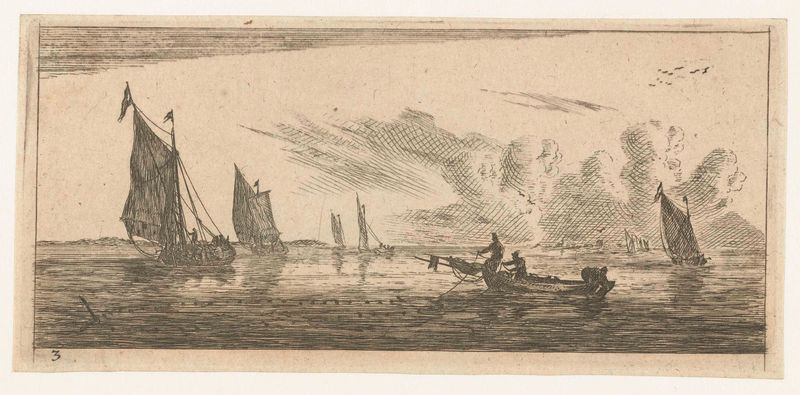
Zeegezicht met verschillende zeilschepen
Reinier Nooms
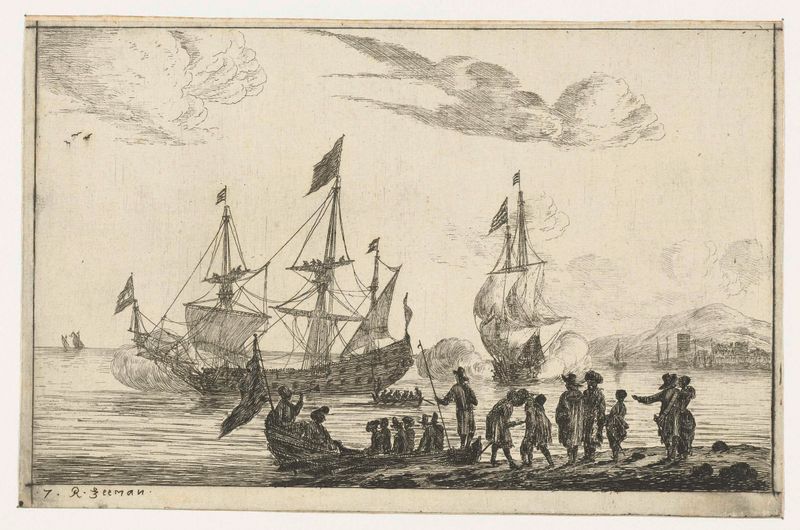
Havenscène met een spiegelsloep
Reinier Nooms
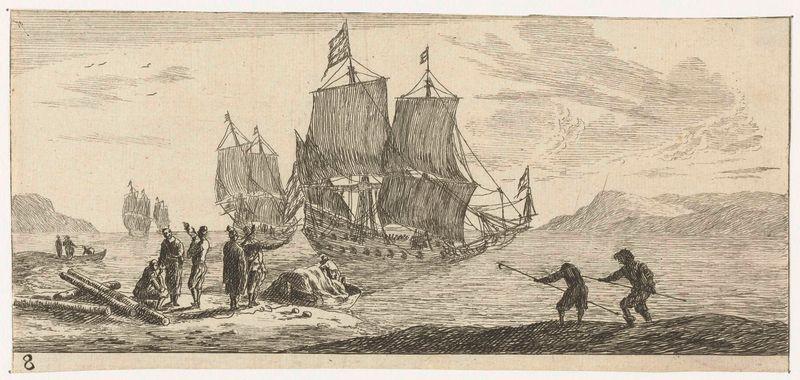
Vier grote zeilschepen in een baai
Reinier Nooms
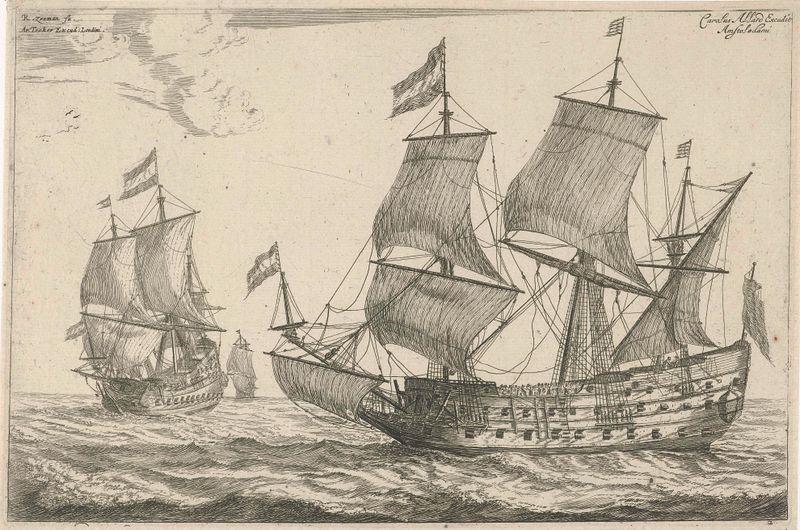
Twee grote oorlogsschepen
Reinier Nooms
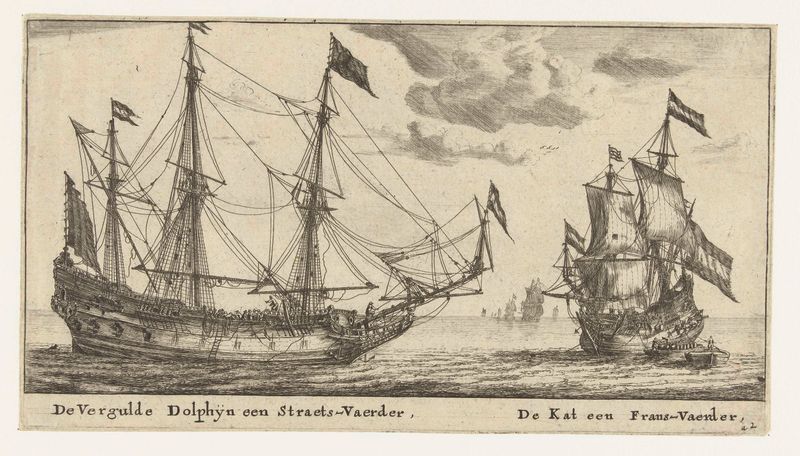
De schepen De Vergulde Dolfijn en De Kat
Reinier Nooms
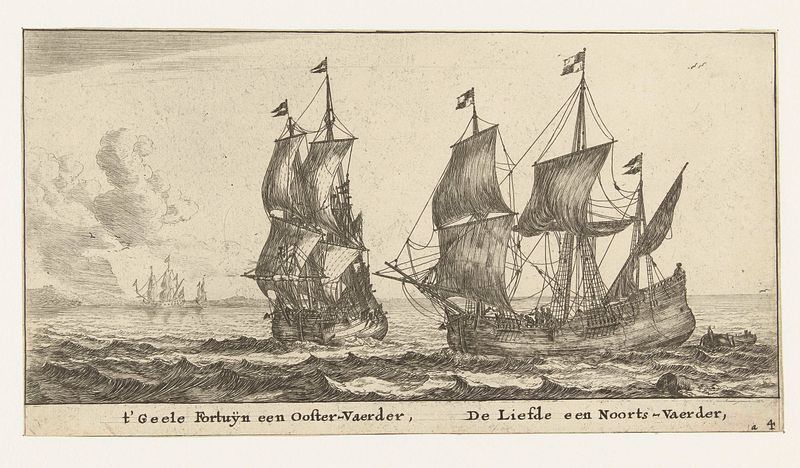
De schepen 't Gele Fortuin en De Liefde
Reinier Nooms
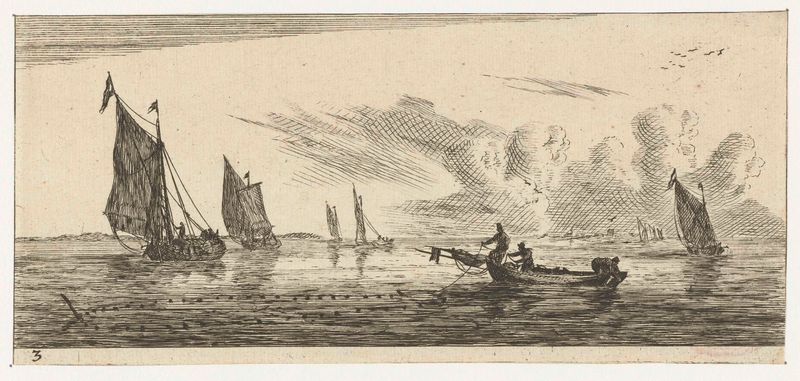
Zeegezicht met verschillende zeilschepen
Reinier Nooms
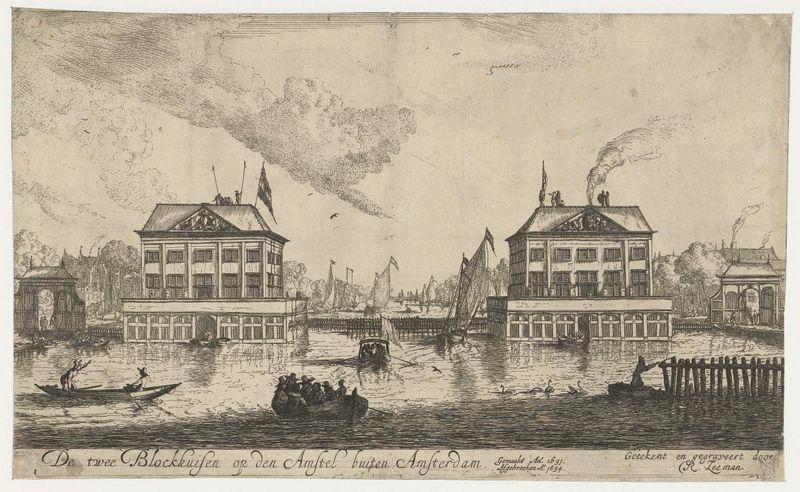
Gezicht op de twee Blokhuizen in de Amstel
Reinier Nooms
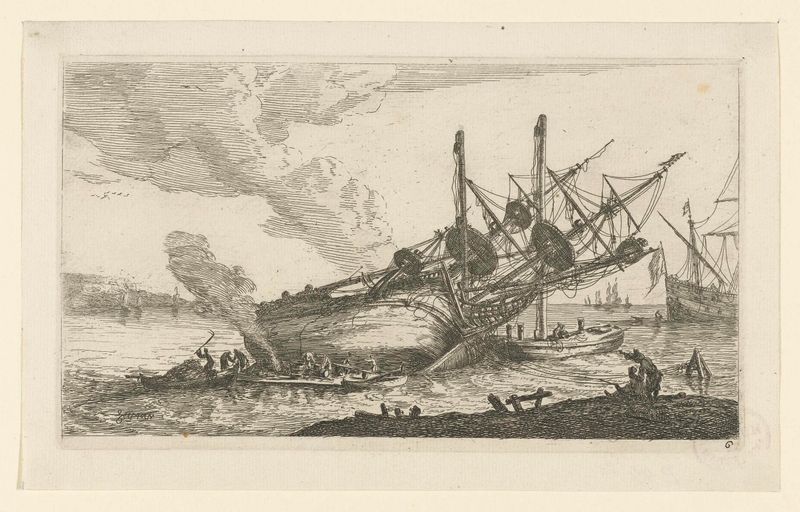
Reparaties aan de romp van een schip
Reinier Nooms
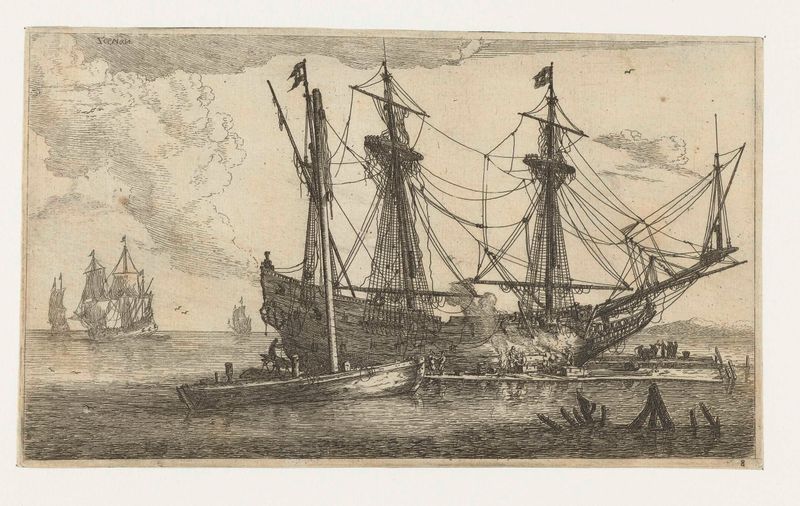
Reparaties aan de romp van een schip
Reinier Nooms





