
Le Moulin du Chapitre a Romorantin — History & Facts
In the world of art, obsession dances on the edge of allure and anguish, a duality that captures the essence of the human experience. Look to the left at the radiant sunlight filtering through the trees, casting an ethereal glow upon the tranquil landscape. The swirling brushstrokes convey a sense of motion that draws the eye toward the central mill, where vibrant greens and golden hues intertwine, inviting the viewer into the intimacy of this serene moment. Notice the delicate interplay between shadow and light; the way the thick, expressive strokes in the foreground contrast with the smoother, more tranquil areas in the background enhances the emotional depth of the scene. Beneath the idyllic surface lies an undercurrent of longing and solitude.
The solitary mill stands as a metaphor for isolation, representing the artist's own struggles with obsession and the pursuit of beauty. The vibrant colors, while captivating, suggest a yearning that transcends the picturesque landscape, hinting at a deeper emotional landscape marred by turmoil and desire. The juxtaposition of the serene setting and the restless energy of the brushwork evokes a sense of tension, as if the beauty of the scene is both a refuge and a reminder of unfulfilled longing. During the time this work was created, the artist was navigating the complexities of the art world in France, grappling with the influences of Impressionism and the rise of modern techniques.
The exact date of this painting remains unknown, yet it reflects a pivotal moment in his career, where personal experiences and artistic ambitions collided, shaping the emotional resonance of his work. Trouillebert's connection to nature and the aspiration to capture fleeting beauty is palpable in this piece, marking a significant point in his artistic evolution.
More Artworks by Paul Désiré Trouillebert
Browse all →
Paysage aux lavandières
Paul Désiré Trouillebert
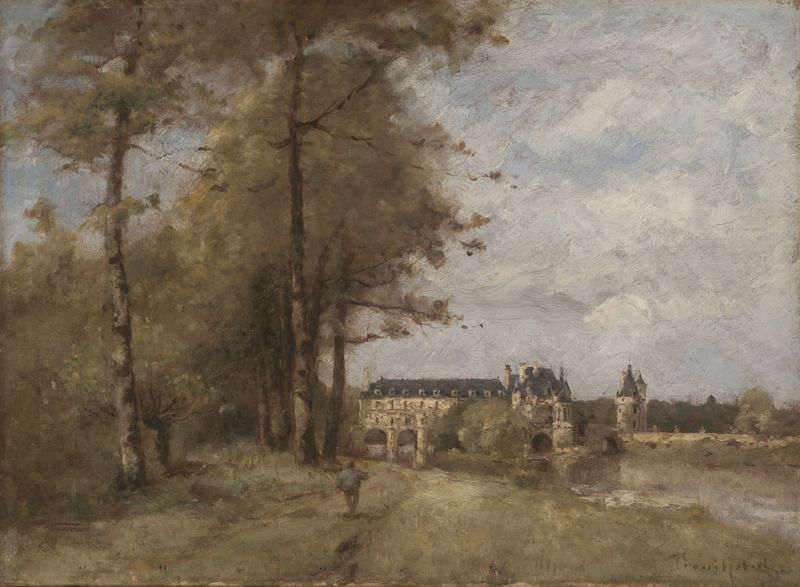
El castillo de Chenonceaux
Paul Désiré Trouillebert
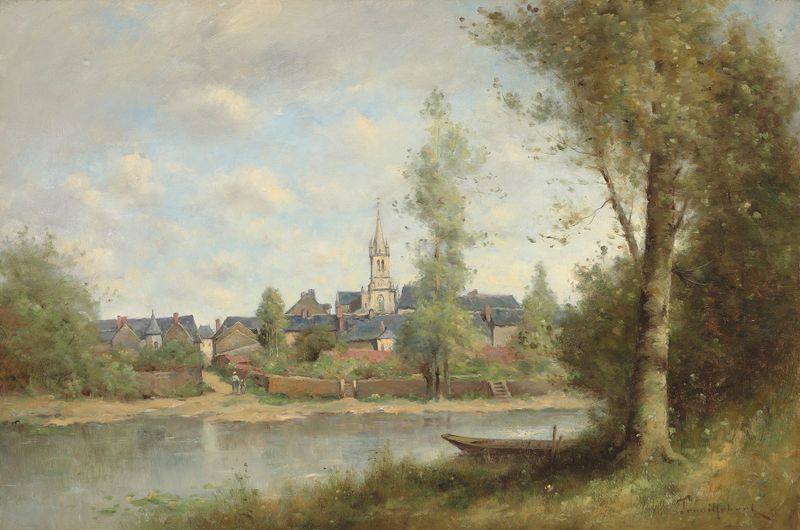
Vue De La Flèche
Paul Désiré Trouillebert

Heimweg am Fluss
Paul Désiré Trouillebert
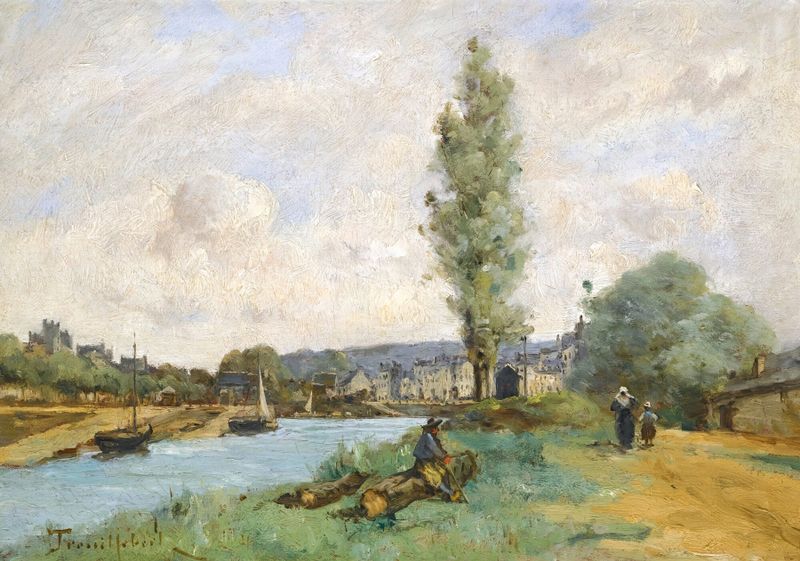
Le Pont De Landernau, Finistere
Paul Désiré Trouillebert
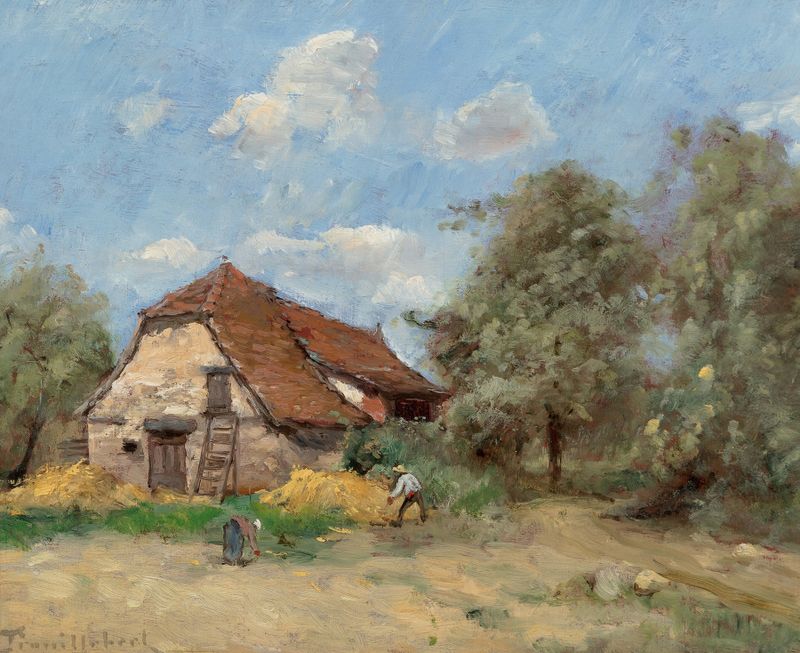
Le faucheur près de la ferme
Paul Désiré Trouillebert
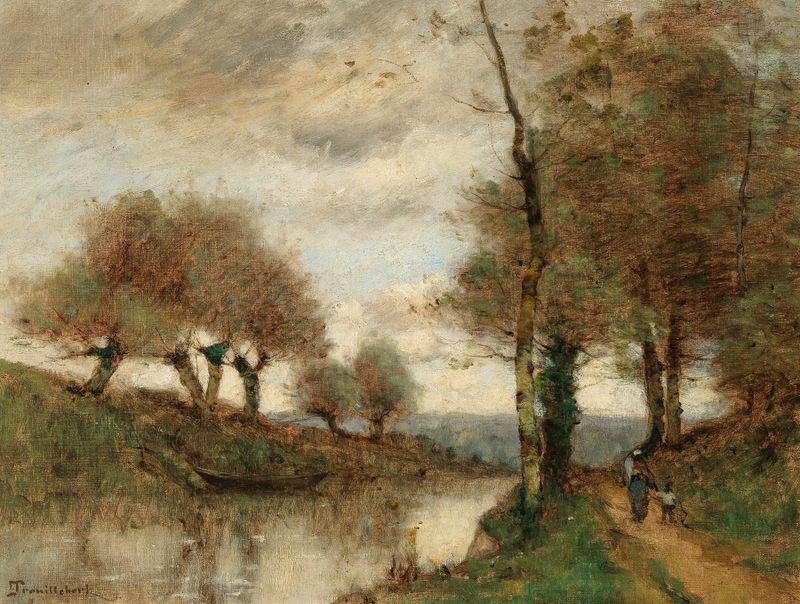
Returning Home along the River
Paul Désiré Trouillebert

Les Fagoteuses Au Bord De L’eau
Paul Désiré Trouillebert
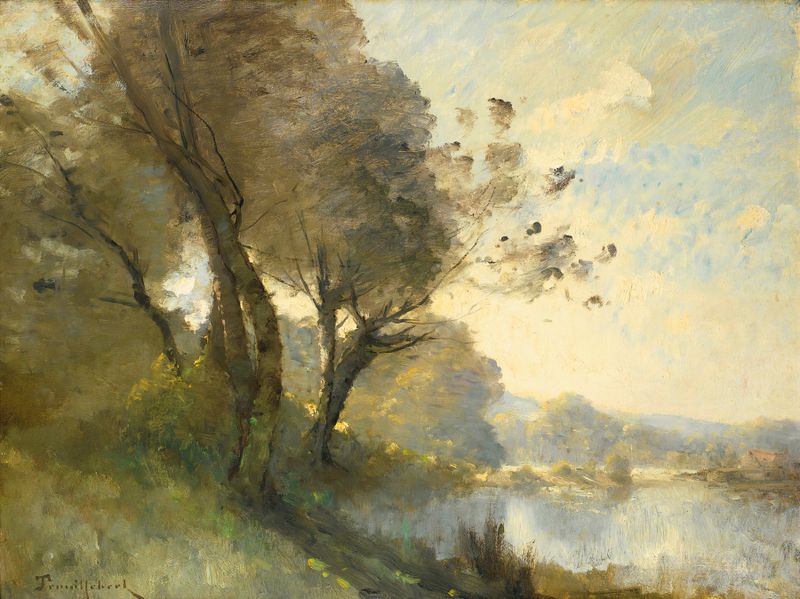
Barrage En Ruine Sur La Vienne
Paul Désiré Trouillebert
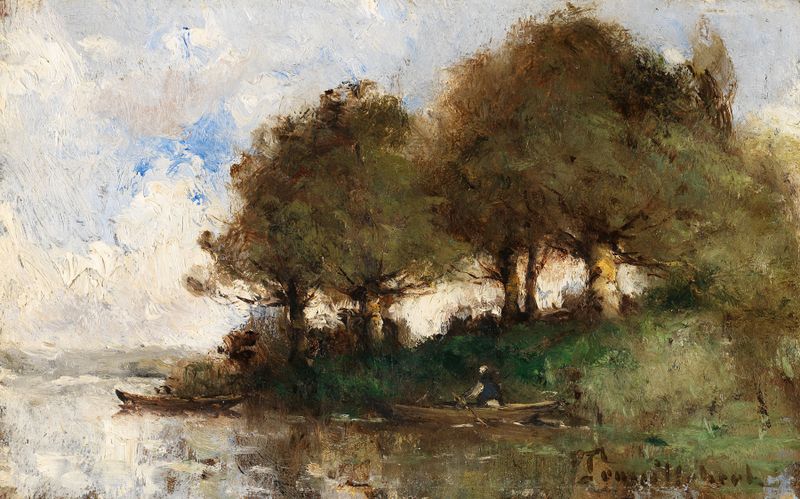
Flussufer
Paul Désiré Trouillebert





