
Le Nouveau Commis — History & Facts
In Le Nouveau Commis, the viewer is greeted by a lively office scene filled with vibrant colors. The central figure, a new clerk, is depicted with a comical expression, surrounded by busy colleagues. The setting is rich with details, showcasing various office items and papers scattered about.
The overall atmosphere is one of humor and bustling activity. The painting is executed in oil on canvas, a medium that allows for rich color and texture. Vibert's technique includes careful attention to the play of light and shadow, enhancing the three-dimensionality of the figures. The composition is balanced, drawing the eye to the central figure while still allowing the surrounding details to contribute to the narrative.
This work exemplifies the Academic style, characterized by its realism and attention to detail. Jehan Georges Vibert was known for his humorous depictions of everyday life, particularly in office settings. Le Nouveau Commis reflects the artist's interest in the comedic aspects of human behavior. An interesting fact about this work is that it captures a moment of transition, highlighting the challenges faced by newcomers in a professional environment.
This theme resonates with audiences, making it a relatable piece even today.
More Artworks by Jehan Georges Vibert

Roll-Call After The Pillage (L’appel Aprés Le Pillage)
Jehan Georges Vibert
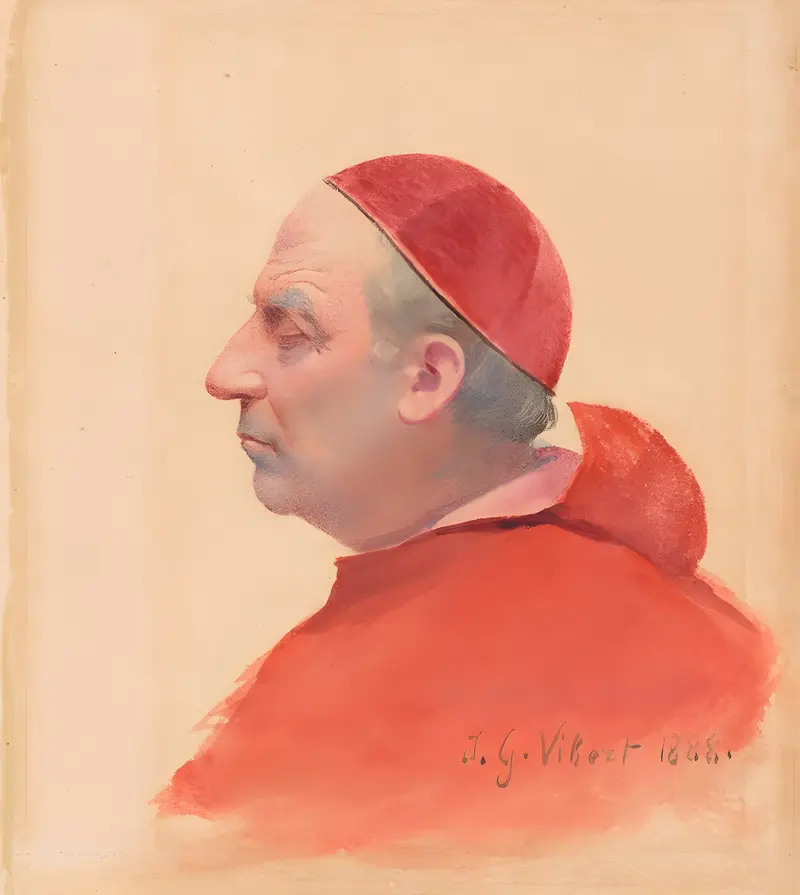
A Cardinal in Profile
Jehan Georges Vibert

Adding Up The Donations
Jehan Georges Vibert
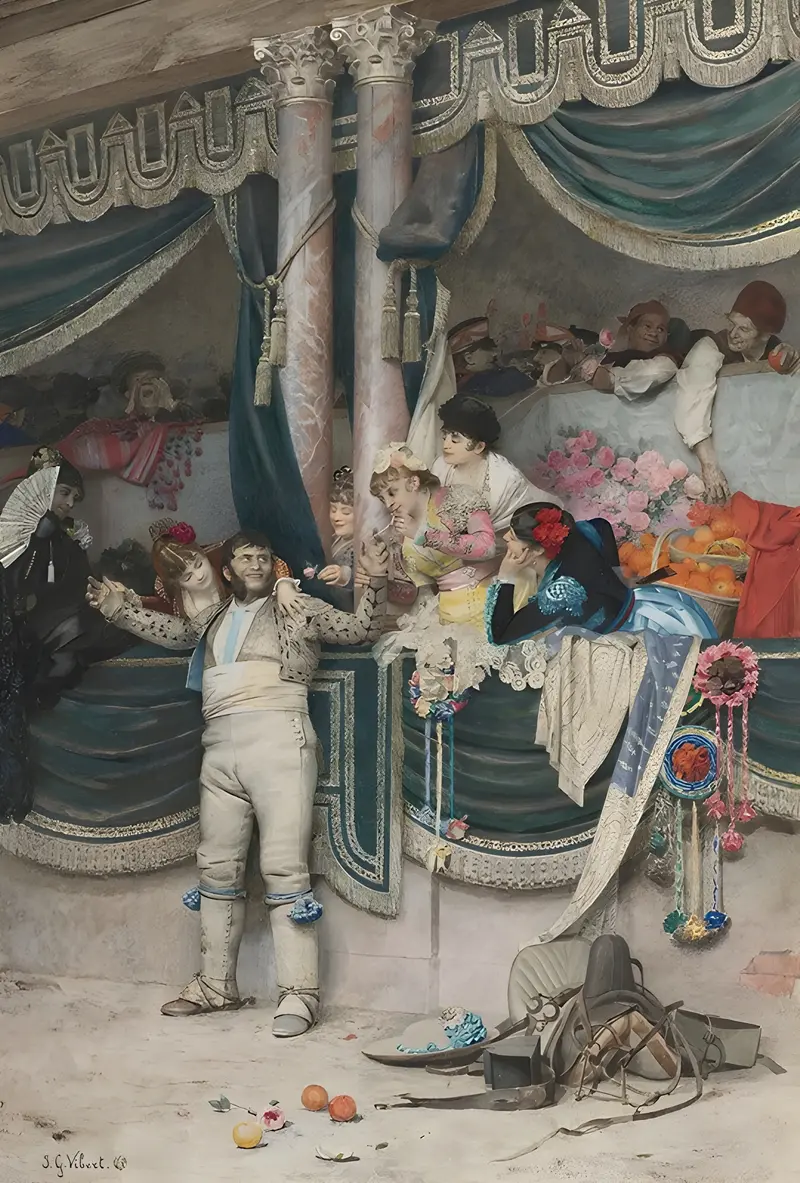
The bullfighter’s adoring crowd
Jehan Georges Vibert
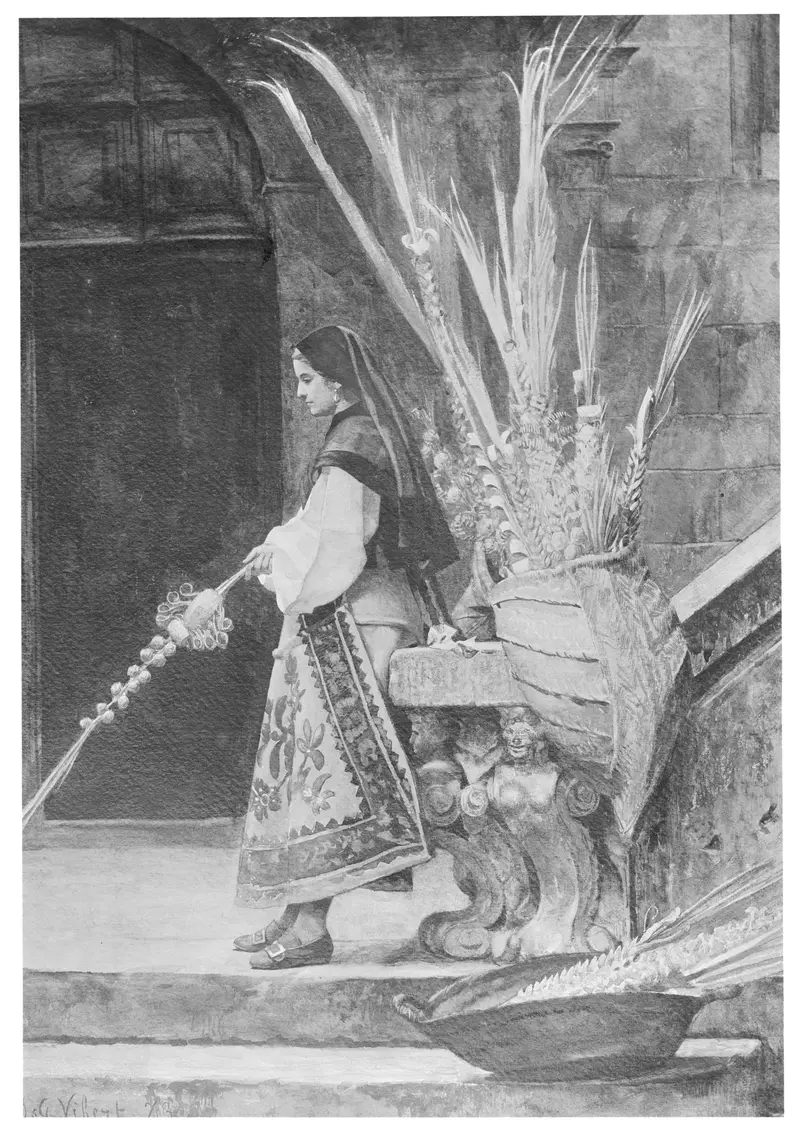
Palm Sunday in Spain
Jehan Georges Vibert
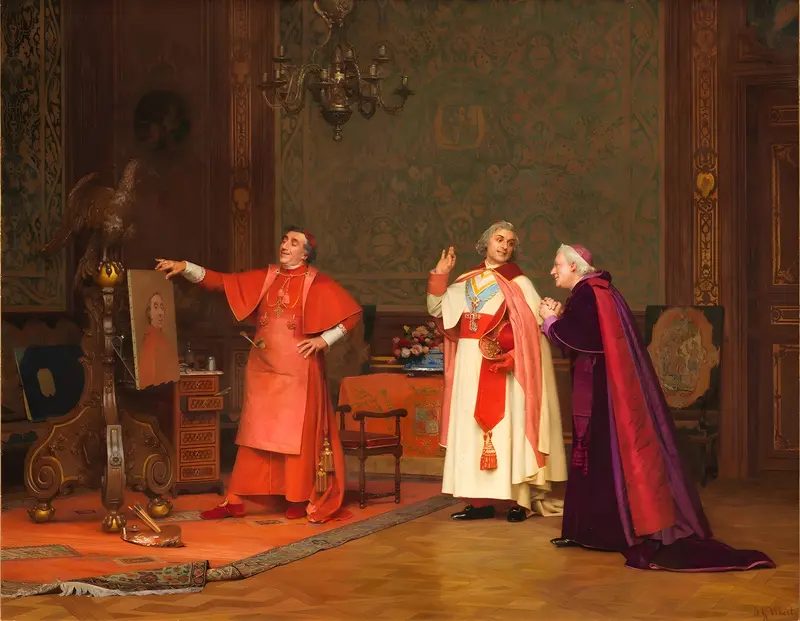
Painted by himself
Jehan Georges Vibert
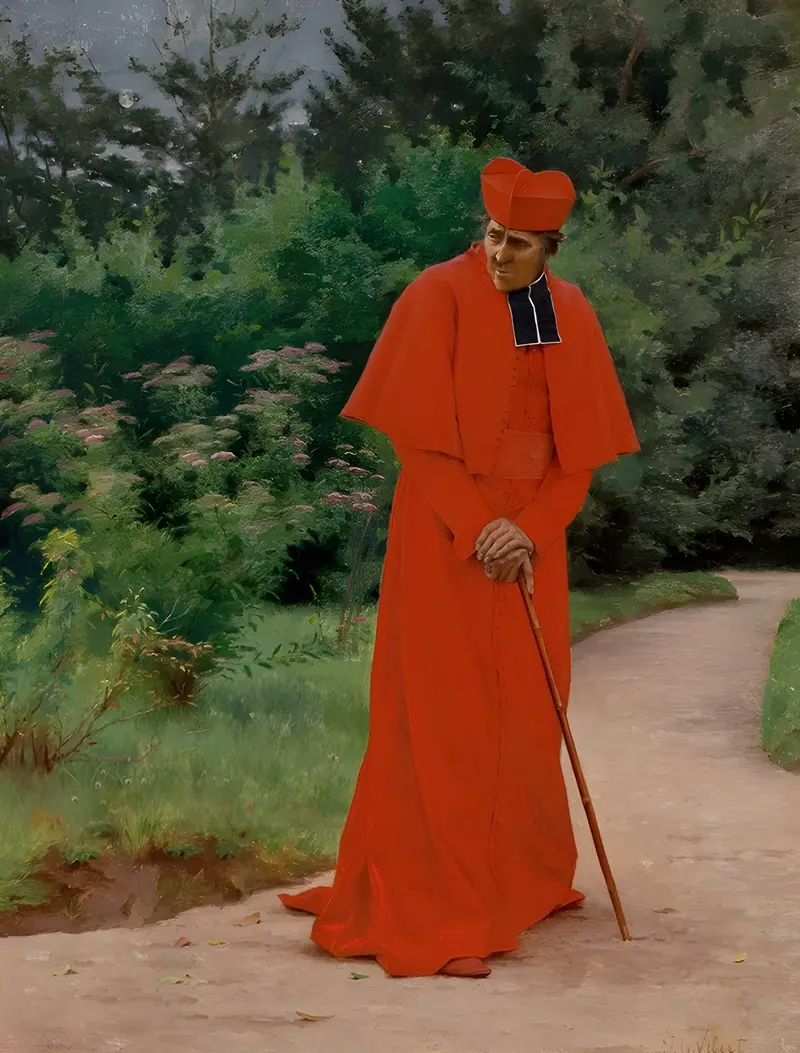
The Cardinal
Jehan Georges Vibert
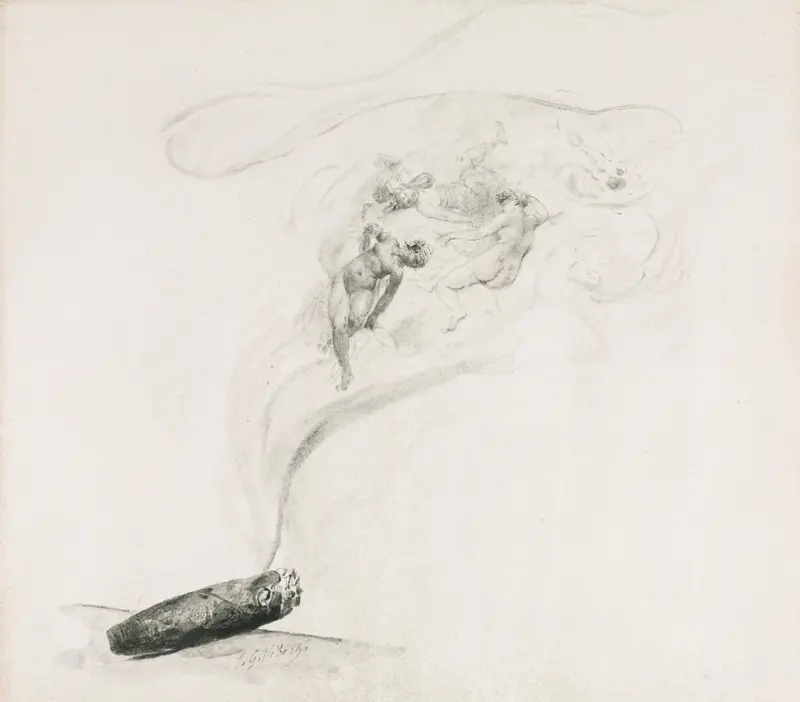
Dans la Fumé
Jehan Georges Vibert
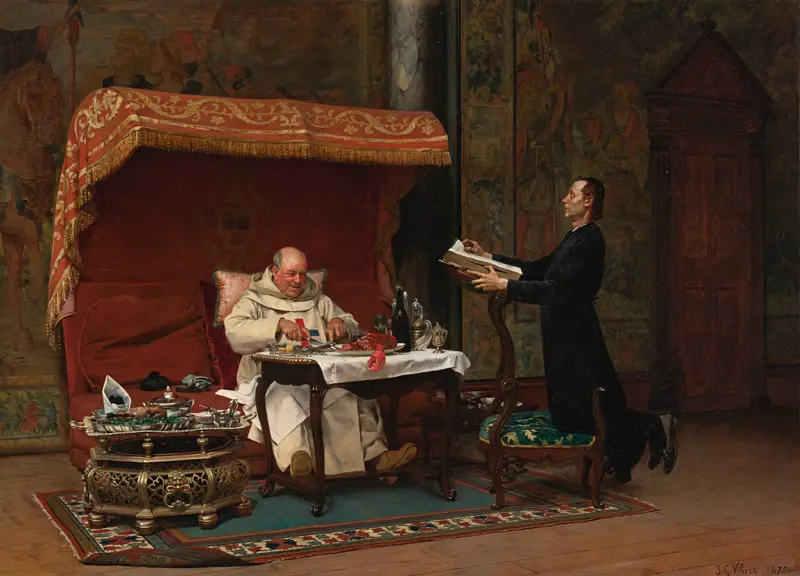
The Canon’s Dinner
Jehan Georges Vibert
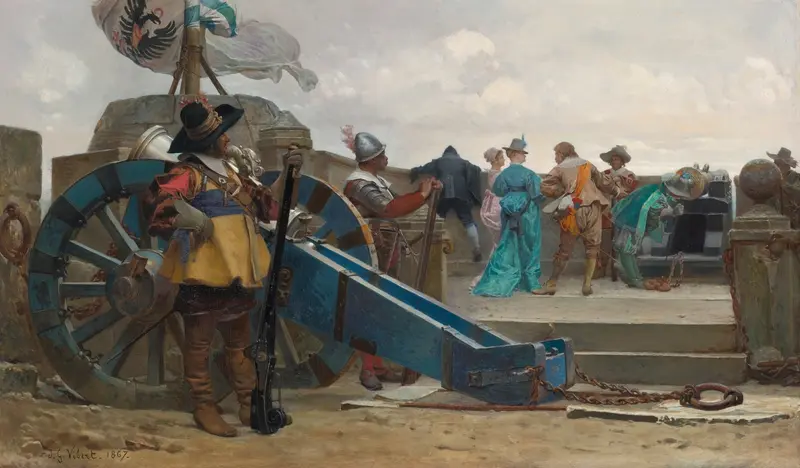
On The Ramparts
Jehan Georges Vibert
More Genre Scene Art

Banquet of the Officers of the St George Civic Guard
Frans Hals

Rembrandt and Saskia in the Scene of the Prodigal Son
Rembrandt van Rijn

Bal du moulin de la Galette
Pierre-Auguste Renoir

Quadrille at the Moulin Rouge
Henri de Toulouse-Lautrec

A Burial at Ornans
Gustave Courbet

When Will You Marry?
Paul Gauguin