Le Parlement, soleil couchant — History & Facts
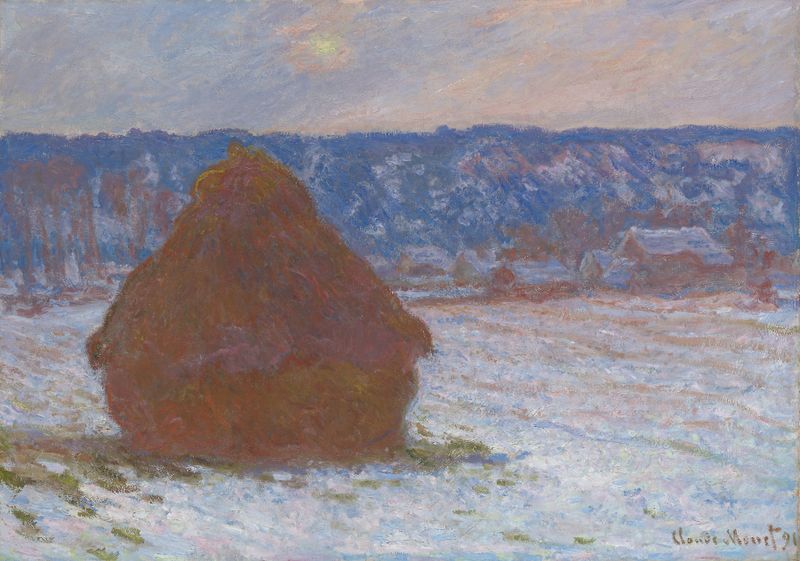
Where does light end, and longing begin? In Le Parlement, soleil couchant, the boundary between day and night blurs, echoing the deep grief that lingers in the spaces we inhabit. Look to the center of the canvas where the silhouette of the Houses of Parliament emerges, shrouded in the soft embrace of twilight. The deep blues and purples of the sky, infused with strokes of fiery orange and gold, evoke a sense of melancholic beauty. Notice how the shimmering reflections dance upon the Thames, transforming the water into a canvas of color and light, blurring reality with impressionistic strokes that suggest motion and emotion in every brushstroke. Yet, beneath this vibrant exterior lies a poignant tension.
The fading sun signifies not only the end of a day but perhaps an end of something more profound—time, connection, life. The contrast between the vibrant hues of sunset and the encroaching darkness speaks to the complexity of grief; it is both beautiful and haunting, a reminder of what is lost and what remains. The scene invites contemplation, nudging the viewer to reflect on their own echoes of longing and remembrance. During the years 1900-1903, Claude Monet painted Le Parlement, soleil couchant while living in Giverny, France.
This period marked a time of personal challenges and artistic evolution, as he sought to capture the changing effects of light and atmosphere. The world around him was rapidly modernizing, yet his work remained anchored in the natural beauty of his surroundings, reflecting his profound feelings and experiences.