
Le Passeur — History & Facts
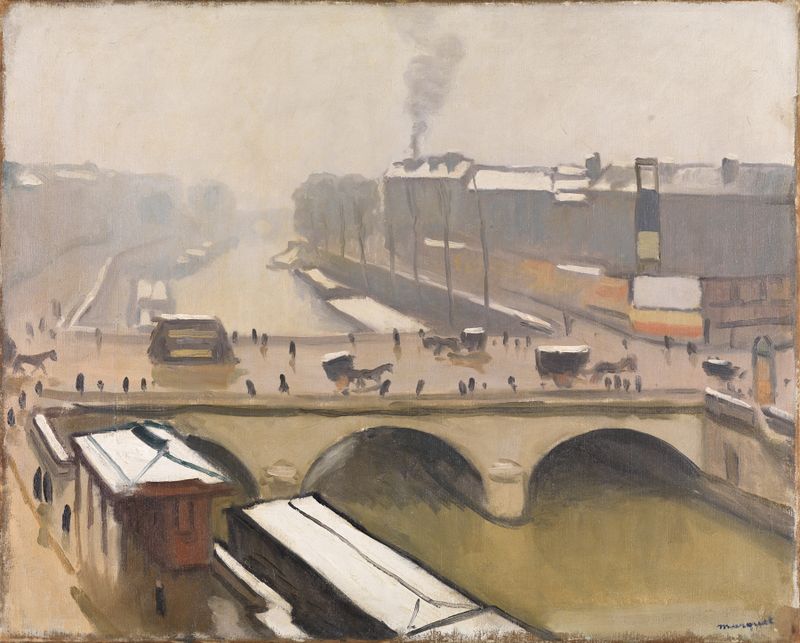
In the quietude of existence, innocence is often shrouded in layers yet to be peeled back. What stories linger unspoken, waiting to be revealed? Look to the foreground, where the gentle strokes of Marquet's brush bring a serene riverbank into focus. The water glimmers under a soft, golden light, reflecting the tender hues of dawn.
Just beyond, a solitary figure crosses the modest bridge, the essence of tranquility embodied in their posture. The fluidity of the brushwork mirrors the lapping waves, while the harmonized palette of greens and blues instills a sense of peace that invites contemplation. Delve deeper, and you’ll find the contrast of solitude against the majesty of nature, suggesting a profound connection between the individual and their surroundings. The figure, though alone, does not seem isolated; rather, they are part of a larger narrative woven intricately into the landscape.
The bridge serves not only as a passage but as a metaphor for transitions—each step taken brings the promise of something new, while the soft clouds overhead hint at the dreamlike state of innocence. In 1926, Marquet painted this work during a time when he was exploring the effects of light and color in his landscapes. Living in Paris yet frequently inspired by the tranquility of nature, he sought to capture fleeting moments of beauty. This piece reflects both his artistic evolution and the growing interest in capturing the essence of life’s quiet moments, connecting with viewers through shared experiences of introspection and peace.
More Artworks by Albert Marquet
Browse all →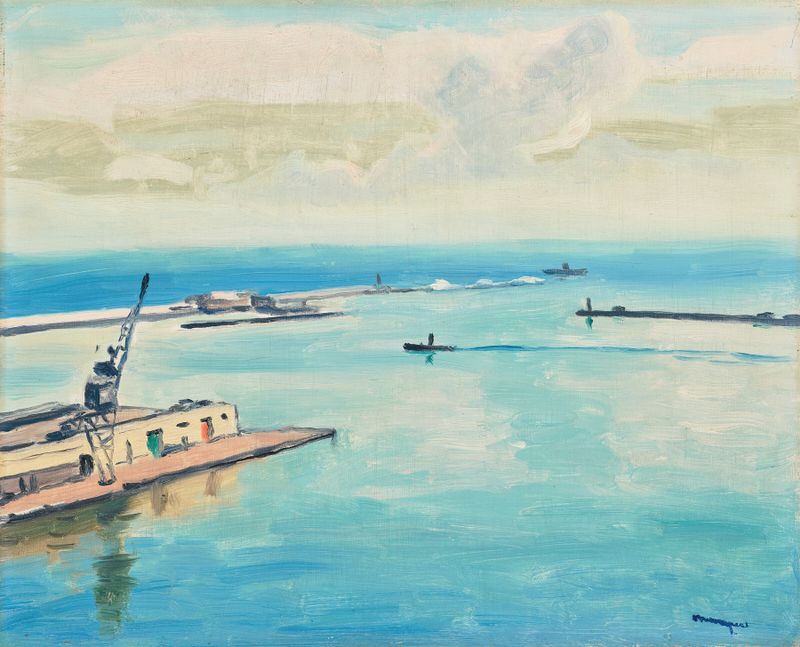
Le Port d’Alger
Albert Marquet
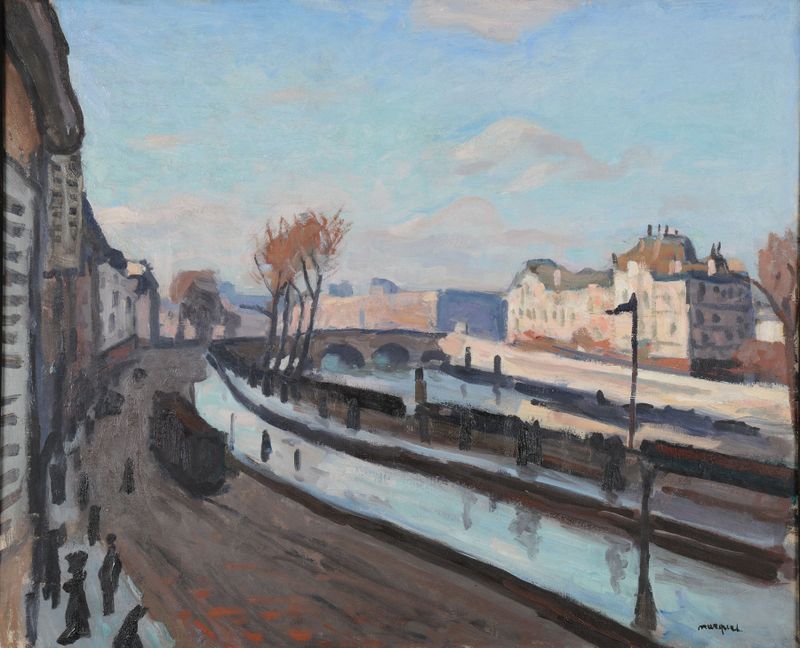
Le quai des Grands Augustins
Albert Marquet
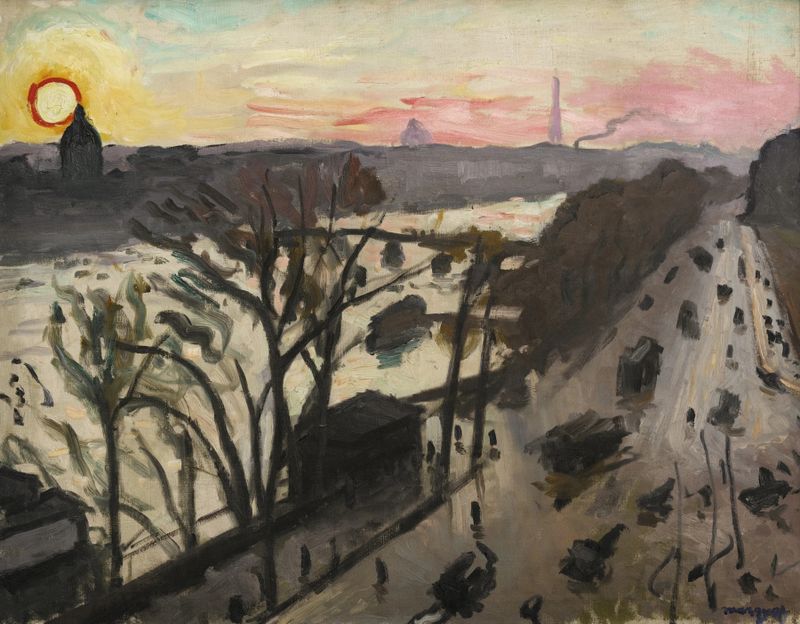
Paris, quai du Louvre, soleil d’hiver
Albert Marquet
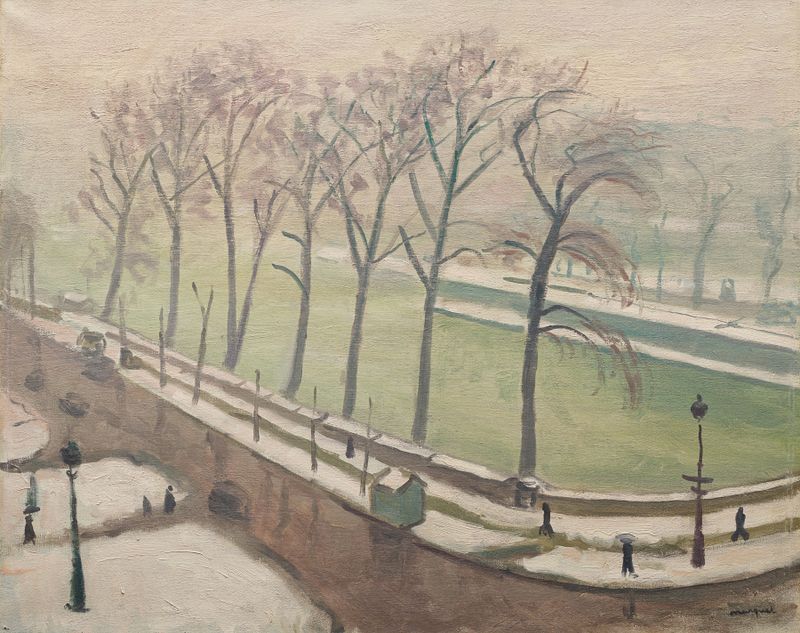
Pont-Neuf sous la neige
Albert Marquet
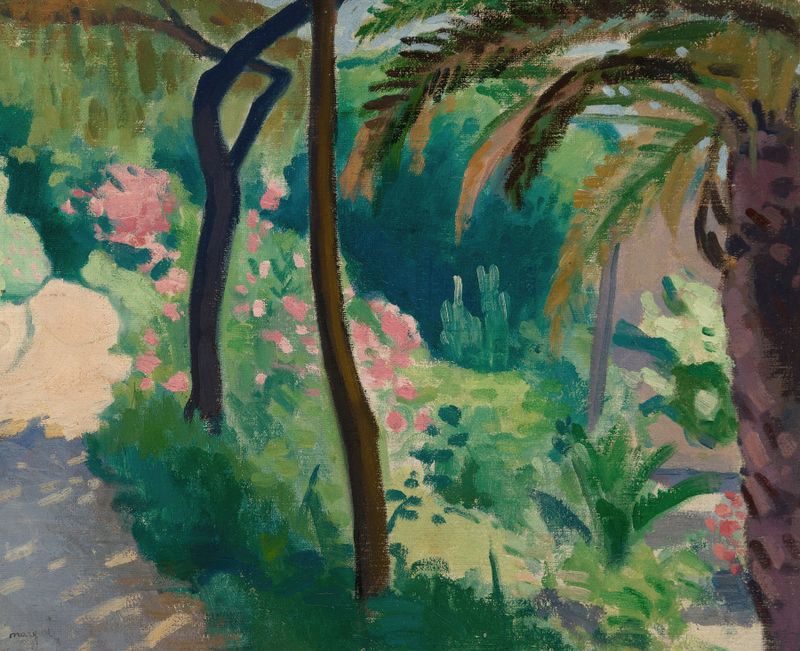
Le jardin à l’Estaque
Albert Marquet
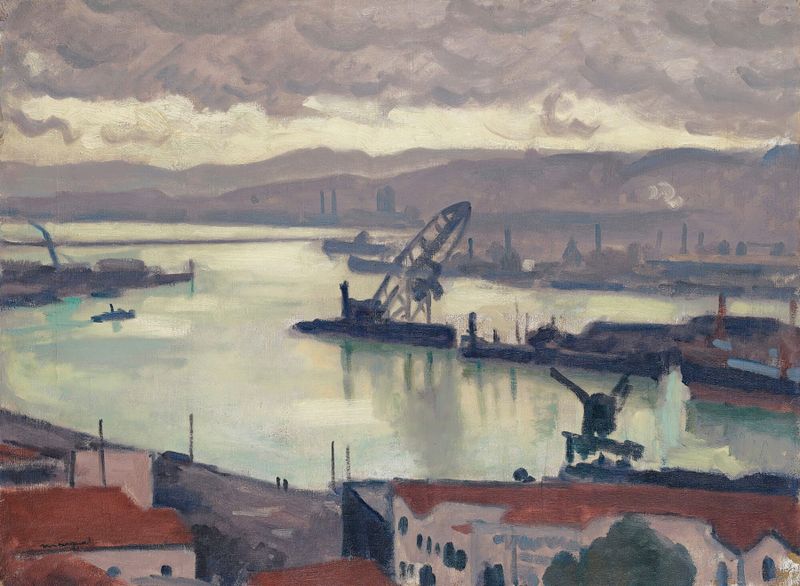
Alger, Temps Gris
Albert Marquet
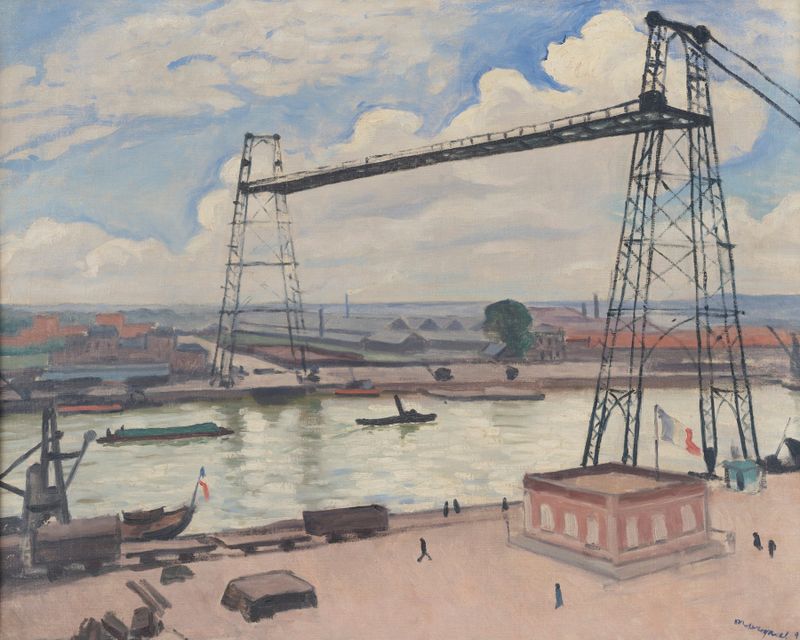
Rouen, le pont transbordeur
Albert Marquet
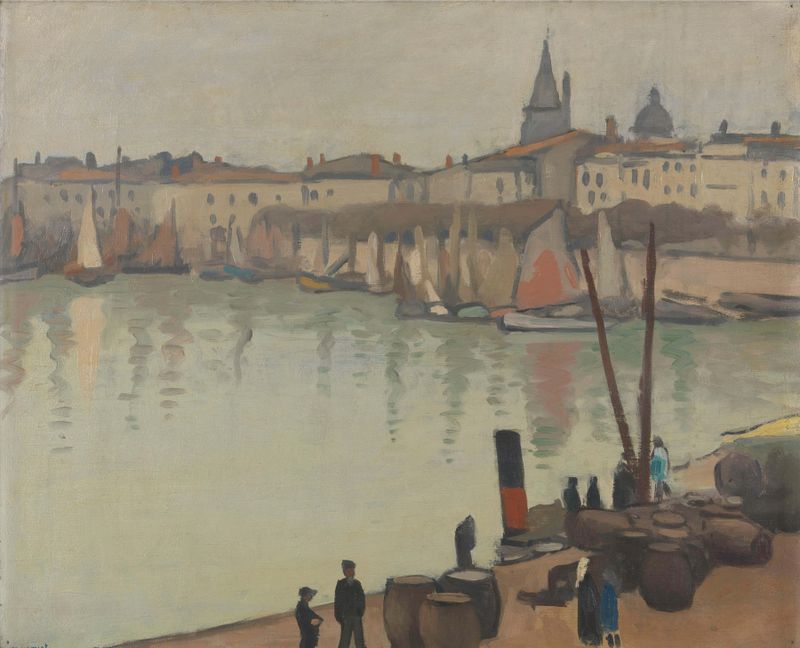
Port of La Rochelle
Albert Marquet

Berge de la Seine à Méricourt
Albert Marquet
View of the Pont Saint-Michel in Paris
Albert Marquet





