
Le pêcheur en barque à la rive — History & Facts
In Le pêcheur en barque à la rive, a dreamlike serenity unfolds, beckoning the viewer into the tranquil realm of the fisherman’s world. This moment holds a quiet promise, where reality and imagination intertwine like the gentle ripples on the water’s surface. Focus on the left side, where the emerald hues of lush foliage frame the scene, creating a vivid backdrop for the lone fisherman in his small boat. Notice how light dances upon the water, illuminating the rippling reflections while subtle strokes of blue and green harmonize in a symphony of color.
The soft brushwork conveys a tenderness in nature—a whispering invitation to step into this serene tableau. Yet, the painting whispers more than tranquility. The solitary figure evokes themes of isolation and contemplation, standing at the threshold between the tangible world and the dreams that linger just beyond the horizon. The boat, though tethered to the earth, seems to drift into a realm of possibility, inviting reflections on the fleeting nature of time and the eternal quest for peace amidst life's currents. During the years 1860 to 1865, Corot painted this work in France, a period marked by his exploration of light and atmosphere as central elements of his art.
By then, he had established himself as a pivotal figure in the Barbizon School, influencing the movement toward realism and en plein air painting. This piece reflects the artist's deep appreciation for nature, capturing both its beauty and its evocative power as he navigated his own artistic evolution amidst the shifts in the art world.
More Artworks by Jean-Baptiste-Camille Corot
Browse all →
View of Genoa
Jean-Baptiste-Camille Corot
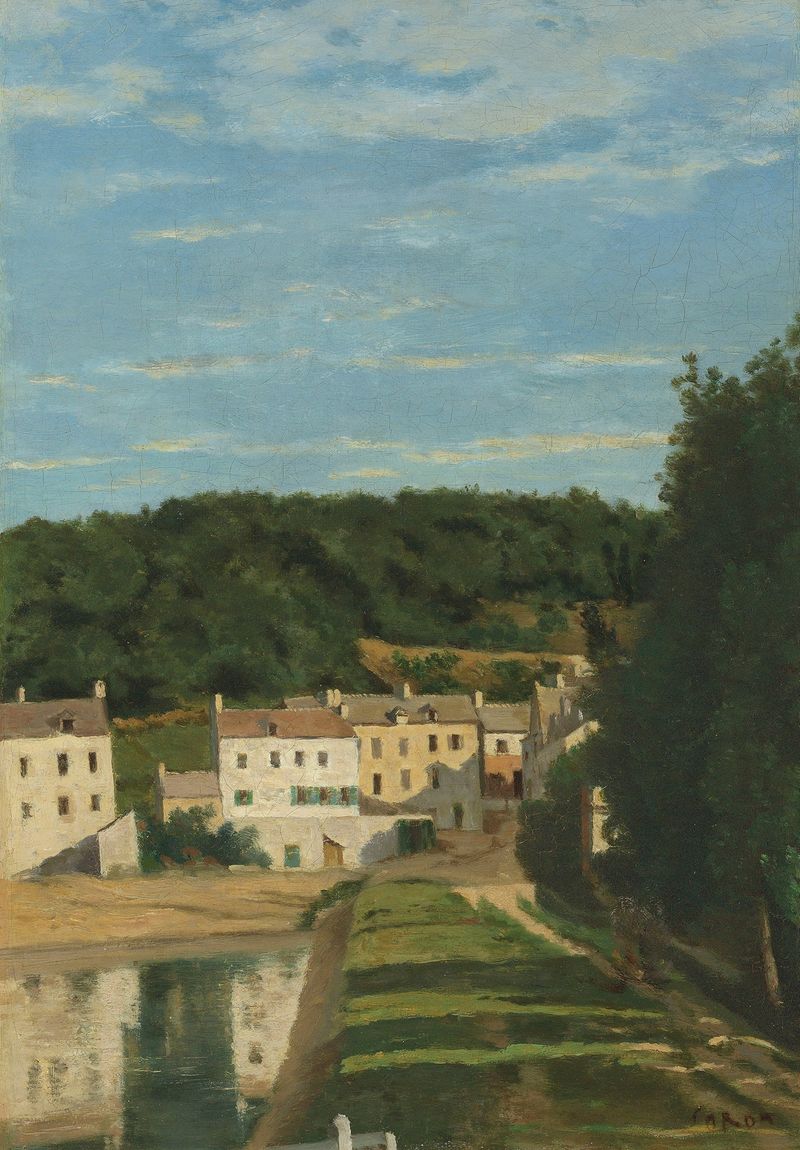
Les Maisons Cabassud À Ville D’avray
Jean-Baptiste-Camille Corot

La solitude. Souvenir de Vigen (Limousin)
Jean-Baptiste-Camille Corot
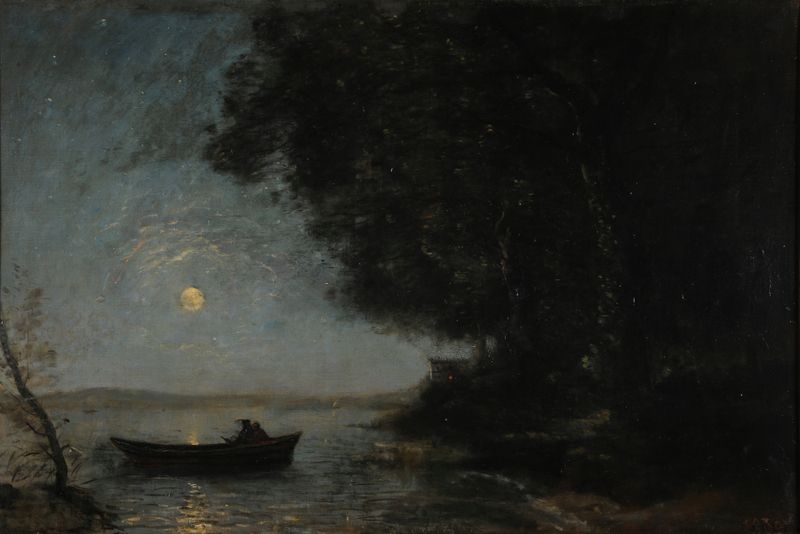
Le lac ; effet de nuit
Jean-Baptiste-Camille Corot
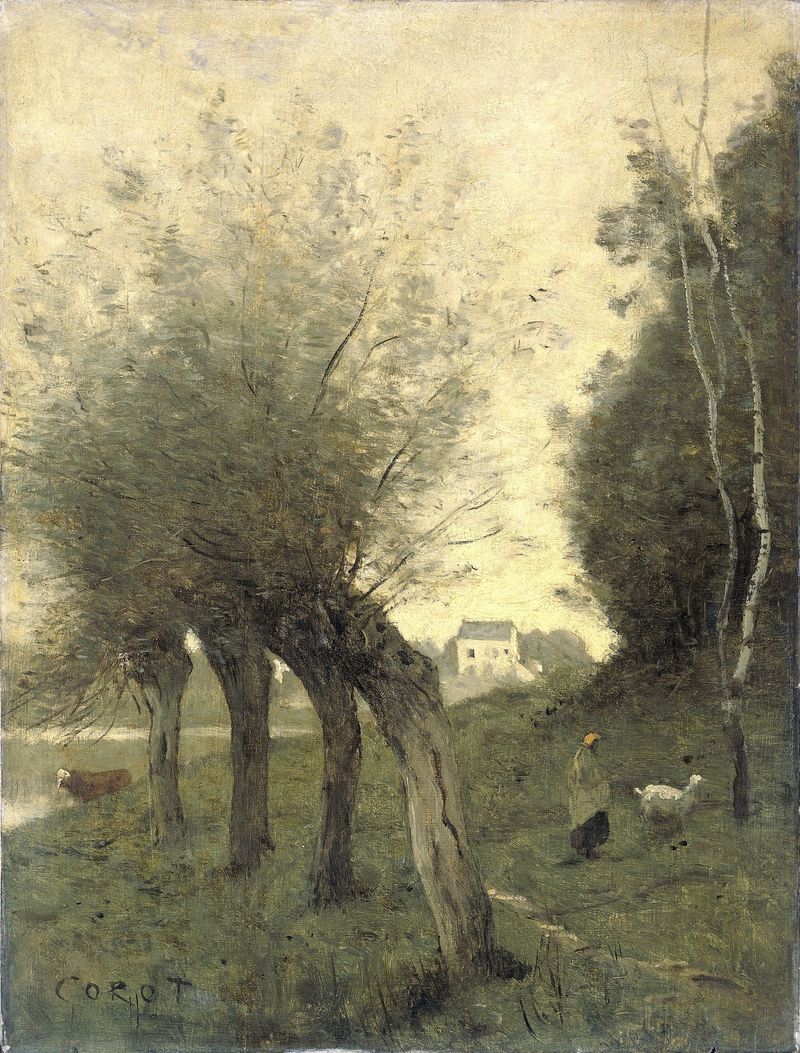
Landscape with Pollard Willows
Jean-Baptiste-Camille Corot
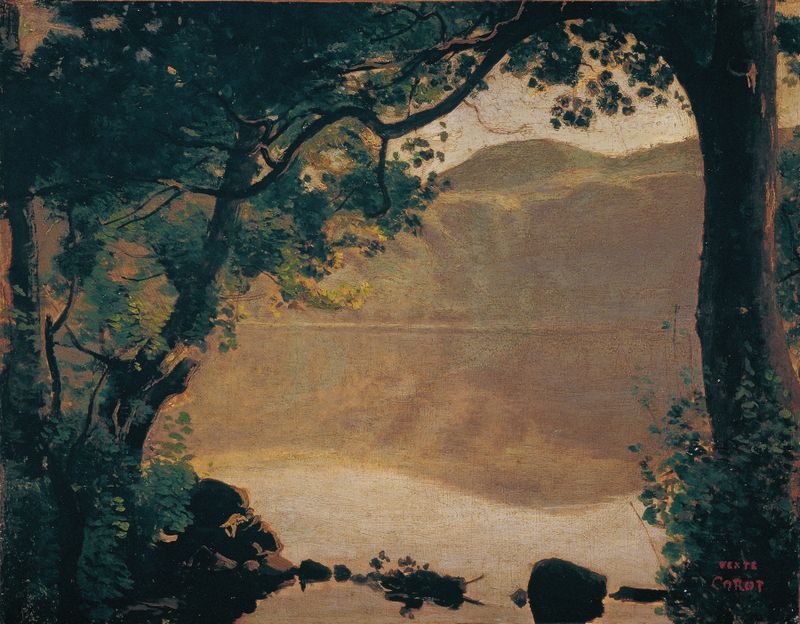
Der Nemisee
Jean-Baptiste-Camille Corot
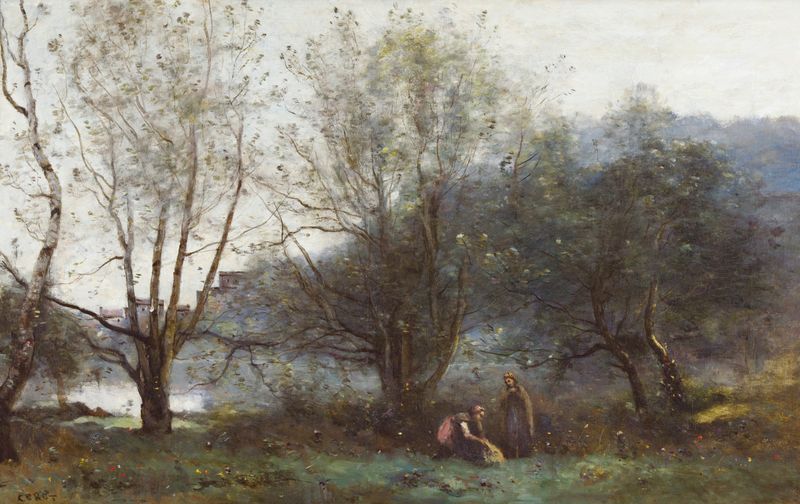
Les Étangs De Ville D’avray
Jean-Baptiste-Camille Corot
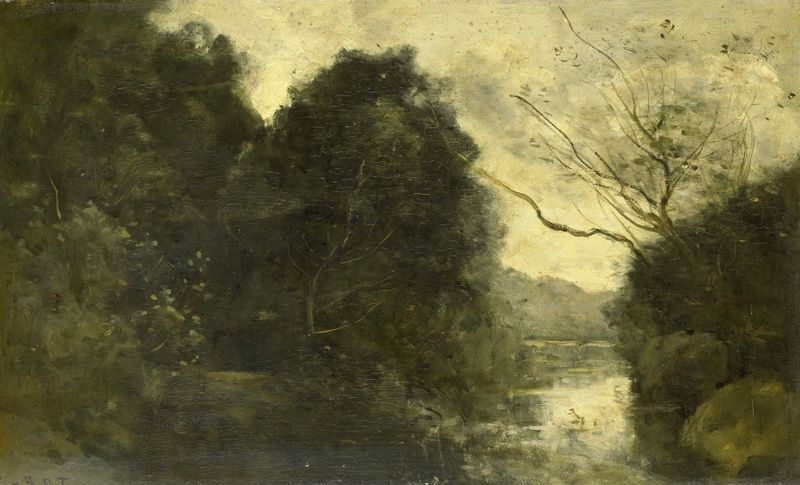
Pond in the Woods
Jean-Baptiste-Camille Corot
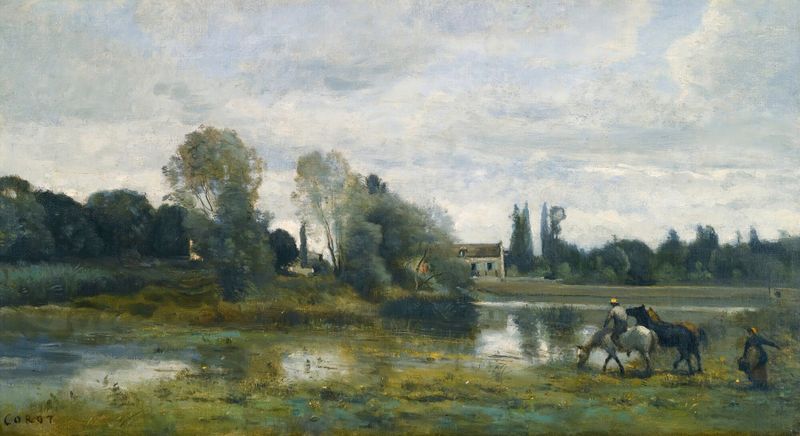
Ville D’avray; L’abreuvoir Des Chevaux
Jean-Baptiste-Camille Corot
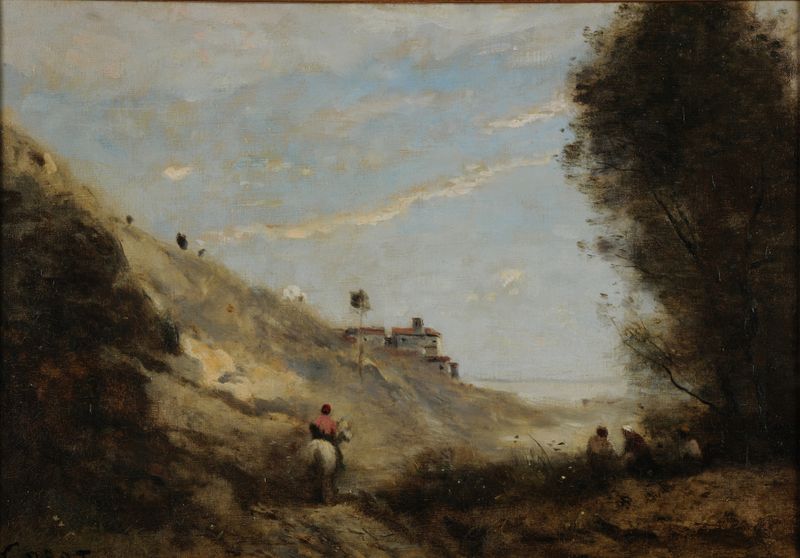
Le vallon au cavalier
Jean-Baptiste-Camille Corot





