Le Petit Coquin — History & Facts
It is the arresting contrast that first catches the eye: a child in a billowing, fiery red dress stands mid-bite, caught in a moment of sweet mischief, while a green parrot leans down from its perch, head cocked in curiosity or complicity. The child’s round, simplified features and the bold, flat colors give the scene a playful immediacy, as if the viewer has stumbled upon a secret in progress. The swirl of the sash and the tilt of the parrot’s beak pull the gaze in a circle, centering the drama on that single, stolen dessert—an act of innocent rebellion, the “petit coquin” of the title.
The background’s deep blue-black lets the figures pop, while the box of treats in the lower corner hints at temptations yet to come. Created in 1905, Le Petit Coquin belongs to the golden age of the French poster, when artists like Leonetto Cappiello transformed city streets with bold, witty images that sold everything from aperitifs to biscuits. Posters of this era were not just advertisements; they were a new kind of public art, commissioned by manufacturers and printed in vibrant lithography to catch the eye of passersby. Cappiello, an Italian working in Paris, was famous for his striking, memorable characters—here, the “little rascal” is both a symbol of childish delight and a clever invitation to indulge.
Preserved today in the Bibliothèque nationale de France, this work remains a testament to the playful spirit and graphic daring that made the Belle Époque poster unforgettable. Let your eye linger on that mischievous glance, and imagine the Parisian boulevards alive with color and appetite.
More Artworks by Leonetto Cappiello

Portrait de Madame Lucien Muhlfeld
Leonetto Cappiello
Séverin
Leonetto Cappiello
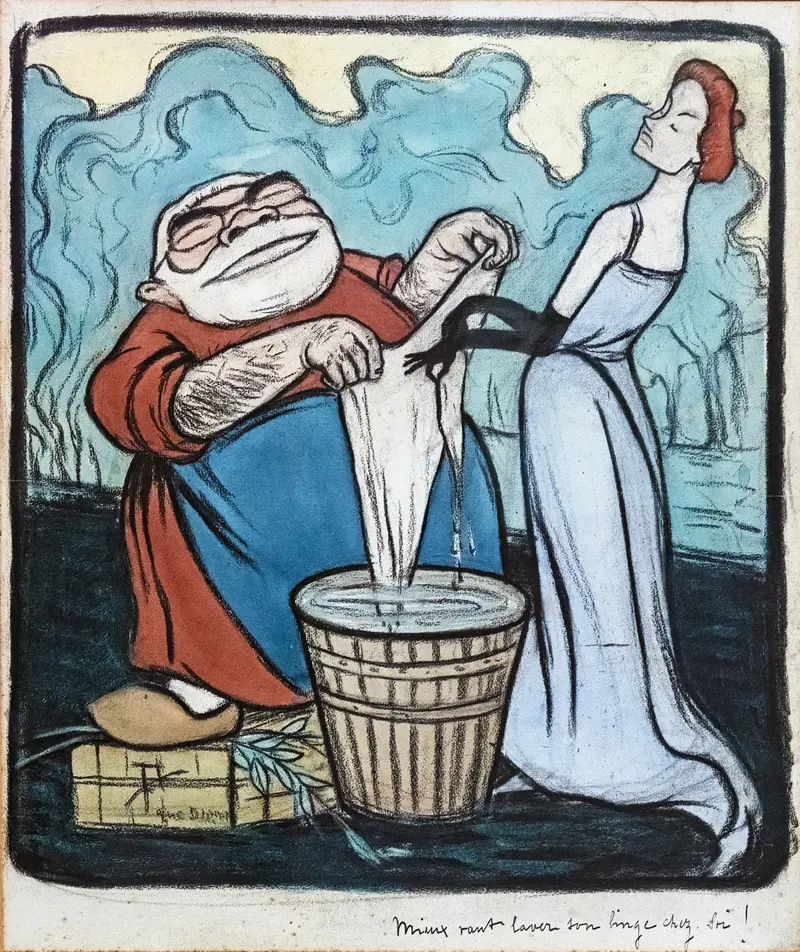
Better to wash your clothes at home!
Leonetto Cappiello
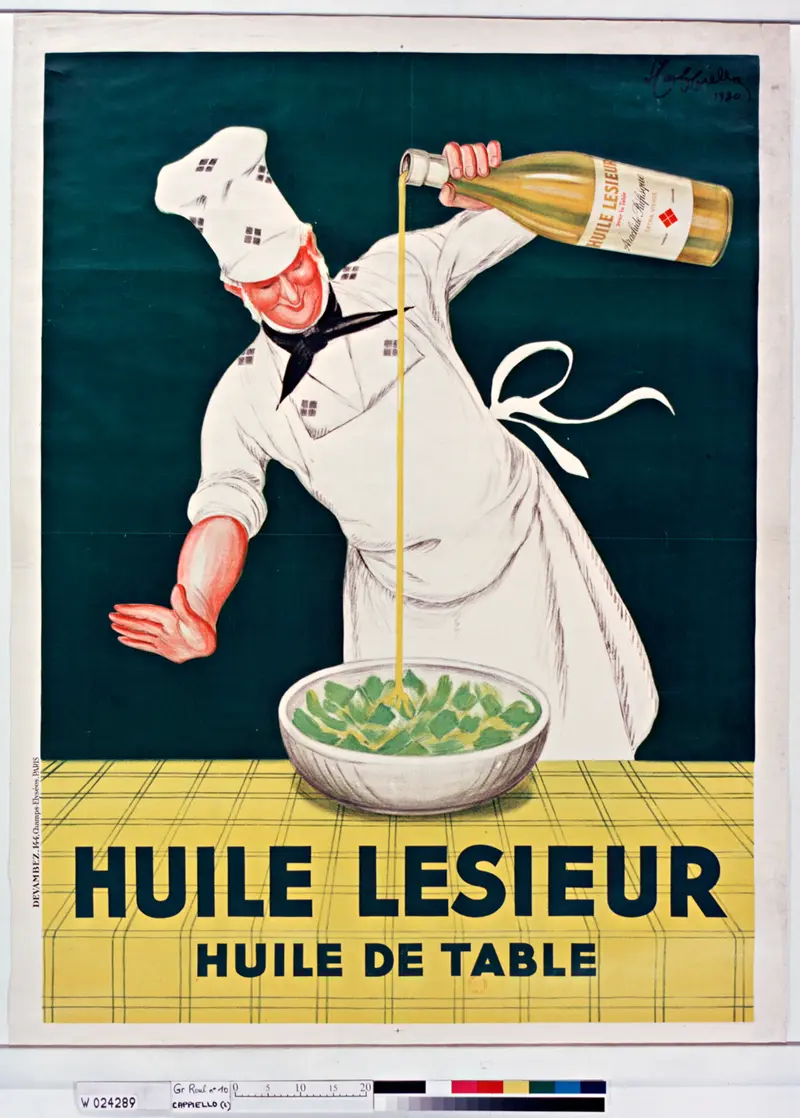
Huile Lesieur
Leonetto Cappiello
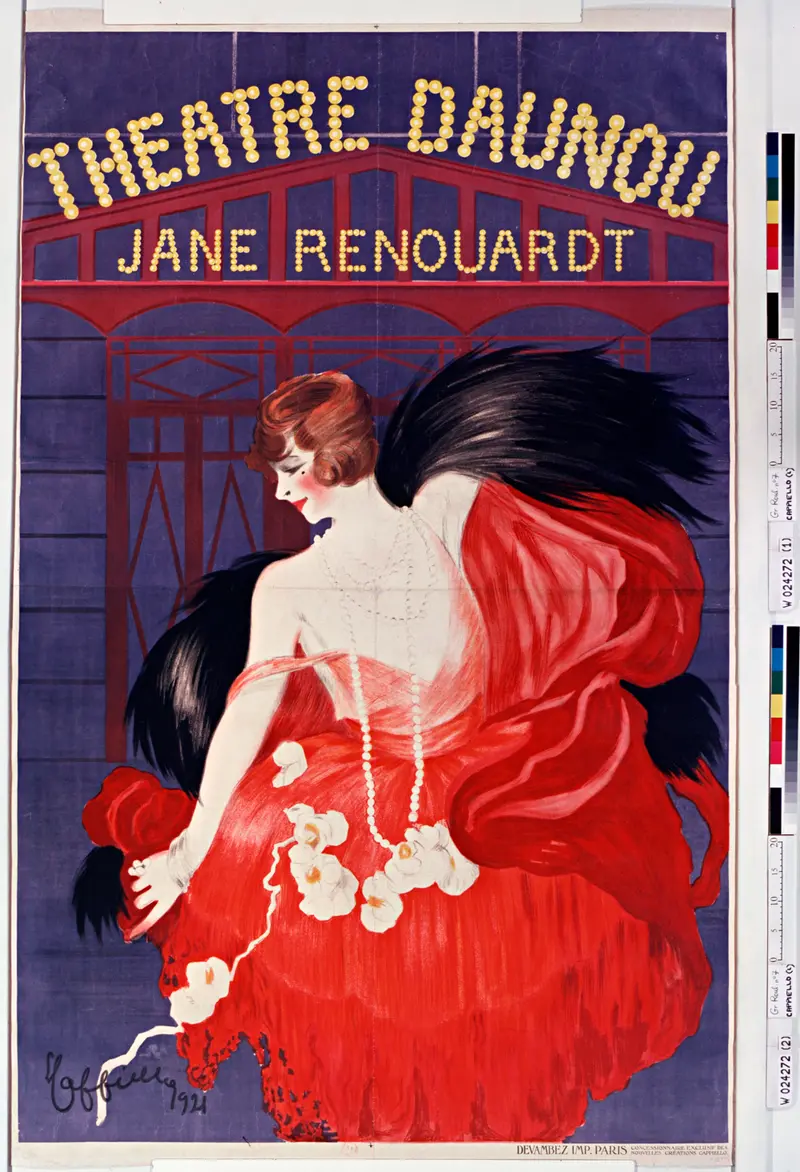
Théâtre Daunou – Jane Renouardt
Leonetto Cappiello
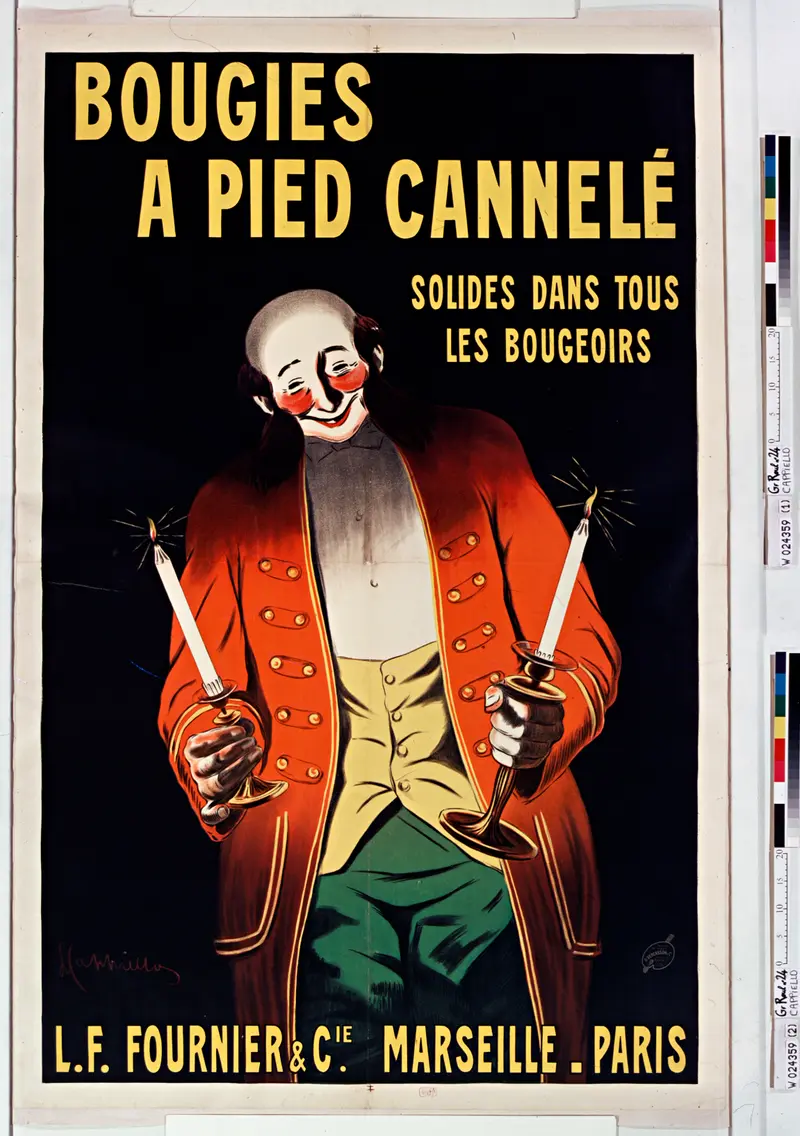
Bougies à Pied Cannelé
Leonetto Cappiello
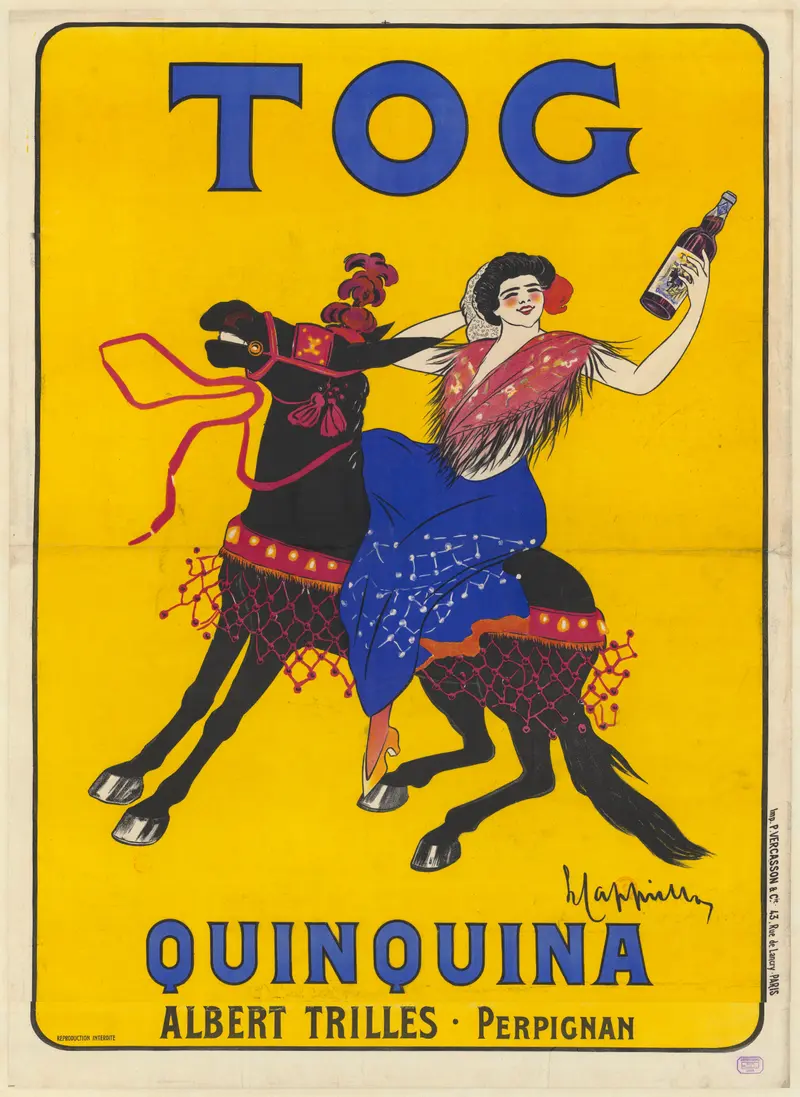
Tog Quinquina
Leonetto Cappiello
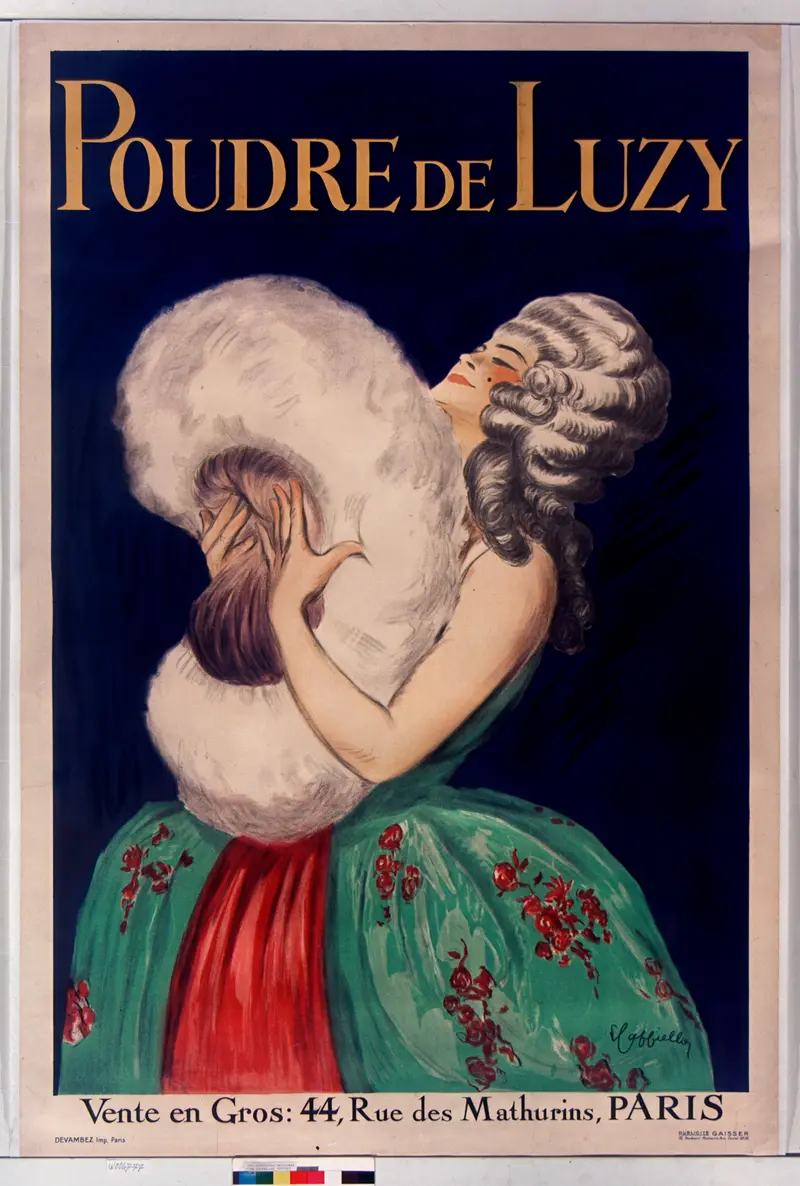
Poudre de Luzy
Leonetto Cappiello
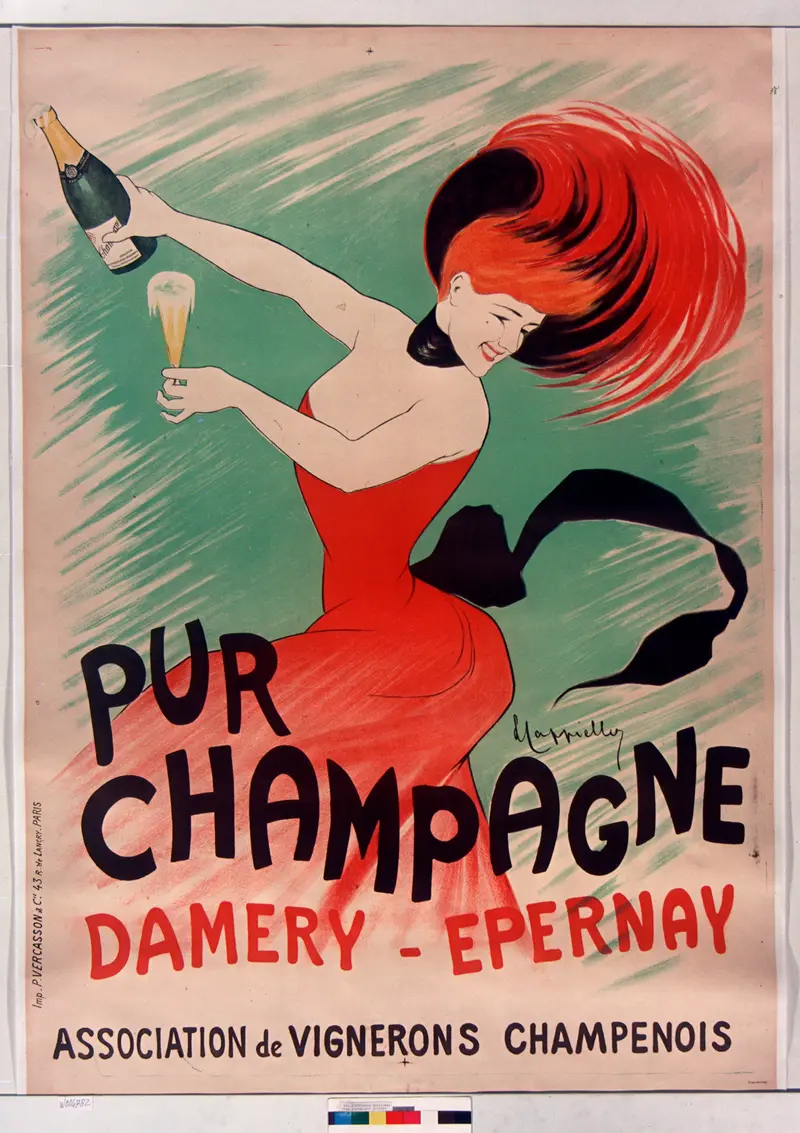
Pur Champagne Damery-Épernay
Leonetto Cappiello
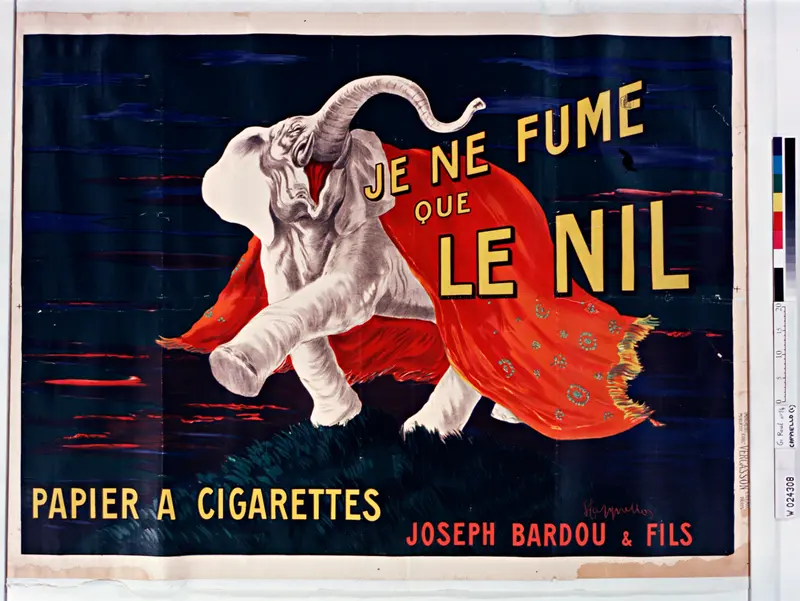
Je ne Fume que Le Nil
Leonetto Cappiello