
Le Pont au Change, vu du quai de Gesvres — History & Facts
The canvas doesn’t lie — it simply waits. In the stillness of Le Pont au Change, vu du quai de Gesvres, a haunting sense of absence permeates the air, inviting reflection on loss and memory. Look to the left at the delicate arch of the bridge, its stonework softened by the gentle brushstrokes that capture both sunlight and shadow. Notice how the muted palette harmonizes with the cool blues and warm earth tones, creating a veil of nostalgia.
The soft ripples of the water below mirror the subtle, layered clouds above, guiding your gaze across the composition as if traversing the very bridge itself. Within this tranquil scene, emotional tensions simmer beneath the surface. The bridge, a symbol of connection, resonates with the weight of farewell, while the distant figures—blurred and elusive—evoke a sense of longing. Each stroke seems to whisper secrets of the past, suggesting that every moment captured is intertwined with grief, a reminder of what once was and now lingers like a haunting echo. Painted in 1830, during a period of burgeoning Romanticism, the artist found himself navigating a world of shifting artistic values.
In Paris, where tradition was grappling with the emergence of new ideas, he explored landscapes imbued with deeper emotion. Le Pont au Change reflects not only the artist's evolving style but also his personal contemplation of beauty intertwined with loss, resonating with the sentiments of an era in flux.
More Artworks by Jean-Baptiste-Camille Corot
Browse all →
View of Genoa
Jean-Baptiste-Camille Corot
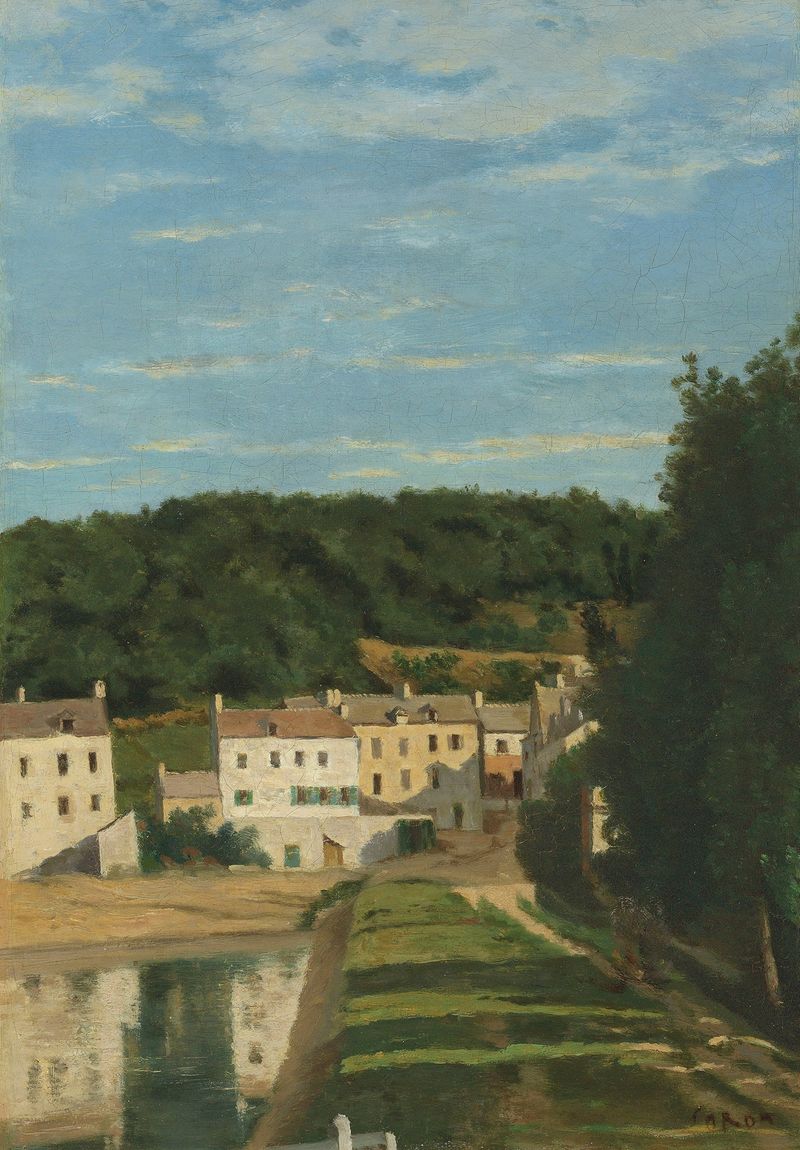
Les Maisons Cabassud À Ville D’avray
Jean-Baptiste-Camille Corot

La solitude. Souvenir de Vigen (Limousin)
Jean-Baptiste-Camille Corot
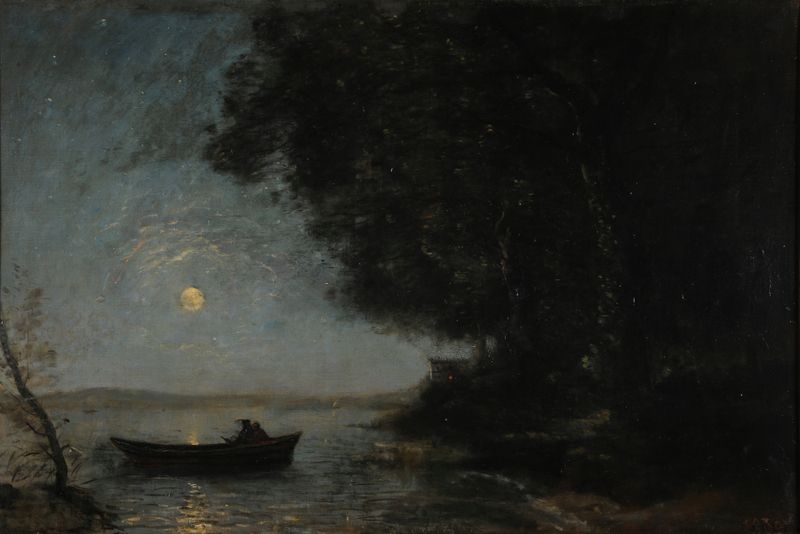
Le lac ; effet de nuit
Jean-Baptiste-Camille Corot
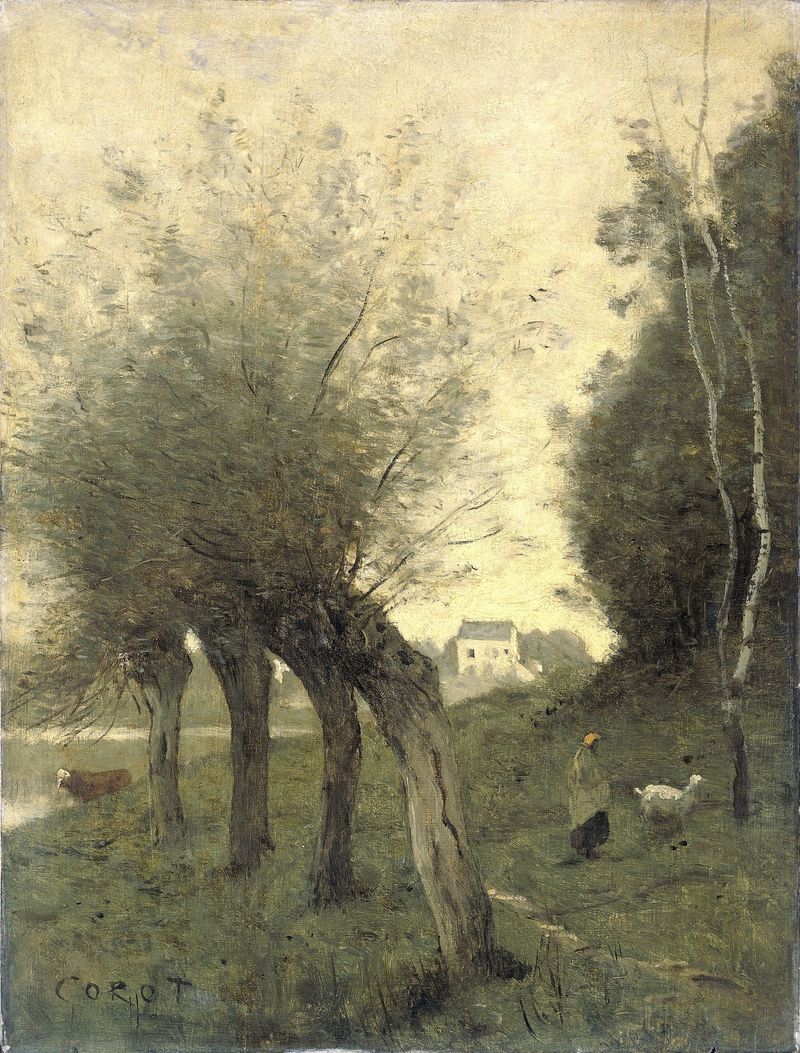
Landscape with Pollard Willows
Jean-Baptiste-Camille Corot
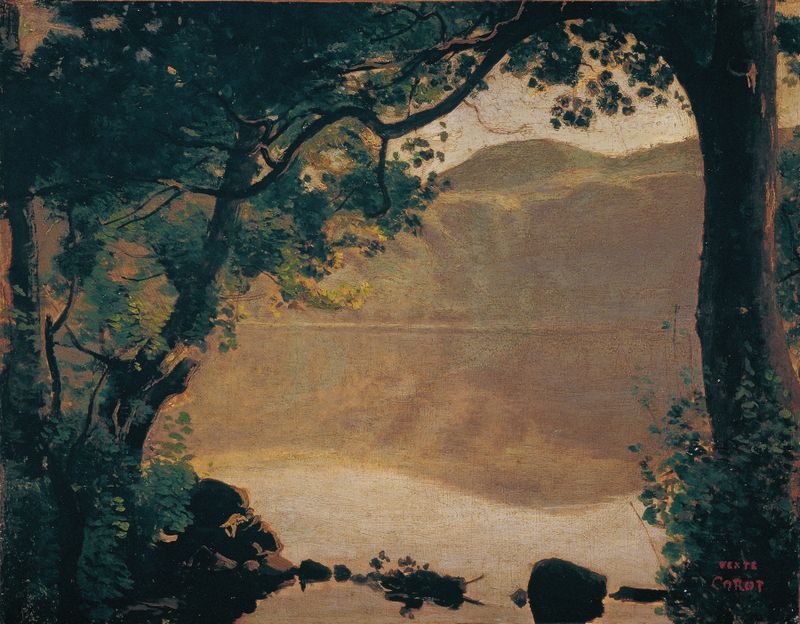
Der Nemisee
Jean-Baptiste-Camille Corot
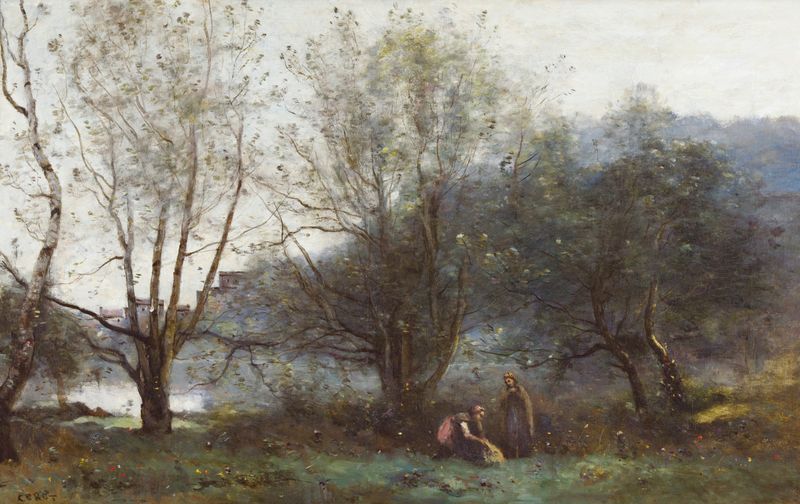
Les Étangs De Ville D’avray
Jean-Baptiste-Camille Corot
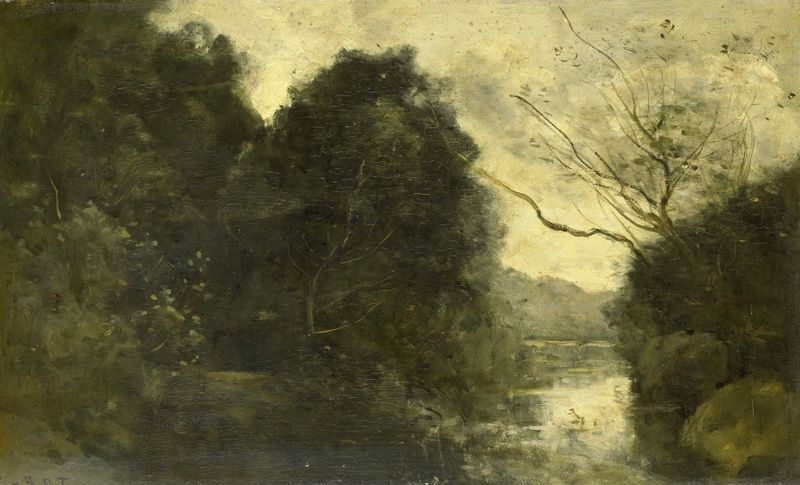
Pond in the Woods
Jean-Baptiste-Camille Corot
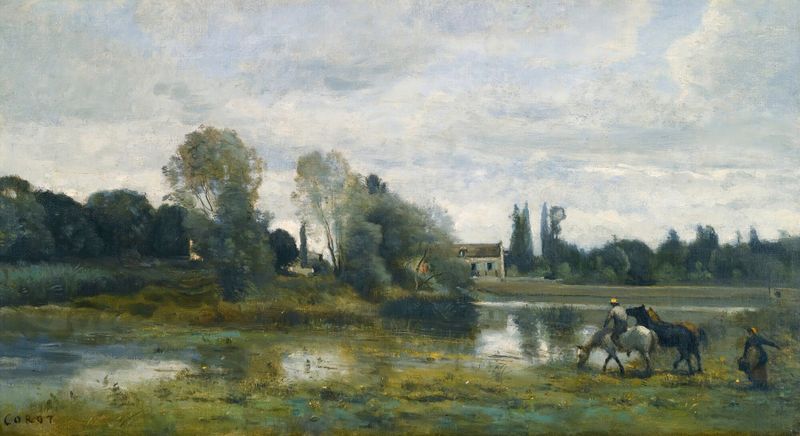
Ville D’avray; L’abreuvoir Des Chevaux
Jean-Baptiste-Camille Corot
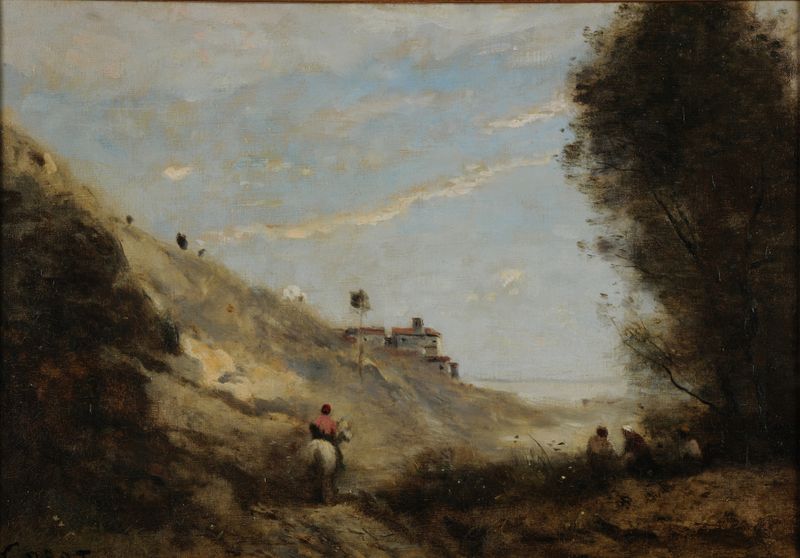
Le vallon au cavalier
Jean-Baptiste-Camille Corot





