
Le pont de Nuremberg — History & Facts
In the stillness of a moment frozen in time, we are reminded of the weight that the past carries, whispering secrets through the years. Look to the left at the sturdy bridge, its lines cutting through the canvas like an unyielding resolve. The muted browns and greens of the landscape breathe life into the scene, while the delicate interplay of light transforms the water’s surface into a shimmering reflection of the sky above. Notice how the figures on the bridge seem almost suspended in their thoughts, each gesture revealing a narrative that transcends their physical presence, hinting at profound human experiences. Deeper insights lie within the contrasts of light and shadow; the bridge stands firm against the fluidity of the water beneath, symbolizing steadfastness amidst change.
The lone figure on the right, seemingly distant, embodies solitude, creating an emotional tension that resonates with the viewer’s own reflections on time and connection. Here, stillness is a canvas painted with longing, inviting us to explore our own memories and the passage of time that shapes them. Léon Augustin Lhermitte created this evocative piece in 1896, during a period marked by rapid industrial change in Europe. Living in France, Lhermitte was deeply influenced by the social realities of his time and the evolving landscape of artistic expression.
As he painted Le pont de Nuremberg, the artist was navigating a world caught between tradition and modernity, capturing not just a scene, but a timeless exploration of human existence.
More Artworks by Léon Augustin Lhermitte
Browse all →
The Harvesters
Léon Augustin Lhermitte
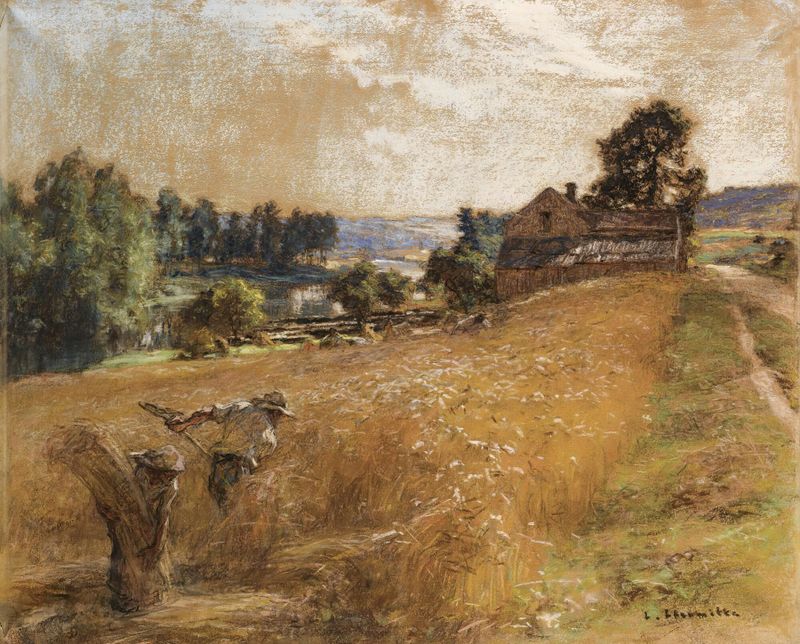
La Fenaison
Léon Augustin Lhermitte
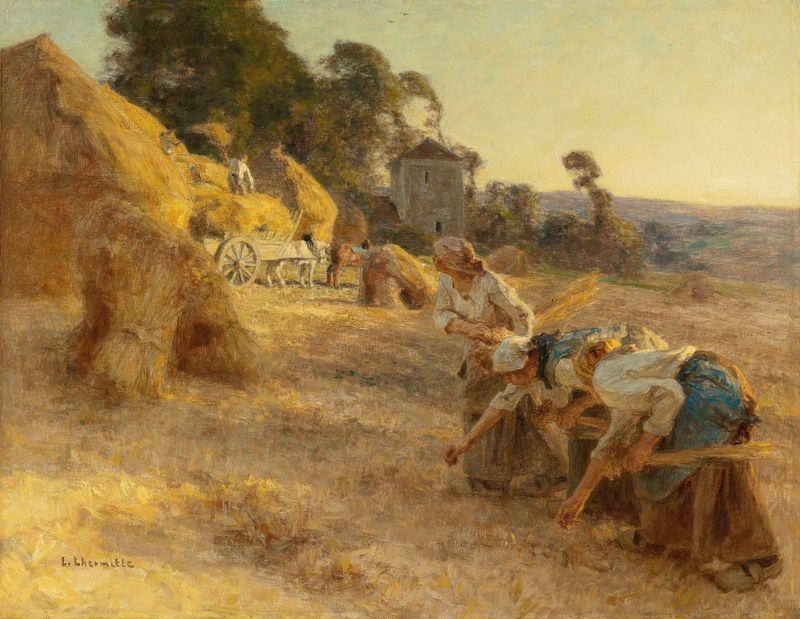
Glaneuses En Avant De Vieilles Meules
Léon Augustin Lhermitte
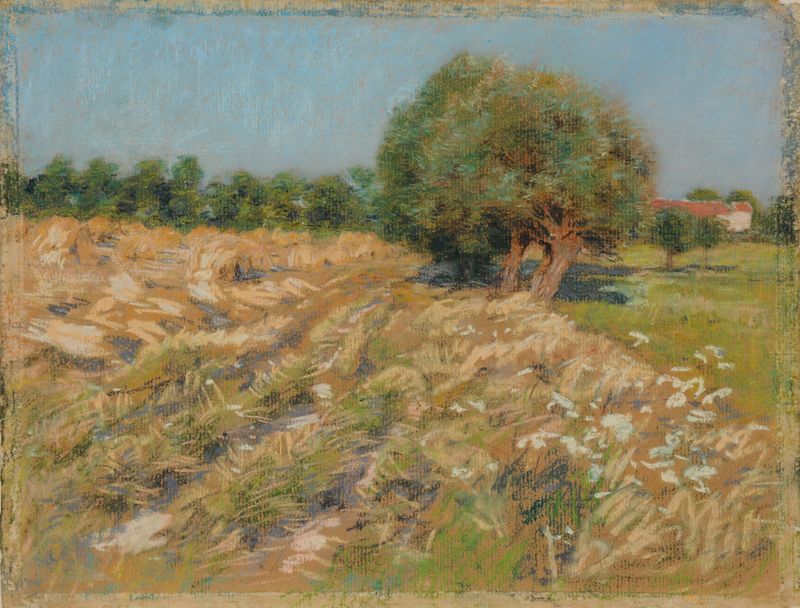
Le chemin de la ferme
Léon Augustin Lhermitte
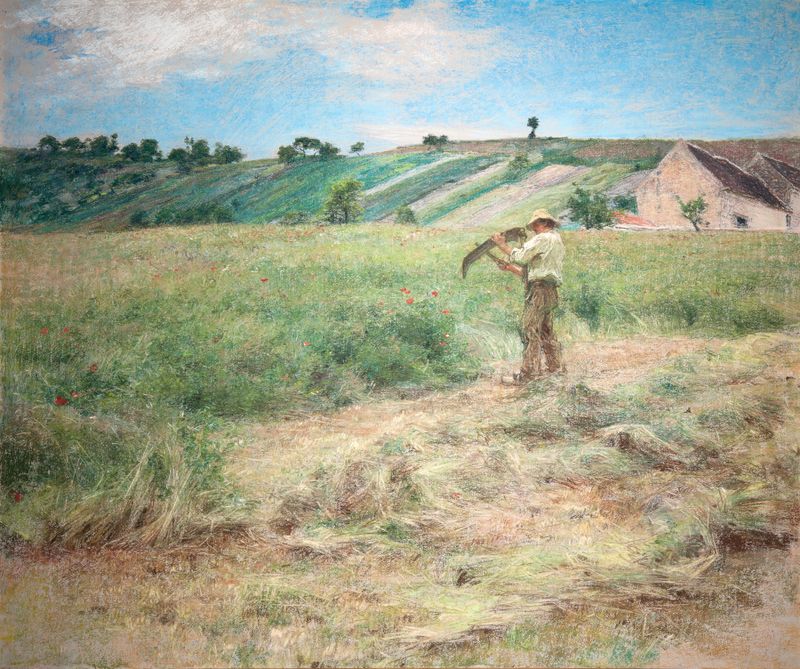
Haymaking
Léon Augustin Lhermitte
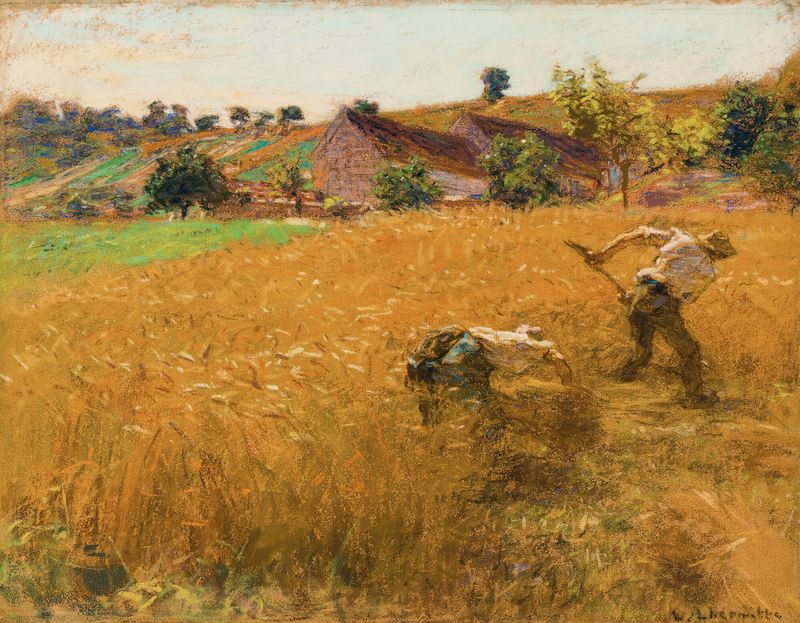
La Moisson
Léon Augustin Lhermitte
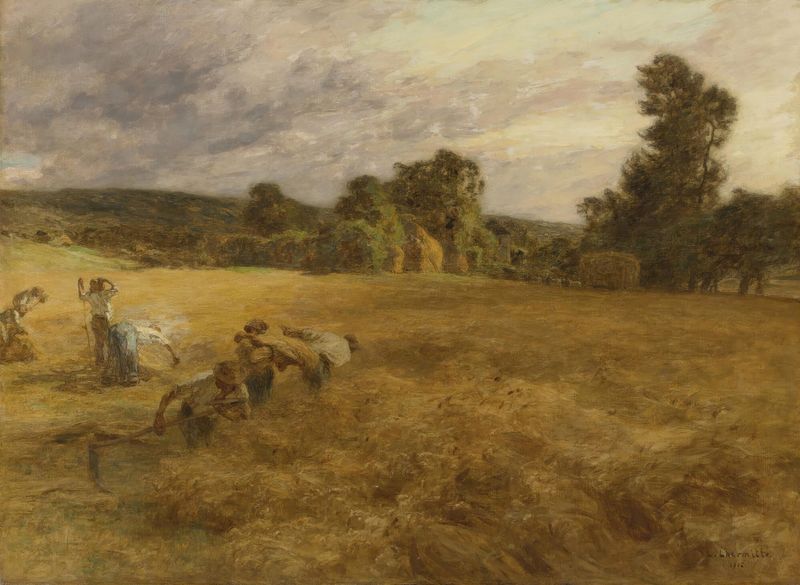
L’orage En Moisson
Léon Augustin Lhermitte
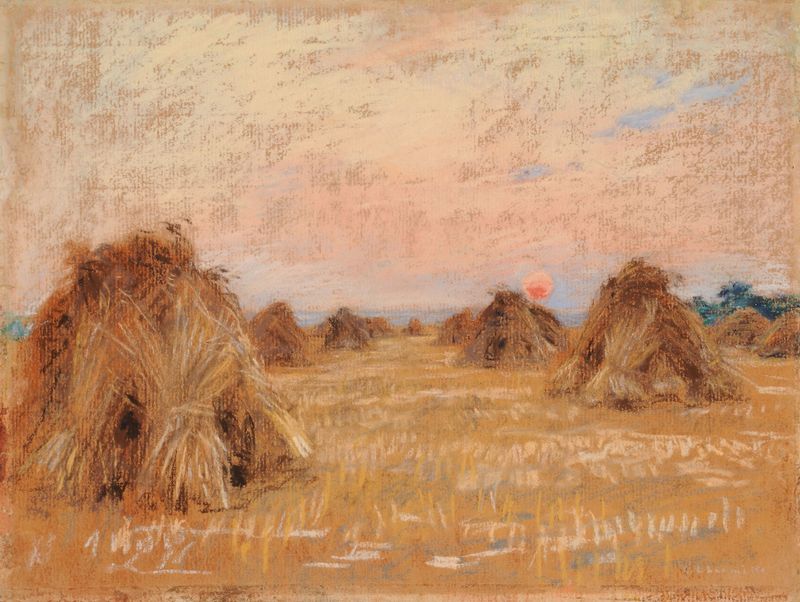
Fin de journée
Léon Augustin Lhermitte
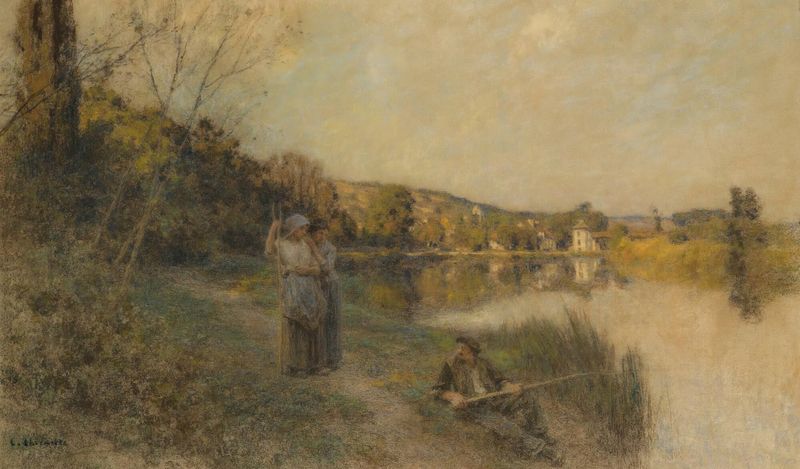
Fin De Belle Journee, Soleil Couchant, Pecheur
Léon Augustin Lhermitte

Quai au Sable, Chartèves
Léon Augustin Lhermitte





