
La Fenaison — History & Facts
In a world where each stroke of color unfolds the dream of rural life, we find the serenity that emerges from labor. Lhermitte captures a moment suspended between toil and tranquility, inviting us into a pastoral reverie. Look toward the left of the canvas, where a group of workers rhythmically gathers hay under a vast, sun-drenched sky. The soft golden hues of the grass contrast beautifully with the earthy tones of their clothing, while the gentle curls of smoke rising from a distant chimney suggest warmth and home.
Notice how the sunlight dances across the scene, illuminating the contours of their laboring bodies and casting elongated shadows that evoke a sense of timelessness. This interplay of light and shadow encapsulates the beauty of their work, transforming the mundane into art. Yet, beneath this idyllic surface lies a tension between effort and repose. The workers, although physically engaged, appear lost in thought, perhaps dreaming of a future beyond the fields they inhabit.
The convergence of their labor against the expansive sky reflects a juxtaposition of human ambition against nature's vastness, while the distant hills remind us of challenges that lie ahead. Each figure represents not just the exertion of their hands but the innate yearning for purpose, suggesting that within every dream of pastoral life, there resides an unspoken struggle. Lhermitte painted La Fenaison during a pivotal time in the late 19th century when the movement toward realism was gaining momentum. Nestled in France's rural heart, the artist was inspired by the lives of peasants, illustrating the beauty of their existence amidst the profound social changes of the era.
As urbanization began to reshape society, Lhermitte's work stands as a testament to the dignity of labor, encapsulating the dreams woven into the fabric of everyday life.
More Artworks by Léon Augustin Lhermitte
Browse all →
The Harvesters
Léon Augustin Lhermitte
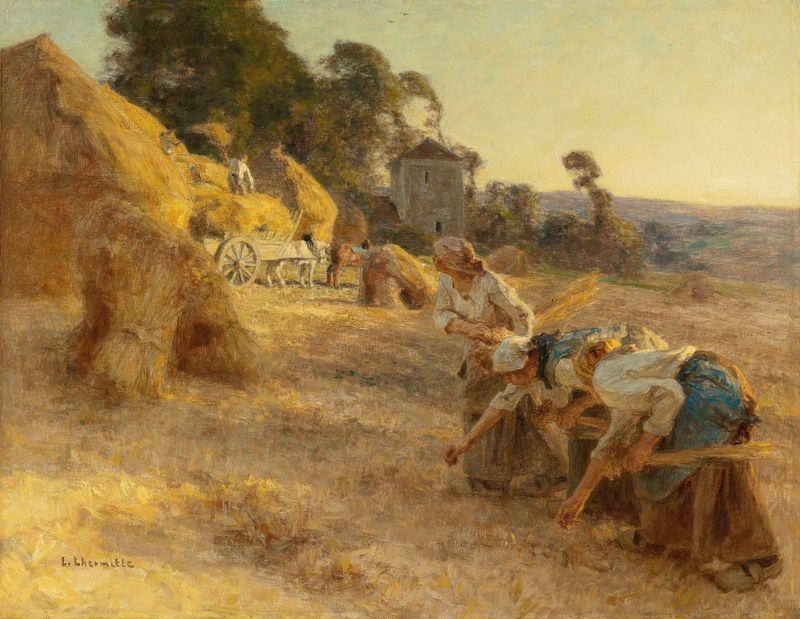
Glaneuses En Avant De Vieilles Meules
Léon Augustin Lhermitte
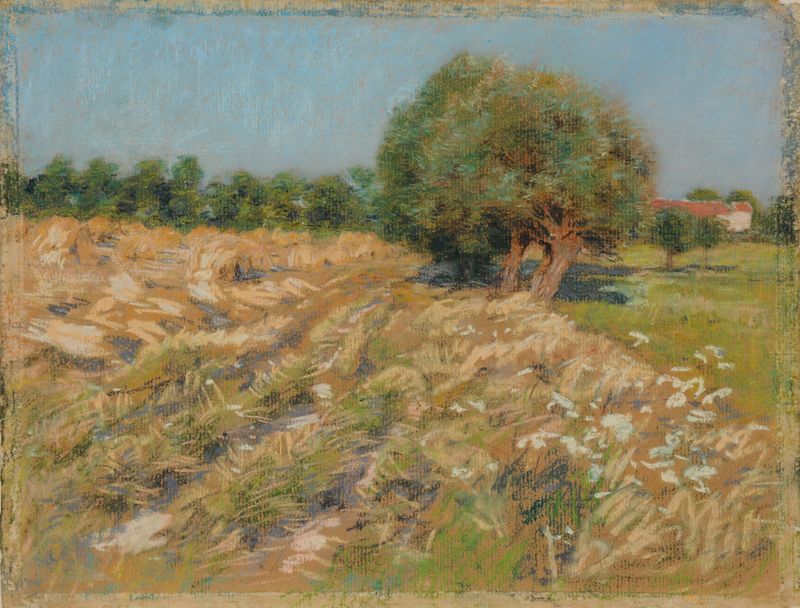
Le chemin de la ferme
Léon Augustin Lhermitte
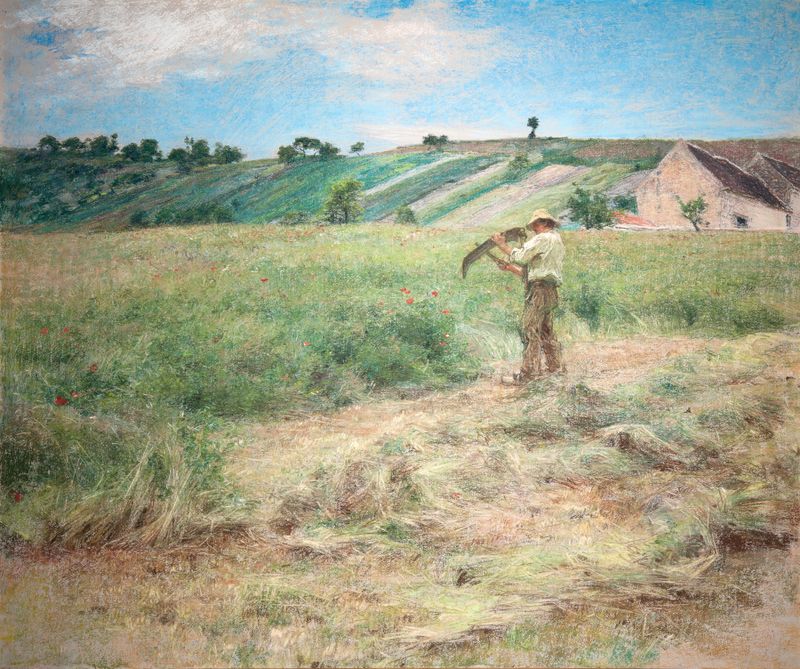
Haymaking
Léon Augustin Lhermitte
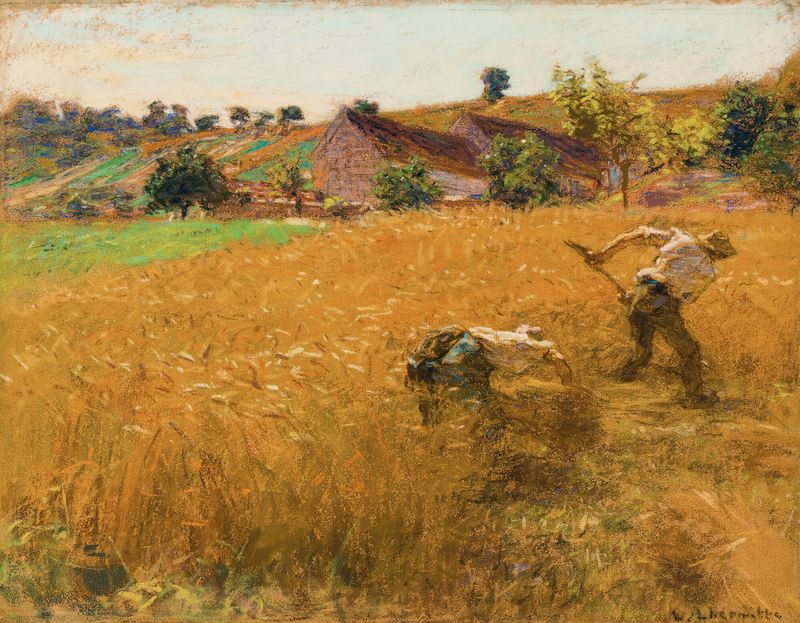
La Moisson
Léon Augustin Lhermitte
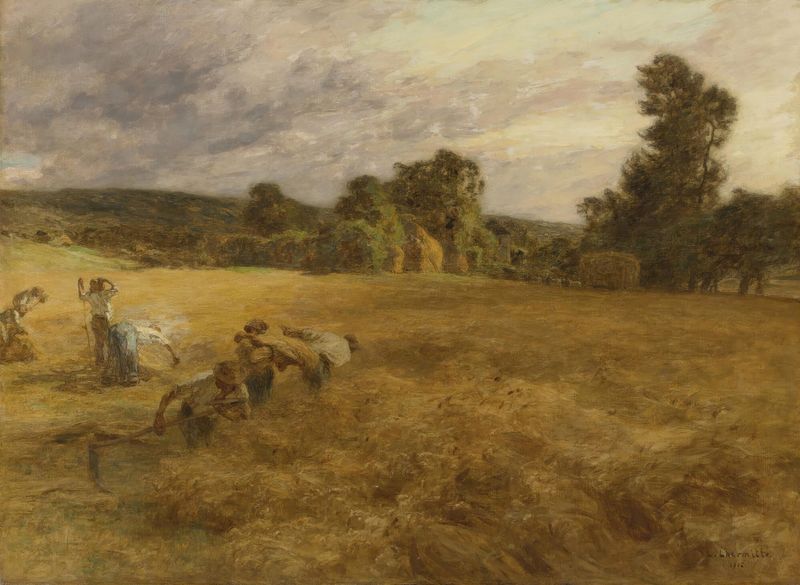
L’orage En Moisson
Léon Augustin Lhermitte
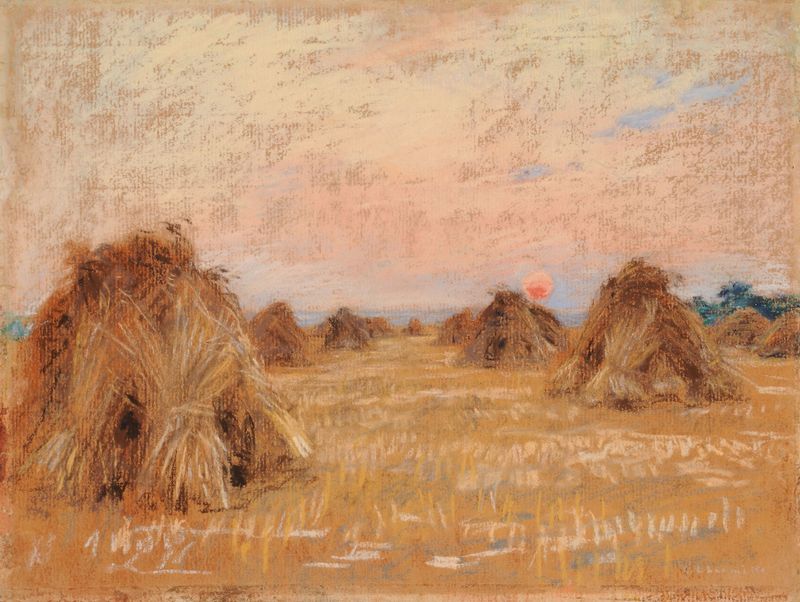
Fin de journée
Léon Augustin Lhermitte
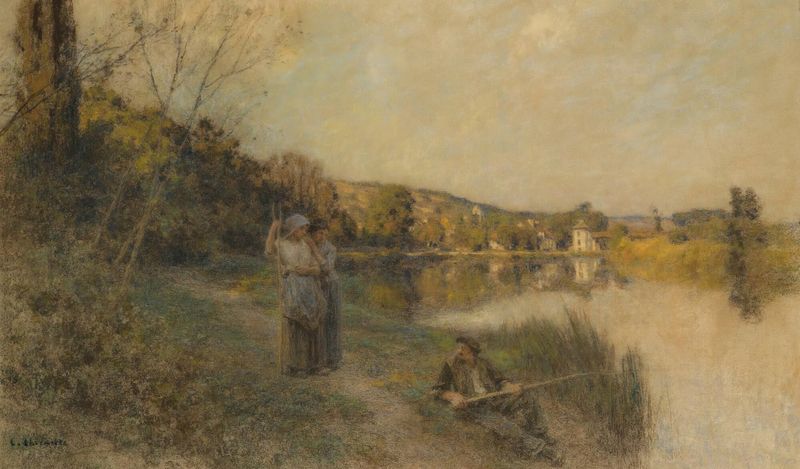
Fin De Belle Journee, Soleil Couchant, Pecheur
Léon Augustin Lhermitte

Quai au Sable, Chartèves
Léon Augustin Lhermitte
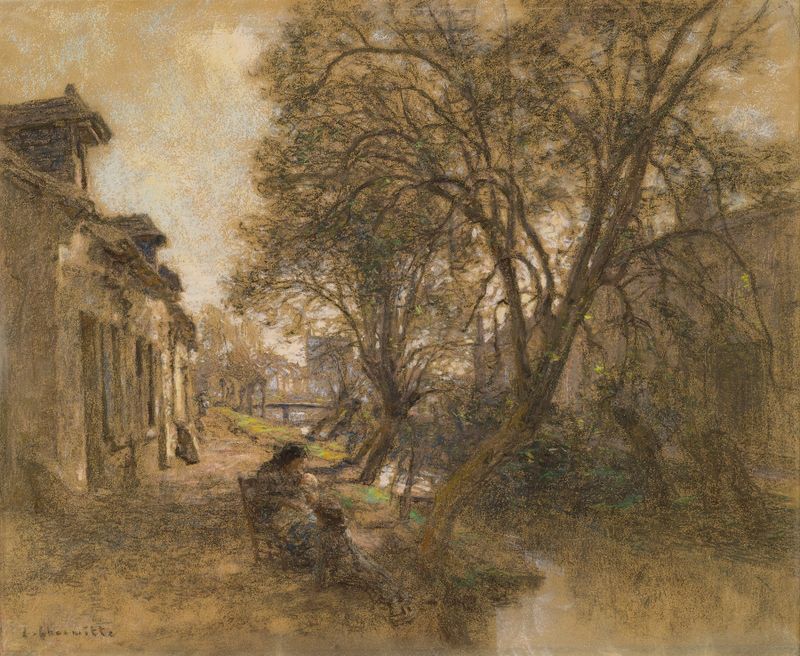
Vue Prise À Saint Bonnet Pres De Bourges
Léon Augustin Lhermitte





