
Le Pont de Poissy — History & Facts
When did color learn to lie? In the subtle play of hues lies a legacy, a remembrance of places that whisper stories long forgotten. Look to the center of the canvas where the bridge stretches almost languidly across the water, marbled reflections teasing the edges of reality. Notice how the palette of soft blues and greys melds seamlessly, evoking a sense of tranquility and nostalgia. The artist’s technique draws the viewer to the undulating water beneath, while the delicate strokes of foliage frame the scene, inviting contemplation. Beyond the serene facade, the painting carries an undercurrent of isolation and introspection.
The empty bridge suggests a connection that is both physical and metaphorical, hinting at journeys taken and paths not chosen. Flecks of warm color punctuate the cooler tones, perhaps signifying fleeting moments of joy amidst an overwhelming sense of solitude. Each brushstroke seems to echo the artist's own reflections on memory and the passage of time. Lepère created this piece in 1917, a period marked by the turmoil of World War I.
Residing in France during a time when the world was engulfed in conflict, he sought solace in nature and the familiar landscapes around him. His works from this era often reflect a deep yearning for peace and connection, emerging as vital artifacts of resilience amid chaos, encapsulating both the beauty and the fragility of existence.
More Artworks by Auguste Louis Lepère
Browse all →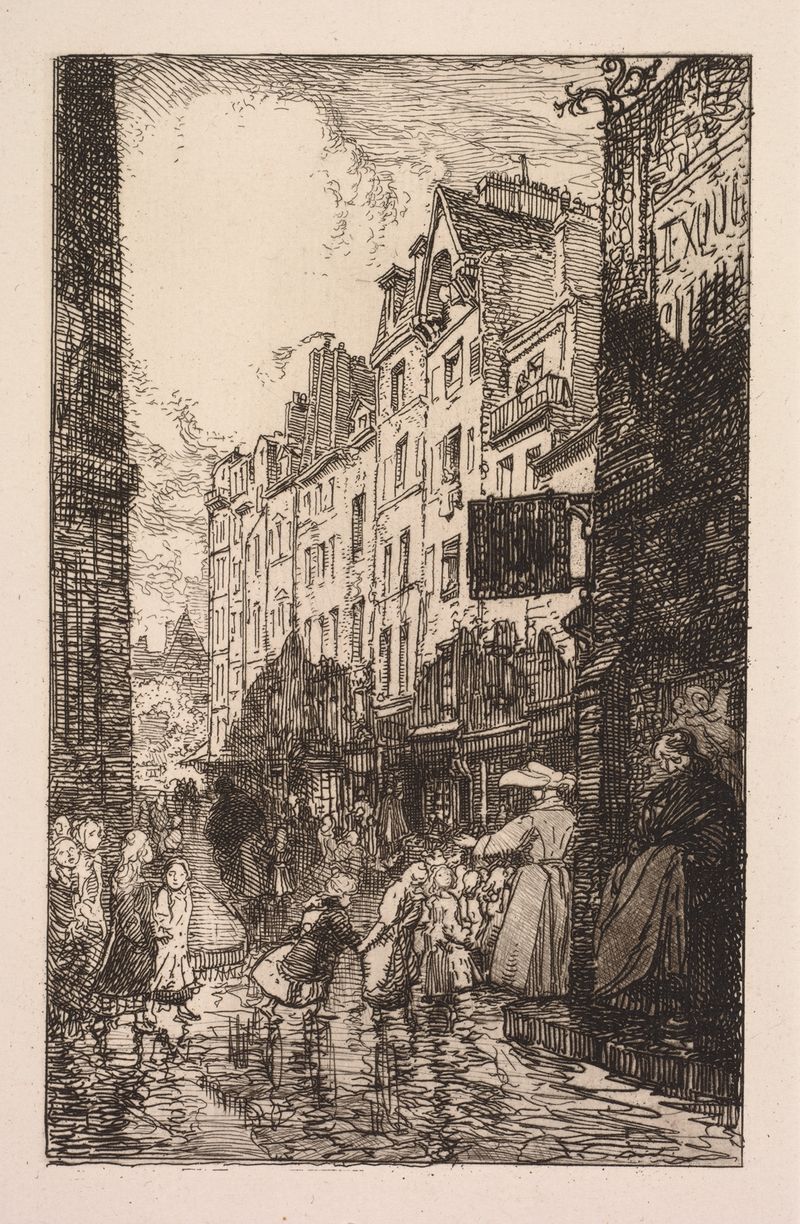
La Rue des Prêtres Saint-Séverin
Auguste Louis Lepère
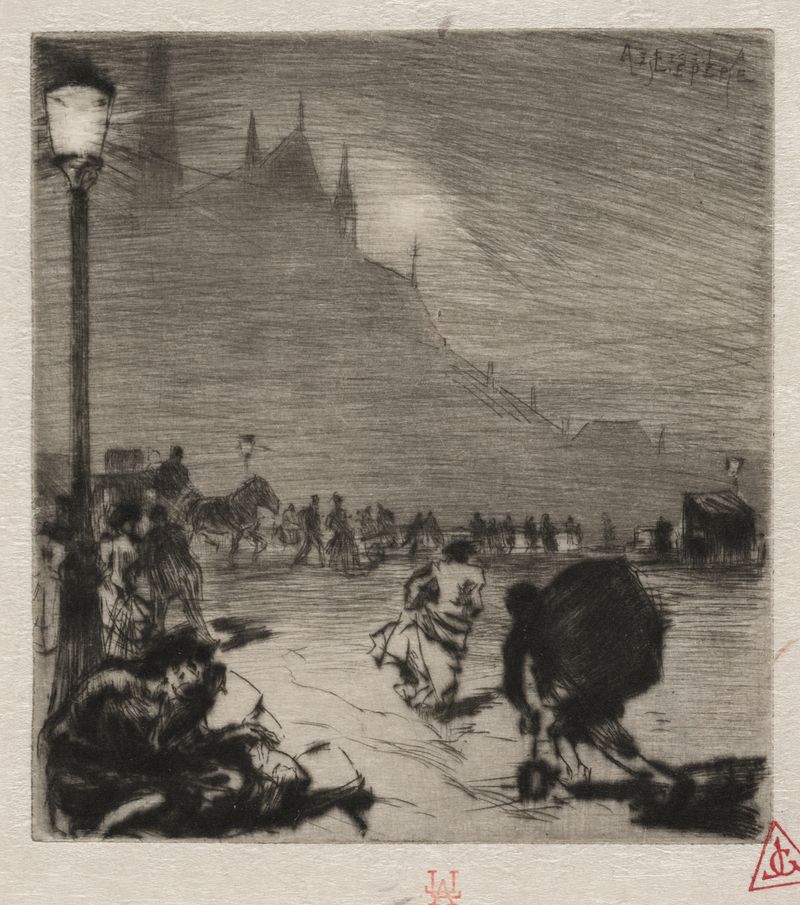
Au Coin du Pont-aux-Doubles
Auguste Louis Lepère
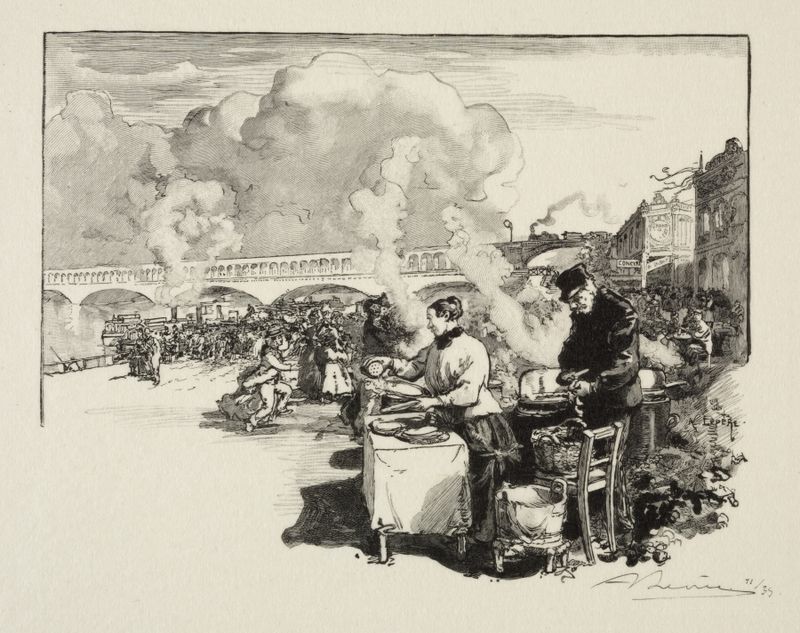
Debarcadère des bateaux-omnibus
Auguste Louis Lepère

La Seine, au quai de la Rapée
Auguste Louis Lepère
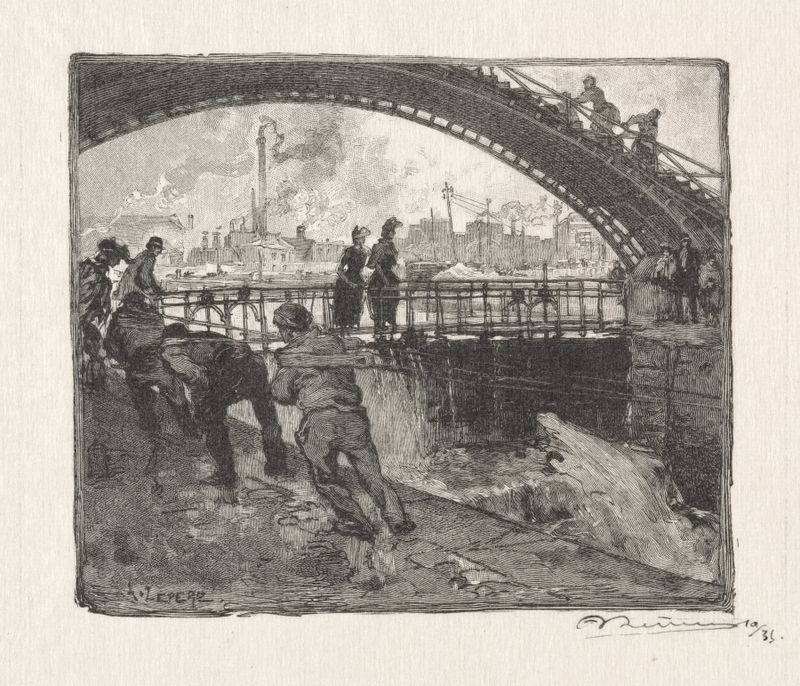
L’Ecluse du Canal St. Martin
Auguste Louis Lepère

Le Boulevard Montmartre, le Soir
Auguste Louis Lepère

Une Chasse au Mont Gérard
Auguste Louis Lepère
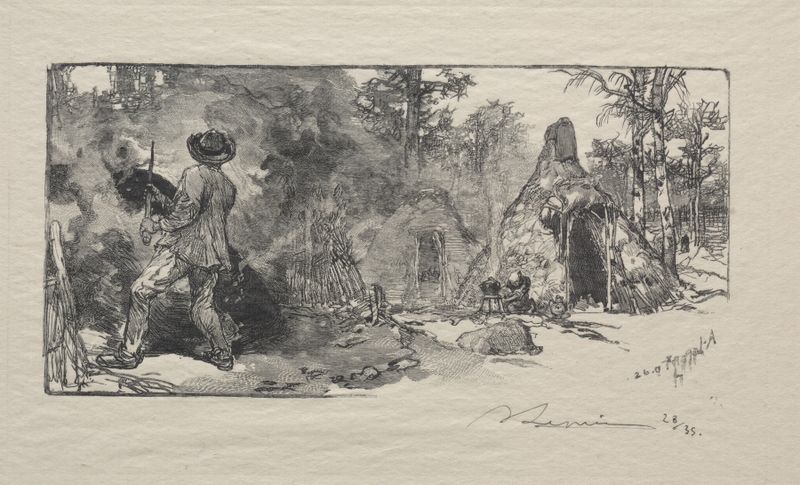
Les Charbonniere
Auguste Louis Lepère
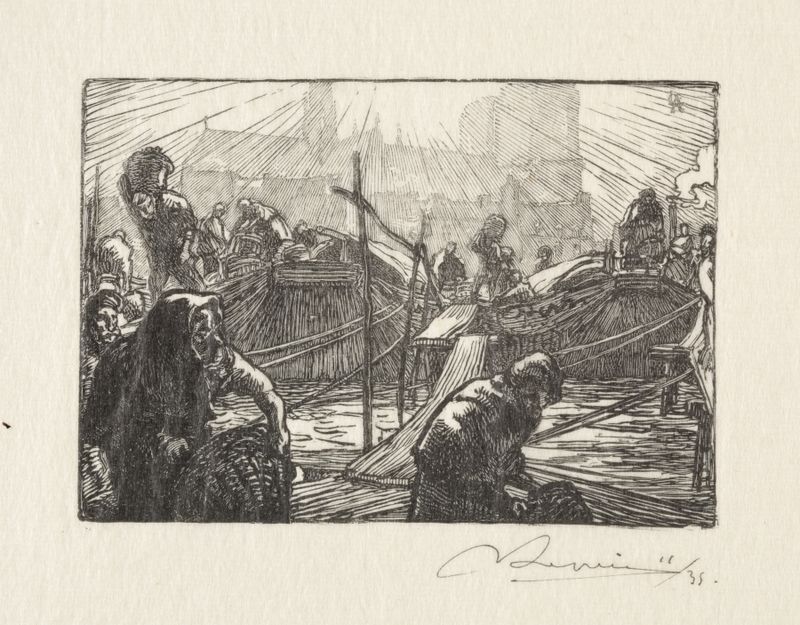
Notre Dame vue du Marché aux pommes
Auguste Louis Lepère

Le Palais des Arts Liberaux, Intèrieur
Auguste Louis Lepère





