
Le Pont De Solférino — History & Facts
What secret hides in the quiet of the canvas? The emptiness of a familiar scene can often speak the loudest, revealing the unvoiced narratives of desolation beneath the tranquility. Look to the left at the gentle curve of the river, where hints of blue and green blend seamlessly into the muted palette of browns and grays. Notice how the dappled sunlight filters through the trees, casting soft shadows that dance across the water’s surface. The bridge, a sturdy yet understated structure, arches gracefully, inviting the viewer to traverse its path.
The composition’s balance creates an intimate connection between nature and manmade form, emphasizing a dialogue that feels both serene and unresolved. Beneath this calm exterior lies a tension between presence and absence. The figures depicted are few, their silhouettes almost ghostly in nature, suggesting a fleeting moment where life teeters on the edge of memory. The quietude of the setting encourages contemplation, allowing viewers to ponder the stories of those who might have walked there, now lost to time.
This sense of loneliness is amplified by the surrounding landscape, which feels expansive yet isolating, evoking a profound yearning for connection. In 1884, at a time when impressionism was gaining momentum, the artist was experimenting with ideas of light and color in Paris. Luce was deeply influenced by the urban landscape and the interactions of everyday life, yet within this piece, he veered towards a more introspective approach. Living in a world of shifting artistic ideals, he crafted Le Pont De Solférino as a reflection of both beauty and solitude, capturing a moment that resonates with the echoes of human experience.
More Artworks by Maximilien Luce
Browse all →
Le Quai Montebello Et La Colline Sainte-Geneviève
Maximilien Luce

Le Pont-Neuf, La Seine, Petit Bras
Maximilien Luce
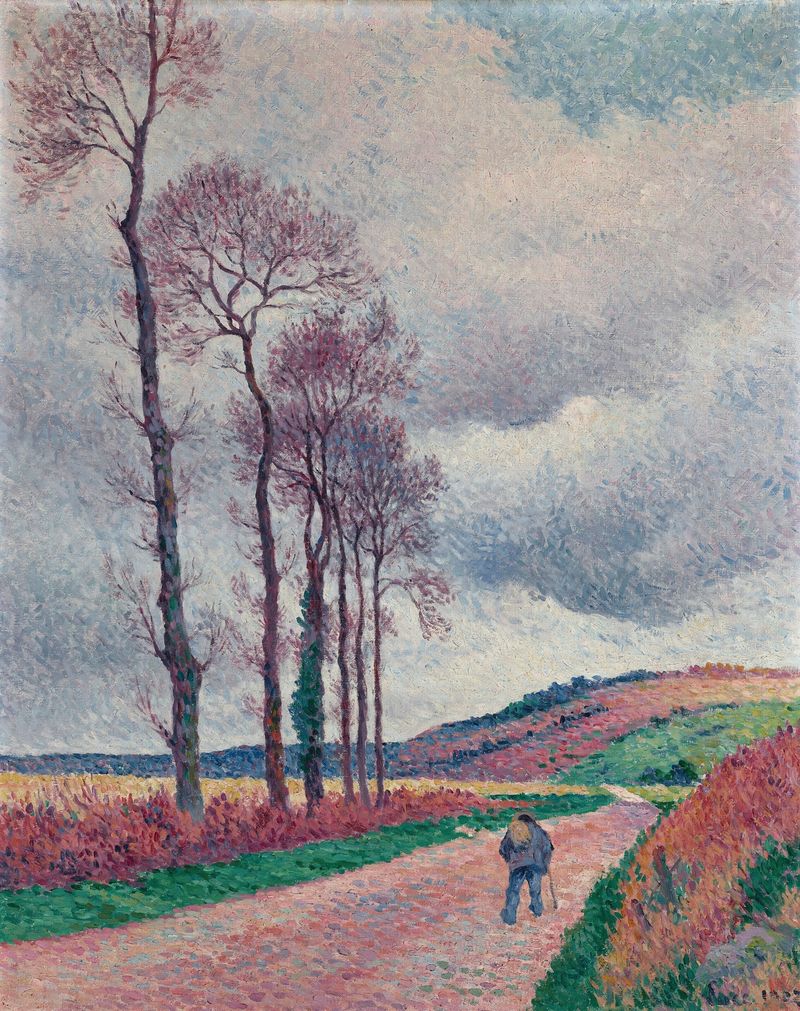
La route aux environs de Méréville
Maximilien Luce
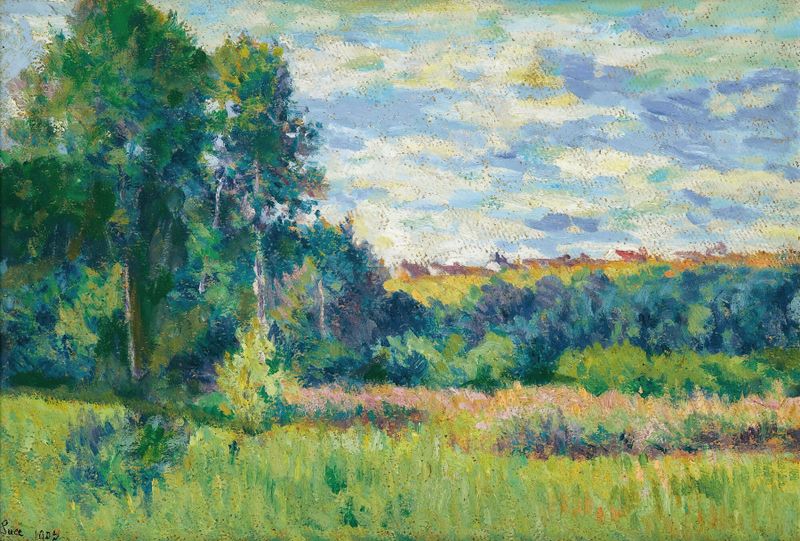
Paysage
Maximilien Luce
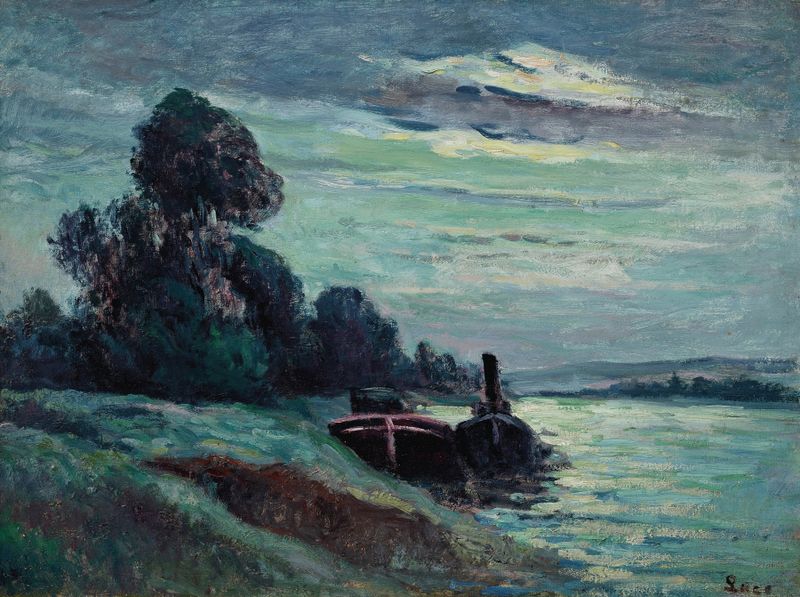
Péniches sur la Seine
Maximilien Luce

Notre Dame de Paris
Maximilien Luce
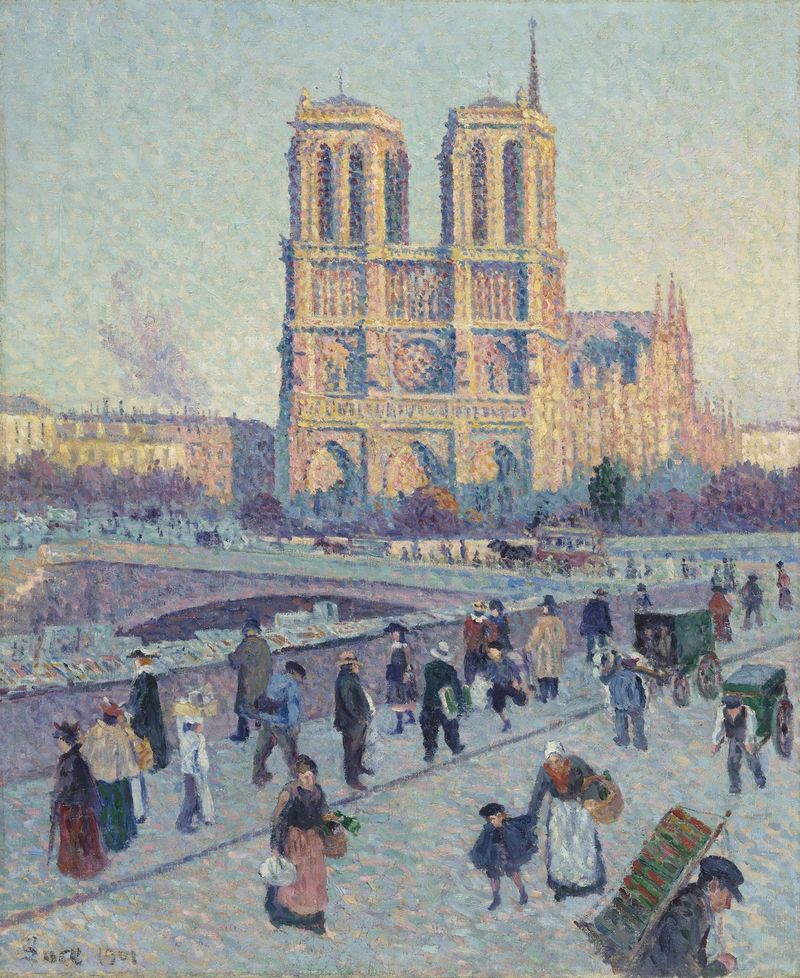
The Quai Saint-Michel and Notre-Dame
Maximilien Luce

La Seine au Pont Mirabeau
Maximilien Luce
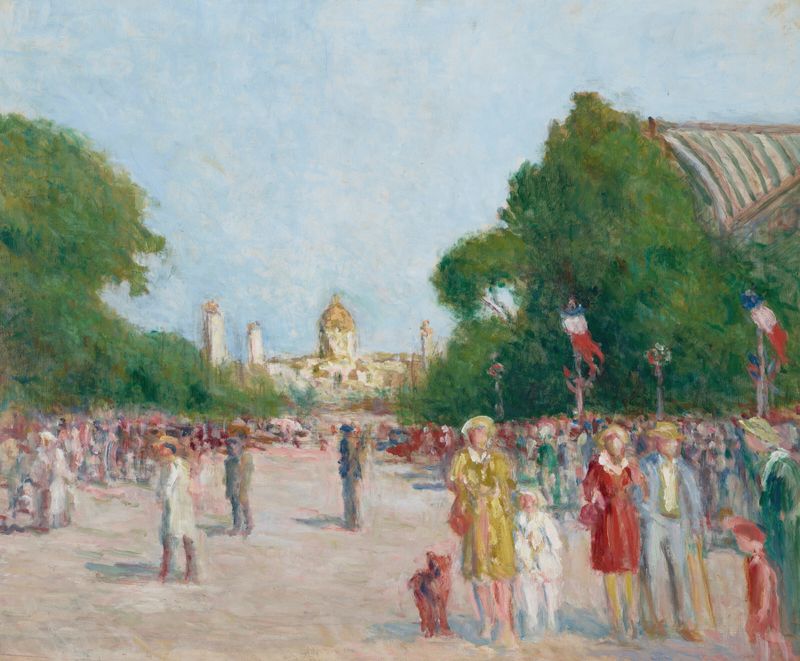
L’avenue Winston-Churchill, Paris
Maximilien Luce

Paris, Le Quartier De Vaugirard
Maximilien Luce





