Discover insights about this artwork
Le Pont des Trois Sautets — History & Facts
In Le Pont des Trois Sautets, Paul Cézanne captures a serene landscape dominated by a bridge. The colors are rich and varied, with greens and blues that suggest a lush environment. The bridge itself is painted with thick brushstrokes, creating a sense of texture and depth.
Surrounding trees and water reflect the light, adding to the tranquil atmosphere of the scene. This painting exemplifies Cézanne's unique approach to color and form. The use of bold, expressive brushwork is characteristic of his style, allowing the viewer to feel the movement of the landscape. The composition is carefully balanced, with the bridge serving as a focal point that draws the eye.
The layering of colors creates a sense of dimension, typical of Post-Impressionism. Paul Cézanne, a pivotal figure in the transition from Impressionism to modern art, painted Le Pont des Trois Sautets in the late 19th century. This work reflects his fascination with the natural world and his innovative use of color. Interestingly, the bridge depicted in this painting is a real structure located in France, showcasing Cézanne's interest in capturing local landscapes.
His works often emphasize the harmony between nature and human-made structures.
More Artworks by Paul Cézanne
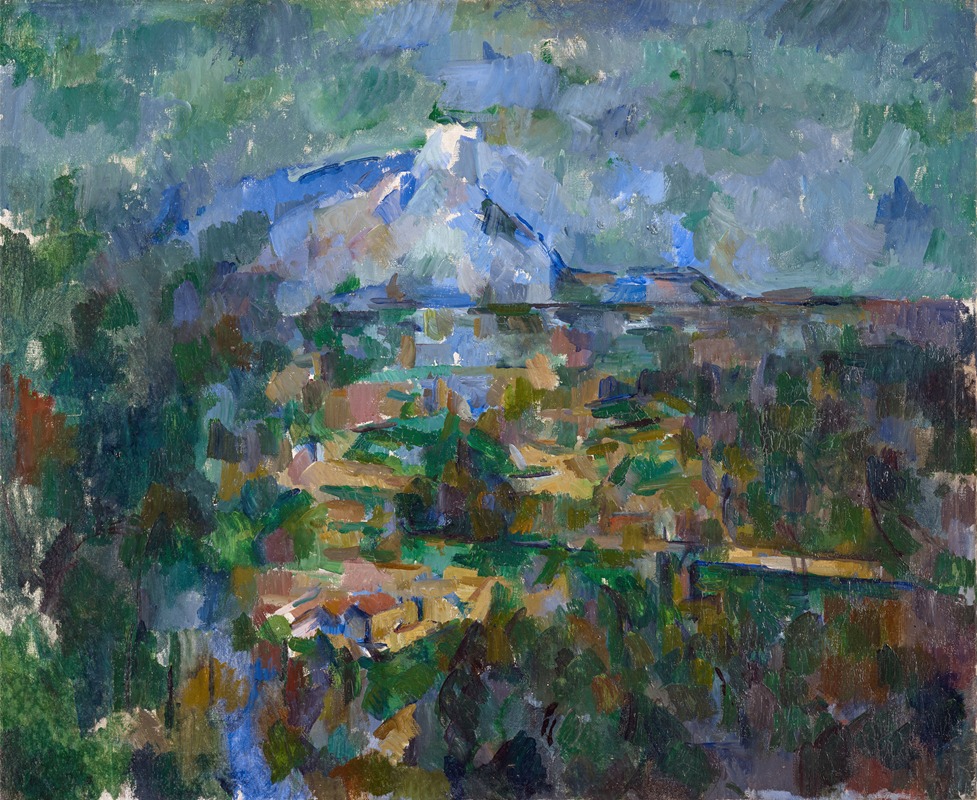
The Mont Sainte-Victoire Seen From Les Lauves
Paul Cézanne
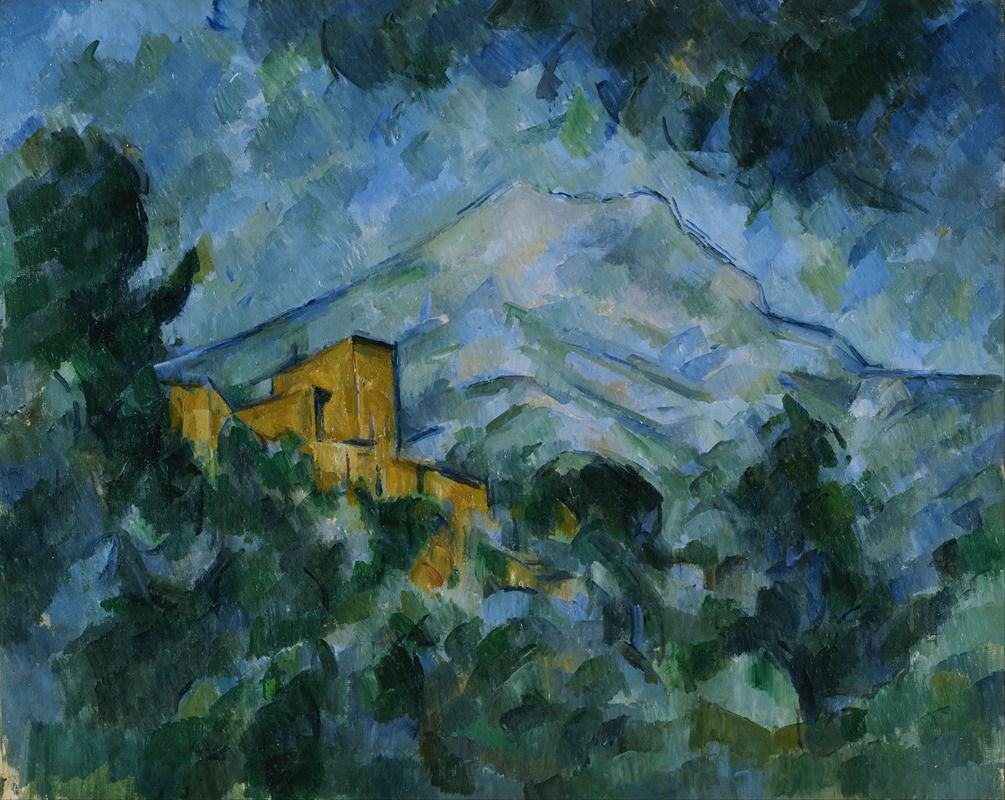
Mont Sainte-Victoire and Château Noir
Paul Cézanne
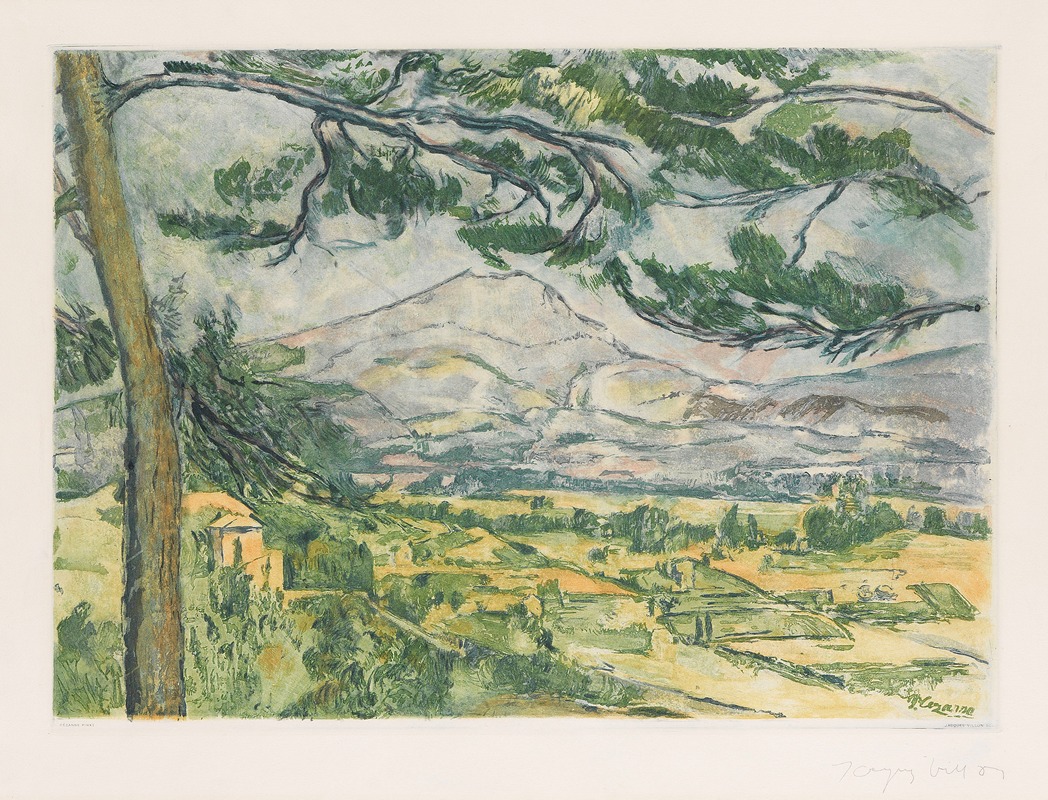
La Montagne Sainte-Victoire
Paul Cézanne
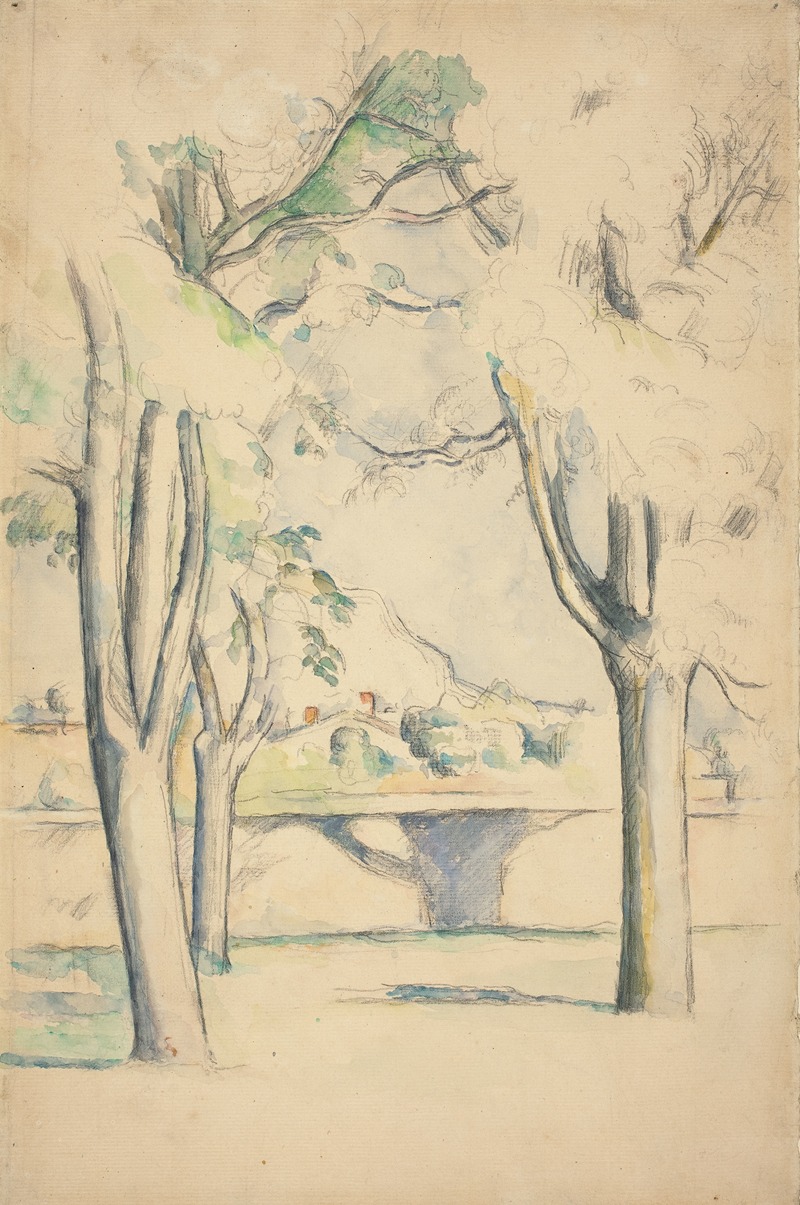
Mont Sainte-Victoire Seen beyond the Wall of the Jas de Bouffan
Paul Cézanne
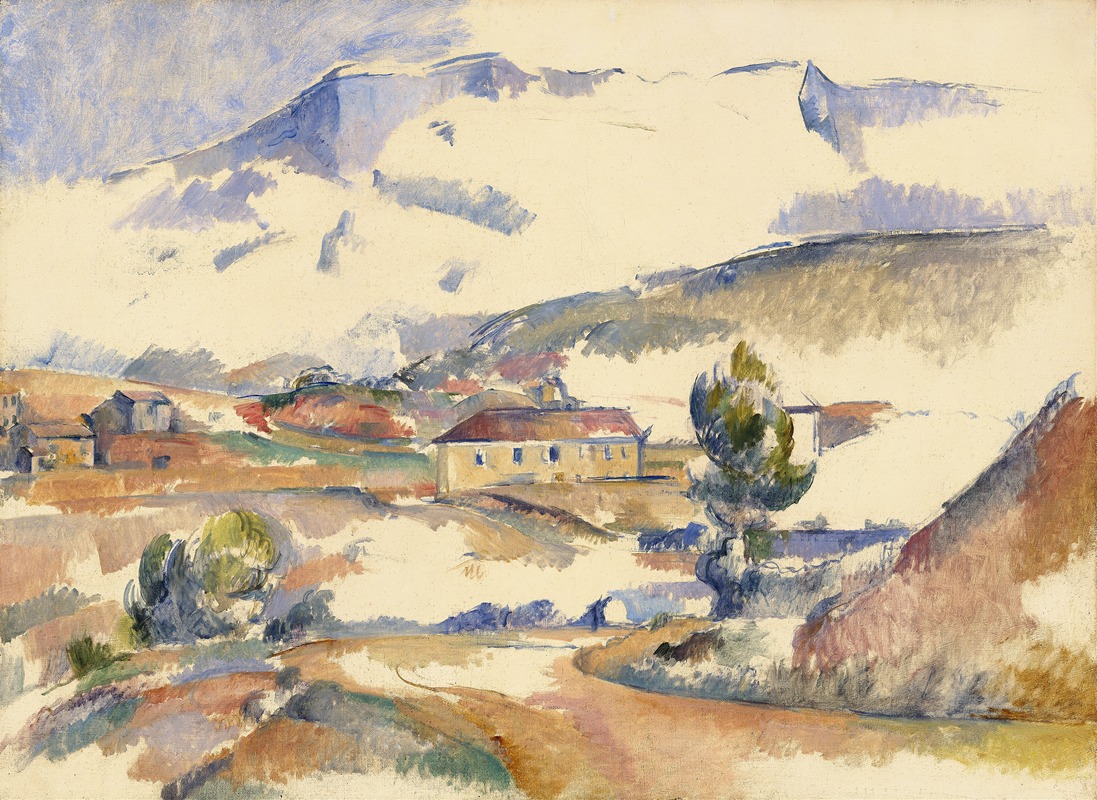
Montagne Sainte-Victoire,from near Gardanne
Paul Cézanne
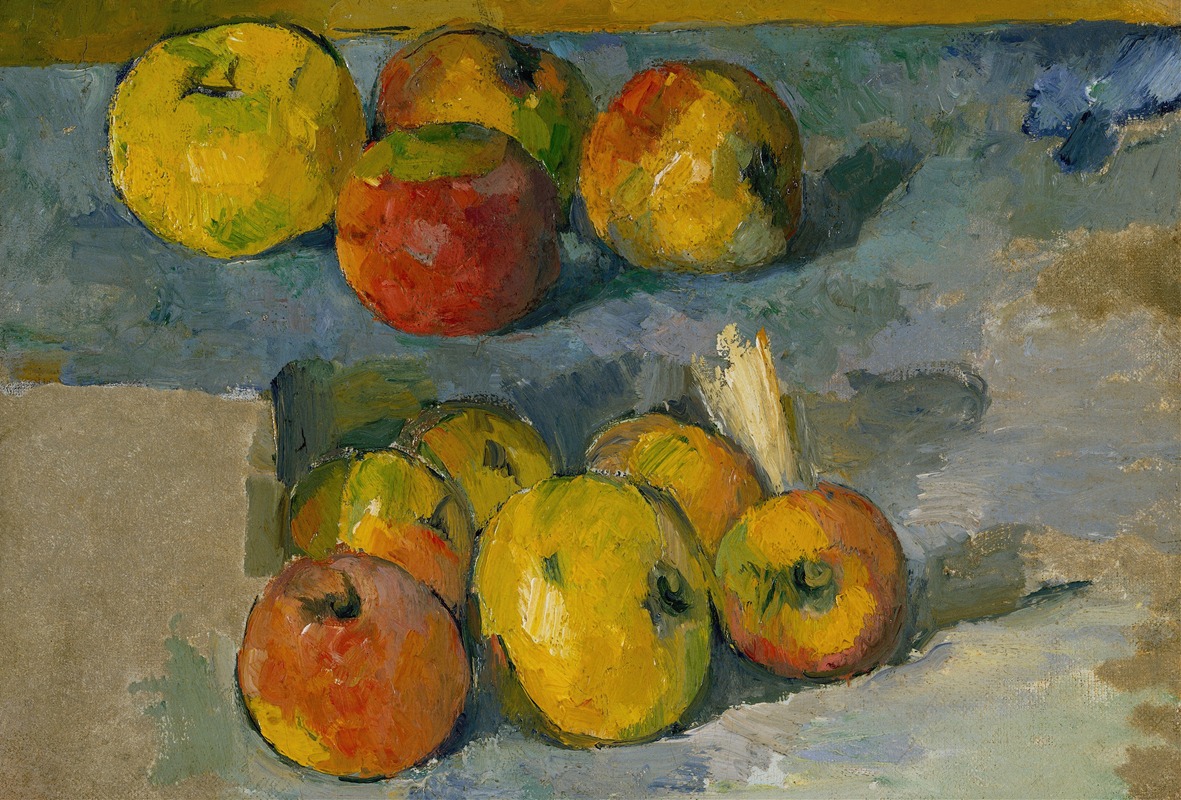
Apples
Paul Cézanne
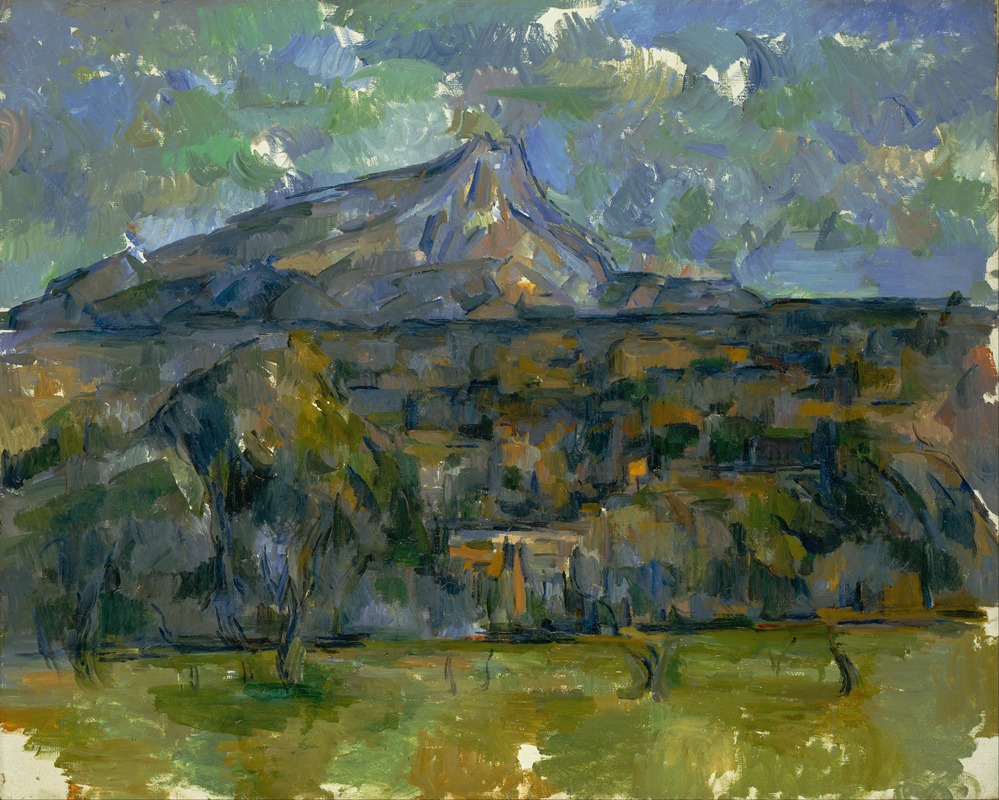
Mont Sainte-Victoire
Paul Cézanne
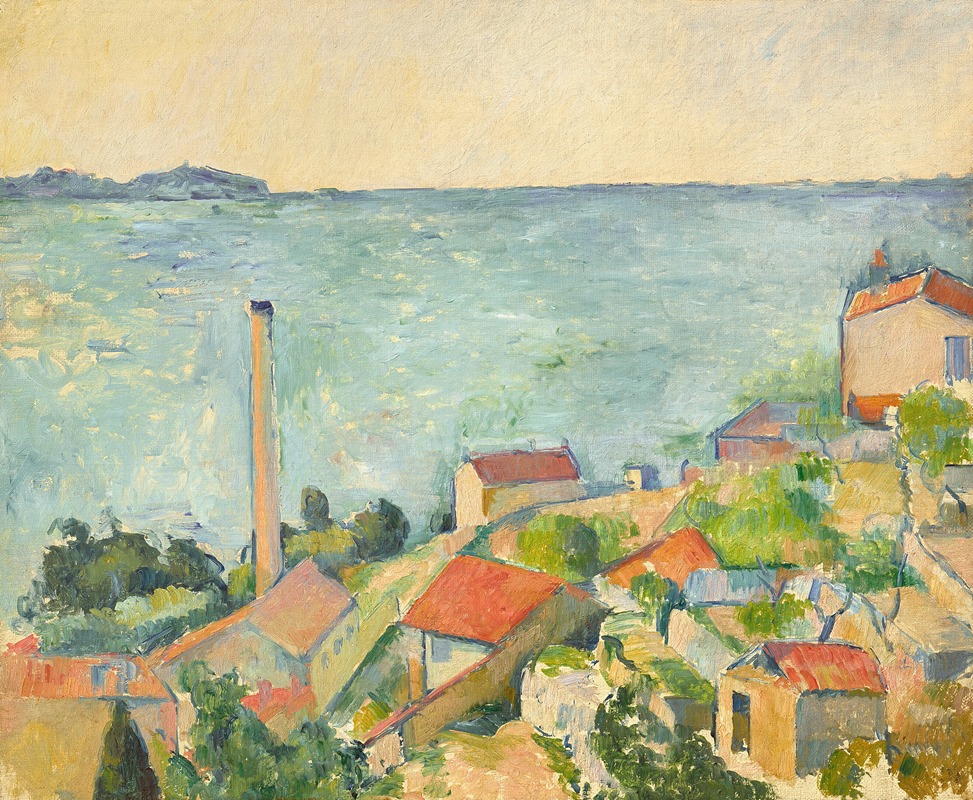
La mer à l’Estaque
Paul Cézanne
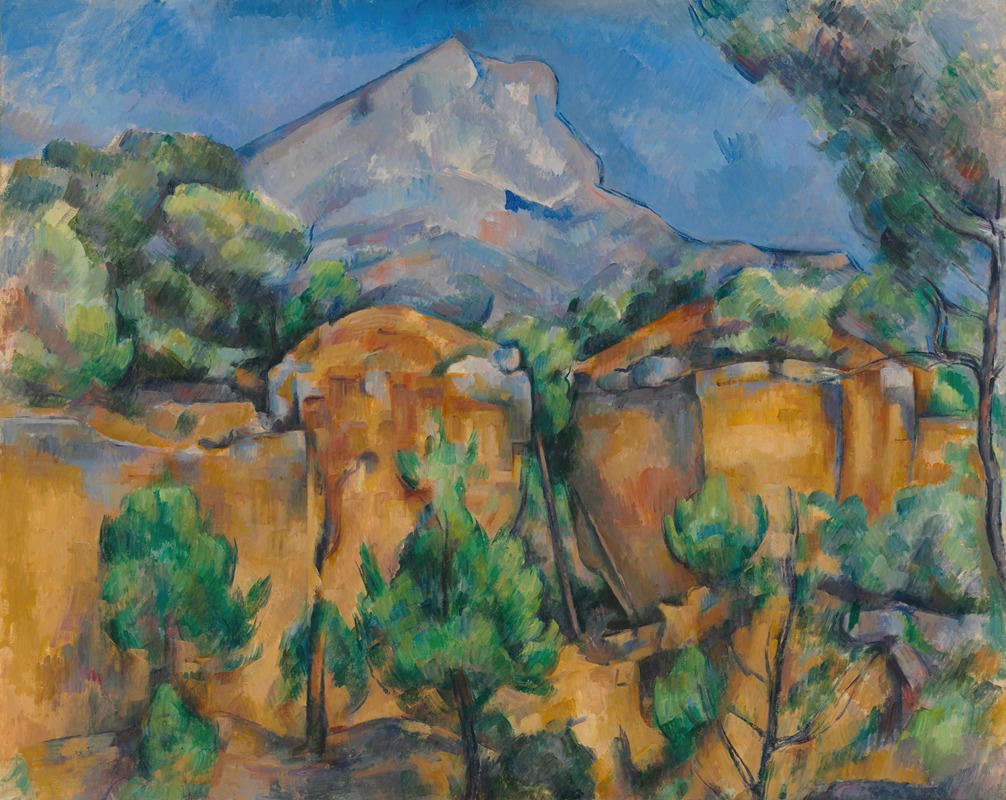
La Montagne Sainte-Victoire vue de la carrière Bibémus
Paul Cézanne
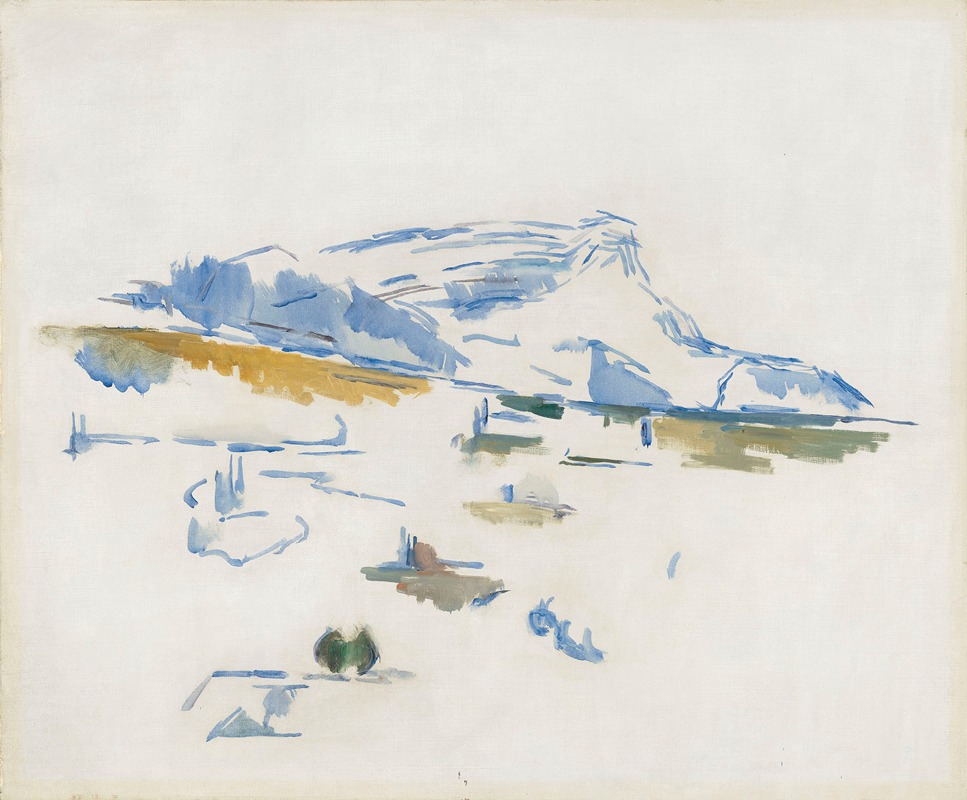
La Montagne Sainte-Victoire vue des Lauves
Paul Cézanne