
Le Pont-Neuf — History & Facts
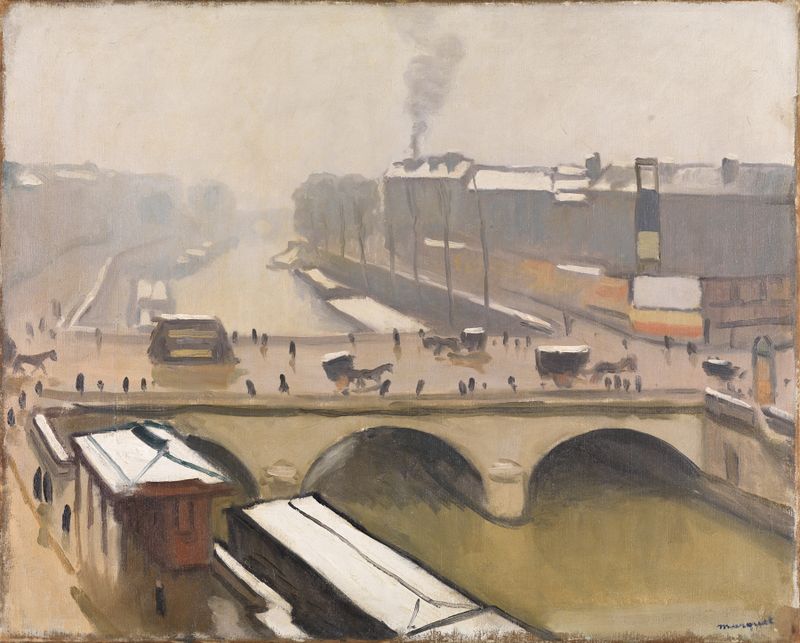
What if silence could speak through light? In the gentle interplay of color and shadow, a visceral tension evokes an atmosphere of anxiety, urging the viewer to listen closely to the resonances of a world transformed by quiet fear. Focus first on the bridge, a sturdy yet ominous structure that dominates the canvas. The soft blues and earthy tones create a sense of calmness, but as one’s eyes wander, notice how the light dances hesitantly over the water. It refracts, trembling with an unspoken tension, while the figures scattered along the banks of the Seine appear isolated, as if the weight of unvoiced worries hangs in the air.
Marquet's loose brushstrokes imbue the scene with movement, yet the stillness of the moment is palpable, inviting contemplation. Within this scene lies an exploration of emotional contrast. The muted palette suggests a sense of melancholy, while the bridge, a symbol of connection, ironically underscores the isolation of the figures below. Their silence amplifies the atmosphere, hinting at fears that linger unexpressed.
The water reflects this ambiguity, concealing as much as it reveals, a metaphor for the emotional depths beneath the surface of daily life. In 1937, Marquet was actively engaged in the Parisian art scene, a time rife with political and social tensions as Europe edged closer to conflict. This period of uncertainty influenced his artistic vision, prompting a pursuit of new methods that intertwined abstraction with realism. Le Pont-Neuf reflects not only the artist's innovative spirit but also the unease pervasive in society, captured in the serene yet unsettling depiction of a beloved landmark.
More Artworks by Albert Marquet
Browse all →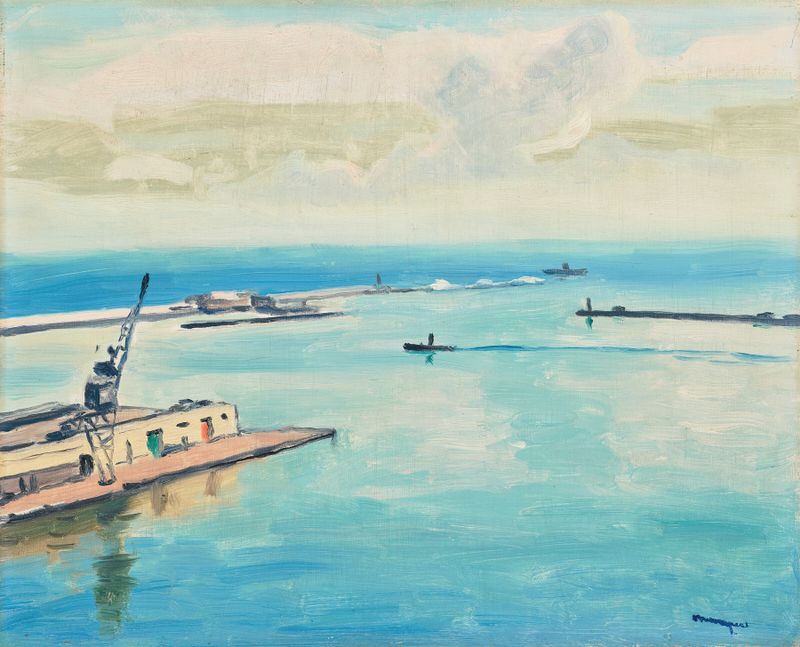
Le Port d’Alger
Albert Marquet
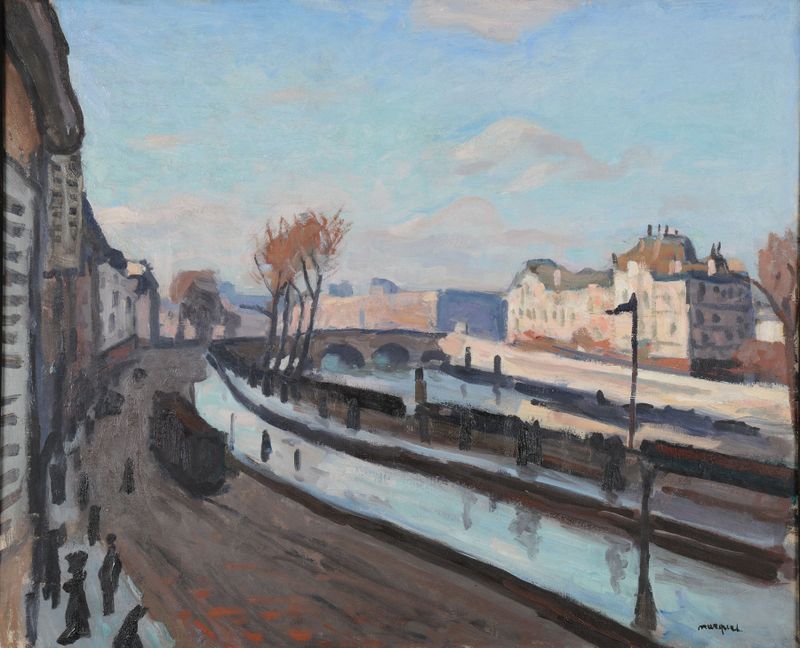
Le quai des Grands Augustins
Albert Marquet
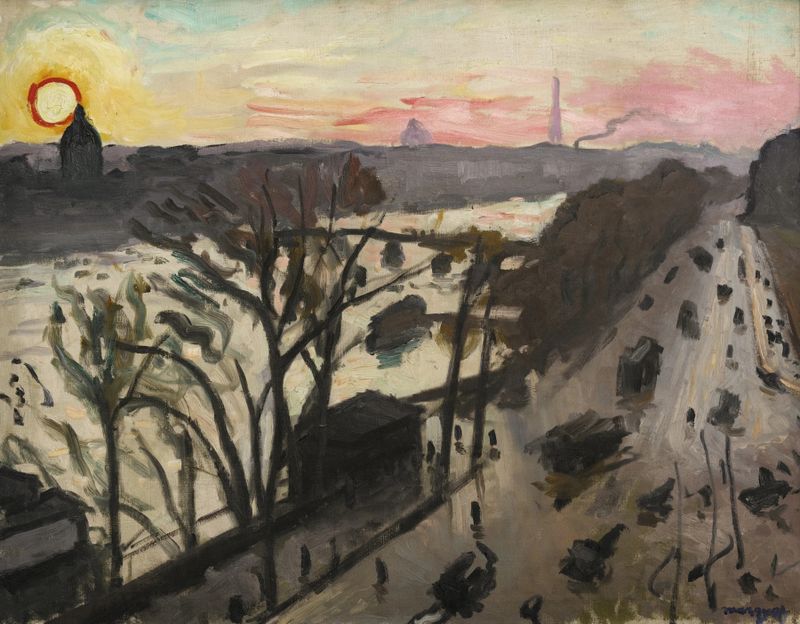
Paris, quai du Louvre, soleil d’hiver
Albert Marquet
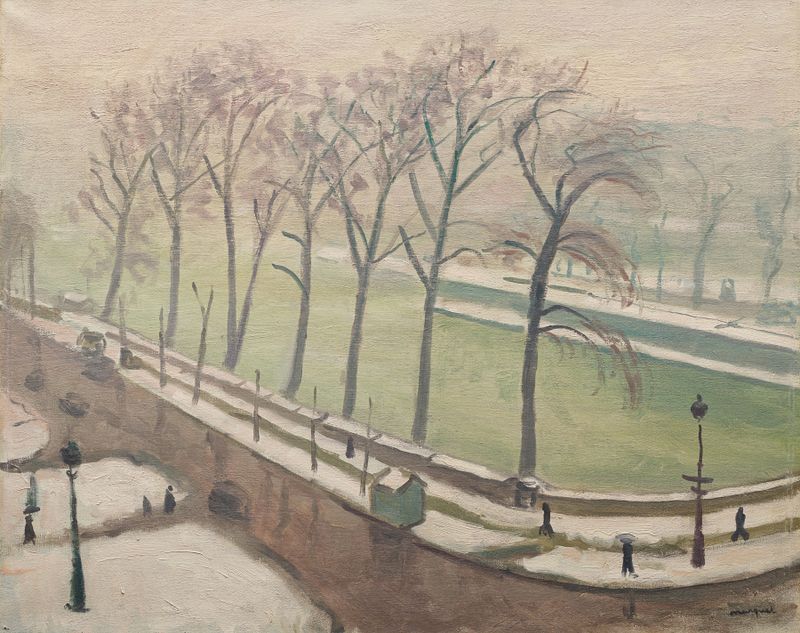
Pont-Neuf sous la neige
Albert Marquet
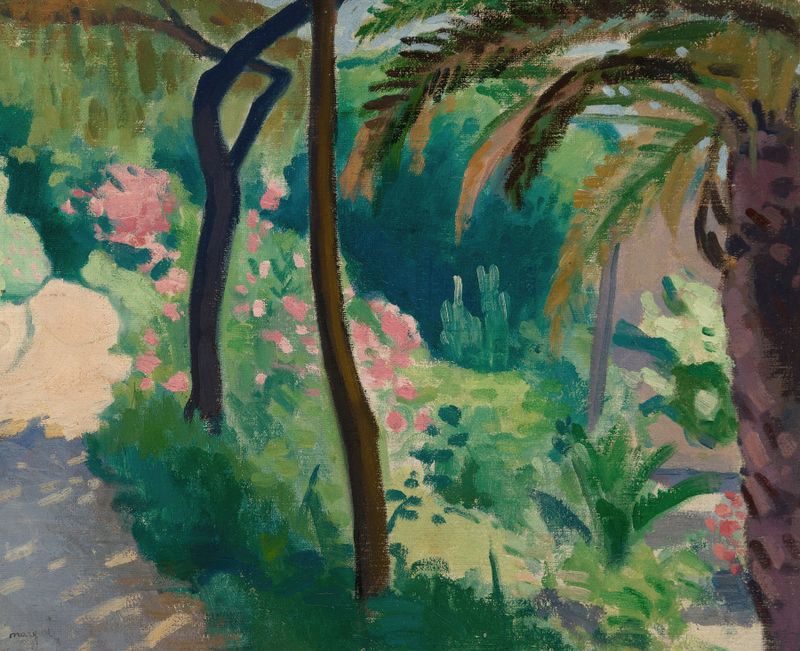
Le jardin à l’Estaque
Albert Marquet
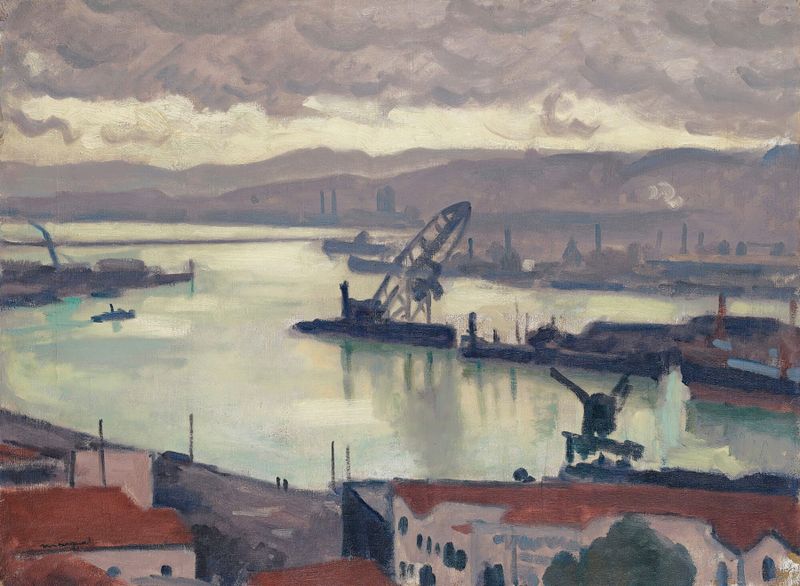
Alger, Temps Gris
Albert Marquet
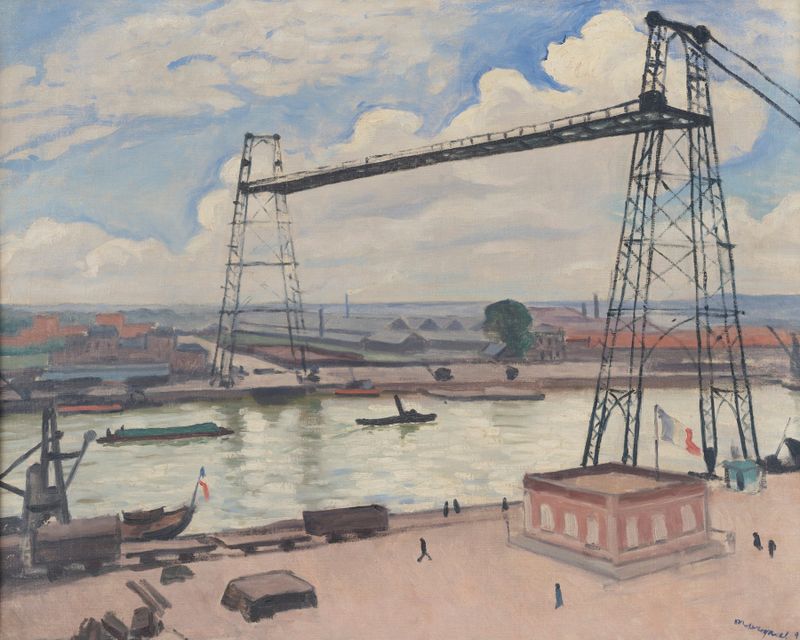
Rouen, le pont transbordeur
Albert Marquet
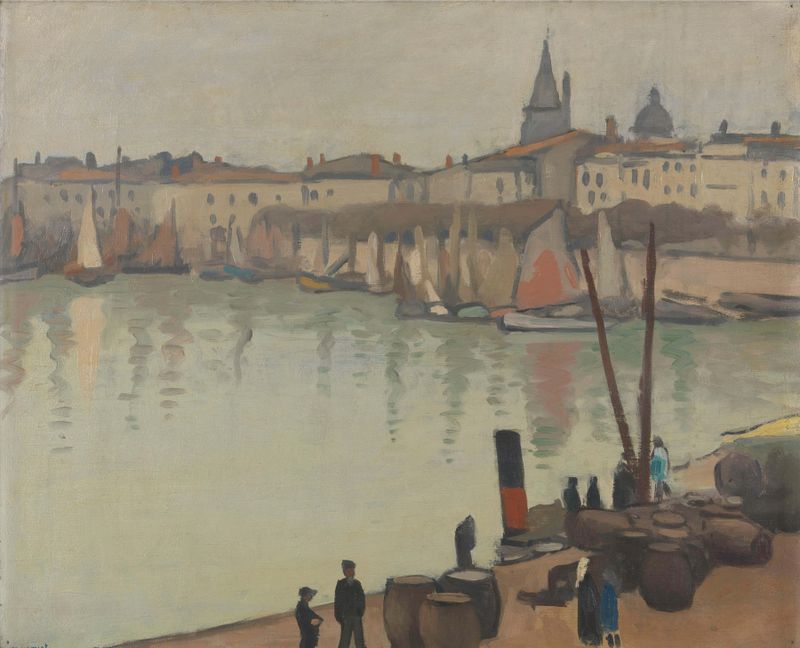
Port of La Rochelle
Albert Marquet

Berge de la Seine à Méricourt
Albert Marquet
View of the Pont Saint-Michel in Paris
Albert Marquet
More Architecture Art
Browse all →
The statue of Liberty
Frédéric Auguste Bartholdi

View of Houses in Delft, Known as ‘The Little Street’
Johannes Vermeer

View of Houses in Delft, Known as ‘The Little Street’
Johannes Vermeer

The Cathedral in Rouen. The portal, Grey Weather
Claude Monet

The yellow house
Vincent van Gogh

The Church in Auvers-sur-Oise, View from the Chevet
Vincent van Gogh