
Le Rageur — History & Facts
Is this a mirror — or a memory? The delicate interplay of light and shadow in Le Rageur invites us to ponder the balance between our perceptions and the weight of our experiences. Look closely at the left side of the canvas, where a figure emerges from the depths of muted hues. The contours of the man's face are softened by the gentle play of light, creating a haunting almost ethereal effect. Notice how the brushwork combines both texture and depth, drawing you in, while the earthy palette of browns and greens evokes a sense of introspection and calm.
The composition flows naturally, leading your gaze from the silhouetted figure to the ambient surroundings, which provide context yet remain resolutely overlooked. As you discover more nuances within the piece, consider the contrast between the figure’s stillness and the tumult of emotions implied in his expression. The man’s gaze, filled with intensity, suggests a confrontation with his inner turmoil—one that feels both universal and deeply personal. The solemnity of his posture against the vibrant backdrop of life is a powerful reminder of the delicate balance between despair and hope, urging the viewer to reflect on their own struggles. In 1887, Auguste Louis Lepère was entrenched in the Parisian art scene, experimenting with various techniques that would ultimately define his career.
At the time, the Impressionist movement was in full swing, challenging traditional narratives in art. Lepère's exploration of printmaking and painting during this period reflected a desire to capture the essence of life around him, crafting pieces that resonate with emotional gravitas while aligning with the evolving artistic landscape.
More Artworks by Auguste Louis Lepère
Browse all →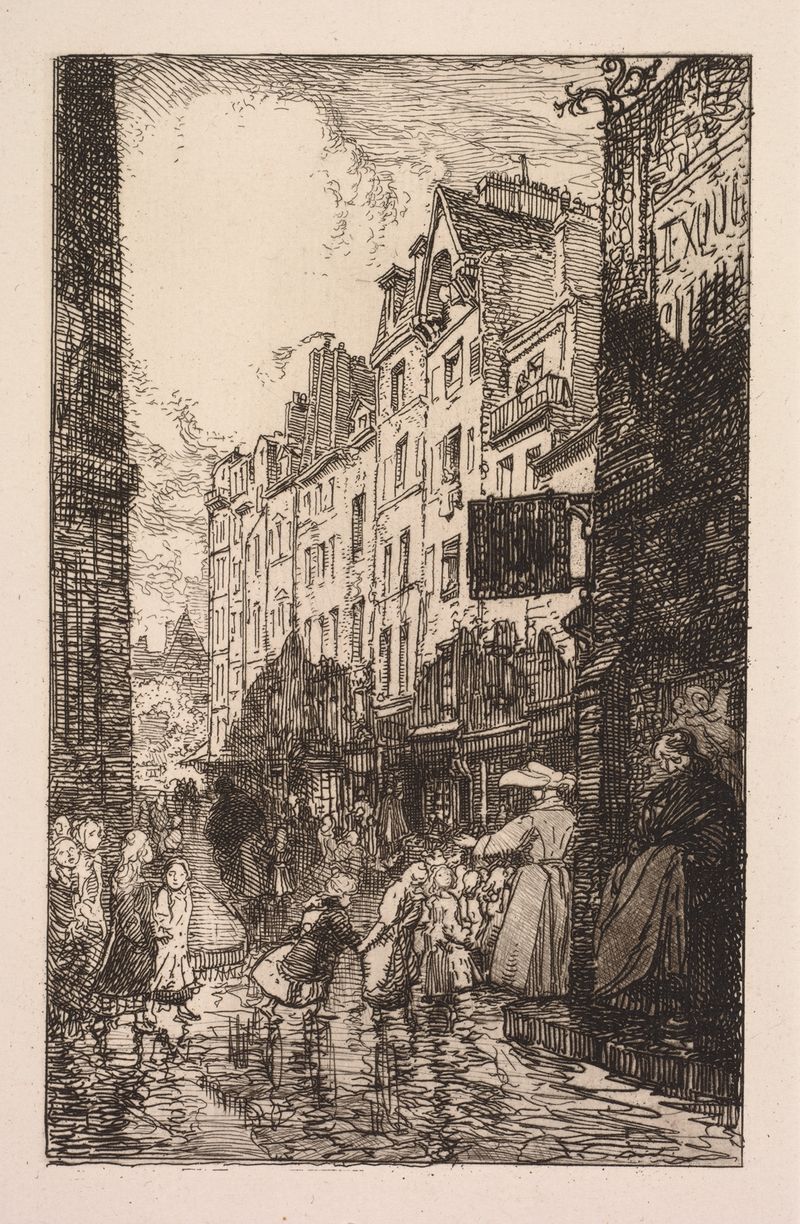
La Rue des Prêtres Saint-Séverin
Auguste Louis Lepère
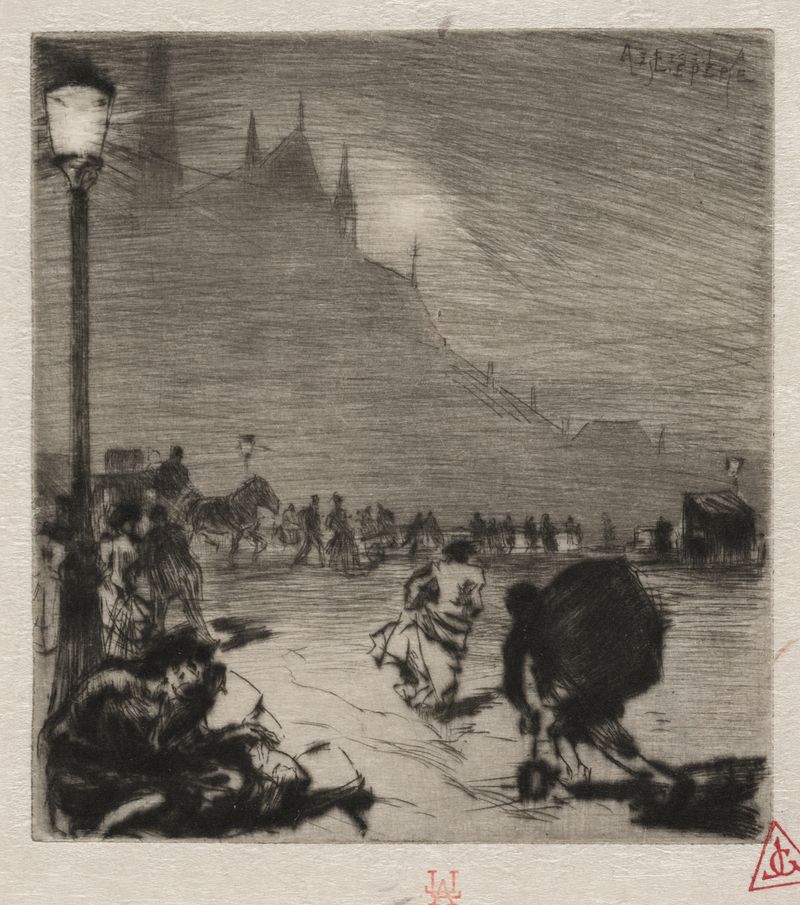
Au Coin du Pont-aux-Doubles
Auguste Louis Lepère
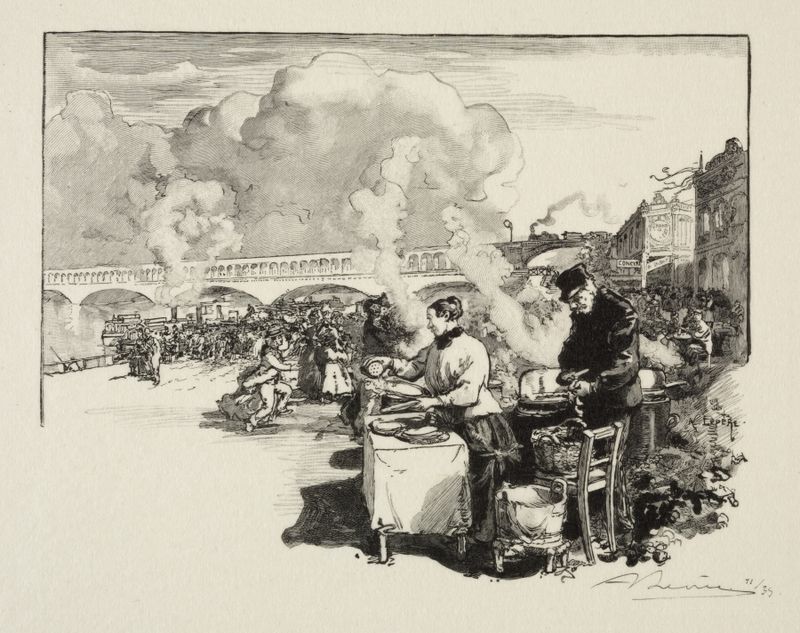
Debarcadère des bateaux-omnibus
Auguste Louis Lepère

La Seine, au quai de la Rapée
Auguste Louis Lepère
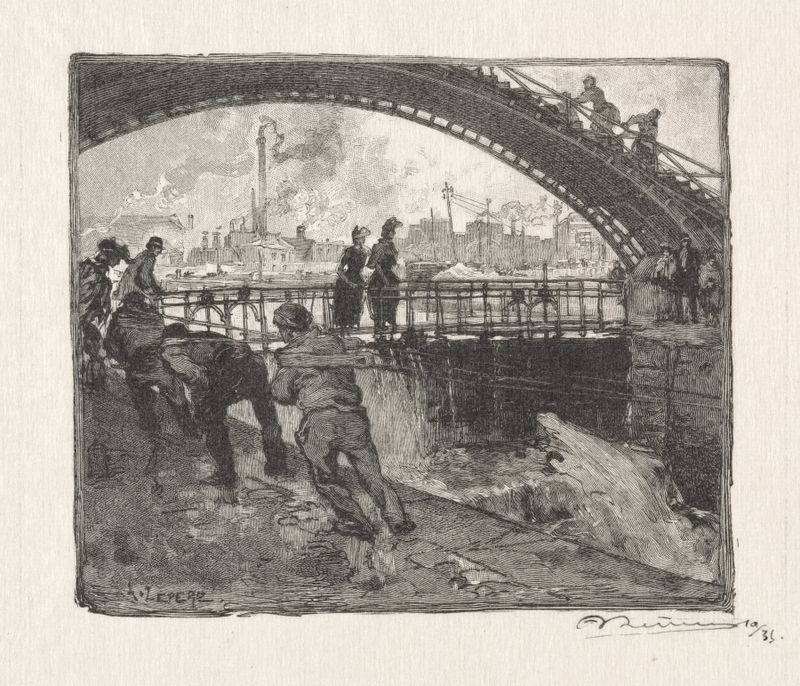
L’Ecluse du Canal St. Martin
Auguste Louis Lepère

Le Boulevard Montmartre, le Soir
Auguste Louis Lepère

Une Chasse au Mont Gérard
Auguste Louis Lepère
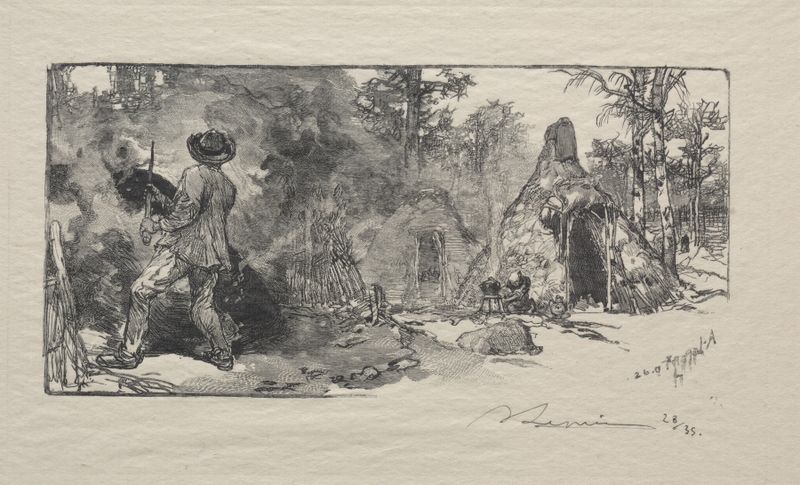
Les Charbonniere
Auguste Louis Lepère
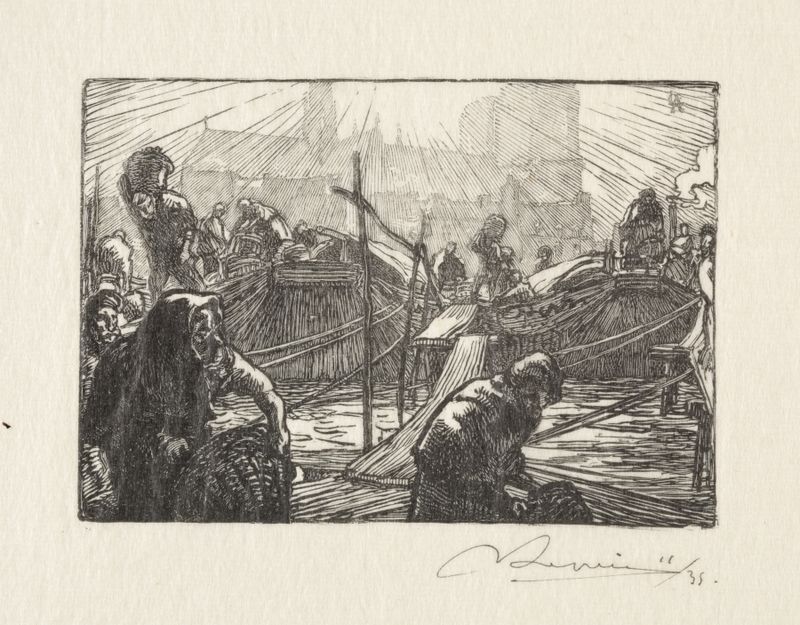
Notre Dame vue du Marché aux pommes
Auguste Louis Lepère

Le Palais des Arts Liberaux, Intèrieur
Auguste Louis Lepère





