
Le Sacré-Coeur à Montmartre. — History & Facts
What if silence could speak through light? In Le Sacré-Coeur à Montmartre, hauntingly serene shadows echo the unsaid, inviting a deeper exploration of fear hidden behind beauty. Look to the center, where the iconic basilica stands proud against a tumultuous sky, its gleaming white domes capturing the fleeting rays of sunlight. Notice how the surrounding streets, awash in soft hues of lavender and muted gold, appear almost deserted, whispering tales of abandonment and longing. The contrast between the warmth of the church’s light and the coolness of the shadows enveloping the cobblestones creates a palpable tension, urging viewers to confront their own unease amidst the promise of sanctuary. Details emerge upon closer inspection—a solitary figure, shrouded in the shadow of the church, evokes a sense of solitude, while the empty benches suggest the absence of community, amplifying the atmosphere of isolation.
The juxtaposition of the sacred and the desolate holds a mirror to our inner fears, suggesting that even in the most revered places, solace can feel elusive. This tension between spiritual refuge and personal dread invites contemplation about the vulnerability of faith in a world filled with uncertainty. In 1925, while working on this piece, Germain David-Nillet was entrenched in the vibrant artistic milieu of Montmartre, a district that had long been a haven for creative minds. It was a period marked by the fading echoes of World War I, where artists grappled with themes of loss and recovery.
Surrounded by significant historical changes, David-Nillet’s work reflects both the hope and apprehension of a post-war society, encapsulating the profound struggle between faith and fear.
More Artworks by Germain David-Nillet
Browse all →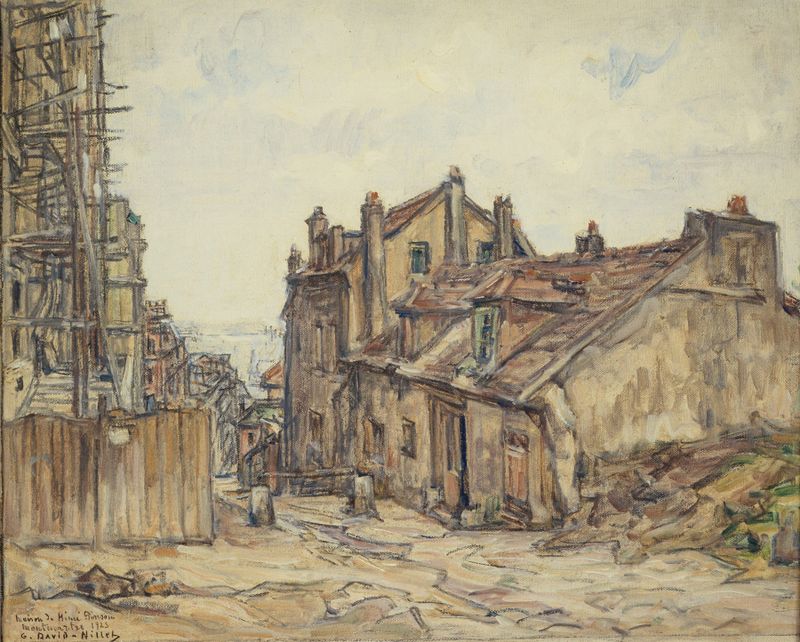
La Maison de Mimi Pinson à Montmartre
Germain David-Nillet

Travaux du métropolitain, à l’angle de la rue du faubourg Saint-Antoine et de la rue de Reuilly.
Germain David-Nillet
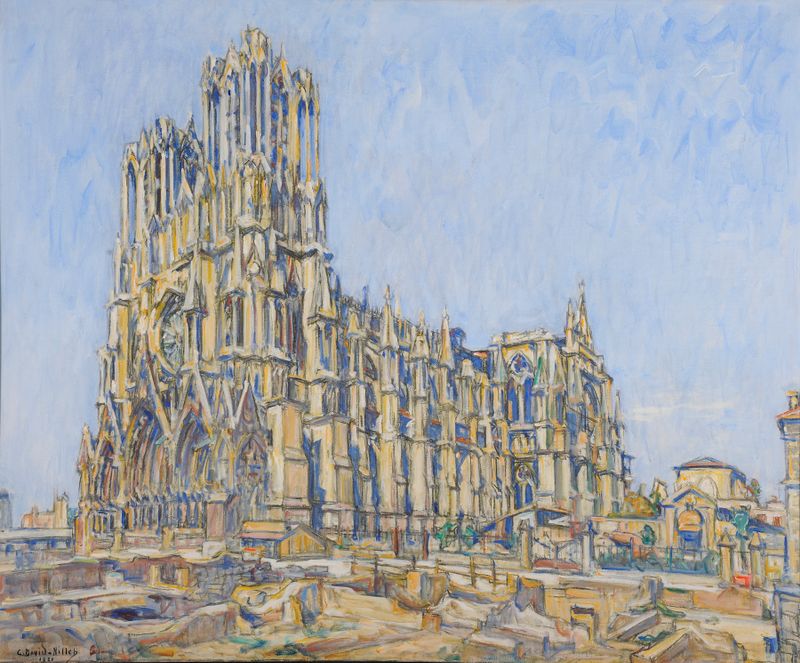
Cathédrale de Reims (côté sud)
Germain David-Nillet
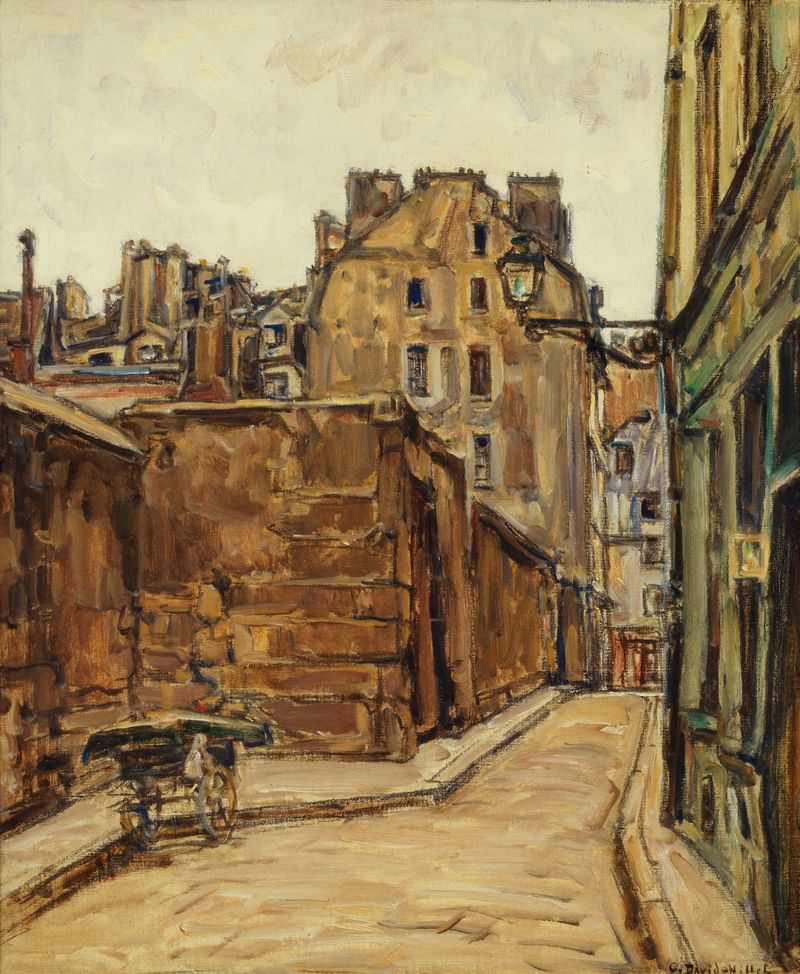
La rue Saint-Julien-le-Pauvre
Germain David-Nillet
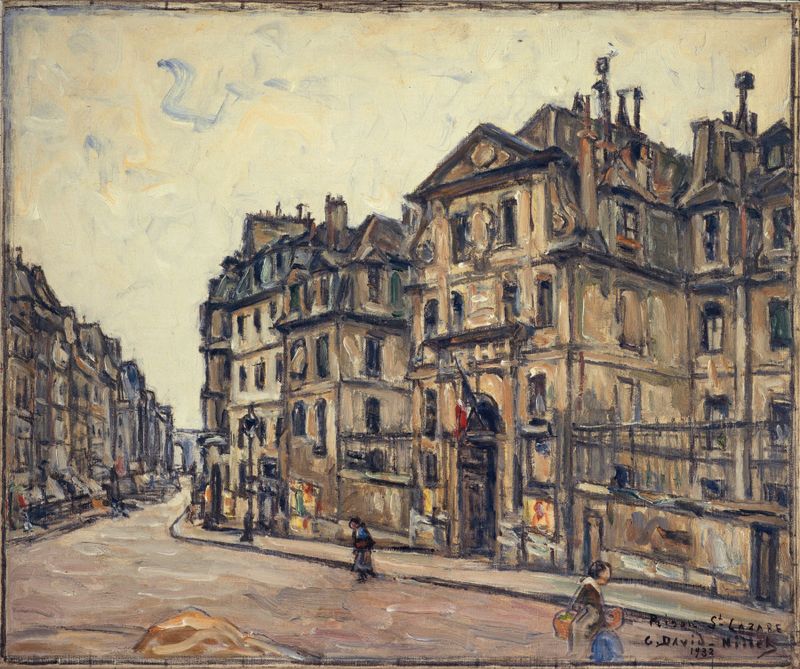
La Prison Saint-Lazare.
Germain David-Nillet
More Architecture Art
Browse all →
The statue of Liberty
Frédéric Auguste Bartholdi

View of Houses in Delft, Known as ‘The Little Street’
Johannes Vermeer

View of Houses in Delft, Known as ‘The Little Street’
Johannes Vermeer

The Cathedral in Rouen. The portal, Grey Weather
Claude Monet

The yellow house
Vincent van Gogh

The Church in Auvers-sur-Oise, View from the Chevet
Vincent van Gogh