
Le Train à Giverny — History & Facts
In the vibrant world of impressionism, color becomes the pulse of life, and in the works of Theodore Earl Butler, it breathes with a spirited intensity. Look to the left at the vivid greens that cast a lush backdrop, harmonizing with the soft golden hues of sunlight filtering through the trees. Your eyes are drawn further right to the spirited train, a dynamic diagonal slice of scarlet racing across the canvas, its movement almost palpable. The play of light, particularly how it dances upon the train's surface, reveals Butler’s adeptness with oil; he captures not just a moment but a sensation, transforming the ordinary into something extraordinary. Yet, it is in the small details where deeper meanings reside.
Consider the stark contrast between the vibrant colors of the train and the calm hues of the surrounding landscape, symbolizing the tension between nature and the encroaching industrial age. The interplay of light and shadow not only illustrates a fleeting moment but evokes a sense of nostalgia for a simpler, tranquil existence overshadowed by progress. The viewer cannot help but feel the pulse of change and the bittersweet beauty of transition. In 1904, Butler painted this piece while living in Giverny, a village known for its breathtaking landscapes and proximity to fellow artists, including Claude Monet.
At this time, the art world was grappling with the tension between burgeoning modernity and the impressionist ideals of capturing ephemeral beauty. Butler, influenced both by the scenic surroundings and the innovations of his contemporaries, found a unique voice that resonated with the essence of his time, encapsulating the dance of color and light against the backdrop of a shifting world.
More Artworks by Theodore Earl Butler
Browse all →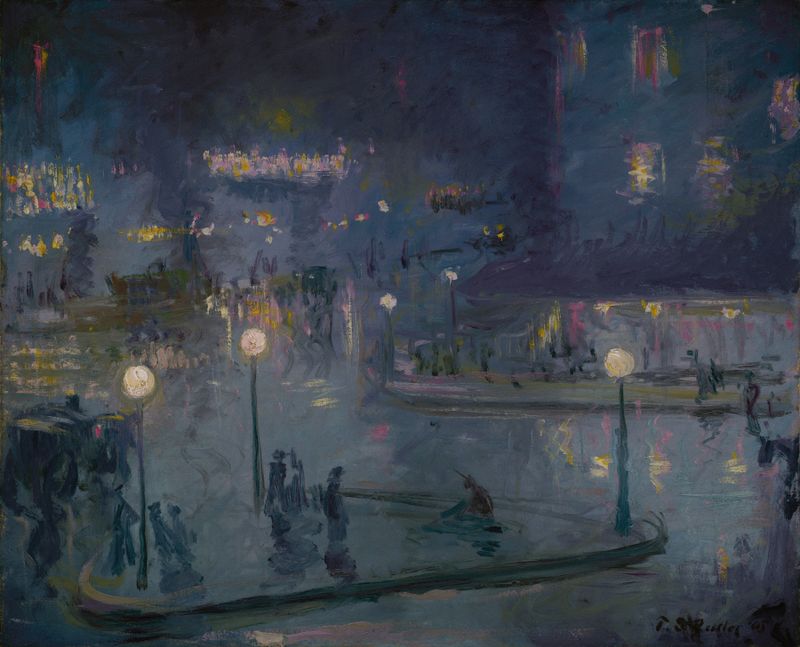
Place de Rome at Night
Theodore Earl Butler
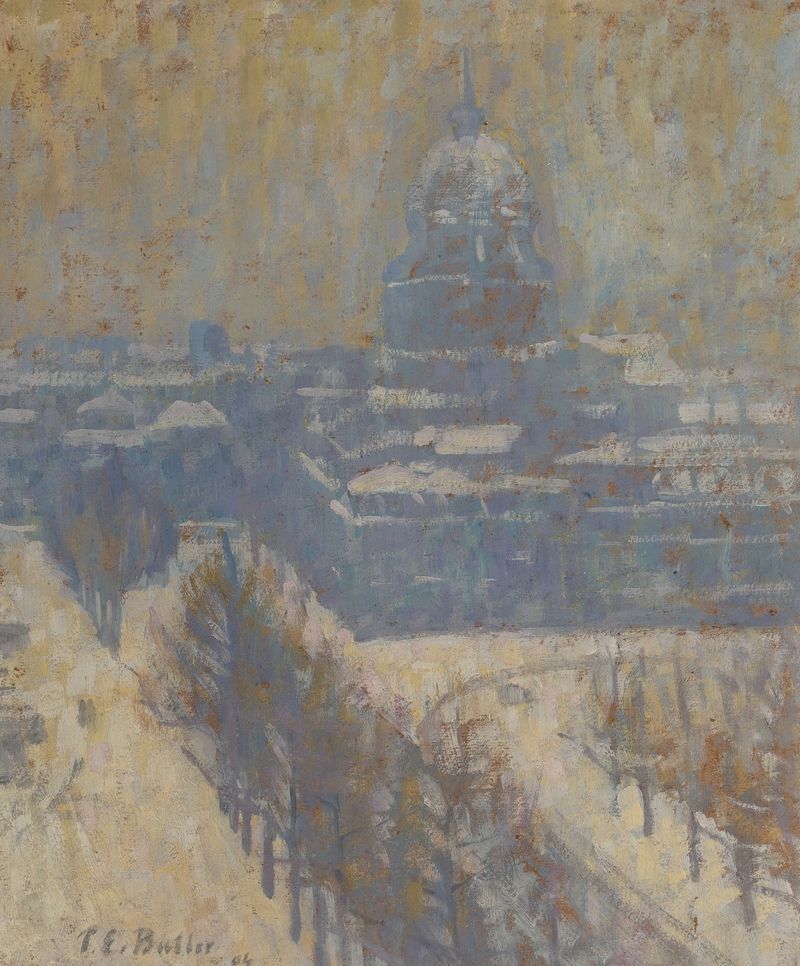
Les Invalides, Paris
Theodore Earl Butler
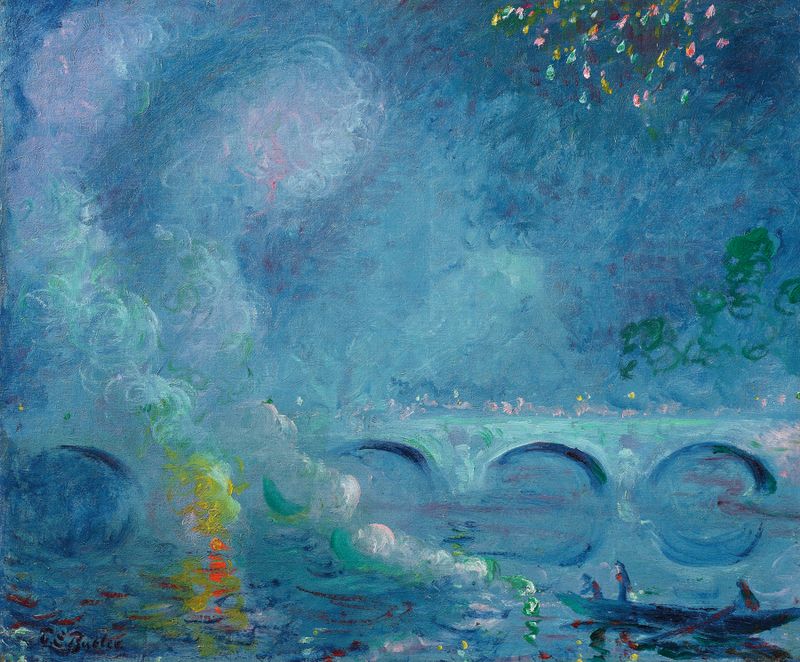
Fireworks, Vernon Bridge
Theodore Earl Butler

Flower Garden
Theodore Earl Butler
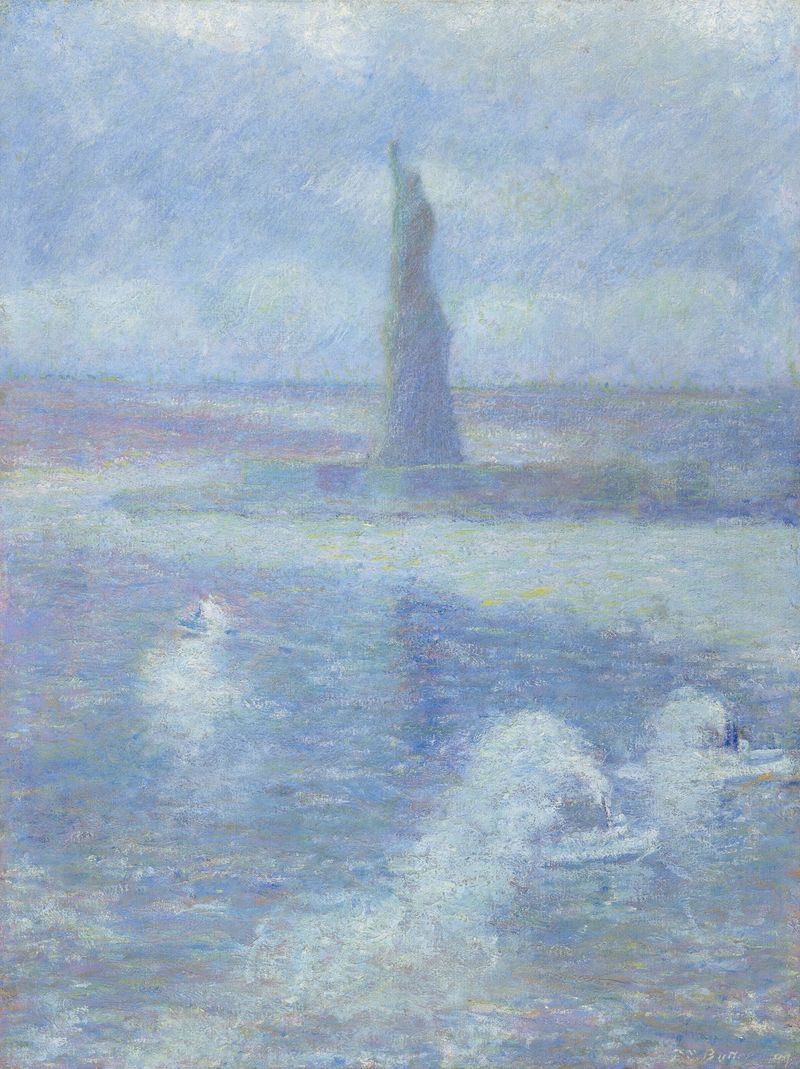
Statue of Liberty, N.Y. in Mist
Theodore Earl Butler
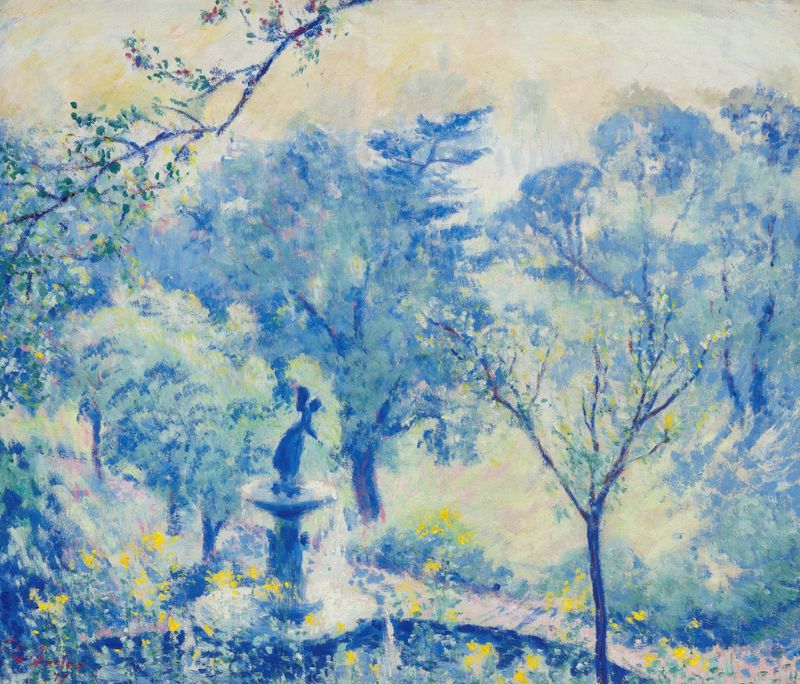
Bethesda Fountain, Central Park, New York
Theodore Earl Butler
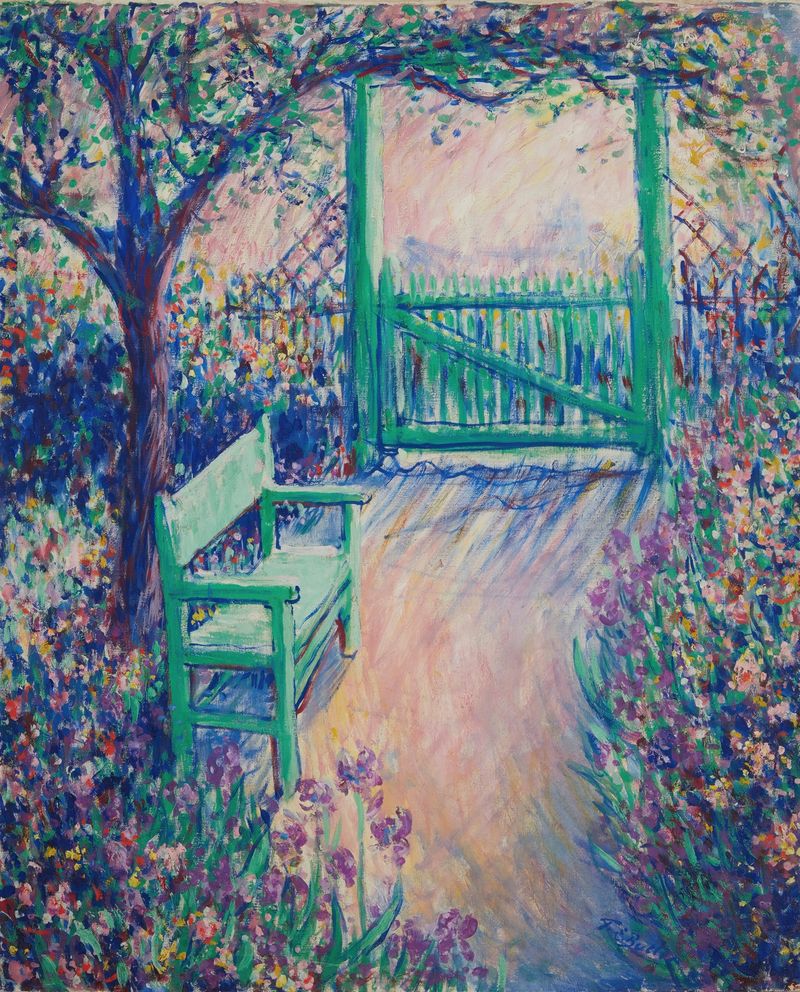
The Artist’s Garden (The Green Chair)
Theodore Earl Butler

Château-Gaillard, Les Andelys, on the Seine
Theodore Earl Butler

Les Déserts, Giverny
Theodore Earl Butler

Le Port de New York
Theodore Earl Butler





