
Les Déserts, Giverny — History & Facts
In Les Déserts, the shimmering landscape speaks of longing, where nature’s splendor masks an undercurrent of yearning. Look to the center, where the sun-drenched field meets the gently rolling hills, suffused with warm golds and deep greens. Notice how the strokes are both fluid and deliberate, creating a harmony that draws the eye through the vibrant foliage toward the horizon. This interplay of light and shadow invites you to explore every corner of the canvas, revealing the artist’s meticulous attention to detail in the throes of natural beauty. Yet beneath the idyllic surface lies a poignant contrast.
The vibrant blooms, rich with life, stand in stark juxtaposition to the darker, shadowed areas that invoke feelings of absence and nostalgia. Each brushstroke appears to whisper secrets of the transient nature of beauty, eliciting a bittersweet ache that resonates deeply. The warmth of the colors invites connection, while the cooler tones remind us of what can never be held too closely. Butler painted Les Déserts in 1912 while living in Giverny, a place that profoundly influenced his work.
At this time, he was immersing himself in the Impressionist movement, drawing inspiration from the landscapes of Monet, who was also his mentor. As the world around him stood on the brink of change with the approaching First World War, Butler's canvas reflects both an appreciation for beauty and an underlying sense of impending loss.
More Artworks by Theodore Earl Butler
Browse all →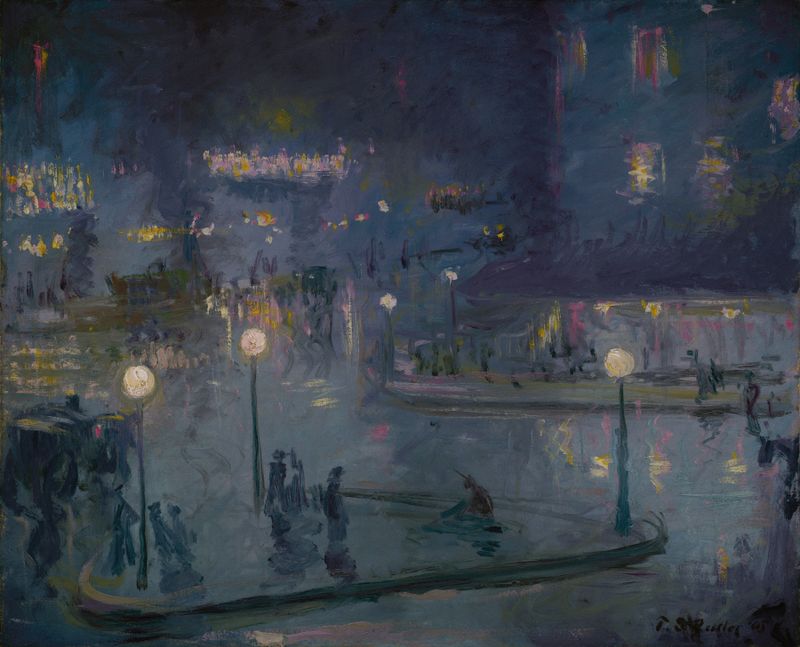
Place de Rome at Night
Theodore Earl Butler
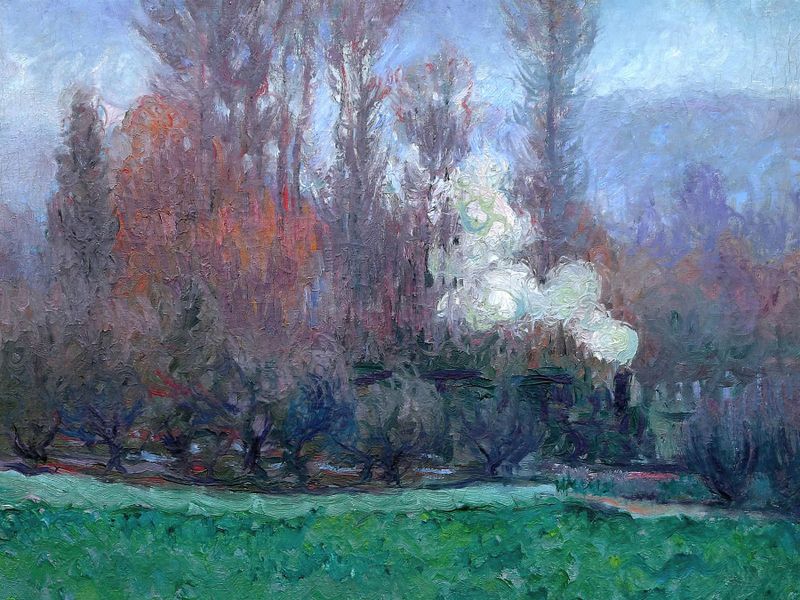
Le Train à Giverny
Theodore Earl Butler
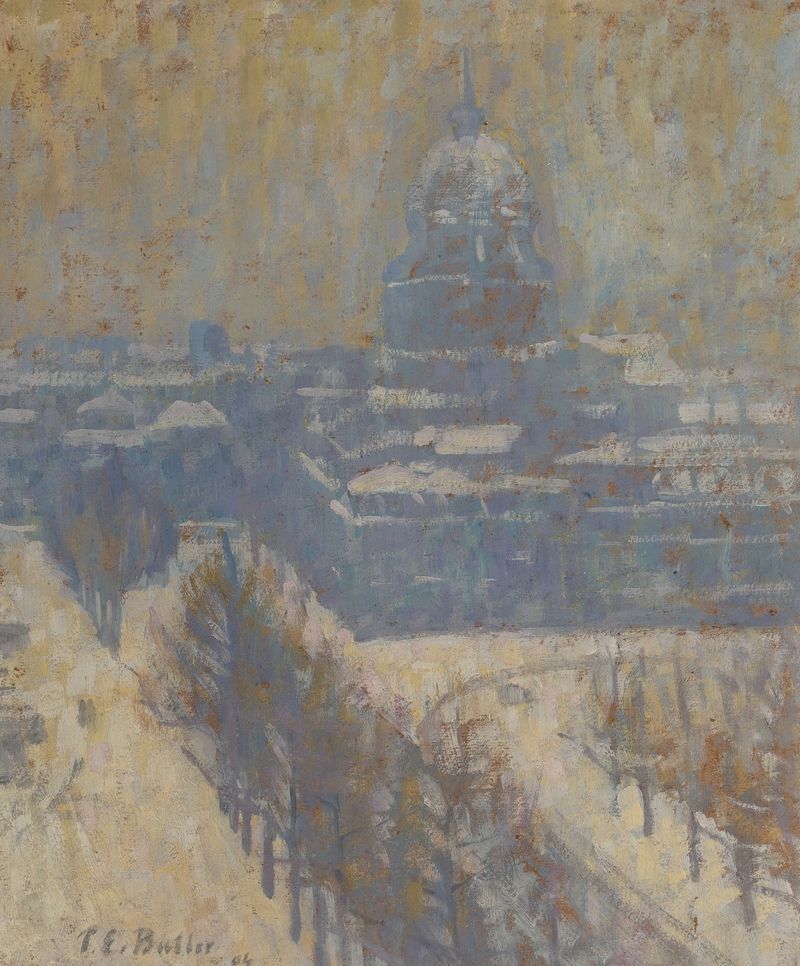
Les Invalides, Paris
Theodore Earl Butler
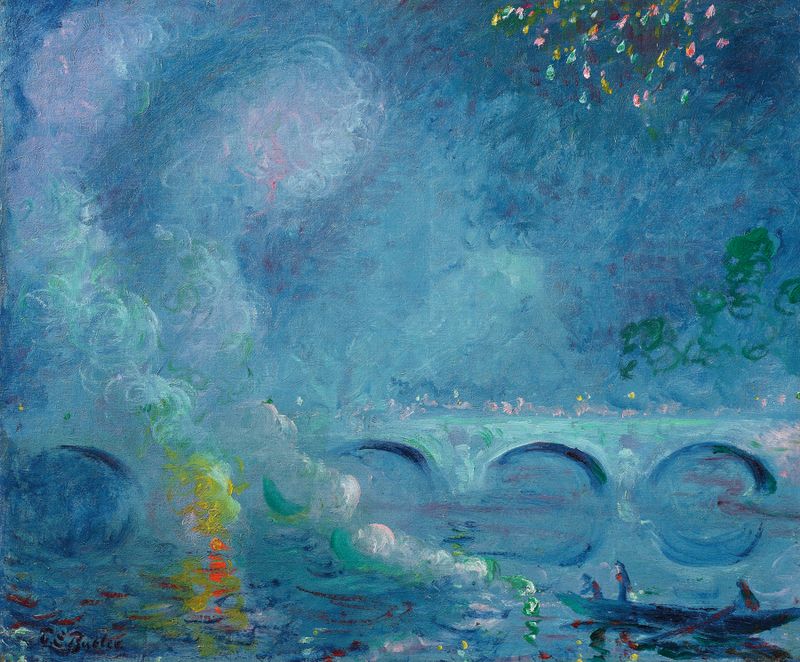
Fireworks, Vernon Bridge
Theodore Earl Butler

Flower Garden
Theodore Earl Butler
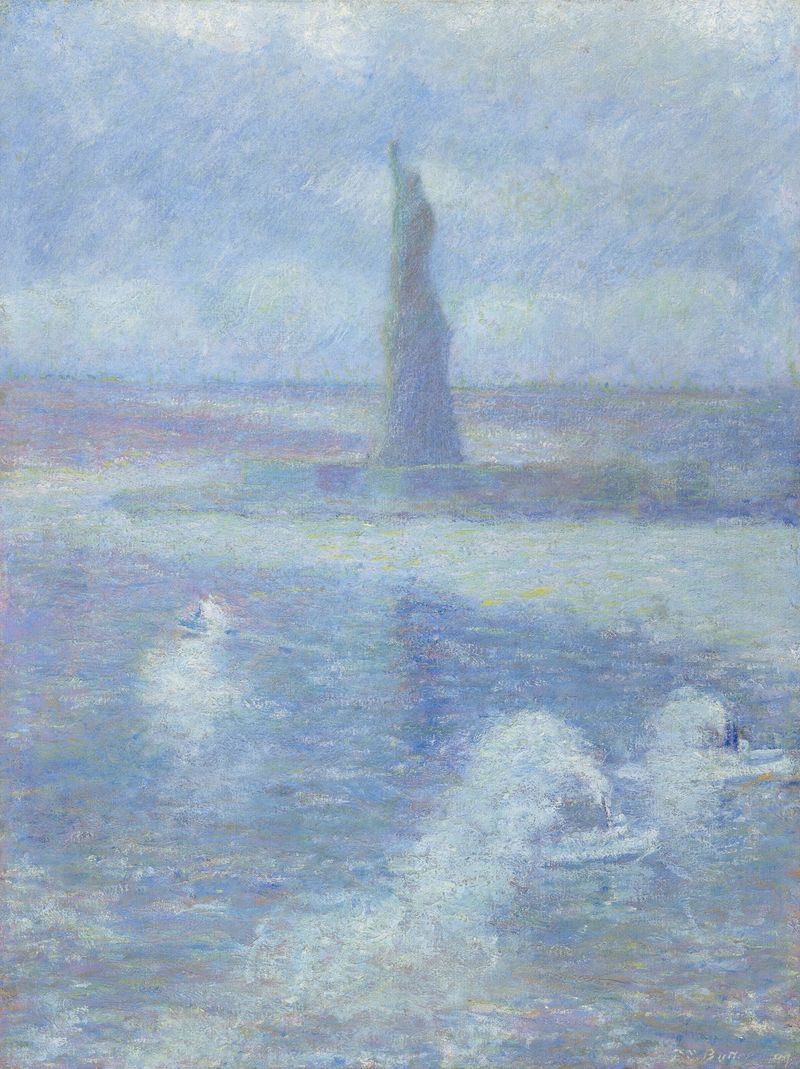
Statue of Liberty, N.Y. in Mist
Theodore Earl Butler
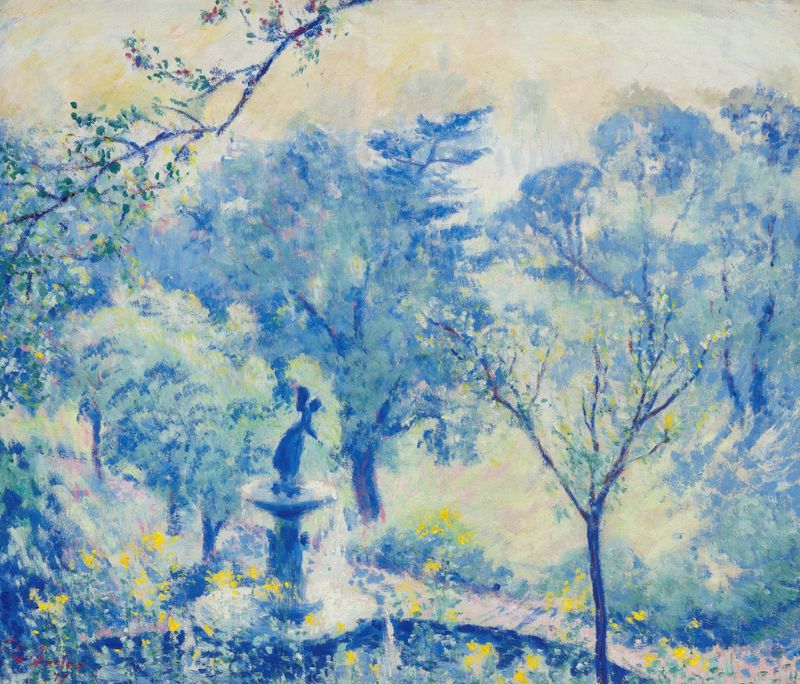
Bethesda Fountain, Central Park, New York
Theodore Earl Butler
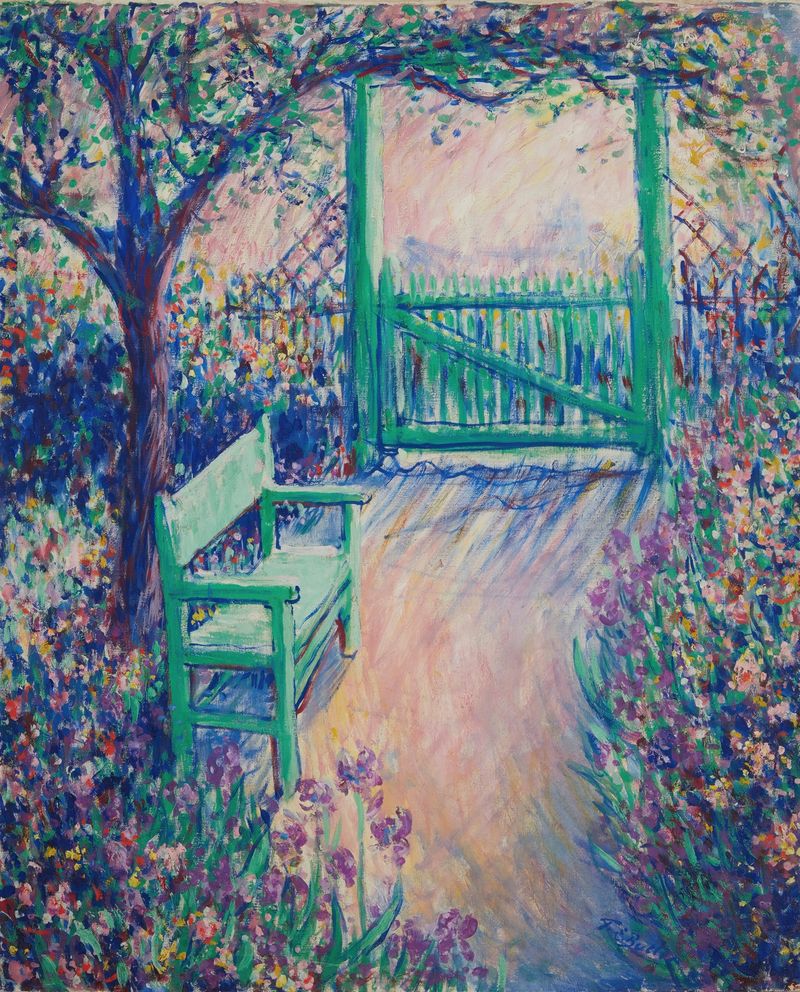
The Artist’s Garden (The Green Chair)
Theodore Earl Butler

Château-Gaillard, Les Andelys, on the Seine
Theodore Earl Butler

Le Port de New York
Theodore Earl Butler





