
The Artist’s Garden (The Green Chair) — History & Facts
A gentle breeze stirs the lush greenery, whispering through the leaves of the garden. Sunlight filters down, dappling the ground in a mosaic of light and shadow, where hues of green embrace vibrant blooms in a soft, fragrant embrace. A solitary figure leans against a verdant backdrop, a tranquil moment captured in time, as if the world outside has momentarily paused. Look to the left, where the vivid strokes of petals draw your gaze to the brilliant bursts of color amid the greenery.
The central green chair, a focal point of calm, invites the viewer to imagine the artist at rest, contemplating the beauty surrounding him. Notice how the light dances across the garden, highlighting the delicate interplay of brushwork that Butler employs, creating a dreamlike quality that feels both intimate and expansive. Yet beneath the serenity lies a tension between nature and the solitude of the artist. The juxtaposition of the inviting chair and the overwhelming flora suggests an internal struggle, a yearning to connect with both the natural world and oneself.
Each flower represents fleeting moments, while the quiet chair stands as a testament to the passage of time, inviting reflection on transience and presence. In 1926, when this piece was created, Butler was immersed in the American Impressionist movement, finding inspiration in the vibrant landscapes of Giverny, France. He was navigating his own artistic journey, striving to capture the essence of light and color that defined his surroundings. This period marked a time of intense exploration, reflecting his desire to encapsulate both the beauty of the world and the deeper emotions intertwined with it.
More Artworks by Theodore Earl Butler
Browse all →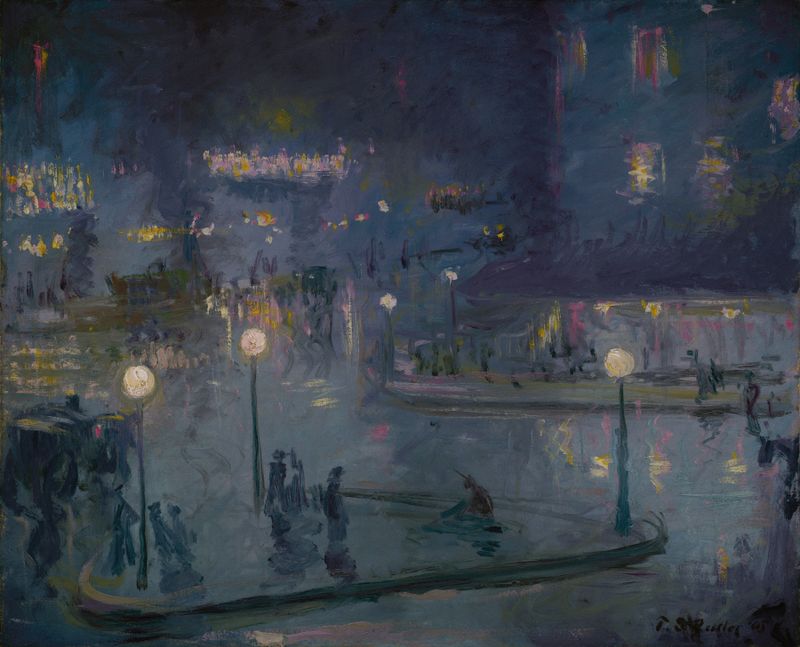
Place de Rome at Night
Theodore Earl Butler
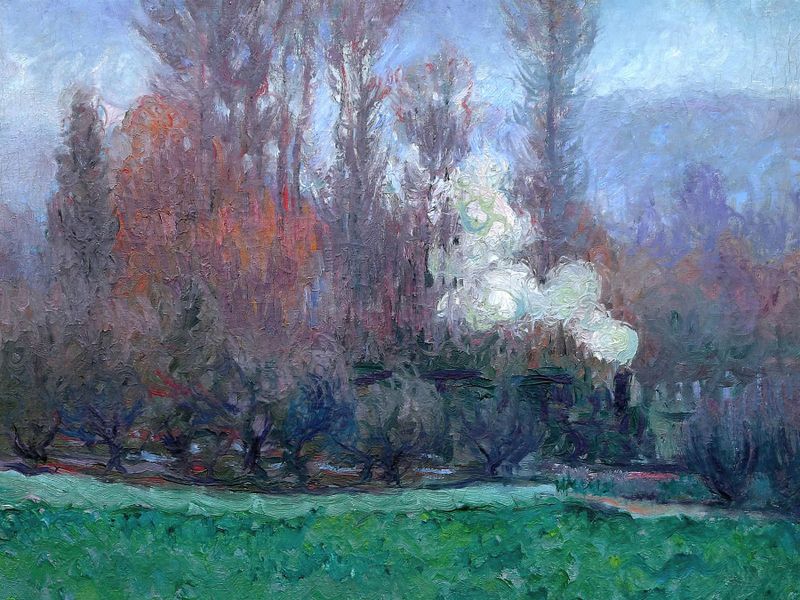
Le Train à Giverny
Theodore Earl Butler
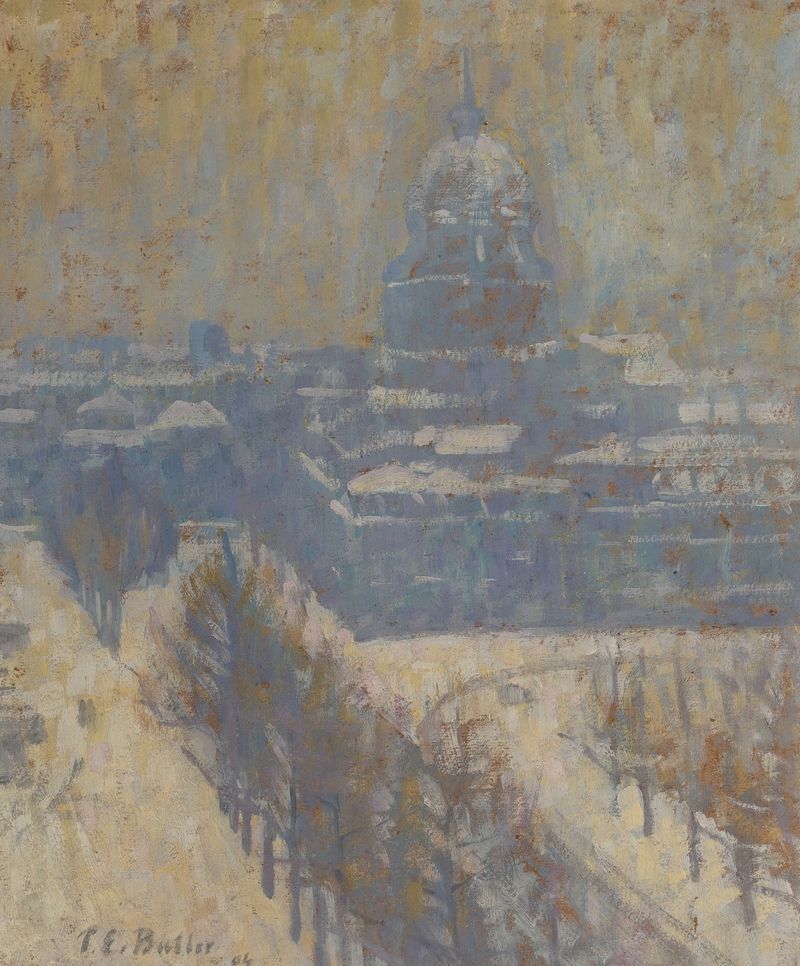
Les Invalides, Paris
Theodore Earl Butler
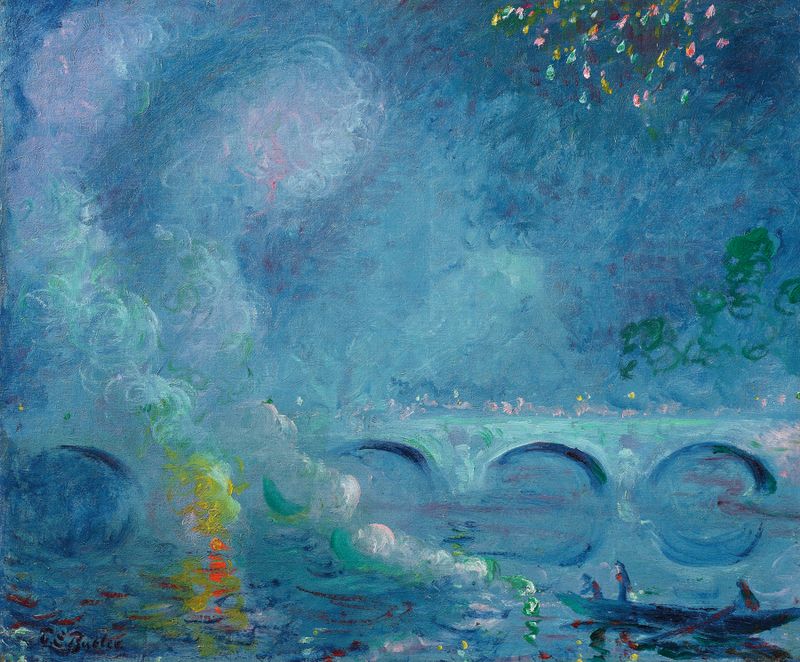
Fireworks, Vernon Bridge
Theodore Earl Butler

Flower Garden
Theodore Earl Butler
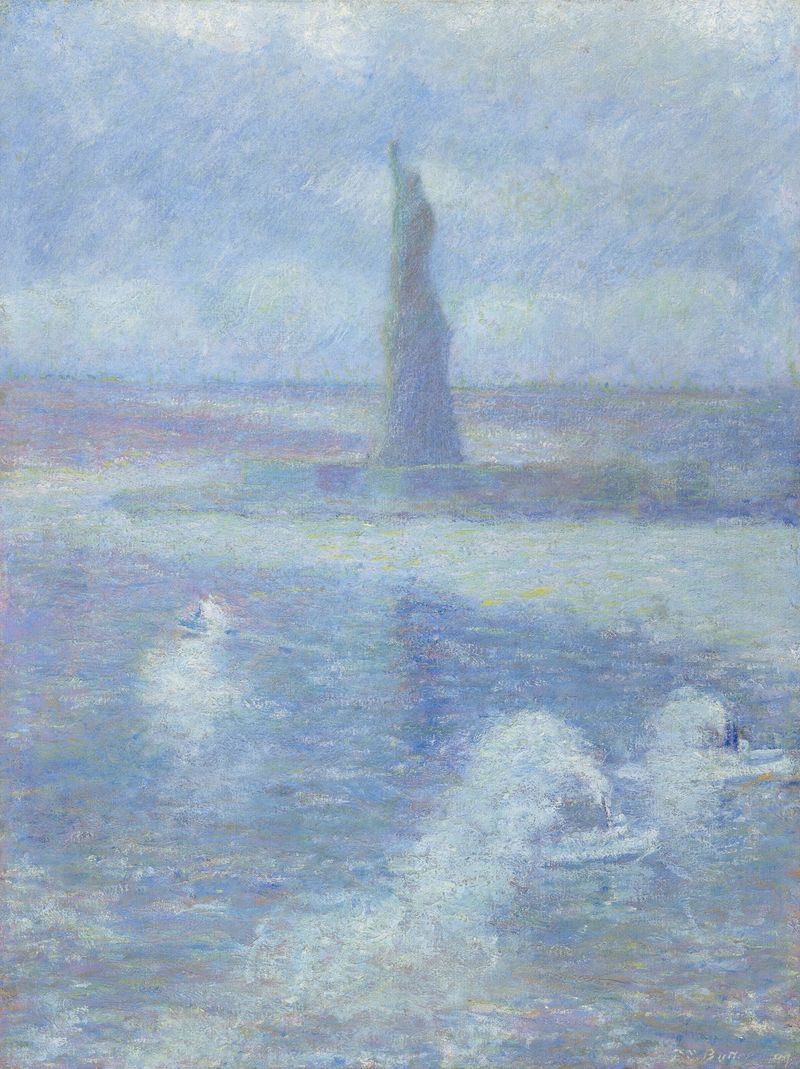
Statue of Liberty, N.Y. in Mist
Theodore Earl Butler
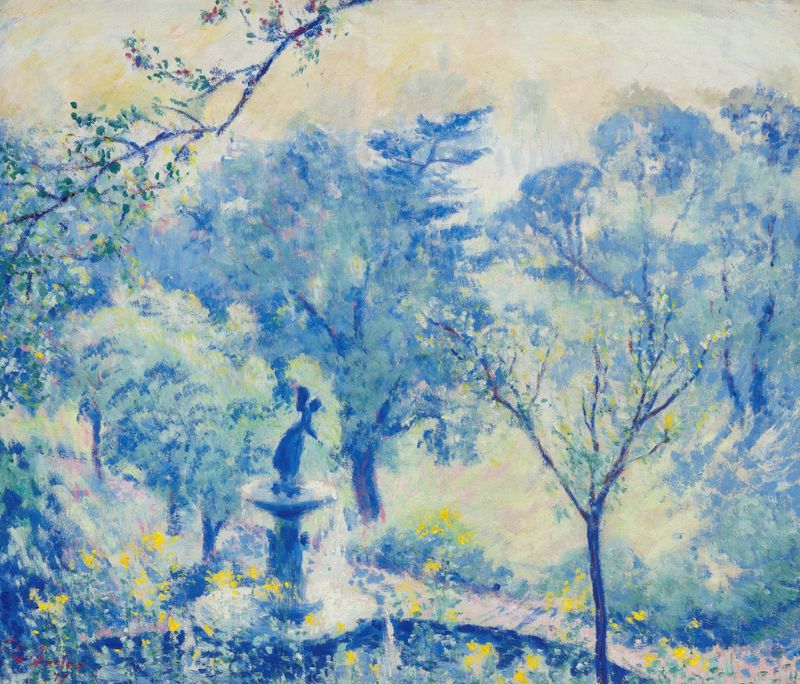
Bethesda Fountain, Central Park, New York
Theodore Earl Butler

Château-Gaillard, Les Andelys, on the Seine
Theodore Earl Butler

Les Déserts, Giverny
Theodore Earl Butler

Le Port de New York
Theodore Earl Butler





