Flower Garden — History & Facts
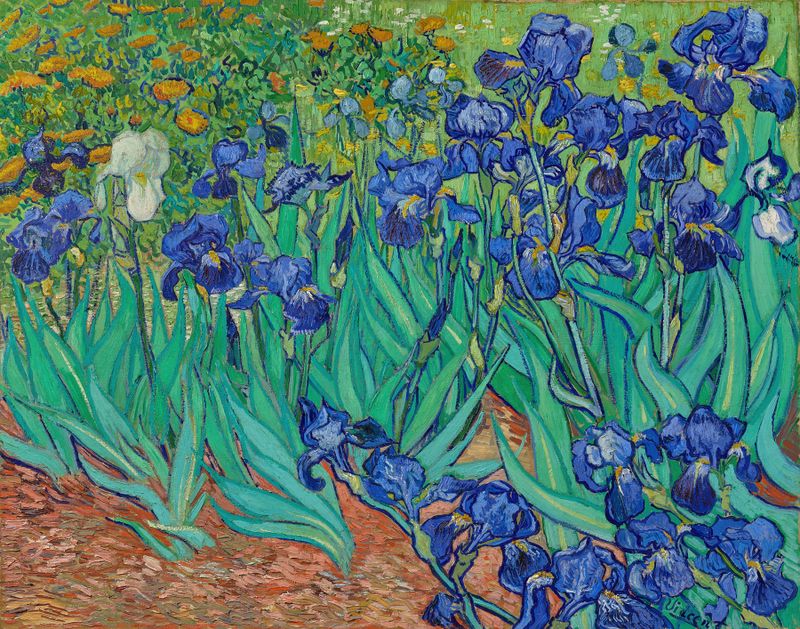
In a sun-drenched garden, colors dance vibrantly as the flowers sway gently in the breeze. A lone figure, perhaps a woman in a flowing white dress, kneels among the blossoms, gathering petals like whispers of lost love. Light spills from above, illuminating her delicate hands, while shadows lurk in the corners, hinting at a deeper sorrow that hangs in the air. Look to the left at the riot of colors – reds, yellows, and purples – that seem almost to pulse with life.
Notice how Butler’s brushwork brings each bloom to life, with thick strokes that create texture and depth. The composition draws the eye across the canvas, from the vibrant foreground to the soft pastels of the sky. A sense of abundance reigns, yet the solitary figure hints at isolation amidst the beauty. The contrast between the floral vibrancy and the woman’s quiet presence evokes a profound tension.
Each flower, bursting with life, stands in stark opposition to the stillness of the kneeling figure, suggesting a burden of grief that lingers in the midst of beauty. This interplay invites the viewer to reflect on the juxtaposition of joy and sorrow, and how even in nature’s splendor, personal loss can overshadow moments of happiness. In 1908, Theodore Earl Butler painted Flower Garden while establishing his reputation in the American Impressionist movement. Living in France, he was deeply influenced by the light and landscapes of the region, which coincided with a broader artistic exploration of color and emotion.
It was a time when artists sought to capture fleeting moments of beauty, yet for Butler, this exploration often intertwined with themes of personal grief, as he navigated his own emotional landscape during these years.
More Artworks by Theodore Earl Butler
Browse all →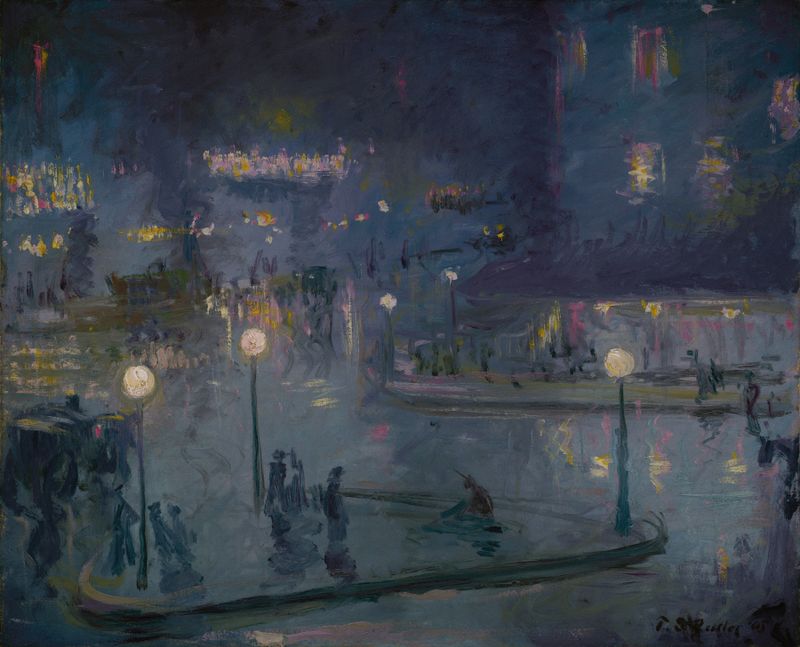
Place de Rome at Night
Theodore Earl Butler
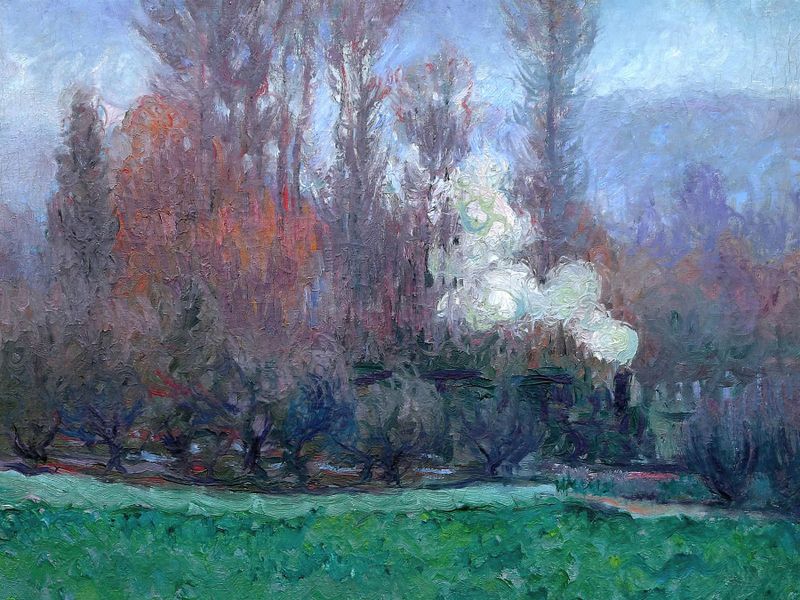
Le Train à Giverny
Theodore Earl Butler
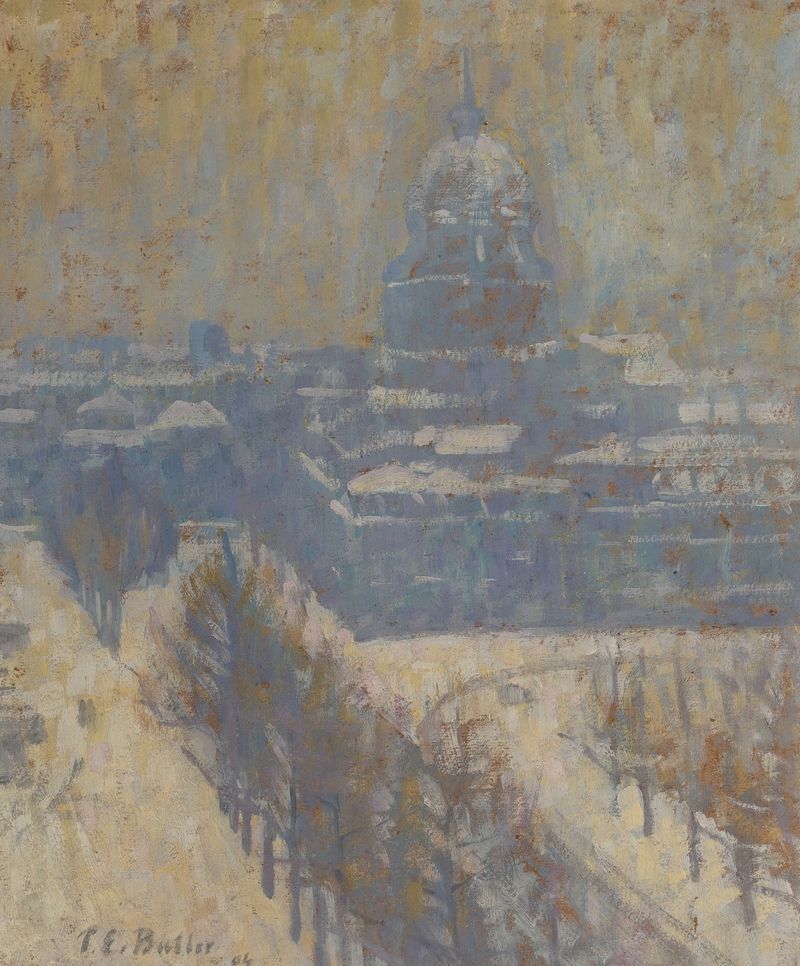
Les Invalides, Paris
Theodore Earl Butler
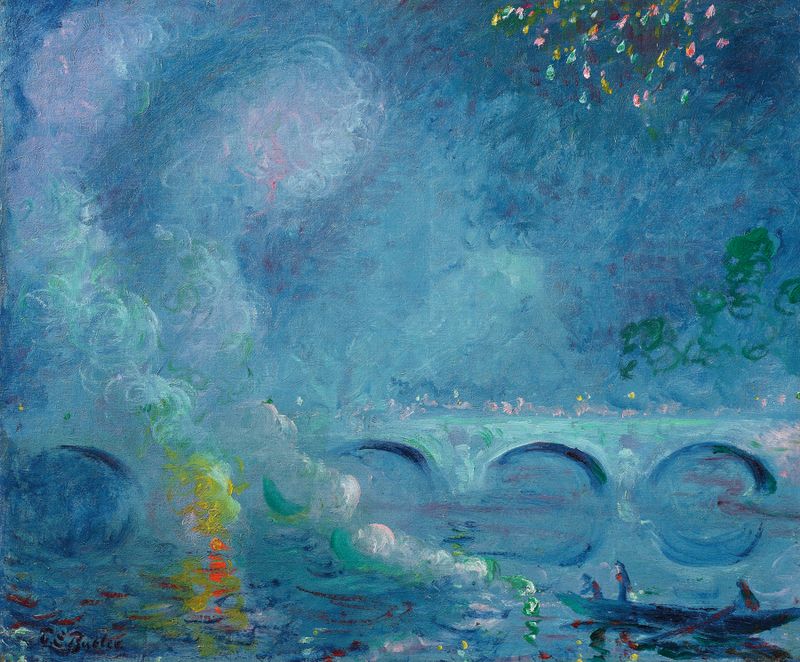
Fireworks, Vernon Bridge
Theodore Earl Butler
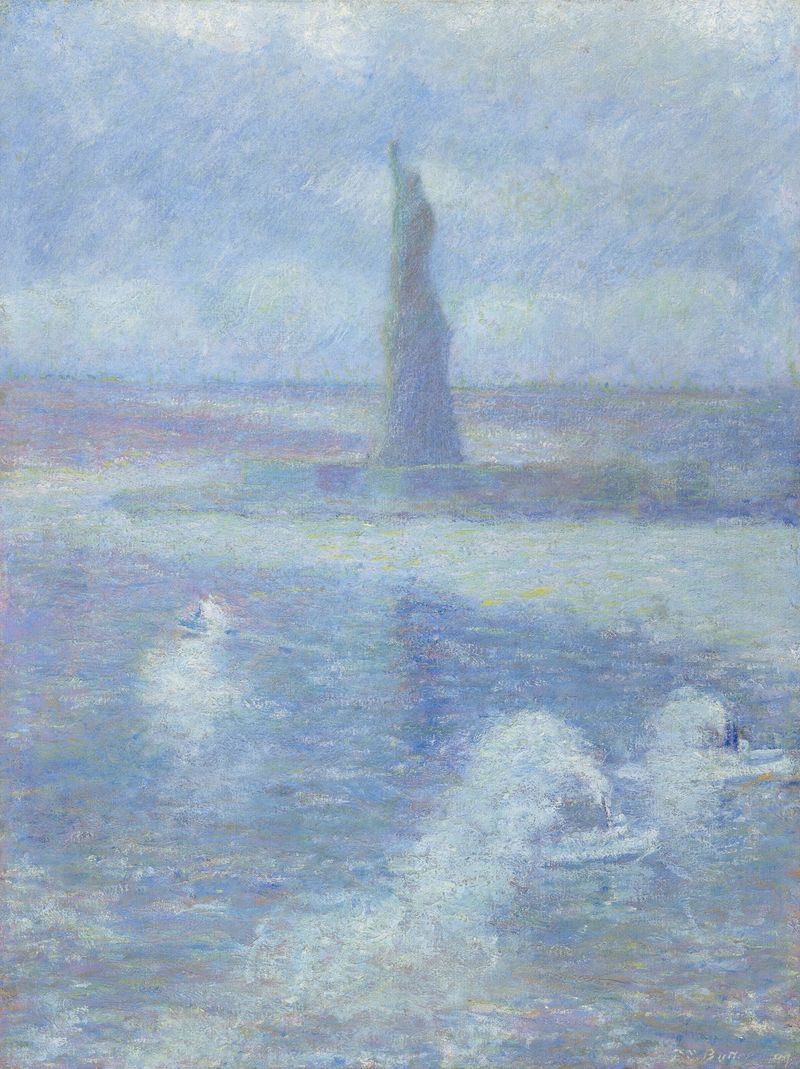
Statue of Liberty, N.Y. in Mist
Theodore Earl Butler
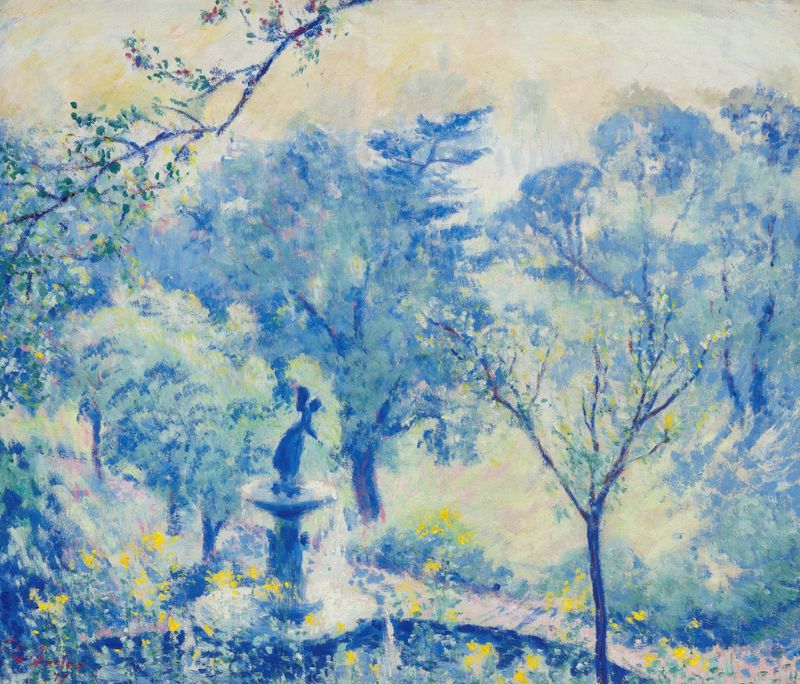
Bethesda Fountain, Central Park, New York
Theodore Earl Butler
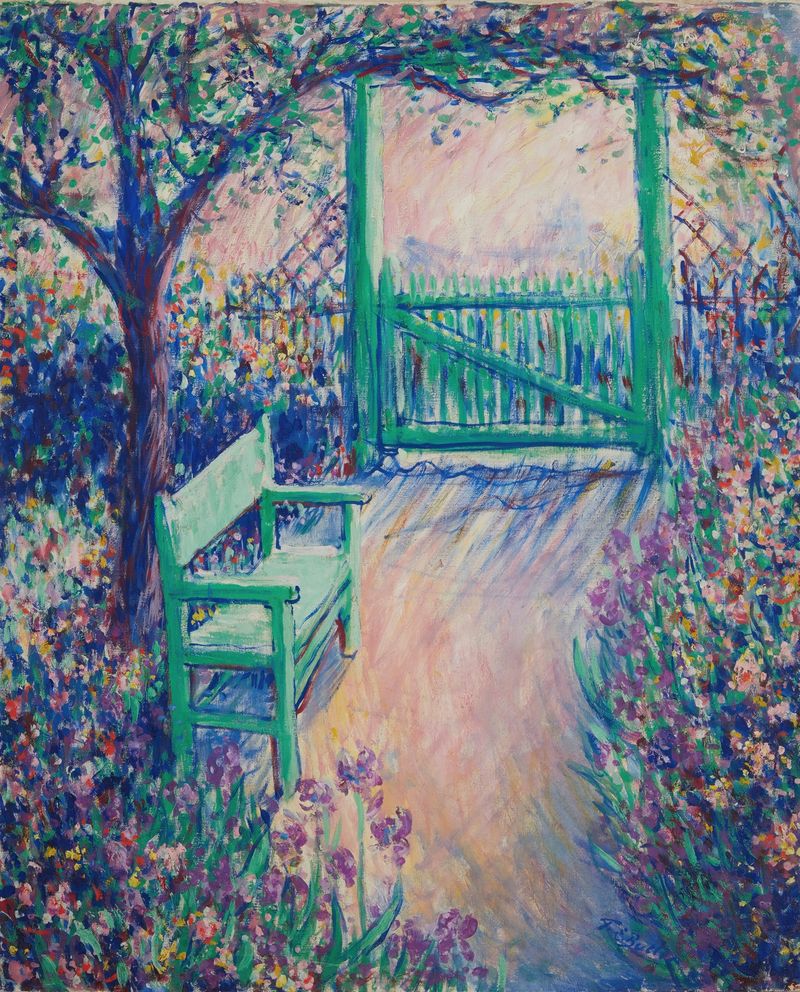
The Artist’s Garden (The Green Chair)
Theodore Earl Butler

Château-Gaillard, Les Andelys, on the Seine
Theodore Earl Butler

Les Déserts, Giverny
Theodore Earl Butler

Le Port de New York
Theodore Earl Butler