Le train à Jeufosse — History & Facts
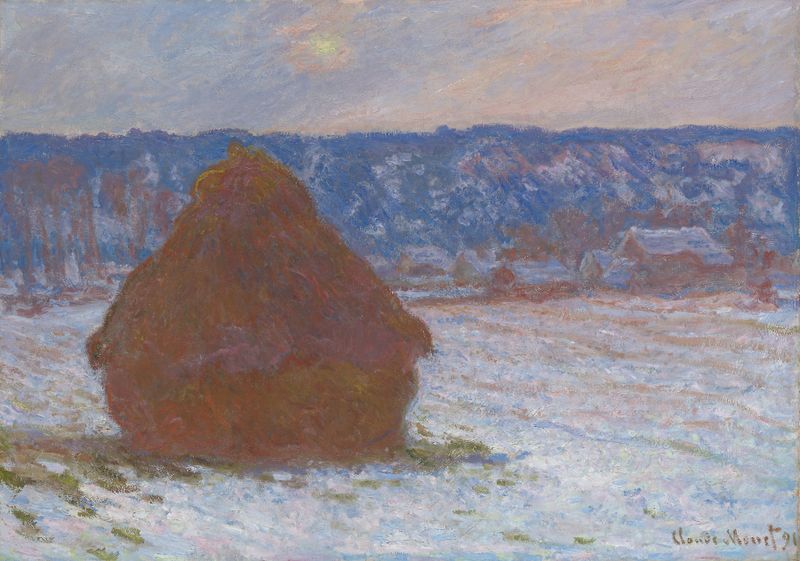
In the fleeting moments of memory, the essence of a landscape can whisper stories untold, echoing the past in vibrant hues and soft strokes. Look to the foreground, where the gentle curve of the train tracks draws your gaze into the distance. Notice how Monet masterfully captures the shimmering play of light upon the scene, with soft greens and blues mingling harmoniously, inviting you to lose yourself in the tranquil atmosphere. The brushstrokes, both fluid and spontaneous, create a sense of movement, imbuing the railway with a life of its own, while the backdrop dissolves into an ethereal haze. Beneath this serene exterior lies a tension between the industrial and the organic.
The train, a symbol of progress, stands in contrast to the quiet beauty of the surrounding nature, evoking a sense of nostalgia for what is being lost to modernity. The interplay of bright sunlight and shadow hints at fleeting moments—perhaps a journey undertaken or a cherished memory revisited, suggesting that while technology advances, the heart longs for simpler times. In 1884, during an era of burgeoning Impressionism, the artist painted this piece while in the throes of both personal and artistic evolution, seeking to capture the ephemeral beauty of everyday life. Monet was deeply engaged in exploring light and color, reflecting the changing world around him, and Le train à Jeufosse stands as a testament to his dedication to conveying both the visual and the emotional essence of his surroundings.