Le Trèfle à quatre feuilles (Cycles Georges Richard) — History & Facts
A sweep of copper-red hair, a dress the color of ripe apricots, and a gaze lowered in quiet confidence—these are the first impressions that greet the viewer in Le Trèfle à quatre feuilles (Cycles Georges Richard) by Eugène Grasset. The woman’s left hand, delicate yet assured, grips the handlebars of a bicycle, while her right holds aloft a four-leaf clover, its green leaves a promise of luck and modern possibility. The swirling lines and stylized lettering pull the eye across the poster, echoing the rhythmic motion of cycling and the optimism of the era.
Every detail is purposeful: the clover’s central placement is both a literal advertisement and a symbol of fortune, while the woman’s upright posture and composed expression suggest a new kind of independence. Created in 1899, this poster belongs to the golden age of Art Nouveau, when artists like Grasset transformed commercial art into an arena for innovation and beauty. Such works were commissioned to advertise the latest marvels of urban life—here, the bicycle, a machine that was reshaping mobility and social roles, especially for women. The bold, flat colors and sinuous lines are hallmarks of the style, designed to catch the eye on busy Parisian streets.
Today, the poster survives in the collection of the Bibliothèque nationale de France, a testament to a time when even the most everyday objects were touched by the hand of art. Let your gaze linger on the clover and the woman’s poised figure, and imagine the world of new freedoms that was just beginning to unfold.
More Artworks by Eugène Grasset

Samuel Eviradnus 237 Maison de Victor Hugo
Eugène Grasset
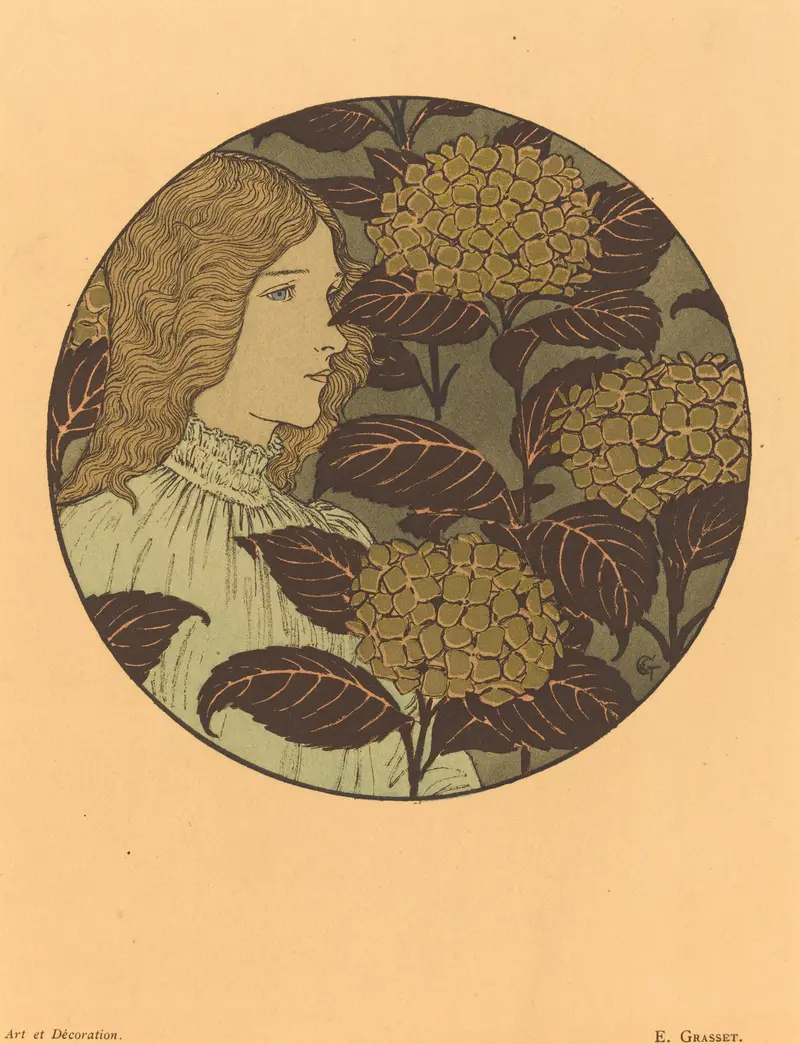
Portrait of a Girl (Roundel)
Eugène Grasset
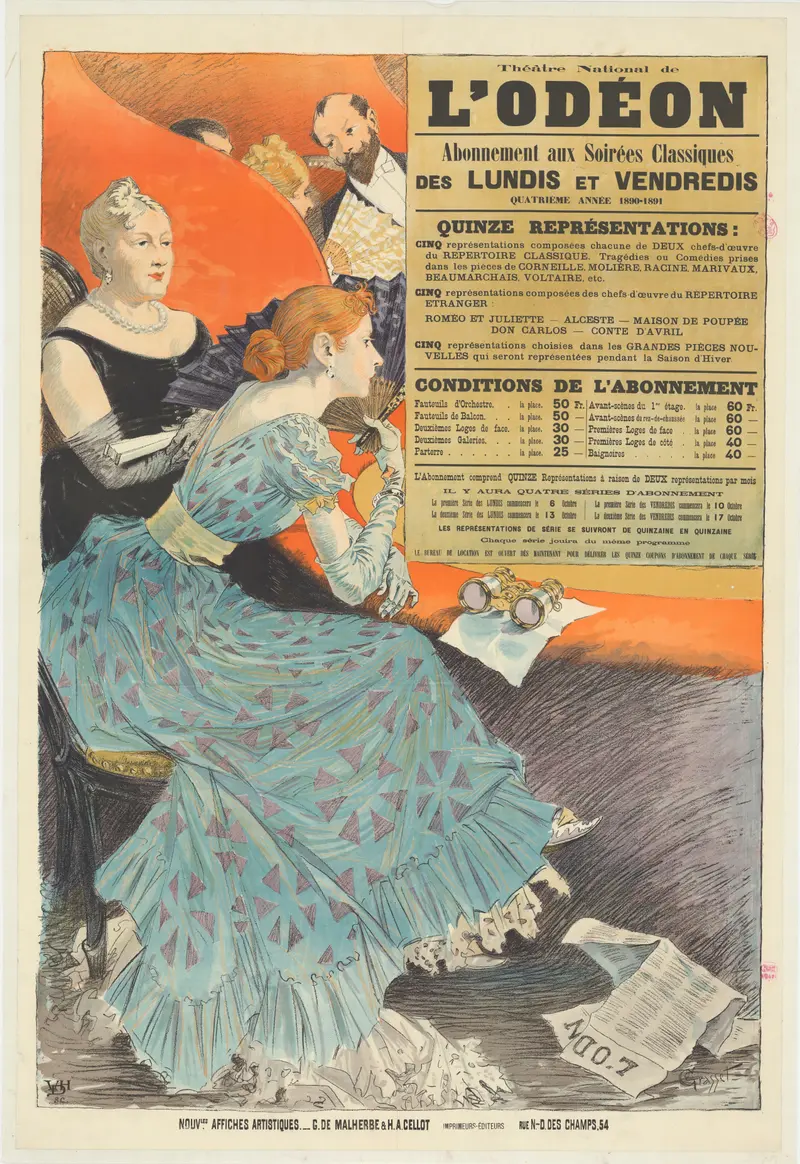
Théâtre National de l'Odéon
Eugène Grasset
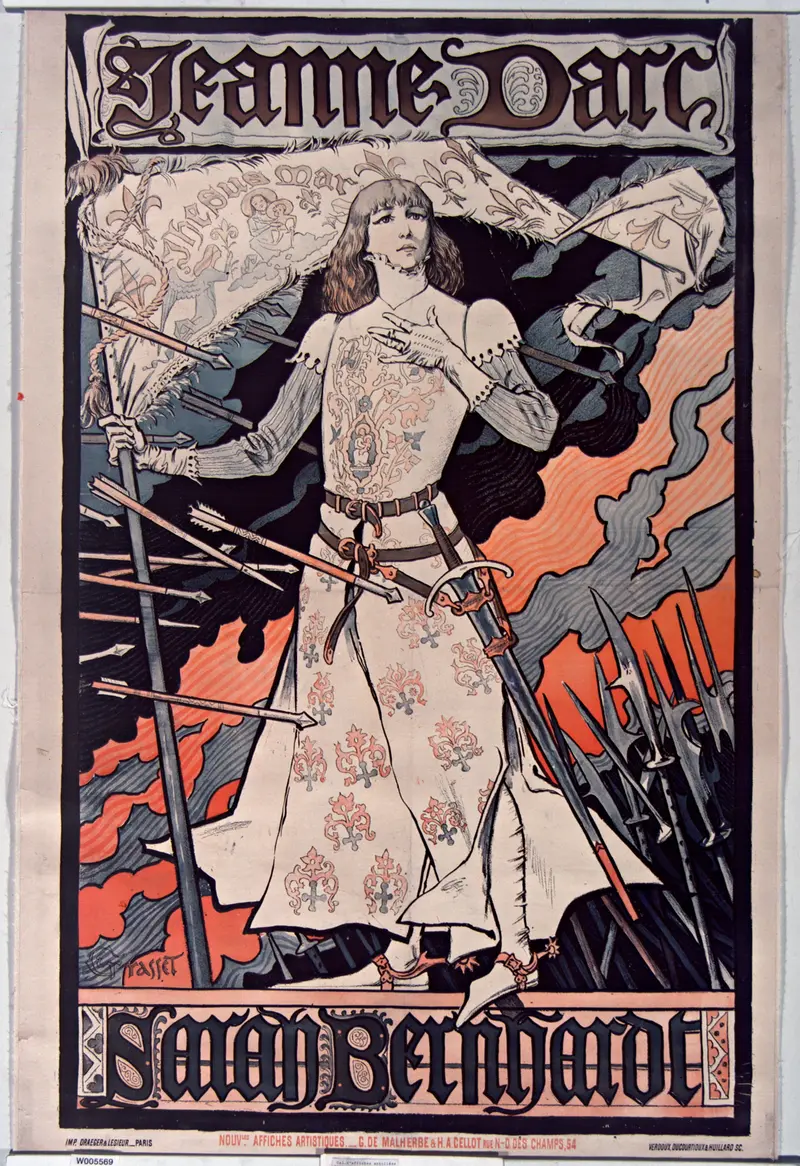
Jeanne d'Arc – Sarah Bernhardt
Eugène Grasset
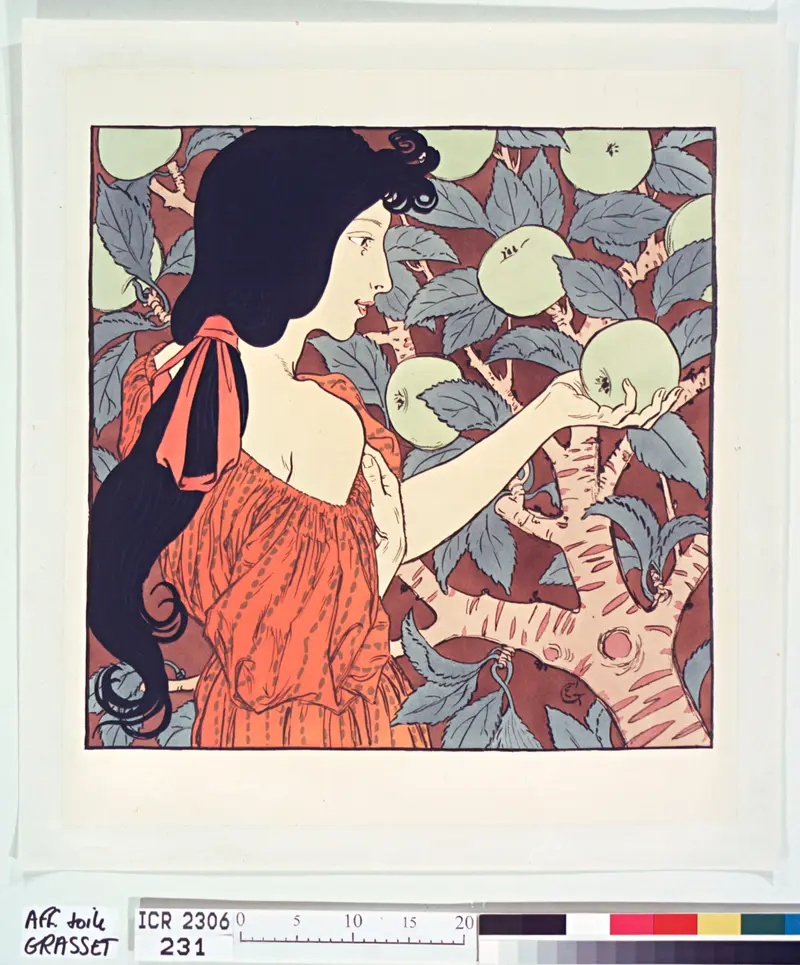
Tentation
Eugène Grasset
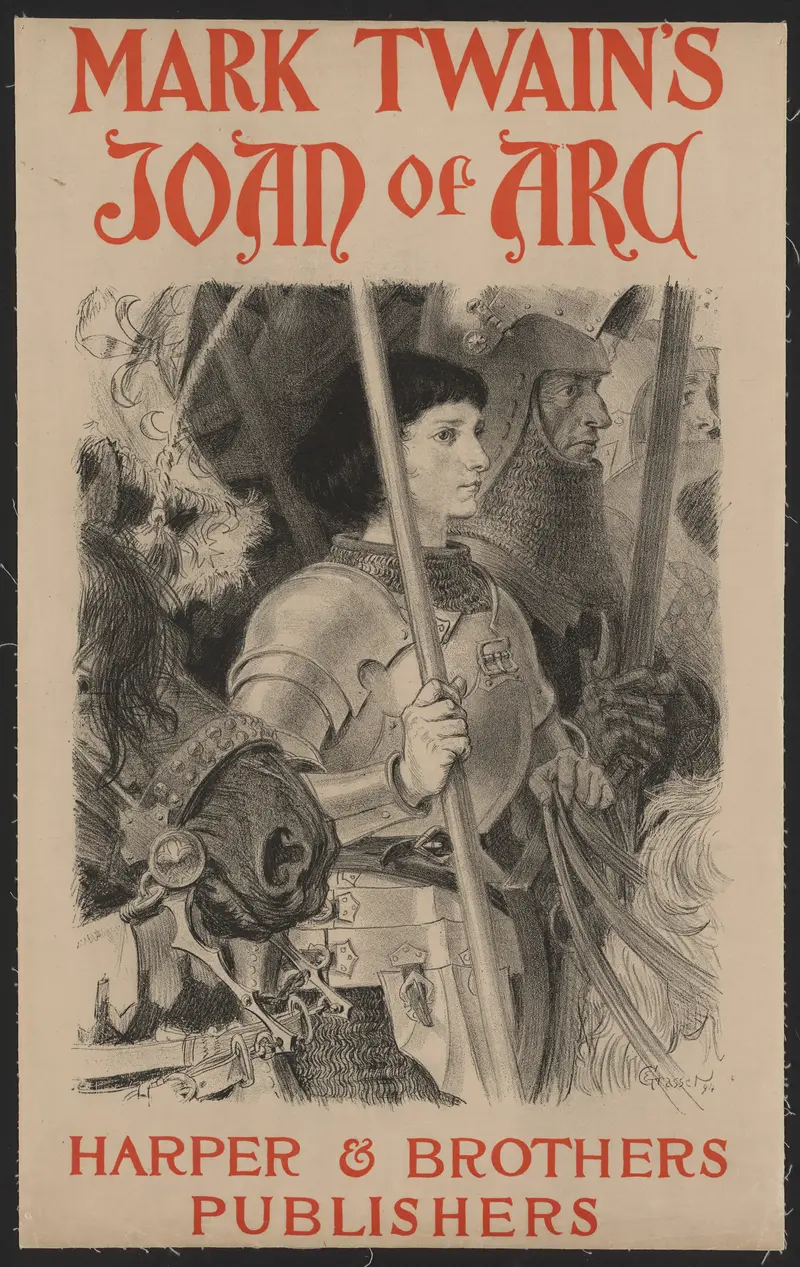
Mark Twain's Joan of Arc
Eugène Grasset
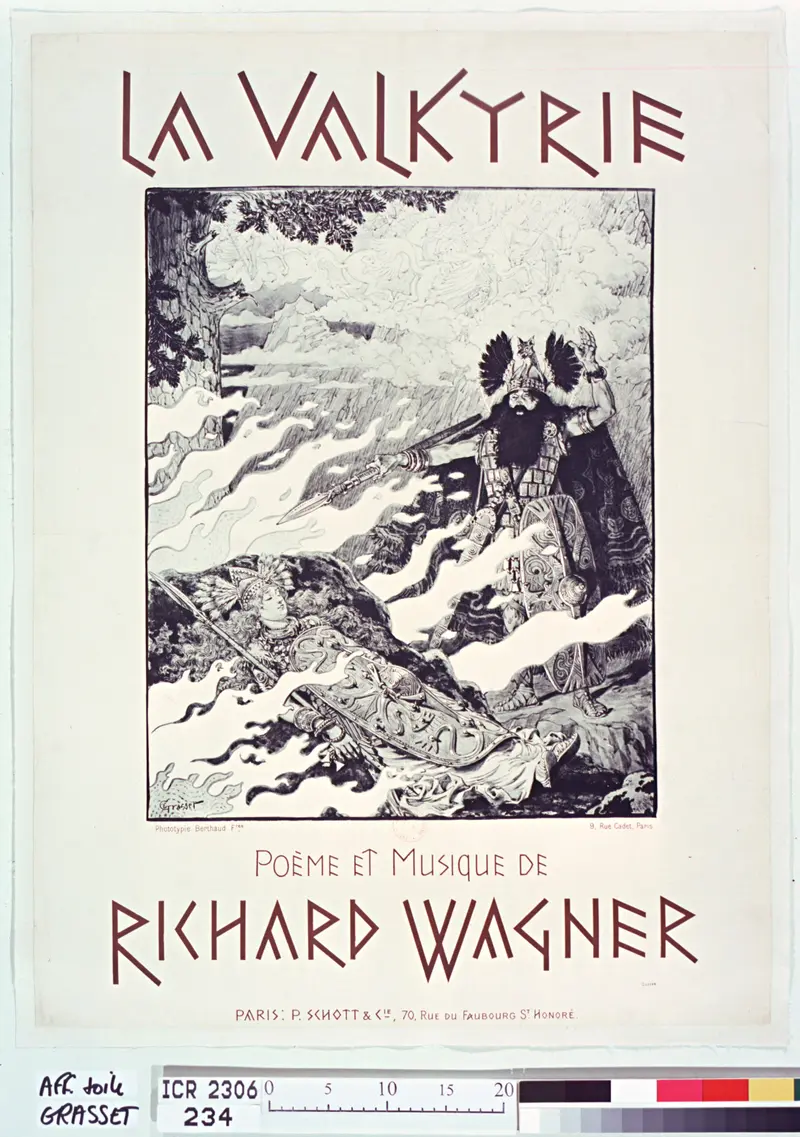
La Walkyrie
Eugène Grasset
Coquetterie
Eugène Grasset
L'Andalousie au temps des Maures
Eugène Grasset
La Grande Dame
Eugène Grasset