
Leeds — History & Facts
In the midst of turmoil, the artist’s hand transforms the frenetic energy of the world into a mesmerizing dance of light and color. Look to the swirling clouds that dominate the upper canvas; they twist and tumble, a tempest of emotions captured in broad strokes of azure and gray. Notice how the vibrant yellow hues emerge from the horizon, illuminating the scene below as if the sun itself is struggling to break through the storm. The juxtaposition of warm and cool tones creates an atmosphere that vibrates with tension, inviting you to linger over every detail while simultaneously evoking a sense of unease. Beneath the tumultuous skies, the scene speaks to the duality of existence—the serenity of the rolling hills contrasted against the chaos above.
Hidden in the midst of this natural landscape are tiny figures, perhaps townsfolk or travelers, dwarfed by the enormity of nature’s fury. Their presence hints at the fragility of humanity against a backdrop of a world alive, wild, and unpredictable, evoking feelings of resilience and vulnerability in equal measure. Turner painted this work during a time when industrialization was reshaping Britain. Emerging from the Romantic period, he sought to express the sublime nature of landscape and the human experience within it.
Though the exact date of Leeds is uncertain, the artist was known for his innovative techniques that often blurred the lines between representation and abstraction, reflecting a world grappling with change and complexity.
More Artworks by Joseph Mallord William Turner
Browse all →
Dort or Dordrecht- The Dort Packet-Boat from Rotterdam Becalmed
Joseph Mallord William Turner
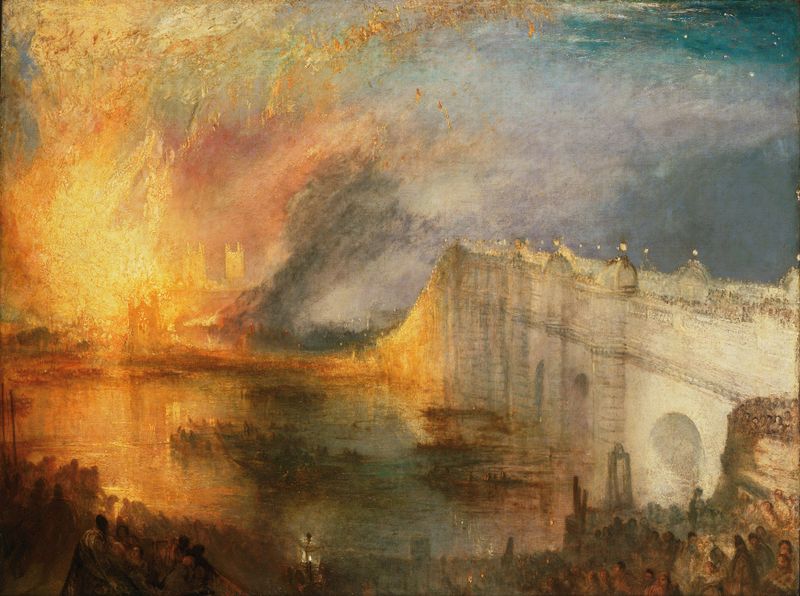
The Burning of the Houses of Lords and Commons, October 16, 1834
Joseph Mallord William Turner
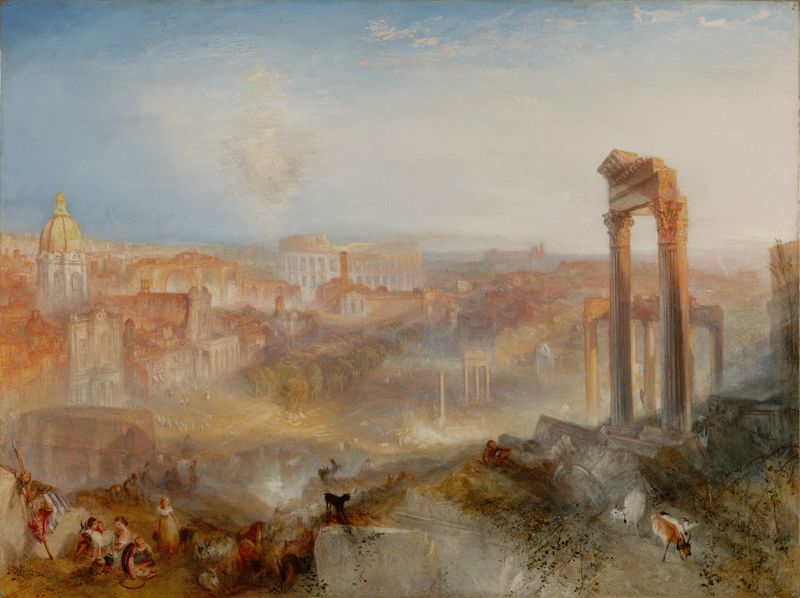
Modern Rome – Campo Vaccino
Joseph Mallord William Turner
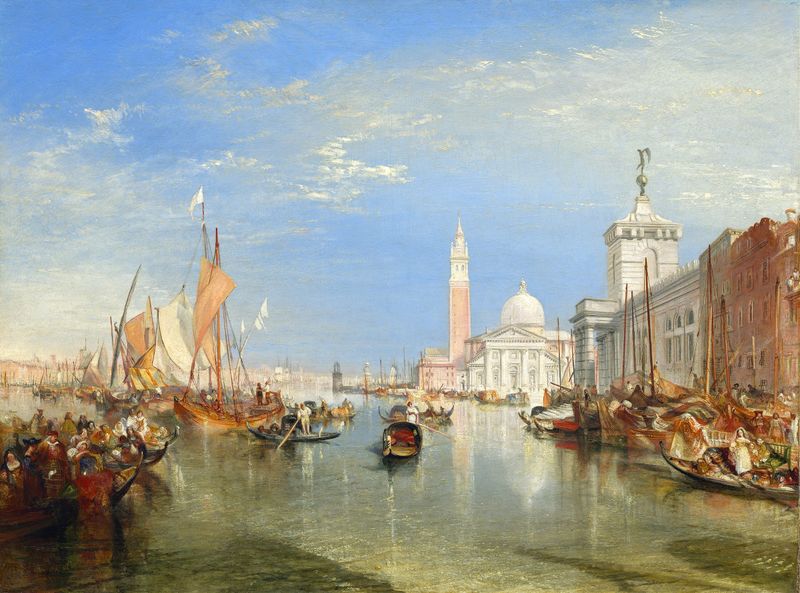
Venice – The Dogana and San Giorgio Maggiore
Joseph Mallord William Turner

The Burning of the Houses of Lords and Commons, 16 October 1834
Joseph Mallord William Turner
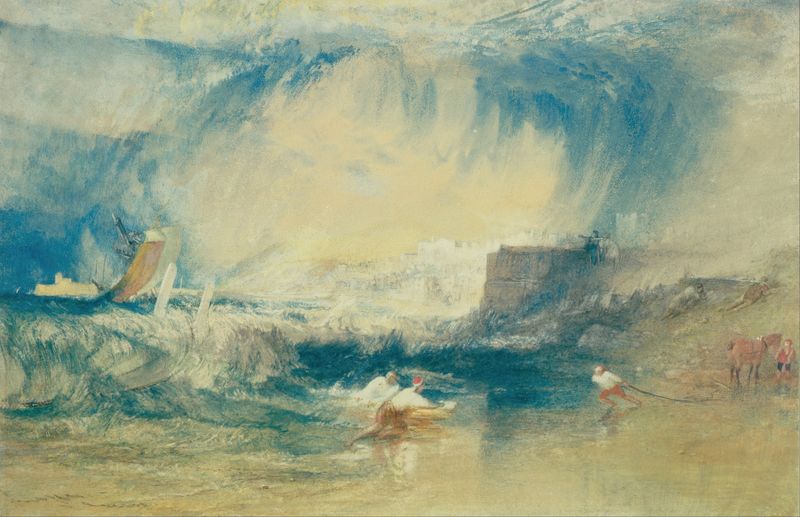
Lyme Regis, Dorsetshire, England
Joseph Mallord William Turner
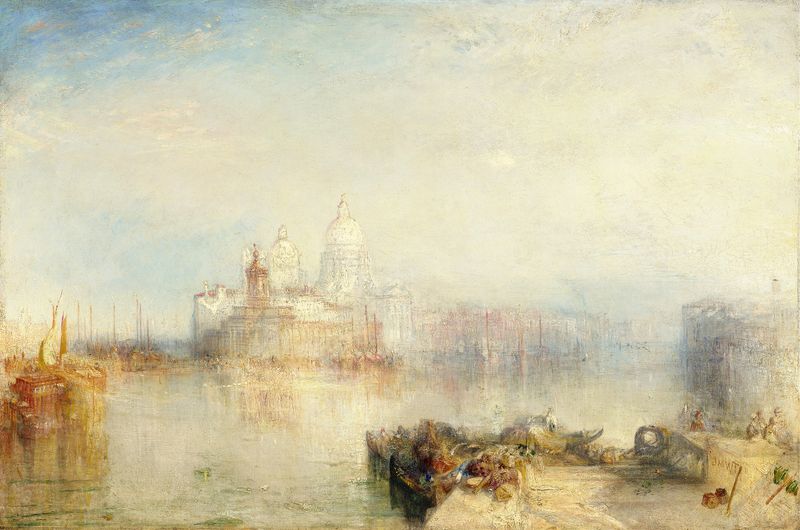
The Dogana and Santa Maria della Salute, Venice
Joseph Mallord William Turner
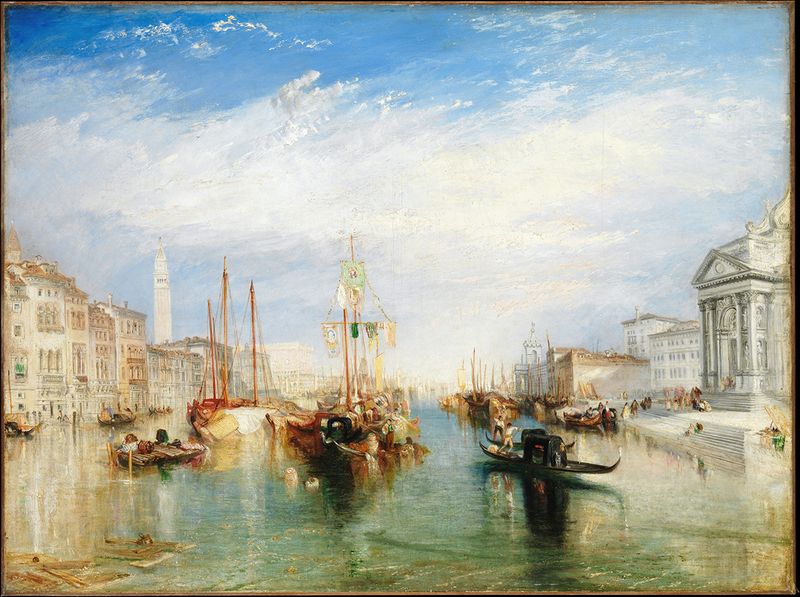
Venice, from the Porch of Madonna della Salute
Joseph Mallord William Turner
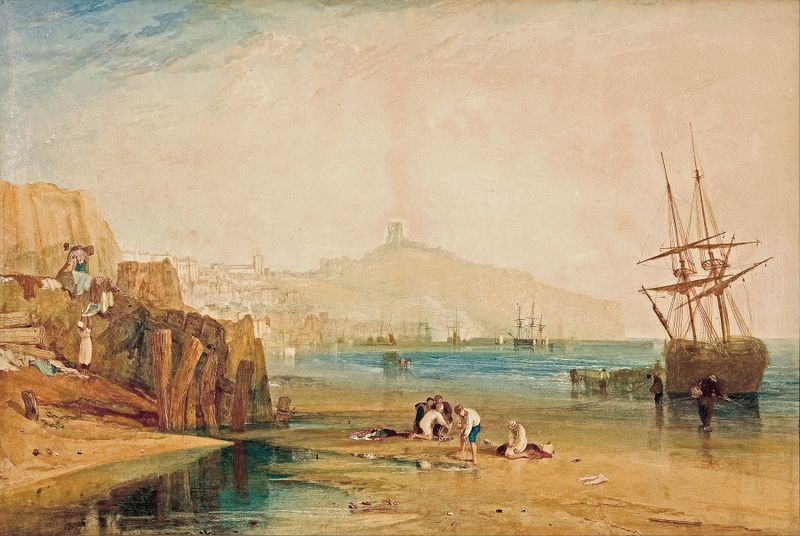
Scarborough town and castle; morning; boys catching crabs
Joseph Mallord William Turner
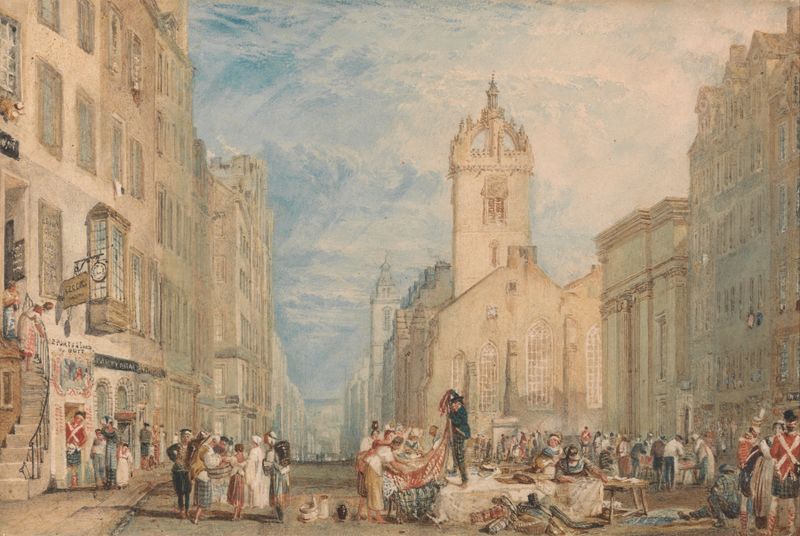
High Street, Edinburgh
Joseph Mallord William Turner





