
Les Eucalyptus — History & Facts
Could beauty survive in a century of chaos? In Les Eucalyptus, the answer lies in the quiet elegance of a natural world that persists despite the tumult around it. This painting invites viewers to explore the delicate dance between serenity and disorder, revealing how nature offers solace amid human strife. Look to the left at the towering eucalyptus trees, their silvery trunks reaching toward a soft azure sky. The brushwork is loose yet purposeful, creating a sense of movement in the leaves that shimmer in dappled sunlight.
Notice how the colors harmonize—a palette of greens and blues, punctuated by warm earth tones, unifies the scene while giving it a sense of depth. The gentle strokes convey not just the physical presence of the trees but also evoke a feeling of tranquility, urging viewers to pause and breathe. Yet, the juxtaposition of vibrant life against a backdrop of impending change yields deeper meanings. The trees stand firm, but their surroundings are rendered with a slightly chaotic brushstroke, hinting at the instability of the world beyond this serene grove.
This tension speaks to the emotional landscape of the early 20th century, where beauty and despair coexisted. The eucalyptus may symbolize resilience, representing nature's enduring spirit in the face of chaos, while the shadows hint at the encroaching uncertainty of the times. In 1923, Albert Marquet worked in a Paris that was recovering from the aftermath of World War I. This period marked a shift in the art world, as artists began to grapple with modernism and shifting societal norms.
Amidst this upheaval, Marquet found inspiration in nature, focusing on the interplay of light and color. His piece reflects not only his technical mastery but also a yearning for peace and beauty in a world rife with turmoil.
More Artworks by Albert Marquet
Browse all →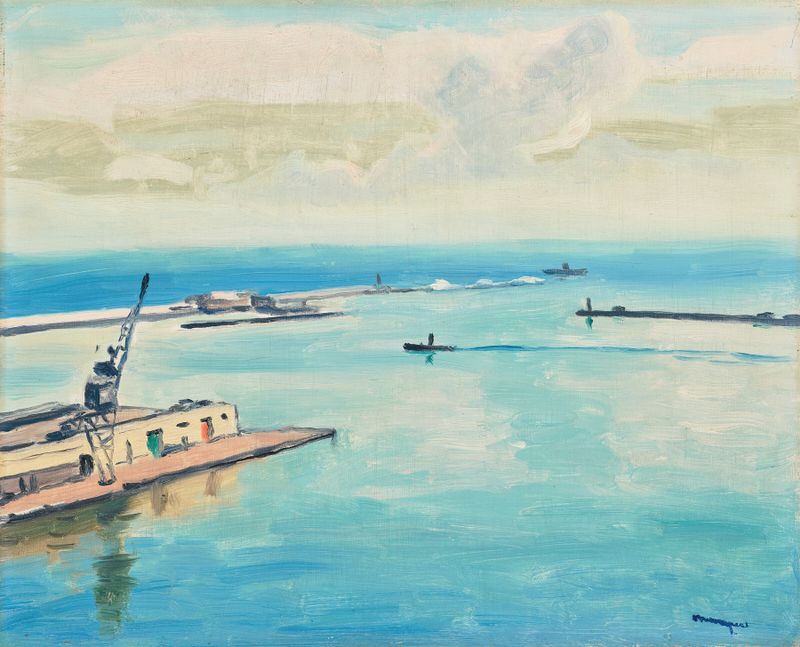
Le Port d’Alger
Albert Marquet
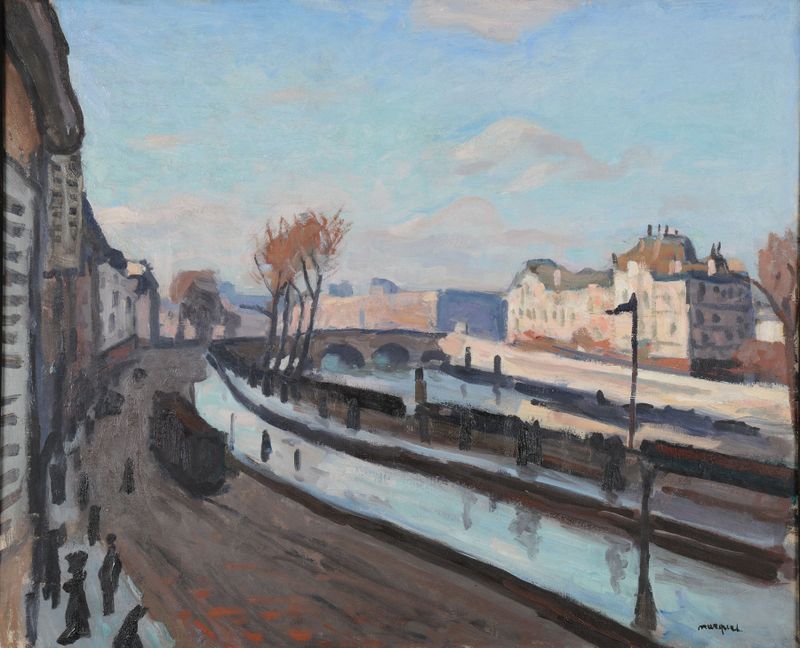
Le quai des Grands Augustins
Albert Marquet
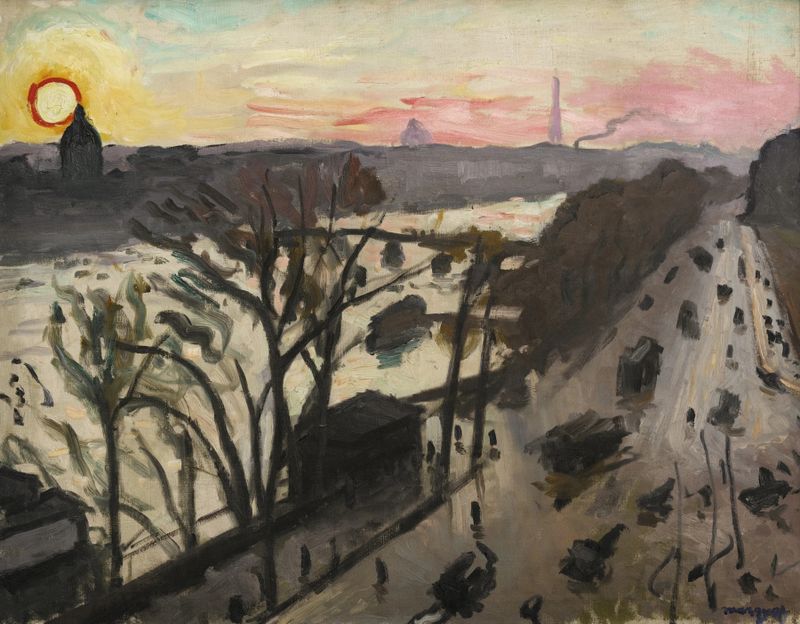
Paris, quai du Louvre, soleil d’hiver
Albert Marquet
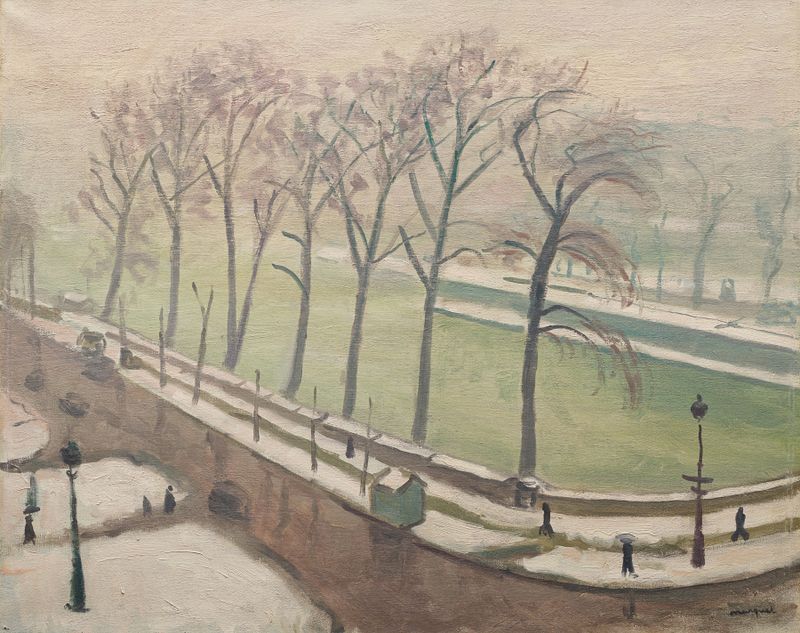
Pont-Neuf sous la neige
Albert Marquet
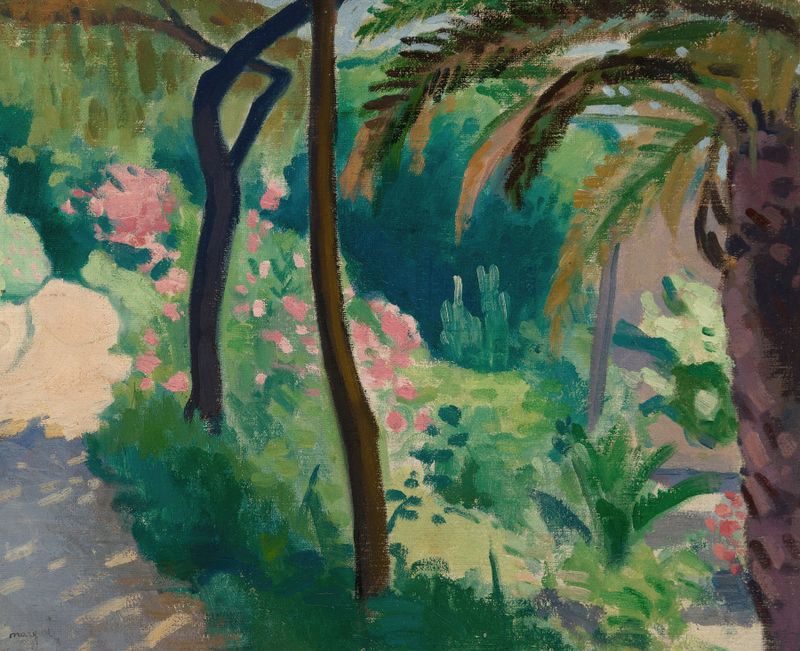
Le jardin à l’Estaque
Albert Marquet
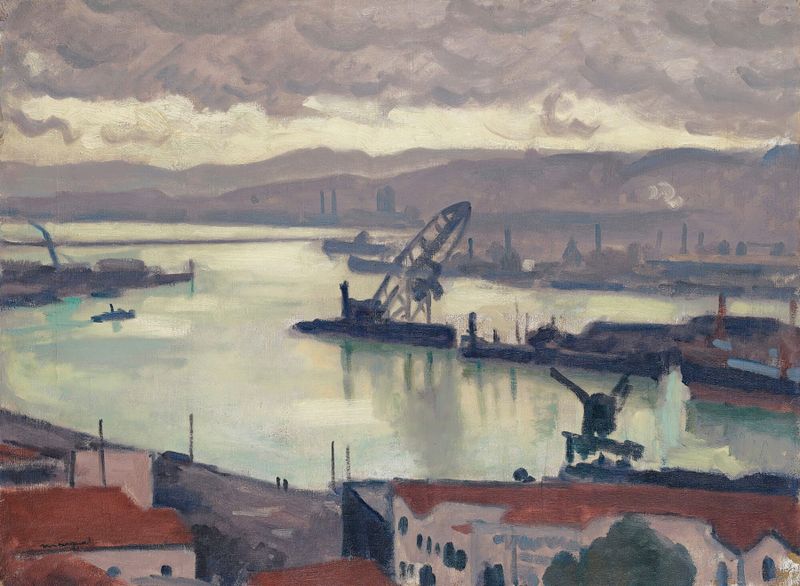
Alger, Temps Gris
Albert Marquet
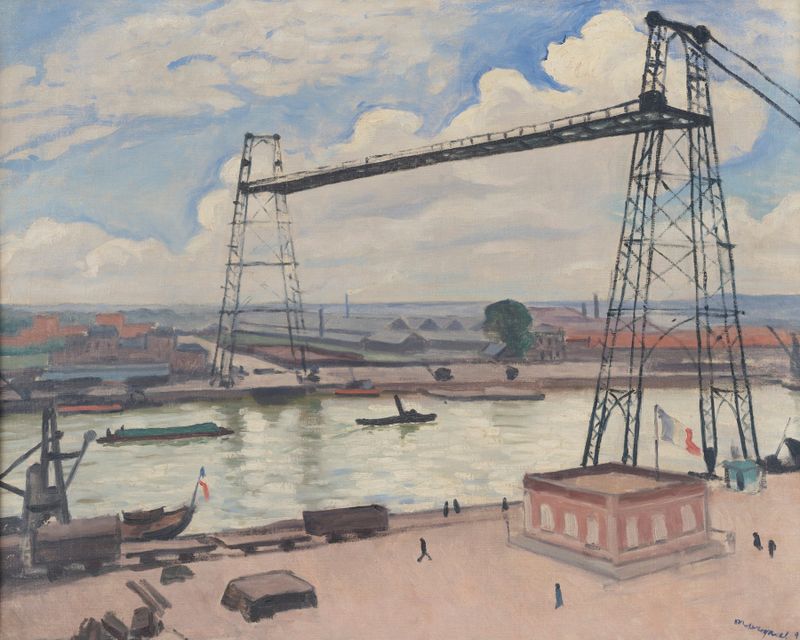
Rouen, le pont transbordeur
Albert Marquet
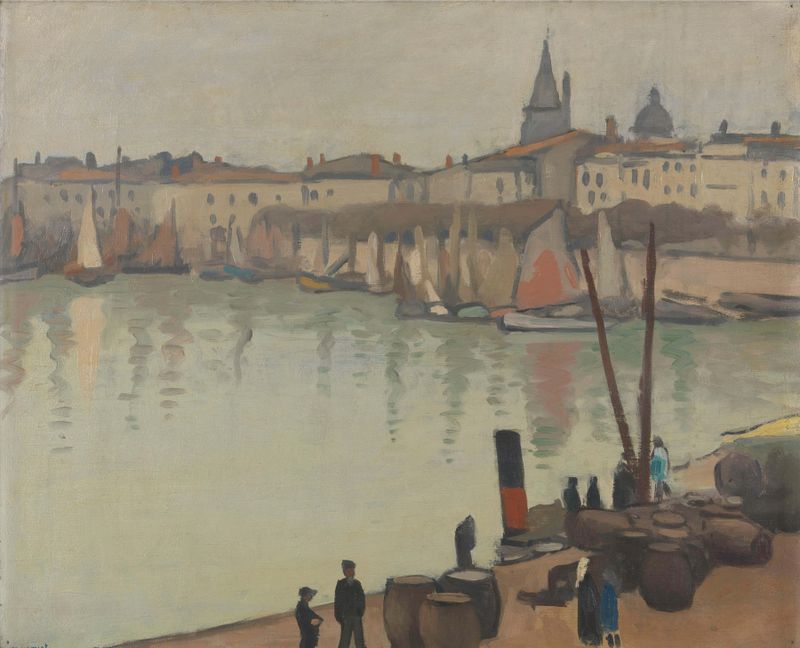
Port of La Rochelle
Albert Marquet

Berge de la Seine à Méricourt
Albert Marquet
View of the Pont Saint-Michel in Paris
Albert Marquet





