
Les Halles — History & Facts
In a world often swept away by the tides of progress, some reflections serve as anchors to a fleeting past. Les Halles encapsulates this sentiment, beckoning viewers to explore the memories woven into its canvas. Look to the foreground, where the bustling marketplace teems with life, each figure rendered with careful precision. Notice how the soft glow of natural light filters through the architectural marvels above, illuminating stalls filled with fruits and wares, momentarily freezing a lively interaction between vendor and buyer.
The artist’s delicate brushstrokes capture not just the forms but the essence of the scene; the vibrancy of the colors—the reds, yellows, and greens—evokes a sense of warmth and nostalgia that feels almost palpable. Yet, amidst this vibrant marketplace, a sense of stillness lingers, as though time has paused to ponder the transient nature of commerce and community. The juxtaposition of light and shadow becomes a metaphor for memory: the bright hues representing the joy of life, while the shadows hint at the inevitable passage of time, the stories that fade but are forever remembered in the heart. It invites reflection on what remains after the noise of life subsides—what we hold dear even as it slips away. Giuseppe Canella created this work in 1828 during a period of significant transformation in Paris.
The city was evolving rapidly, becoming an epicenter of cultural and artistic innovation. The artist, specializing in urban landscapes, captured the vibrancy of everyday life amid these changes, offering a glimpse into a past that was quickly giving way to modernity. His dedication to portraying the essence of community reflects not only his personal experiences but also the larger narrative of an ever-changing world.
More Artworks by Giuseppe Canella
Browse all →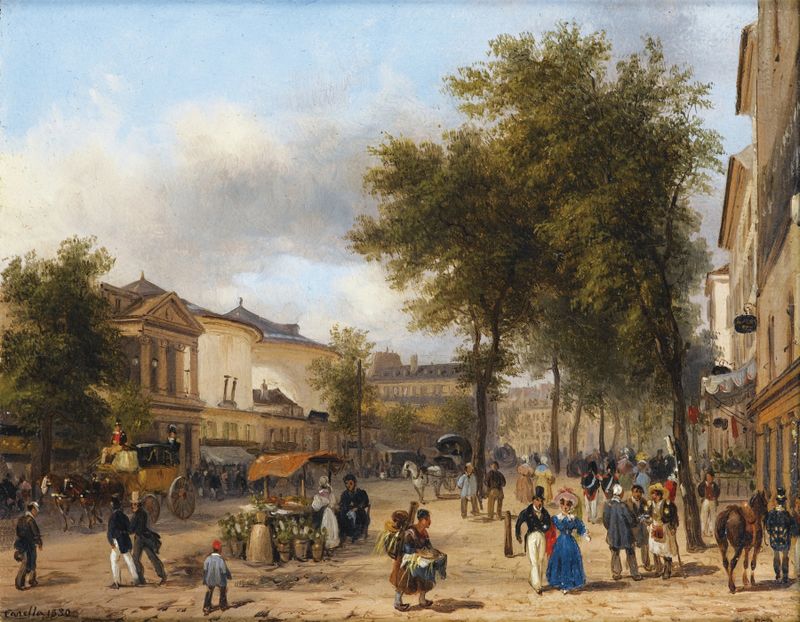
Paris, Vue du Théâtre des Variétés sur le Boulevard Montmartre
Giuseppe Canella

L’Hôtel de Ville et la place de Grève, vus de l’Ile de la Cité
Giuseppe Canella
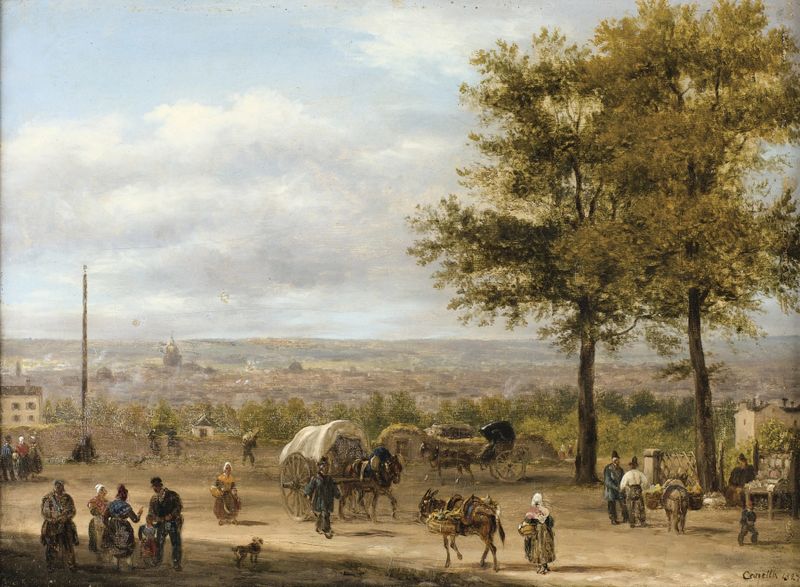
Vue des hauteurs de Paris
Giuseppe Canella
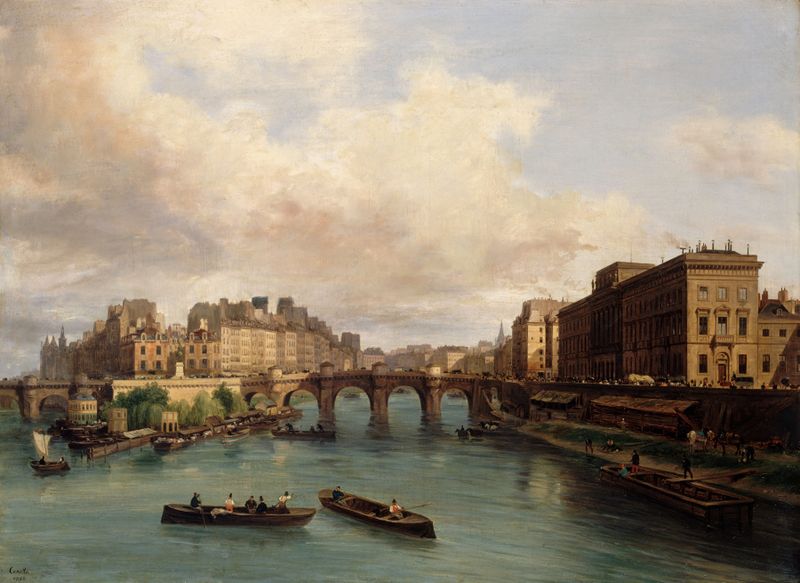
L’Ile de la Cité et le quai Conti, vus de la passerelle des Arts
Giuseppe Canella

Amsterdam, A View of the Royal Palace
Giuseppe Canella

Les Halles et la rue de la Tonnellerie
Giuseppe Canella
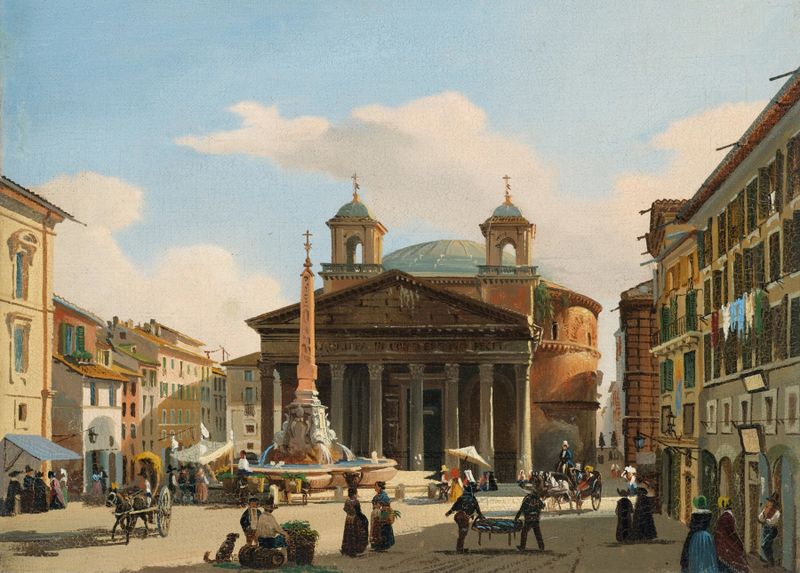
Vue du Panthéon à Rome
Giuseppe Canella
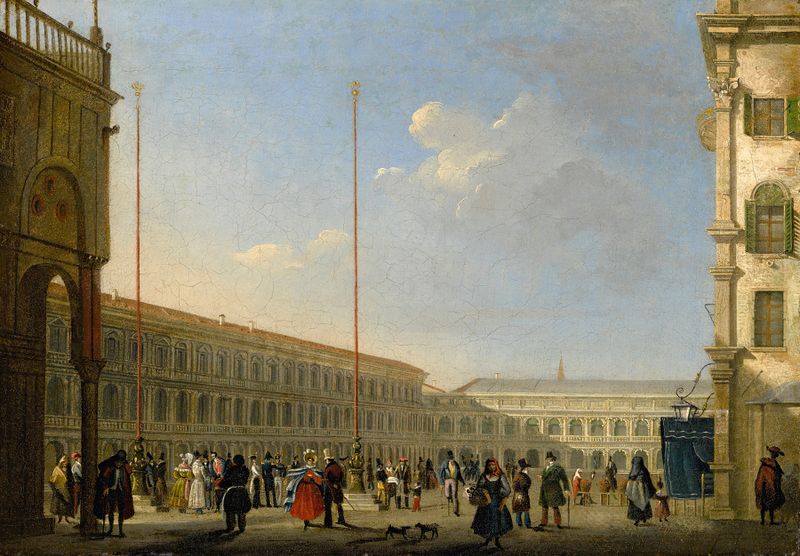
Venice, A View Of Piazza San Marco From Piazzetta Dei Leoncini
Giuseppe Canella
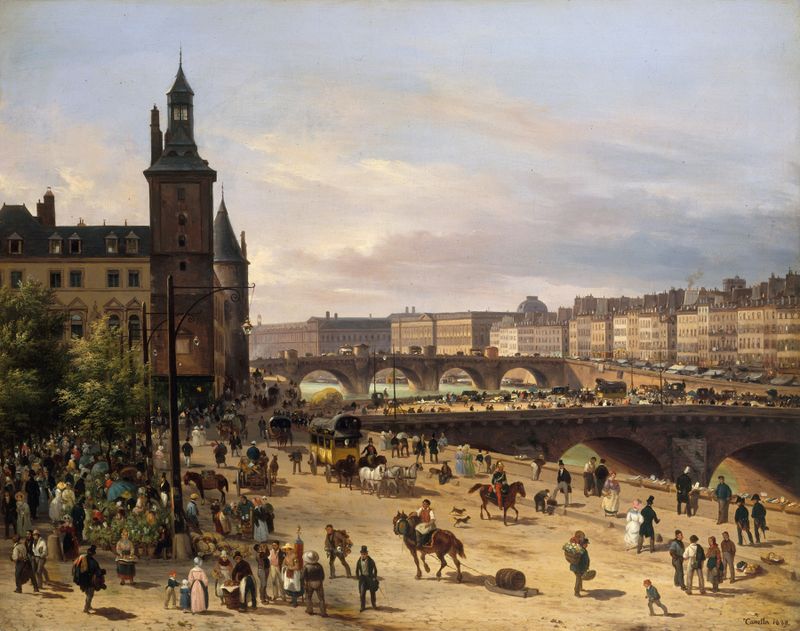
Le marché aux fleurs, la Tour de l’Horloge, le Pont au Change et le Pont-Neuf
Giuseppe Canella

A Venetian scene with a gondola on a lagoon
Giuseppe Canella





