
Les inondations — History & Facts
Can beauty exist without sorrow? In Les inondations, the quiet aftermath of a flood is rendered with profound poignancy, calling us to reflect on the interplay between nature's majesty and human vulnerability. Look to the center of the canvas, where swirling waters intertwine with remnants of a once-vibrant landscape. The artist employs a muted palette, dominated by deep blues and earthy browns, evoking a sense of loss and solitude. Notice how the brushstrokes mimic the rippling water, creating a dynamic movement that contrasts sharply with the stillness of the abandoned homes in the background.
Every detail, from the jagged rooftops sticking out of the flood to the distant horizon shrouded in mist, invites a deeper contemplation of what has been submerged. In considering the emotional undertones, one can sense the tension between beauty and desolation. The juxtaposition of the flowing water against the stillness of the ruined structures embodies the fragility of human life in the face of nature’s force. The vast emptiness depicted suggests not merely physical absence but also an emotional void, resonating with the viewer's own experiences of loss and longing.
This delicate balance creates a haunting reflection on the ephemerality of existence. Maximilien Luce painted Les inondations in 1910, during a period marked by a profound shift in the art world as Impressionism evolved into more expressive styles. At the time, Luce was deeply influenced by the socio-political climate in France, particularly the industrial changes and their impact on the environment. His focus on the interplay of light and color in the context of social themes reaffirmed his commitment to capturing the transient beauty of life amid adversity.
More Artworks by Maximilien Luce
Browse all →
Le Quai Montebello Et La Colline Sainte-Geneviève
Maximilien Luce

Le Pont-Neuf, La Seine, Petit Bras
Maximilien Luce
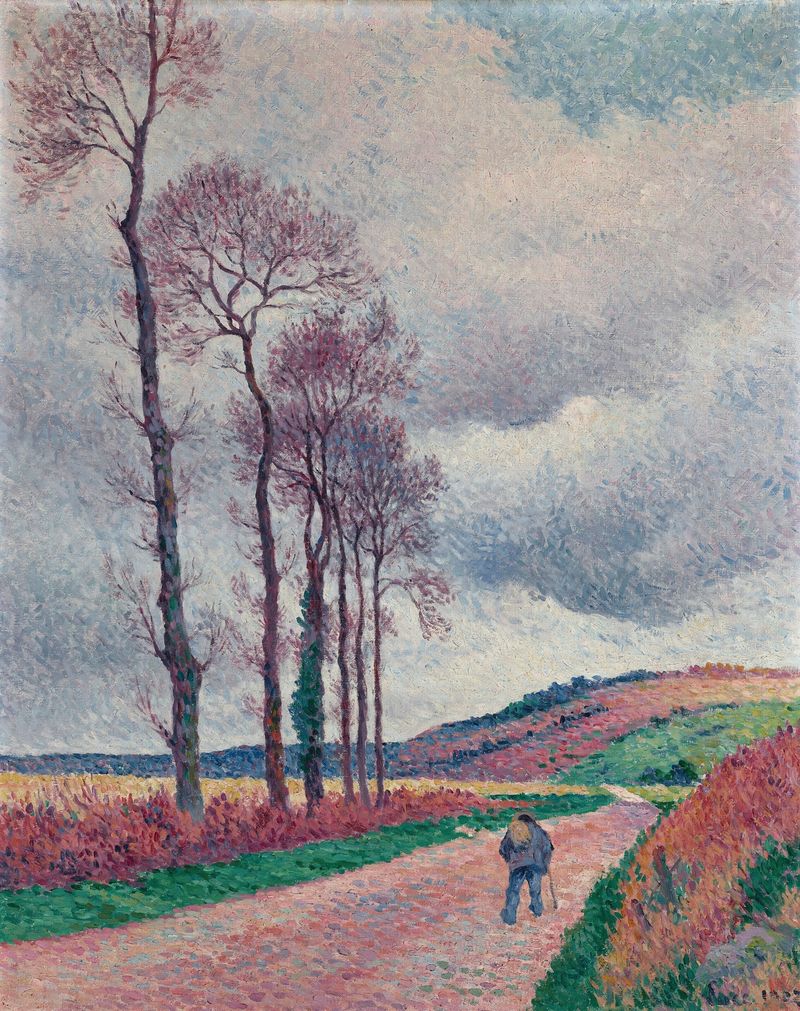
La route aux environs de Méréville
Maximilien Luce
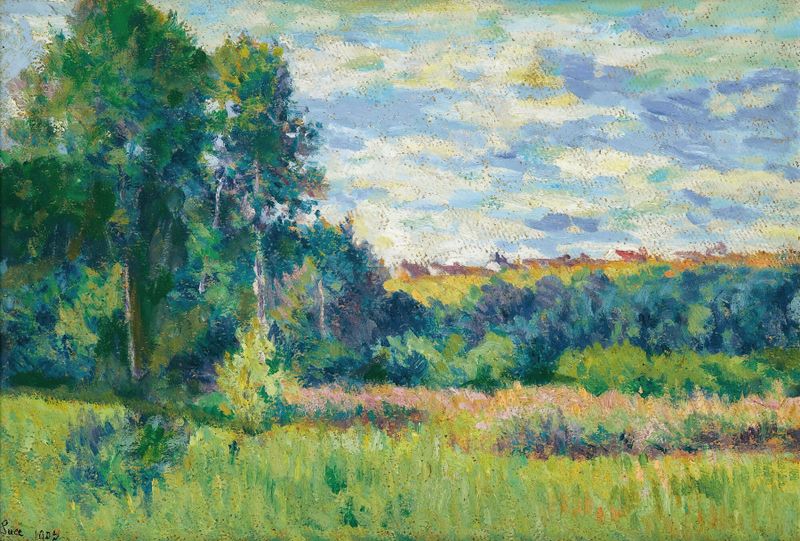
Paysage
Maximilien Luce
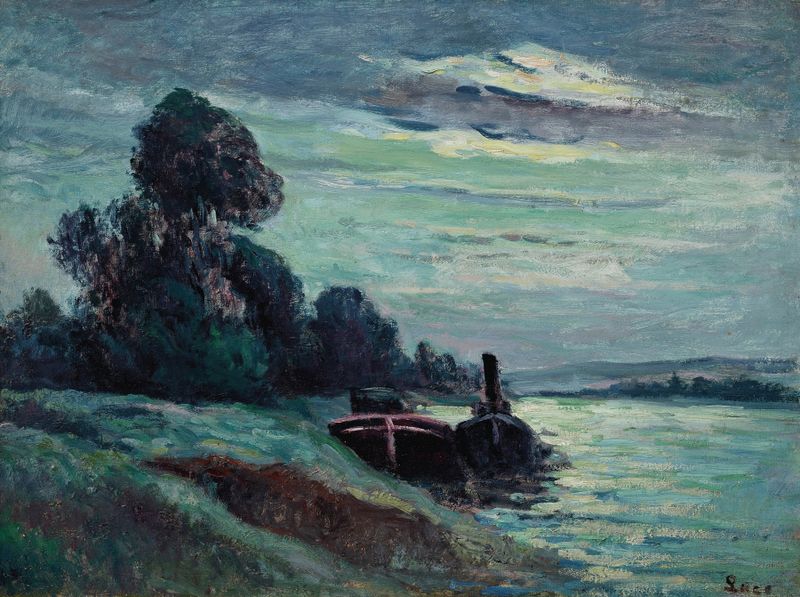
Péniches sur la Seine
Maximilien Luce

Notre Dame de Paris
Maximilien Luce
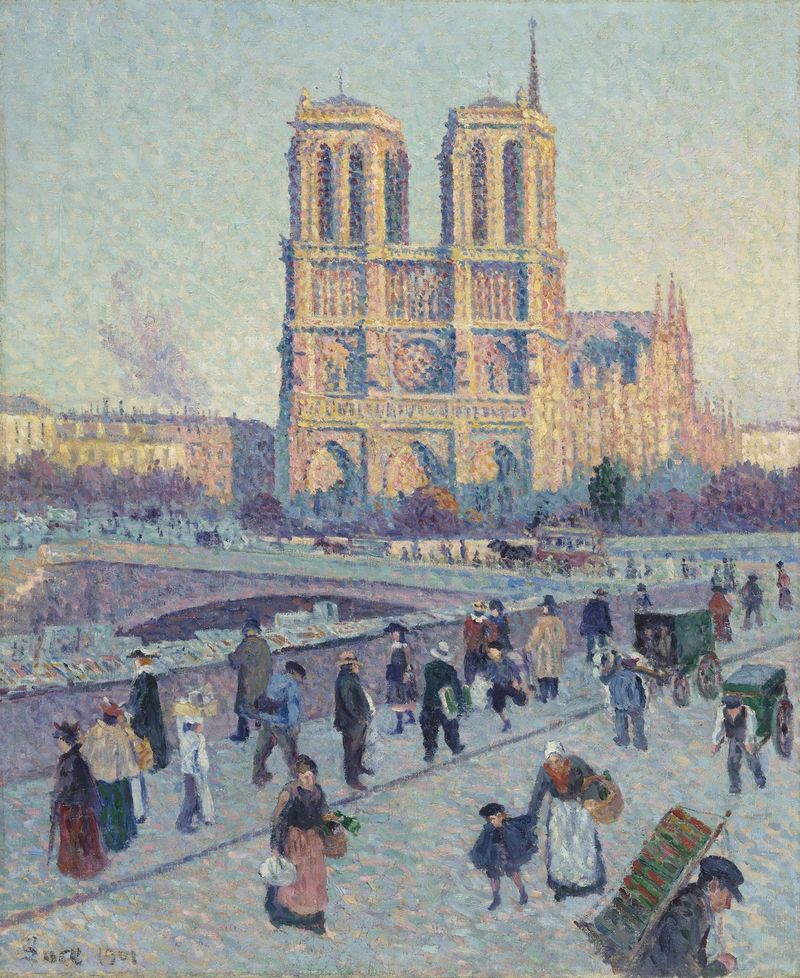
The Quai Saint-Michel and Notre-Dame
Maximilien Luce

La Seine au Pont Mirabeau
Maximilien Luce
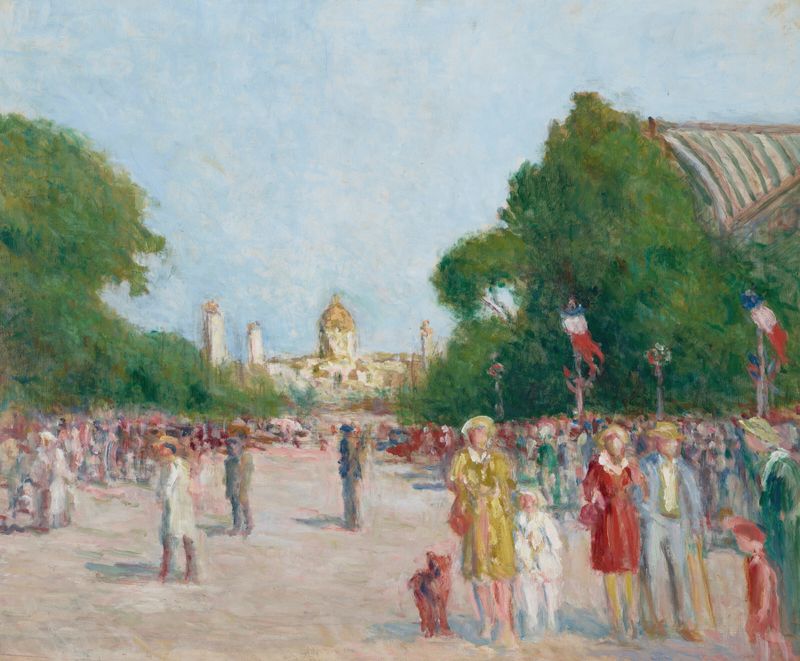
L’avenue Winston-Churchill, Paris
Maximilien Luce

Paris, Le Quartier De Vaugirard
Maximilien Luce





