
Les lavandeuses — History & Facts
Can paint confess what words never could? In Les lavandeuses, the delicate interplay of color and form reveals the destinies intertwined within the hands of women engaged in their daily toil. Look to the left at the vibrant patch of lavender, where the deep purples and greens swirl together, creating a sense of movement. The women stand in a sun-drenched field, their figures captured mid-action as they sort the fragrant blooms. Notice how the light filters through the trees, casting dappled shadows that dance upon their skin, infusing the scene with a sense of warmth and tranquility.
The gentle brushstrokes evoke both the softness of the flowers and the laborious nature of their work, inviting the viewer to feel the sweat of diligence mingled with the essence of nature. Yet, beneath this tranquil surface lie the emotional tensions of labor and destiny. The women, though engaged in a seemingly mundane task, represent the resilience of everyday life. Observe how their postures suggest a shared camaraderie, yet an unspoken weight lingers in their gestures—an echo of the societal roles they inhabit.
The contrast between the fragrant beauty of lavender and the harsh reality of their labor reveals a poignant truth about human existence, where joy and hardship often coexist. In 1898, Delpy created this work while residing in France, a period marked by an awakening of Impressionist ideals and a growing appreciation for capturing the ephemeral moments of life. The artist sought to depict the intimate relationship between nature and humanity, reflecting the changing perceptions of women's roles in society. This painting not only illustrates the aesthetics of the time but also offers a deeper commentary on the destinies that shape and bind us all.
More Artworks by Hippolyte Camille Delpy
Browse all →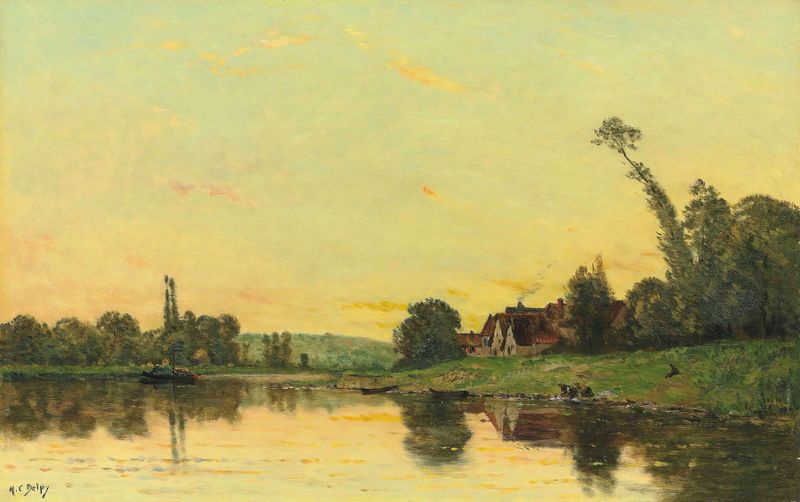
Soleil Couchant à Portejoie
Hippolyte Camille Delpy
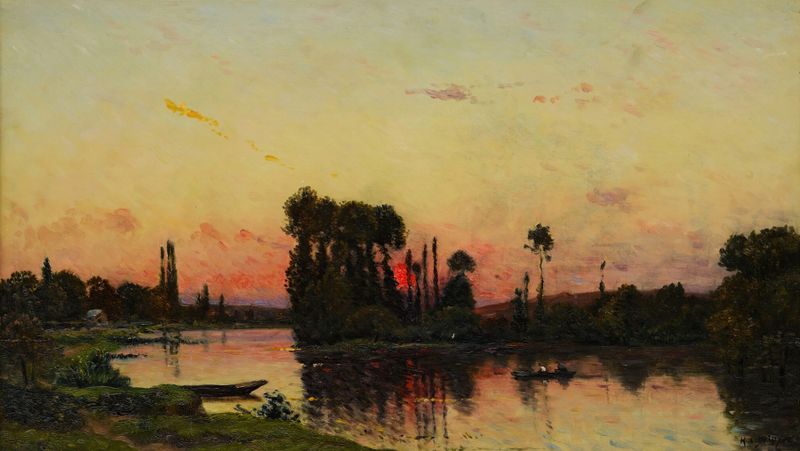
Coucher du soleil sur le rivage
Hippolyte Camille Delpy

Bord de la Seine à Rangiport, le matin
Hippolyte Camille Delpy

The Pond At Dusk
Hippolyte Camille Delpy

A river landscape at dusk
Hippolyte Camille Delpy
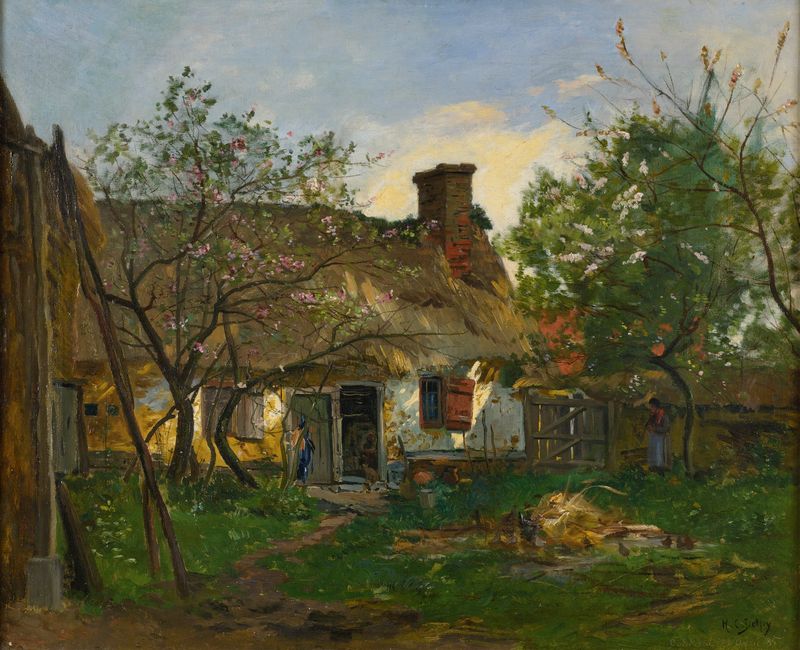
La Chaumiere à Berneval
Hippolyte Camille Delpy

Sunset
Hippolyte Camille Delpy
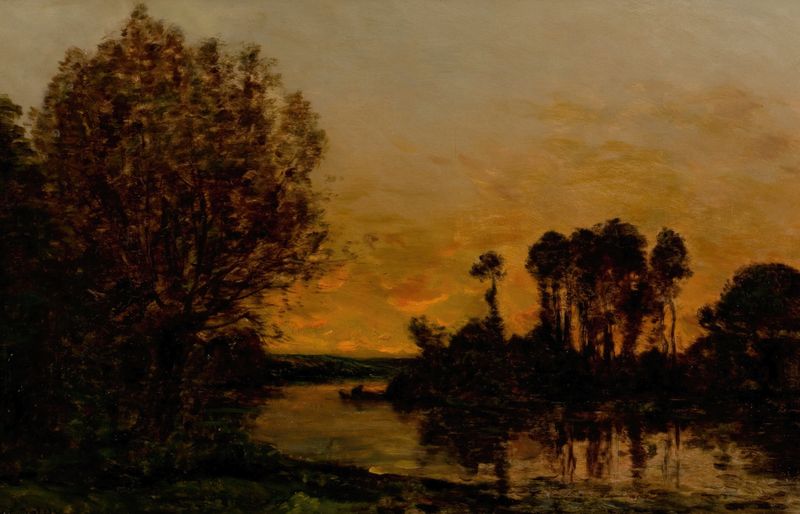
Un Soleil Couchant au Rive
Hippolyte Camille Delpy
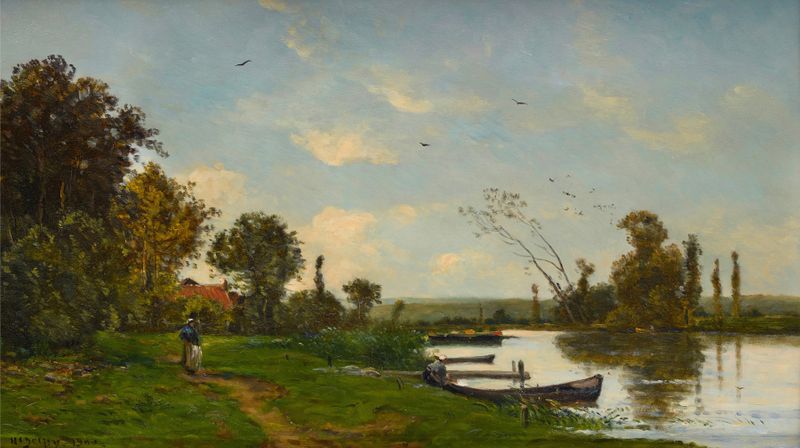
A path along the river
Hippolyte Camille Delpy

Bateau Sur L’oise
Hippolyte Camille Delpy





