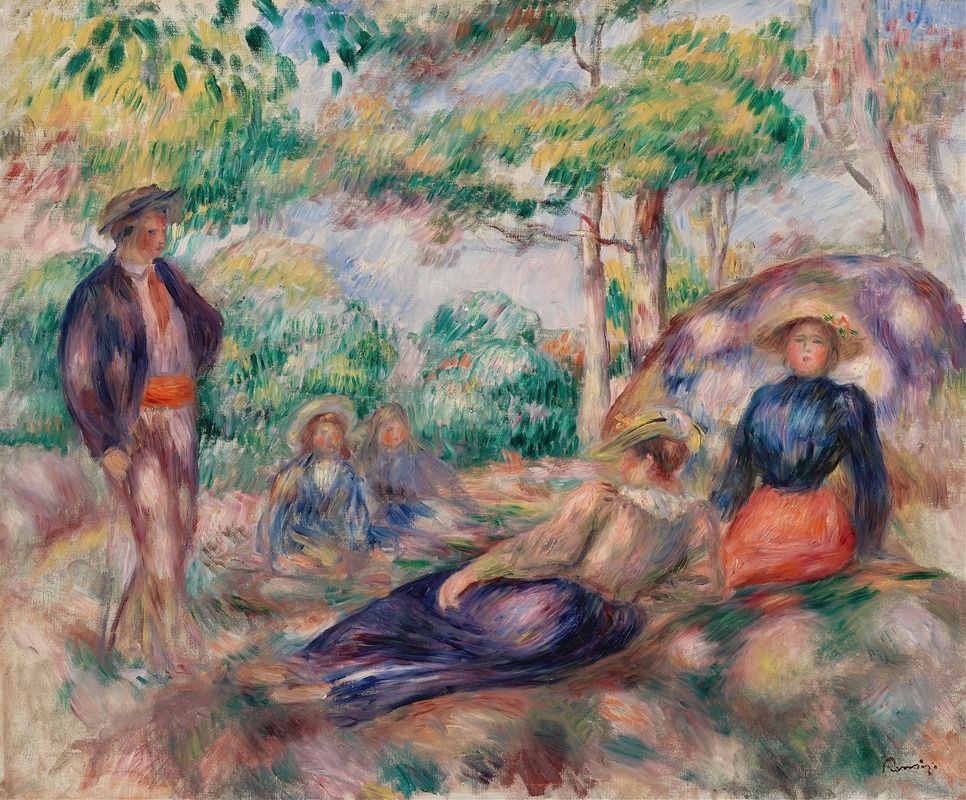
Discover insights about this artwork
Les Plaisirs du Bal — History & Facts
In Les Plaisirs du Bal, Jean-Antoine Watteau captures a lively ball scene filled with elegantly dressed figures. The colors are soft and warm, dominated by pastel shades of pink, blue, and gold. The setting is a lush outdoor space, likely a garden or courtyard, where the figures engage in dance and conversation.
The atmosphere is festive and joyful, reflecting the spirit of the Rococo period. The painting is executed in oil on canvas, showcasing Watteau's skillful brushwork and attention to detail. The composition is dynamic, with figures arranged in a way that guides the viewer's eye through the scene. Light plays a crucial role, illuminating the figures and creating a sense of depth.
The dimensions are approximately 100 x 130 cm, making it a sizable work that draws viewers in. Jean-Antoine Watteau was a leading figure in the Rococo movement, known for his depictions of leisure and pleasure. Les Plaisirs du Bal exemplifies his ability to blend reality with fantasy, creating a dreamlike quality in his scenes. An interesting fact about this work is that it reflects the social dynamics of 18th-century France, where balls were significant social events.
Today, it is housed in the Museo del Prado, one of the most important art museums in Spain.
More Artworks by Jean-Antoine Watteau
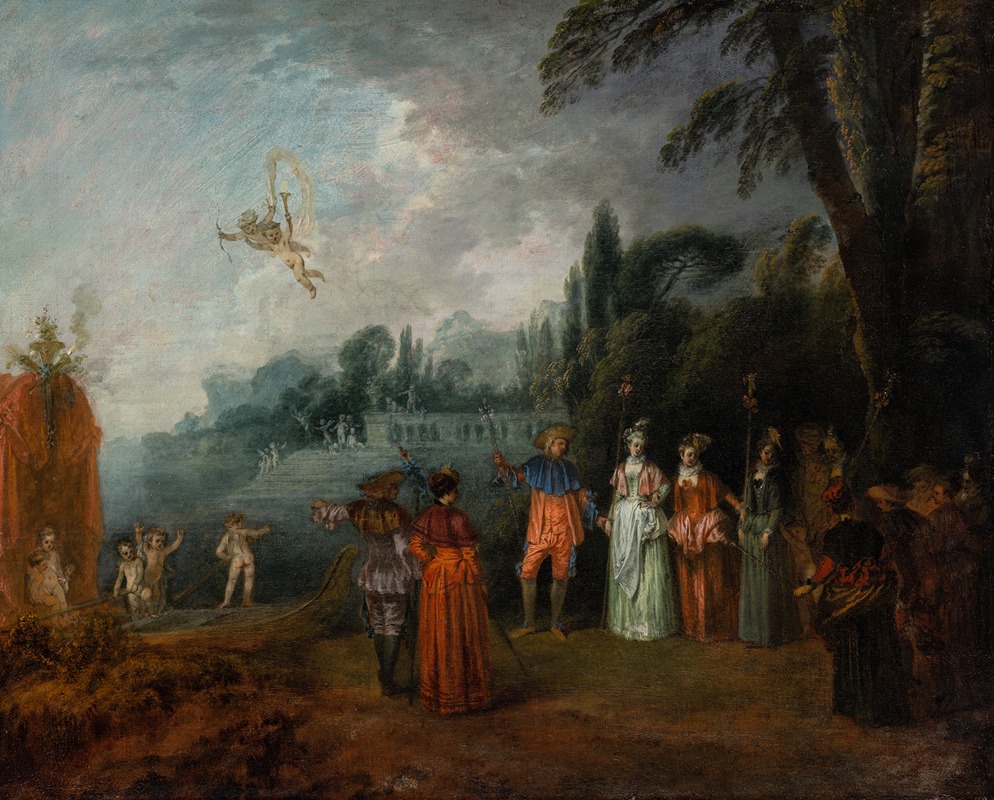
The Embarkation for Cythera
Jean-Antoine Watteau
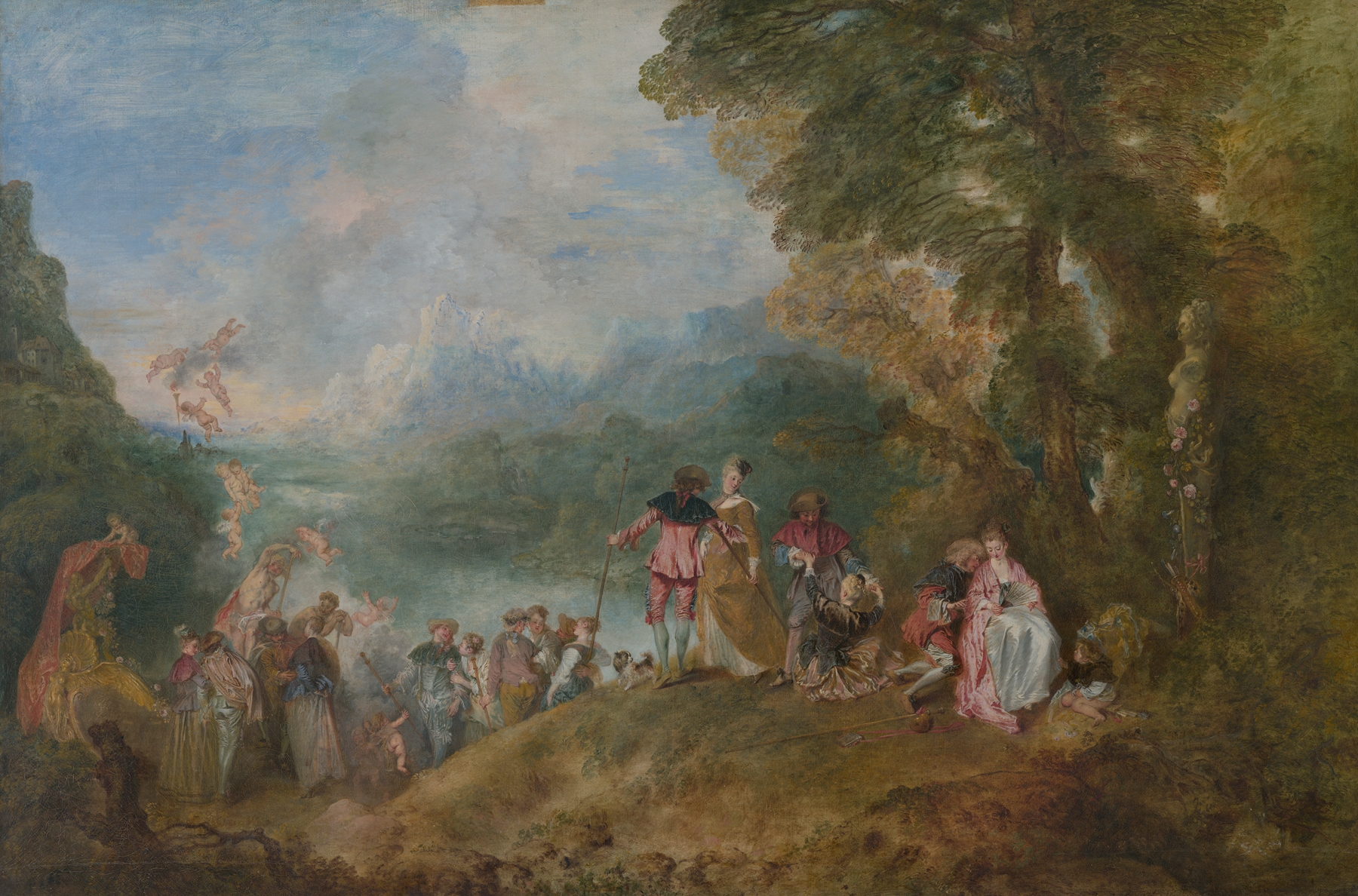
L’Embarquement pour Cythere
Jean-Antoine Watteau
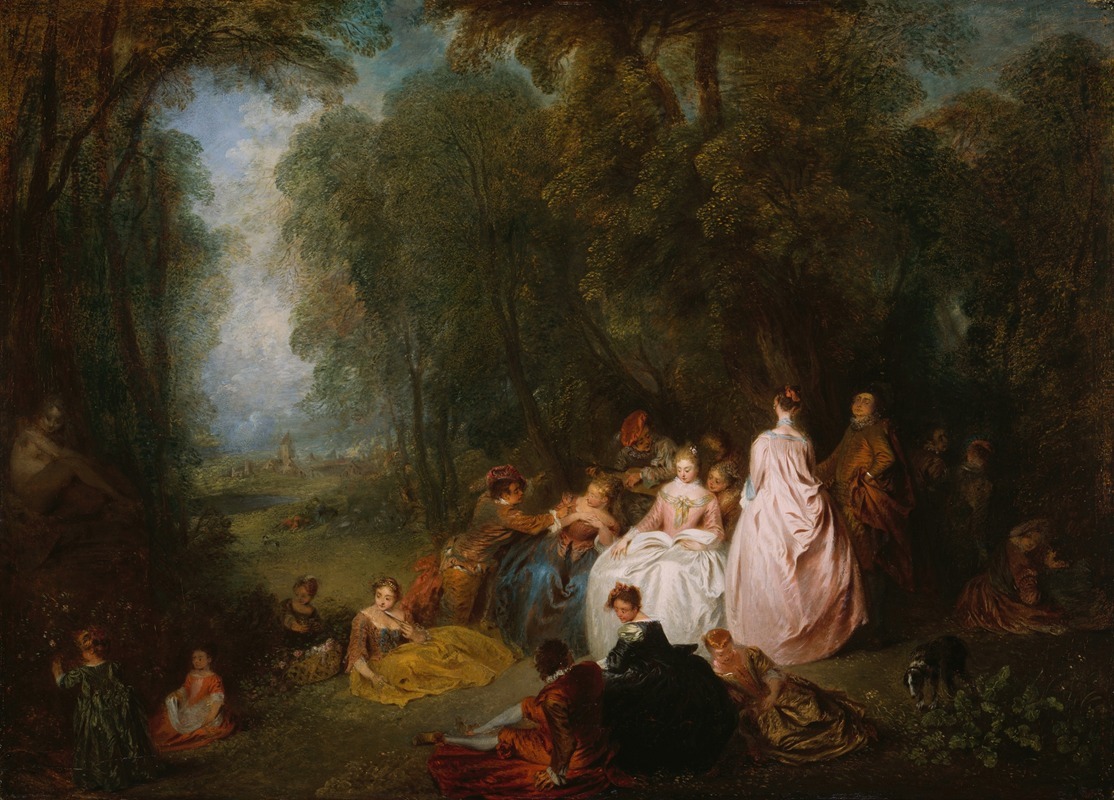
Fête champêtre (Pastoral Gathering)
Jean-Antoine Watteau

The Clothes are Italian
Jean-Antoine Watteau
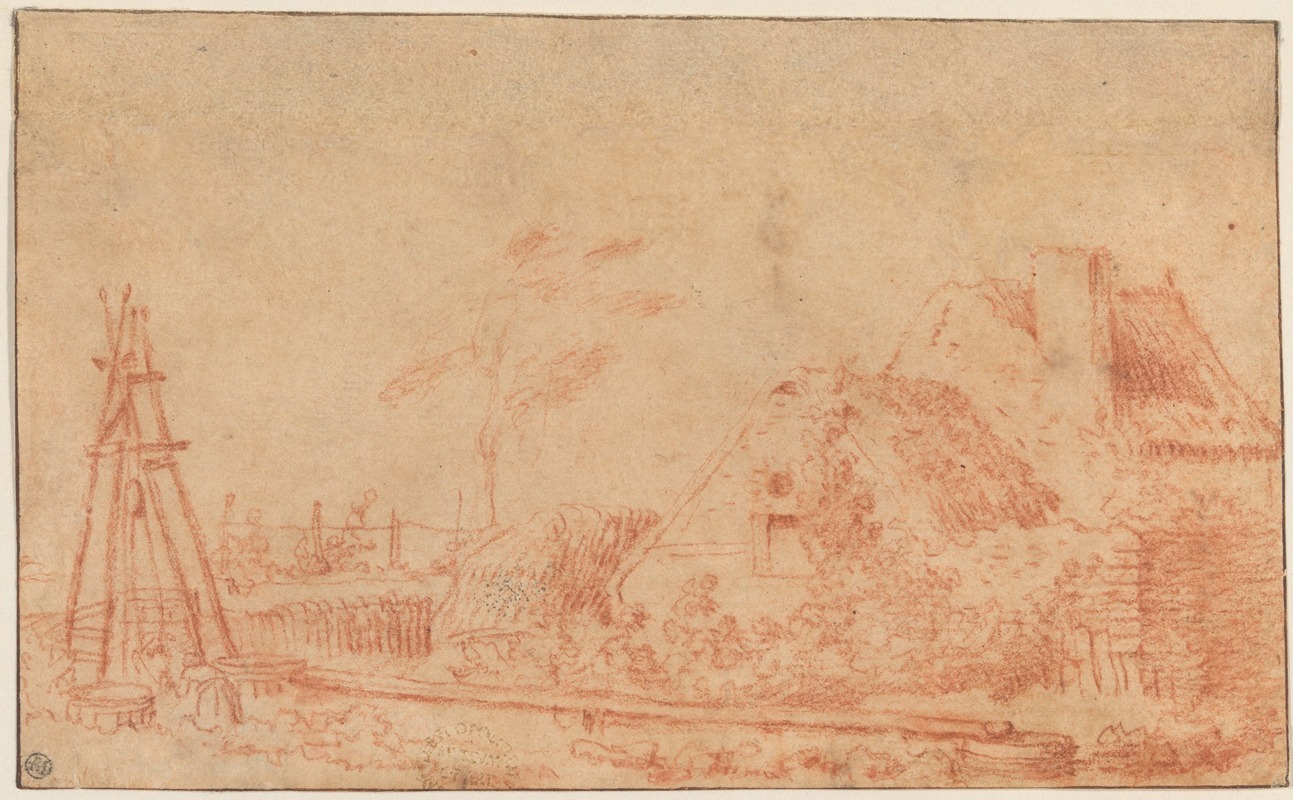
Landscape with a Cottage and Well
Jean-Antoine Watteau
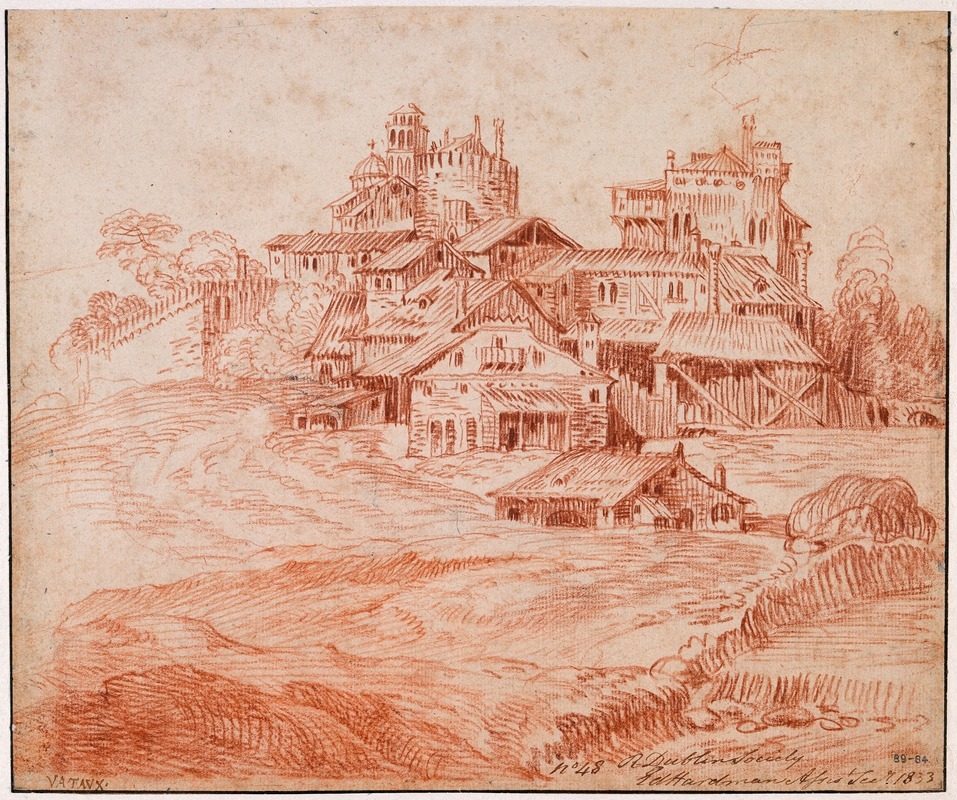
Fortified Village with a Castle, Keep and a Church
Jean-Antoine Watteau

Gentilhomme debout tenant avec sa canne
Jean-Antoine Watteau

Fêtes Venitiennes
Jean-Antoine Watteau

Standing Girl; barefoot, lifting her skirt
Jean-Antoine Watteau
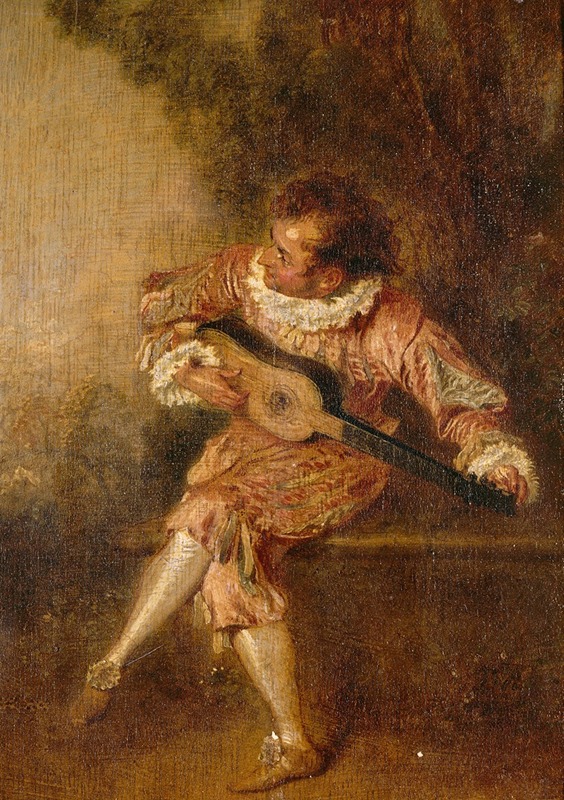
Le donneur de sérénades (Mezetin)
Jean-Antoine Watteau