Les ravins de la Creuse — History & Facts
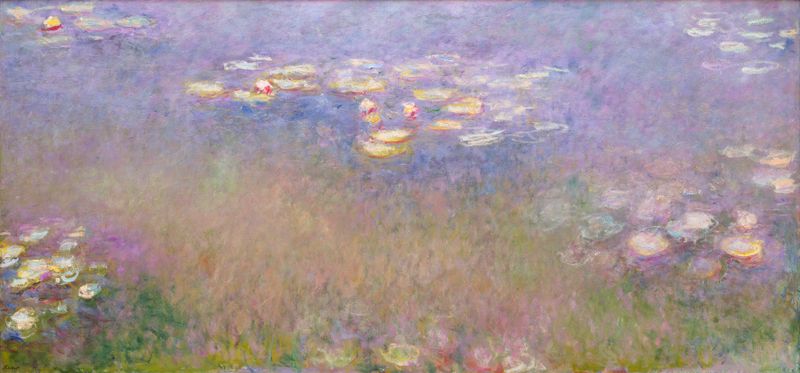
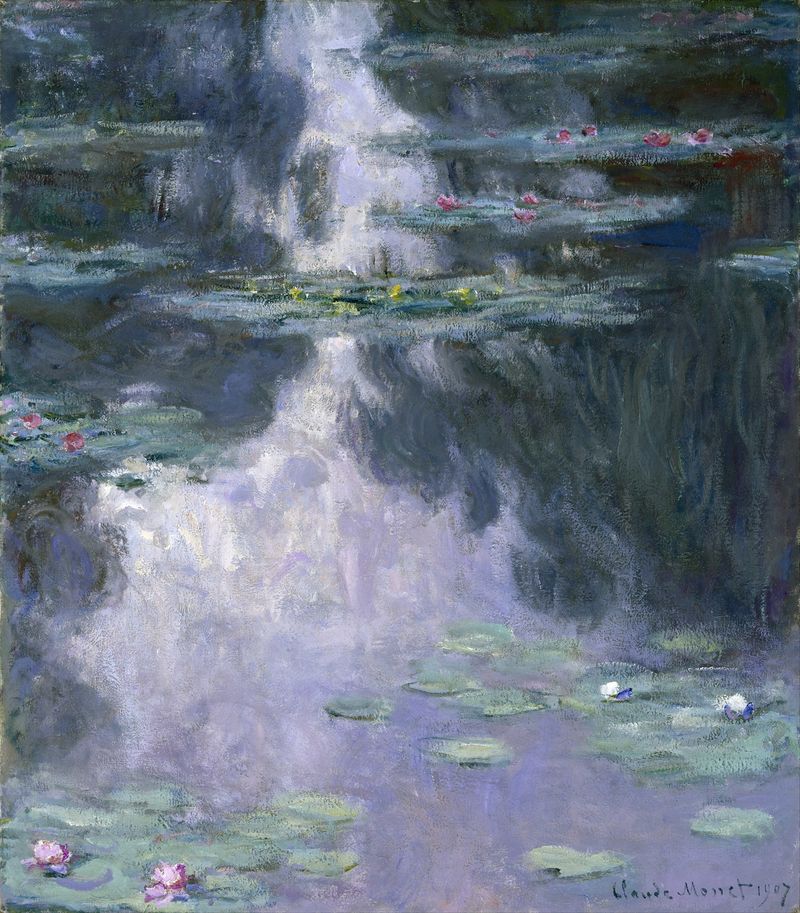
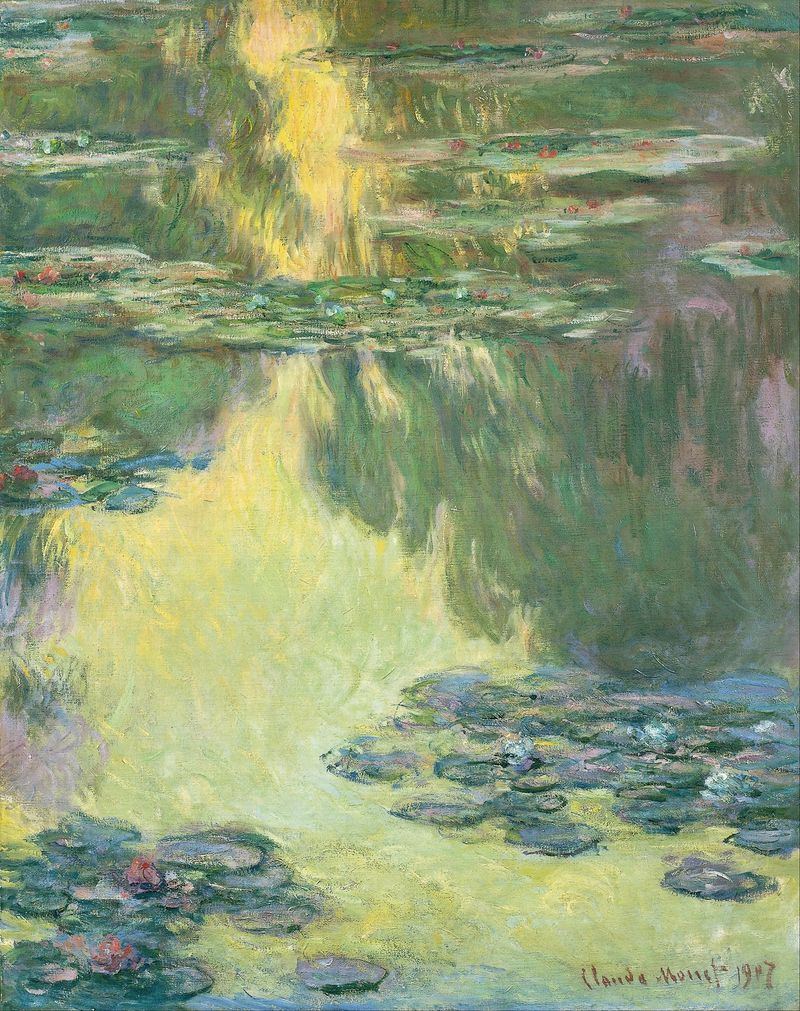
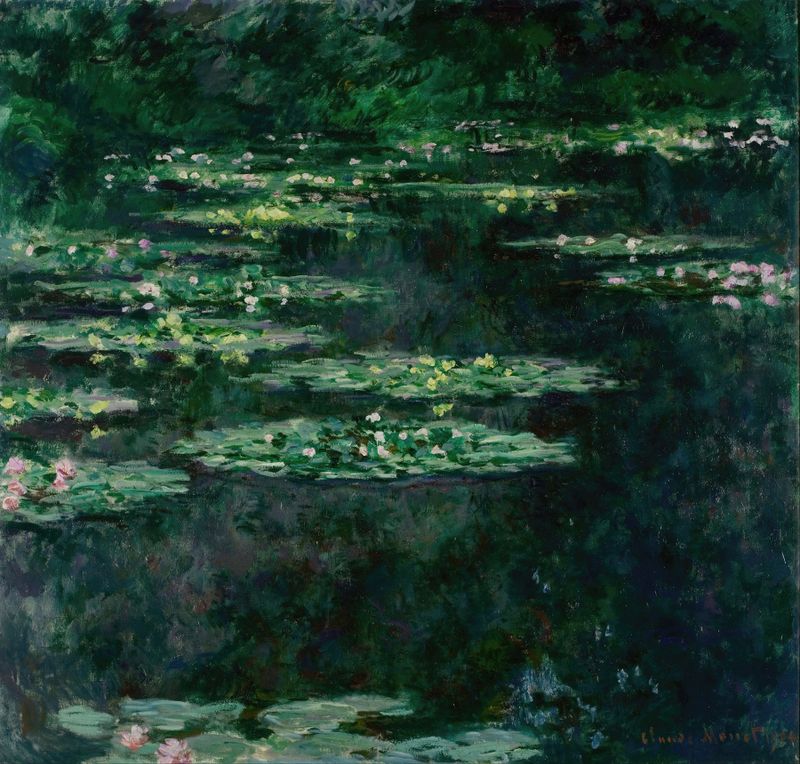
This poignant reflection echoes through the vibrant hues and muted tones of Les ravins de la Creuse. In the interplay between light and shadow, we discern the artist’s intimate meditation on grief, capturing the essence of loss that lingers just beneath the surface of beauty. Look first at the sweeping brushstrokes that define the rugged cliffs, drawing your gaze across the canvas. The serpentine curves of the ravine lead the eye deeper into the composition, while splashes of emerald and cobalt evoke the lushness of nature's embrace.
Notice how the light dances across the textured surface, creating a shimmering effect that contrasts with the somberness of the underlying theme. The palette, though bright, is tinged with a melancholic undertone, inviting viewers to reflect on the deeper emotional currents that run through the scene. As you delve deeper, consider the delicate balance between chaos and harmony present in the work. The jagged cliffs, though imposing, gently cradle the tranquility of the waters below, revealing a tension between nature’s ferocity and its beauty.
Each stroke seems to whisper secrets of the past, suggesting that grief is woven into the very fabric of existence, reminding us that moments of peace often coexist with heartache. In this layered narrative, Monet captures the duality of life—its fleeting joy intertwined with inevitable sorrow. In 1889, while residing in Giverny, Monet painted this masterpiece during a time marked by personal and artistic challenges. The cultural landscape was shifting towards Impressionism, which he was helping to define, yet he grappled with the recent loss of his beloved friend, Camille Doncieux.
This emotional backdrop enriched his work, infusing it with a profound depth that transformed his vivid impressions of nature into a poignant exploration of human experience.