
Les scieurs de long — History & Facts
The gentle tension of labor, painted with the softest strokes, reveals the unyielding spirit of human endeavor amidst transformation. The scene, although static, reverberates with the quiet strength of those engaged in their work, embodying the spirit of revolution that stirs below the surface. Look at the two lumberjacks, working in seamless rhythm beneath a canopy of trees. Notice how the dappled sunlight filters through the foliage, casting intricate patterns on the ground.
This interplay of light and shadow accentuates the textured bark of the trees and the rough, weathered faces of the workers. The palette, composed of muted greens and earthy browns, underscores a sense of harmony with nature, while the slight haze of the atmosphere adds an ethereal quality to the moment. As you take in the scene, consider the juxtaposition of labor and tranquility. The men's focused expressions contrast with the serene landscape, suggesting a profound connection between humanity and its environment.
The essence of revolution lies not just in grand gestures but also in the quiet dedication of everyday life. Each stroke captures the weight of their toil, hinting at a broader narrative of change, where even the simplest acts symbolize resilience and determination. In 1876, Sisley created this piece while living in the burgeoning artistic circles of France. The late 19th century was a time of profound social upheaval and transformation, as the Impressionist movement began to gain traction, challenging traditional norms in art.
This work reflects both Sisley’s personal commitment to capturing the fleeting moments of life and the broader currents of change shaping the world around him.
More Artworks by Alfred Sisley
Browse all →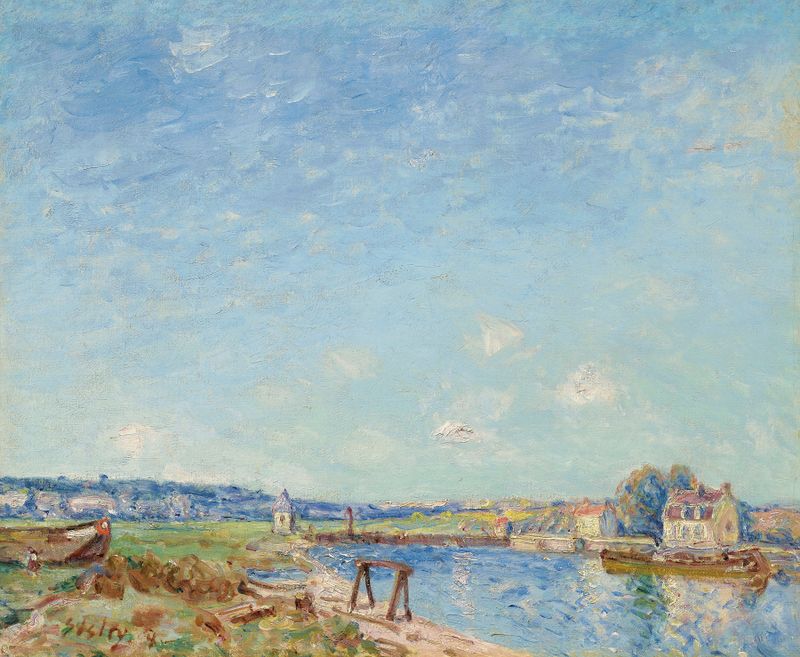
Le Loing à Saint-Mammès
Alfred Sisley
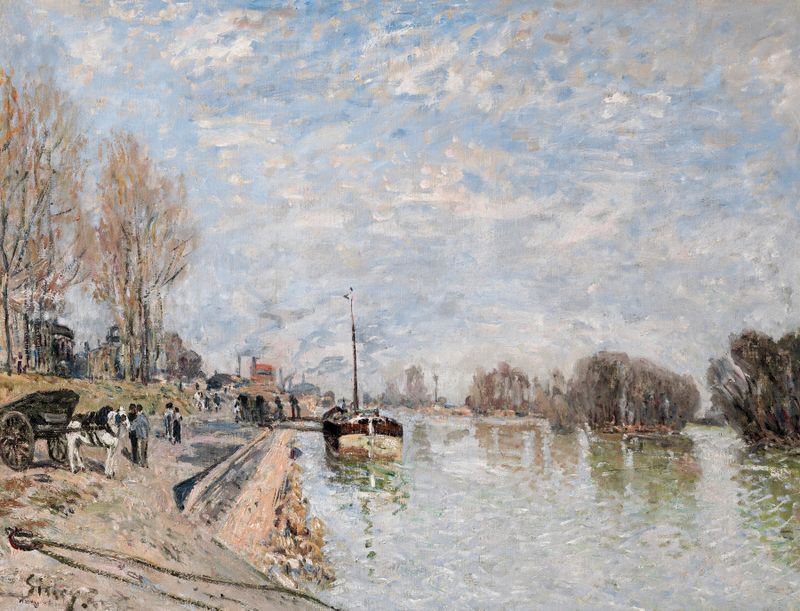
La Seine à Suresnes
Alfred Sisley
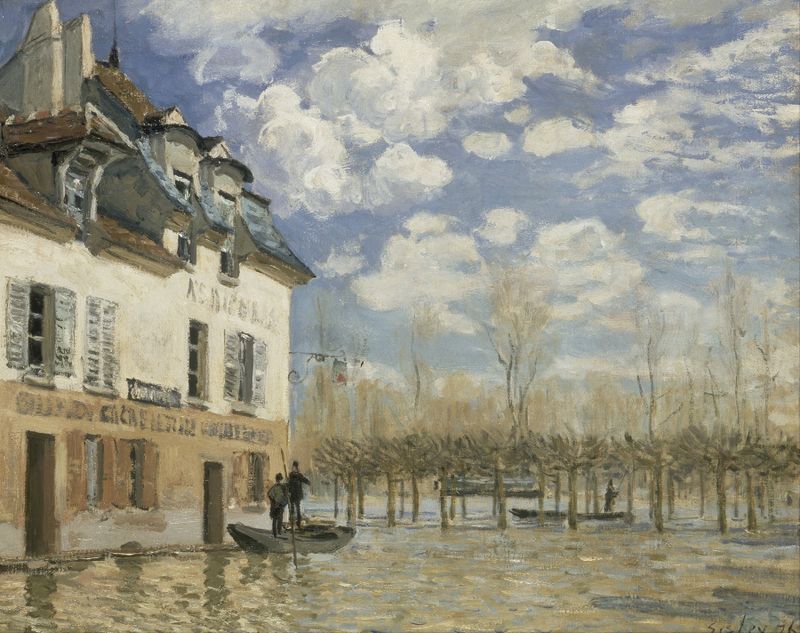
Boat in the Flood at Port Marly
Alfred Sisley
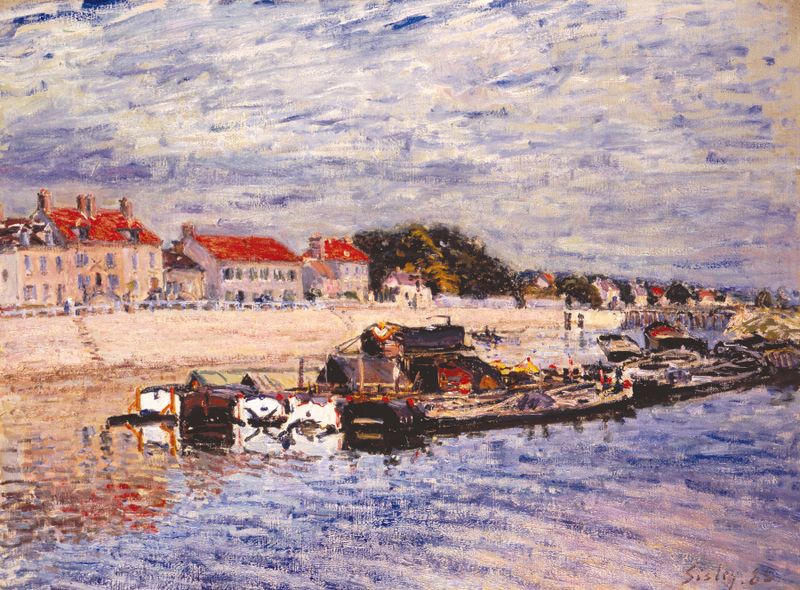
Barges on the Loing at Saint-Mammès
Alfred Sisley

L’allée des peupliers au bord du Loing
Alfred Sisley

Molesey Weir, Hampton Court
Alfred Sisley
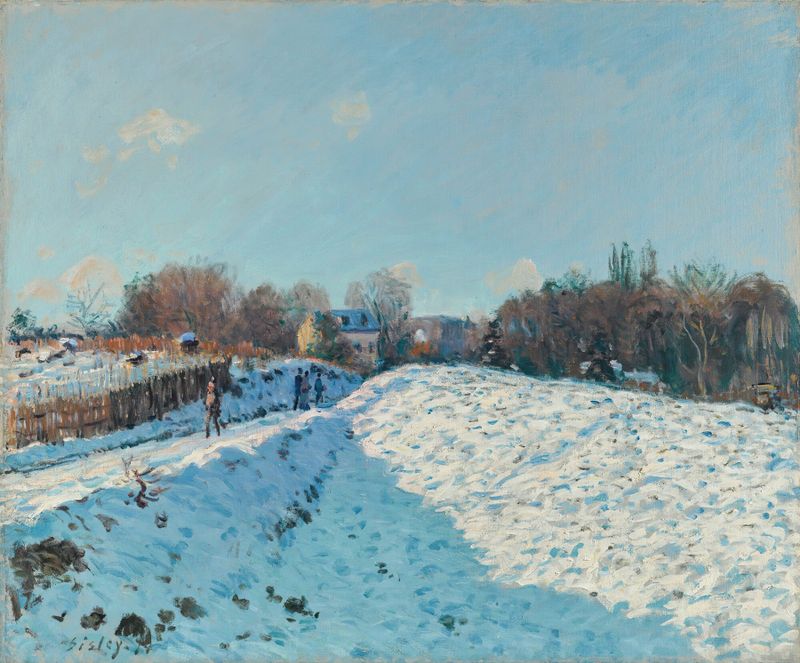
Effet De Neige À Louveciennes
Alfred Sisley
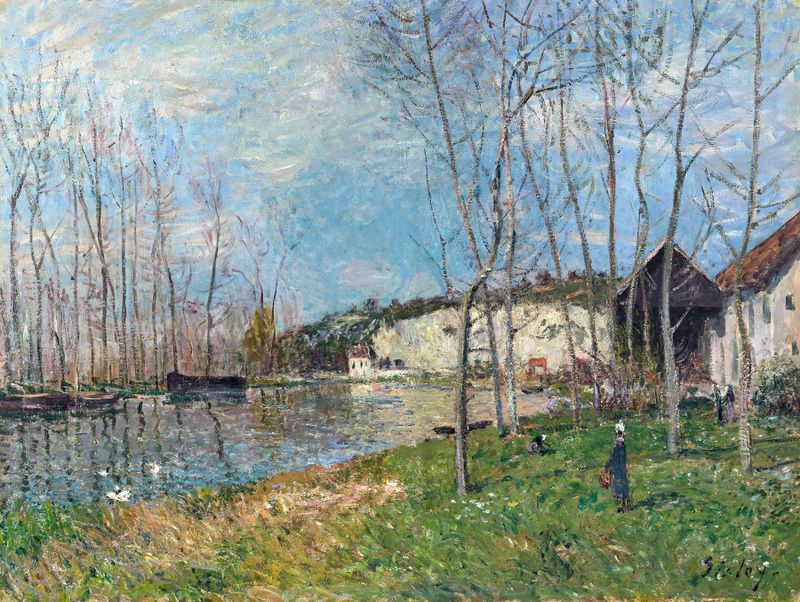
Printemps au bord du Loing
Alfred Sisley
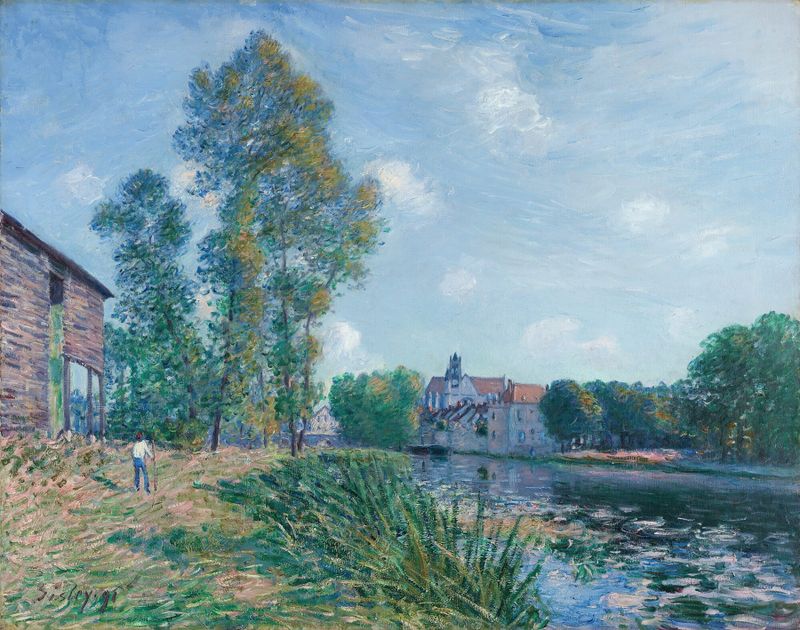
Le Loing À Moret, En Été
Alfred Sisley
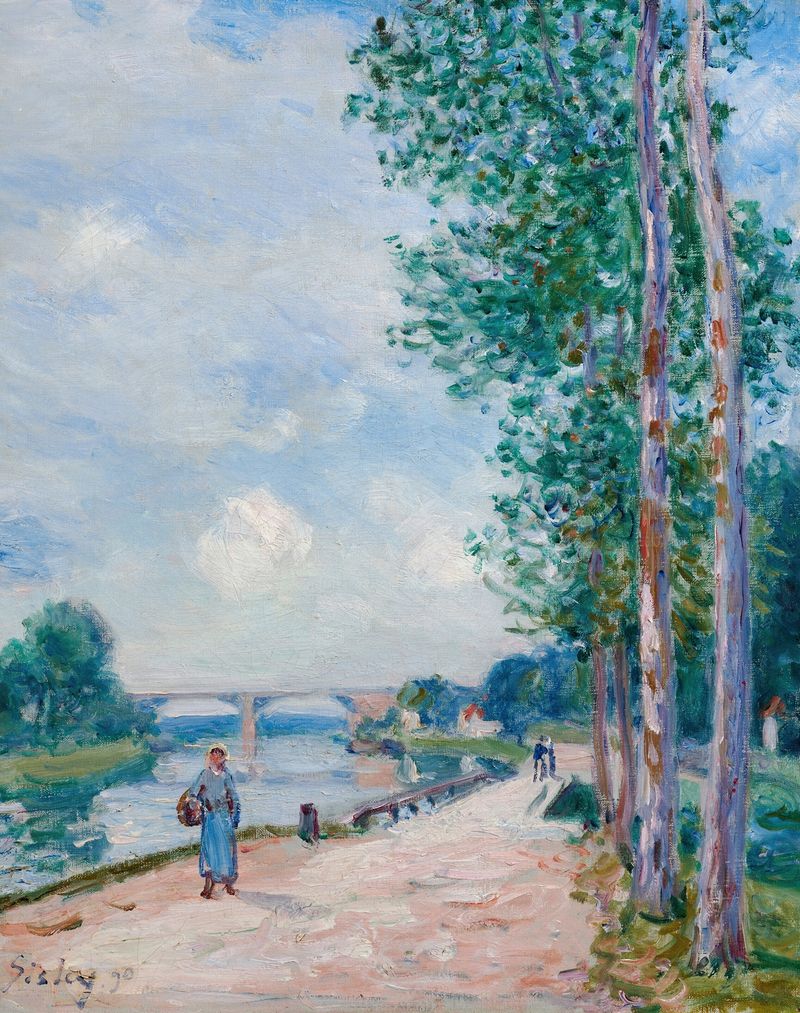
Les bords du Loing près de Moret
Alfred Sisley





