
Les trois cheminées — History & Facts
Where does light end, and longing begin? In Marquet's Les trois cheminées, the interplay of color and form suggests the divine quietly waiting for our gaze to linger. Look to the left at the three towering chimneys, their vertical lines piercing the canvas. Each one is elegantly defined by a spectrum of earthy tones that transition seamlessly into soft blues and whites. The light dances upon their surfaces, reflecting the sky’s gentle embrace, while the surrounding landscape is painted in a muted palette, hinting at a depth that invites contemplation.
The composition balances simplicity and complexity, as the structures dominate yet harmonize with the serene backdrop. Delve deeper into the subtle contrasts of the piece. The chimneys may represent industrial progress, yet their graceful depiction evokes a sense of nostalgia, a longing for simpler times. The quietude of the scene, accentuated by the absence of human figures, reminds the viewer of solitude and introspection.
Light bathes the chimneys but also casts shadows of uncertainty, suggesting that divinity might lie in both the seen and the unseen. Created between 1932 and 1934, this work emerged during a period when Marquet was exploring the interplay of color and light, moving away from the more traditional forms of impressionism. Working primarily in Paris, he was part of a vibrant artistic community grappling with the tension between modernity and nostalgia. This piece reflects his desire to capture not just the physical world, but also the emotional resonance that such scenes evoke.
More Artworks by Albert Marquet
Browse all →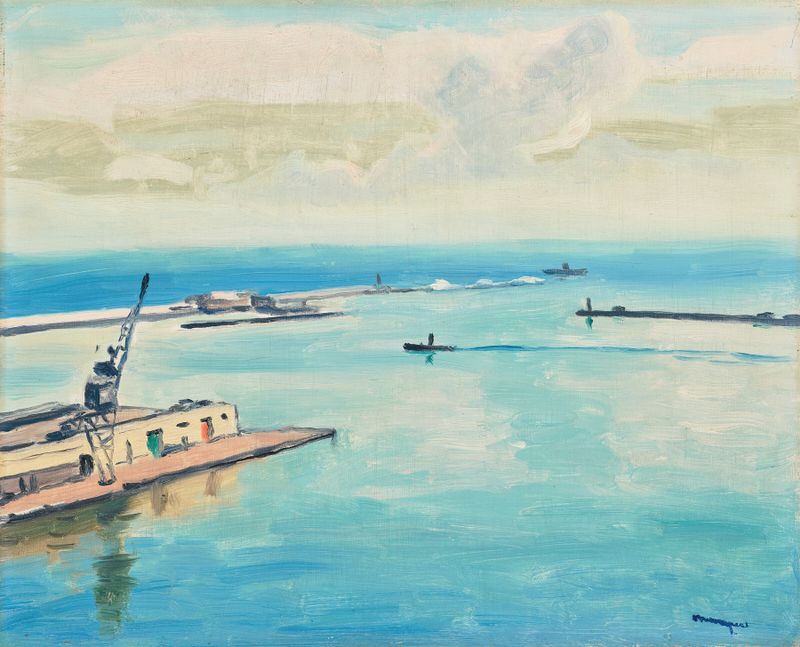
Le Port d’Alger
Albert Marquet
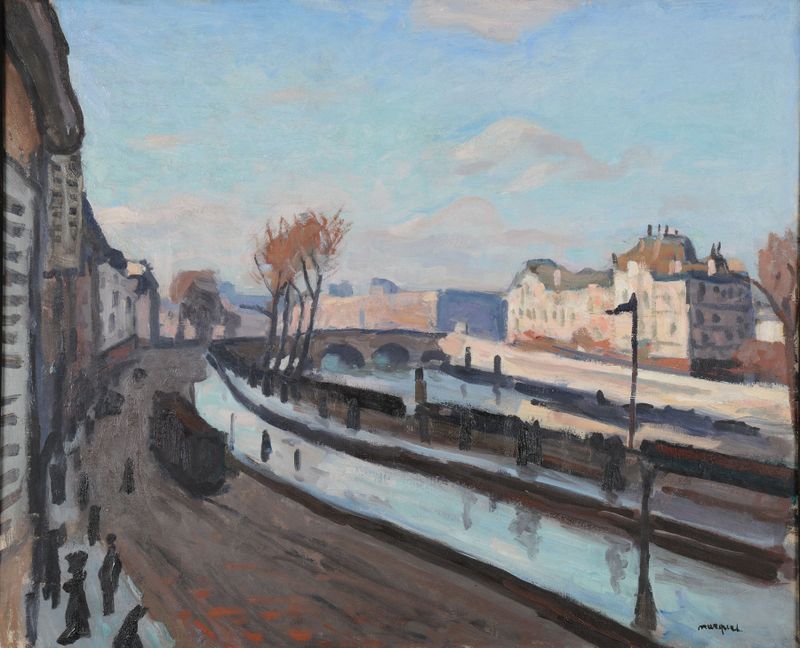
Le quai des Grands Augustins
Albert Marquet
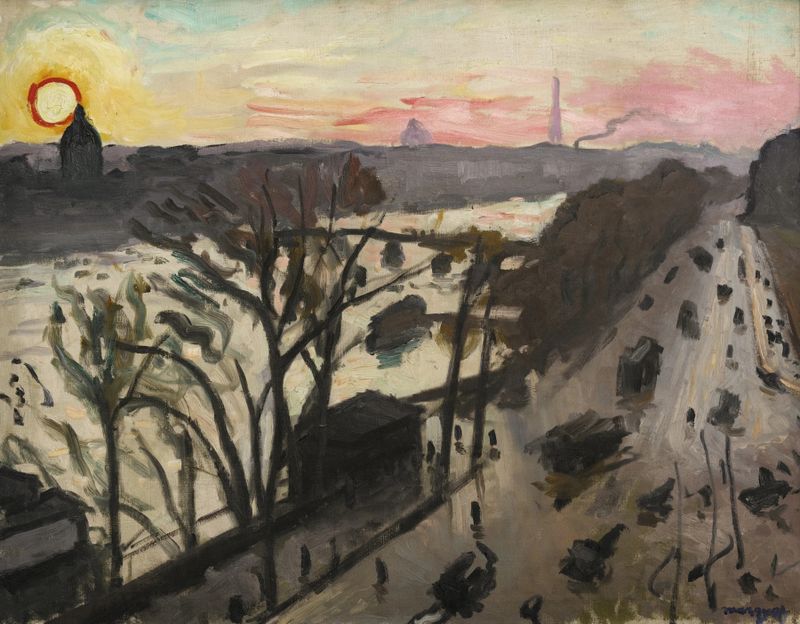
Paris, quai du Louvre, soleil d’hiver
Albert Marquet
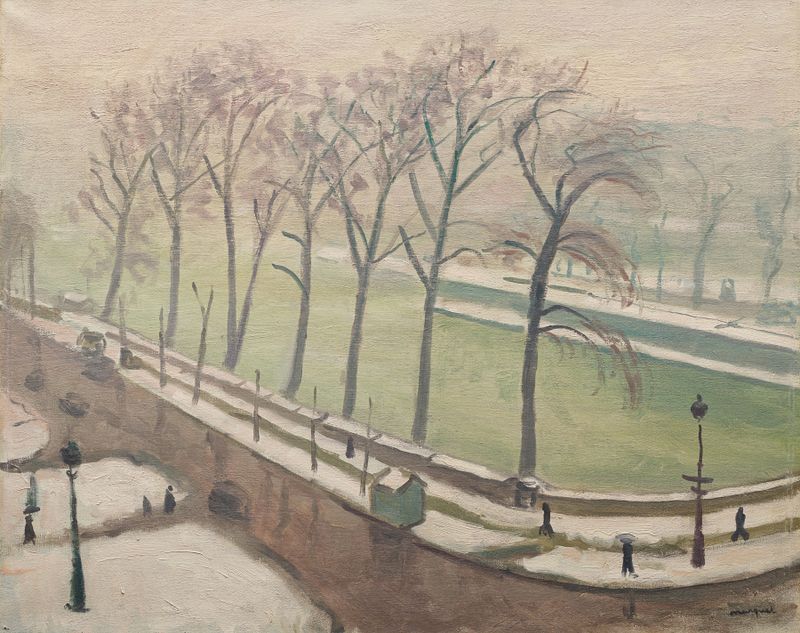
Pont-Neuf sous la neige
Albert Marquet
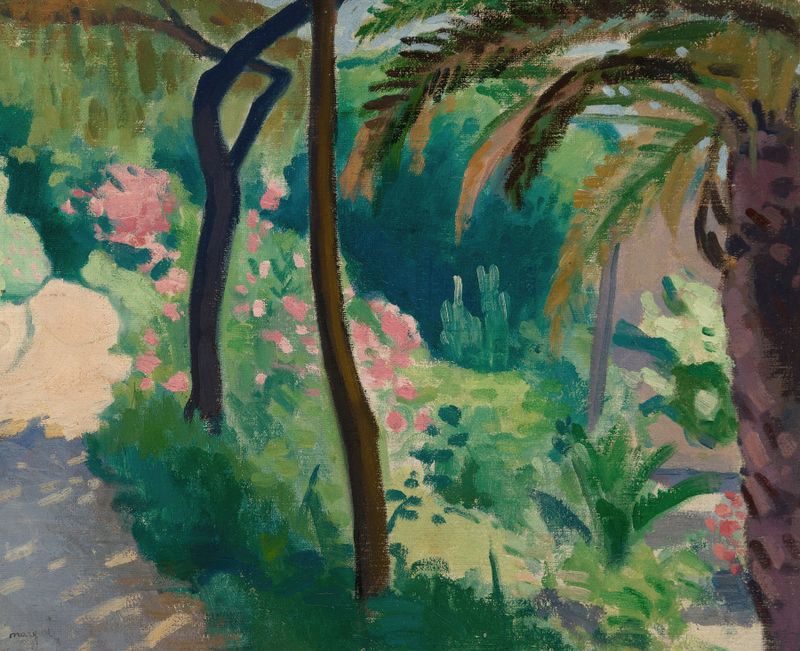
Le jardin à l’Estaque
Albert Marquet
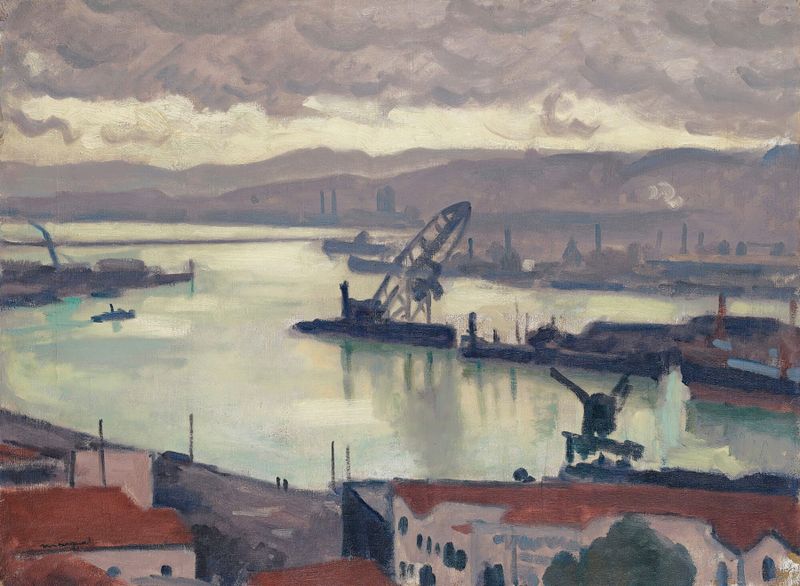
Alger, Temps Gris
Albert Marquet
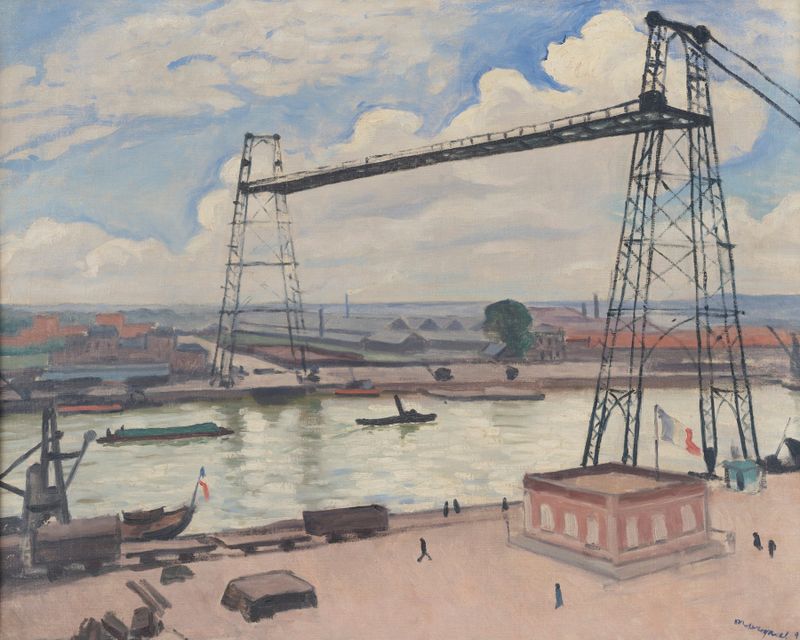
Rouen, le pont transbordeur
Albert Marquet
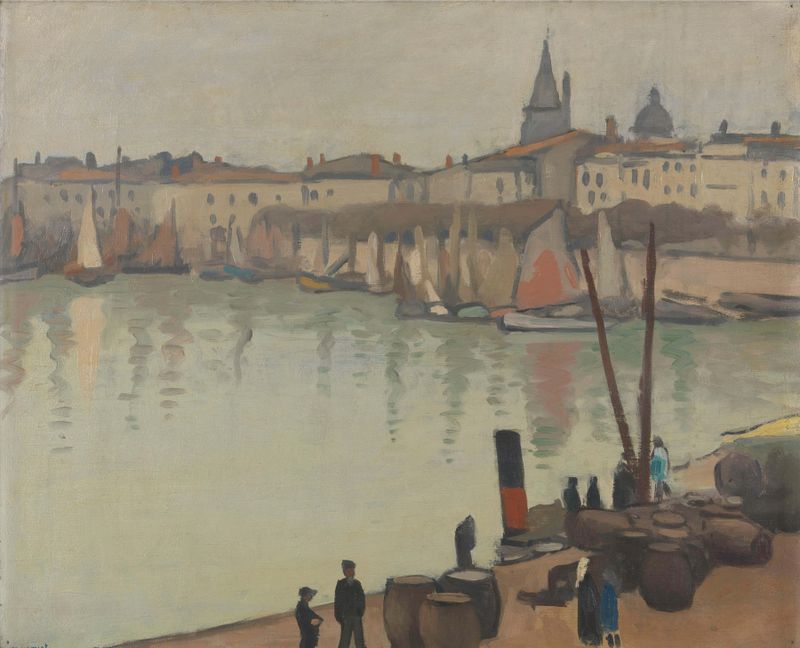
Port of La Rochelle
Albert Marquet

Berge de la Seine à Méricourt
Albert Marquet
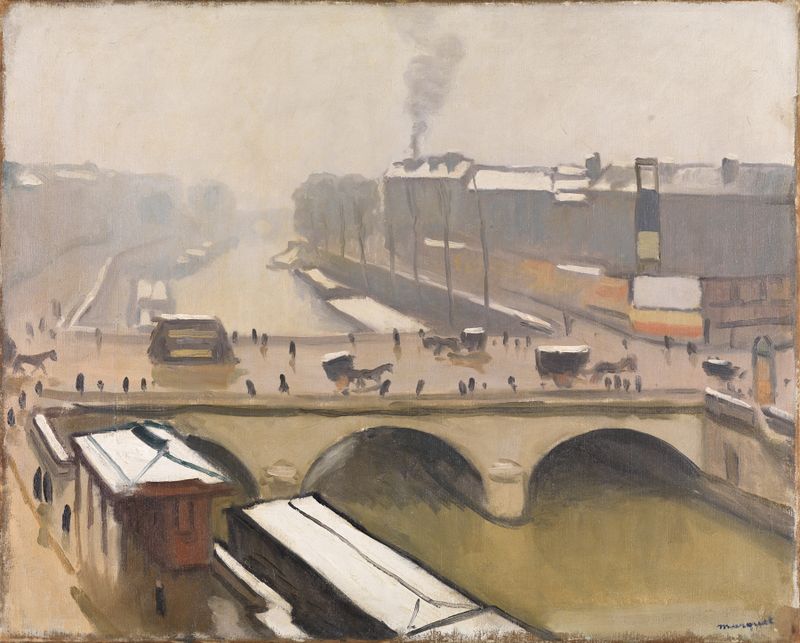
View of the Pont Saint-Michel in Paris
Albert Marquet





