Licenza, near Rome; Horace’s Villa — History & Facts
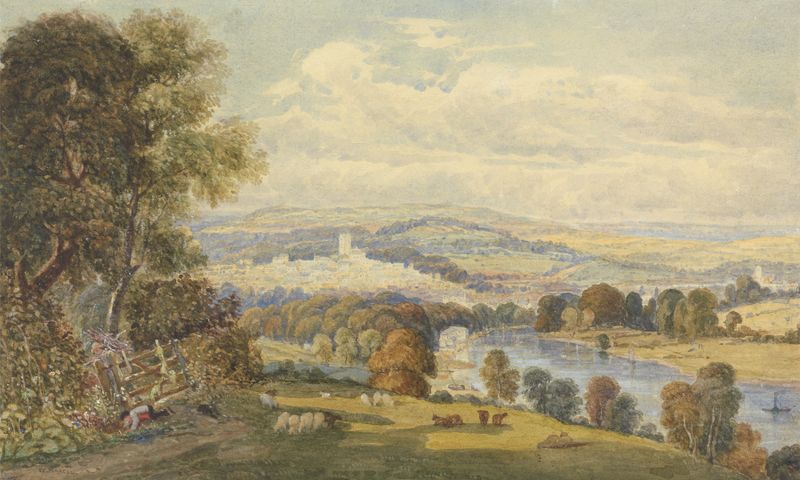
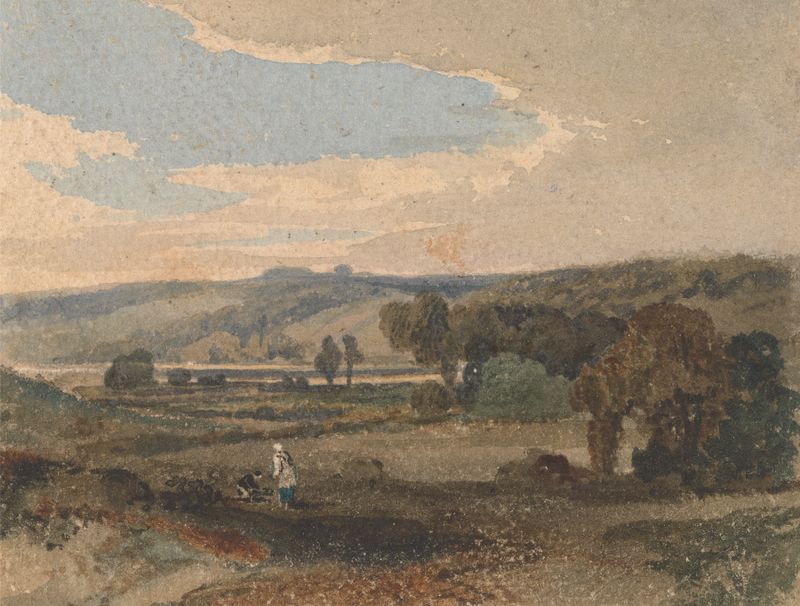
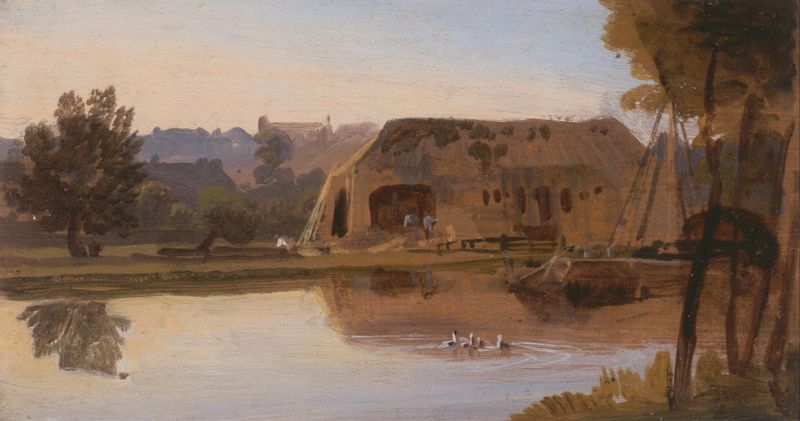
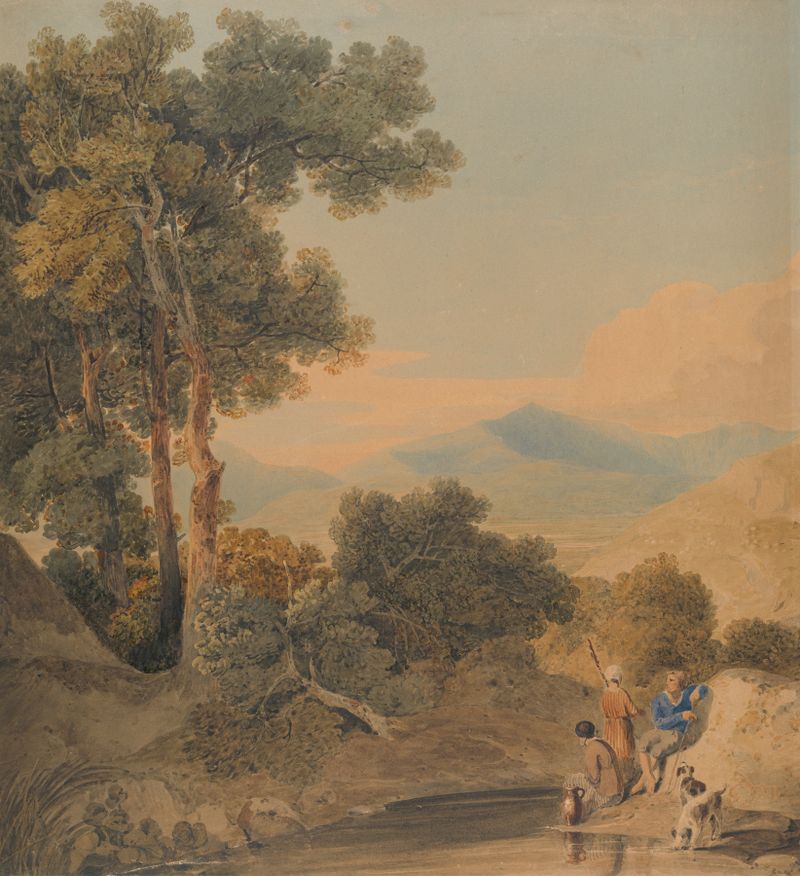
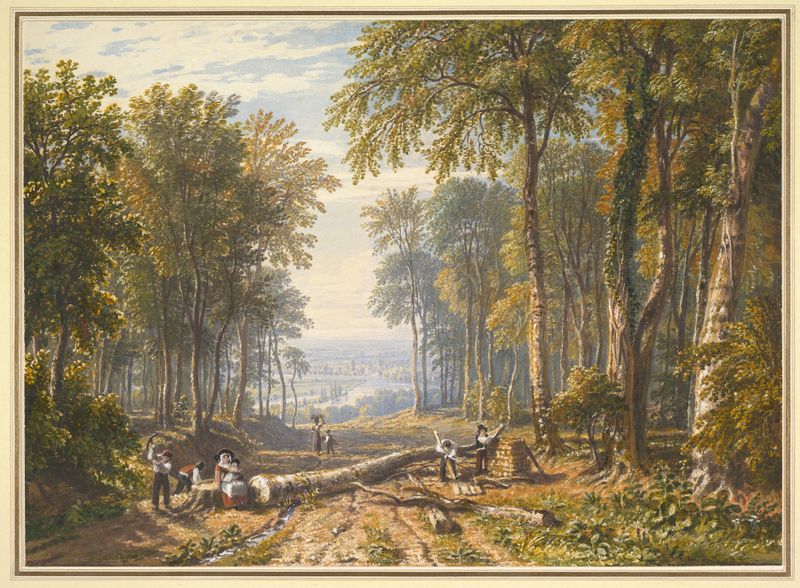
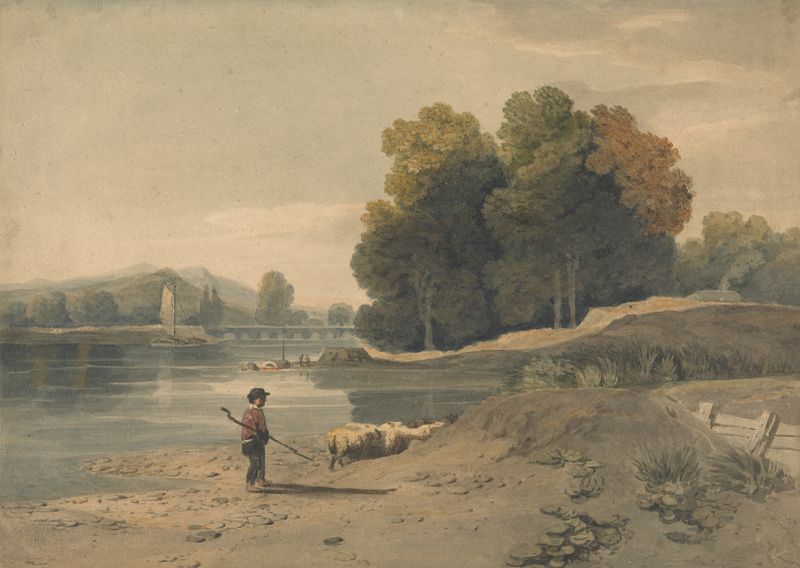
What secret hides in the quiet of the canvas? In the stillness of Licenza, near Rome; Horace’s Villa, an unspoken loneliness lingers, inviting the viewer to uncover its depths. Look to the left at the gentle arch of the hills, their undulating forms cradling the serene villa. The warm, muted colors evoke a sense of nostalgia, while soft brushstrokes blend the landscape with the sky, creating a dreamlike atmosphere. Notice how the light filters through the foliage, casting dappled shadows on the path leading to the villa, drawing the eye toward the solitary structure as if whispering tales of its past. A contrast emerges between the vibrant landscape and the stillness of the villa, suggesting a narrative of solitude.
The positioning of the villa, slightly off-center, hints at the idea of displacement, as if it stands apart from the world around it. The tranquil waters reflect the scene above, amplifying both the beauty and isolation inherent in the work; the surrounding nature thrives yet leaves the villa untouched, a poignant commentary on the passage of time and the quiet resignation of loneliness. In 1828–29, William Havell painted this landscape while living in England but drawing inspiration from his travels in Italy. This period marked a significant shift in his artistic endeavors, as he sought to translate the beauty of the Italian countryside onto canvas.
The Romantic movement was gaining momentum, encouraging artists like Havell to explore themes of nature and emotion, marking a transitional moment in his career as he began to embrace the depth of human experience within his landscapes.