Welsh Landscape — History & Facts
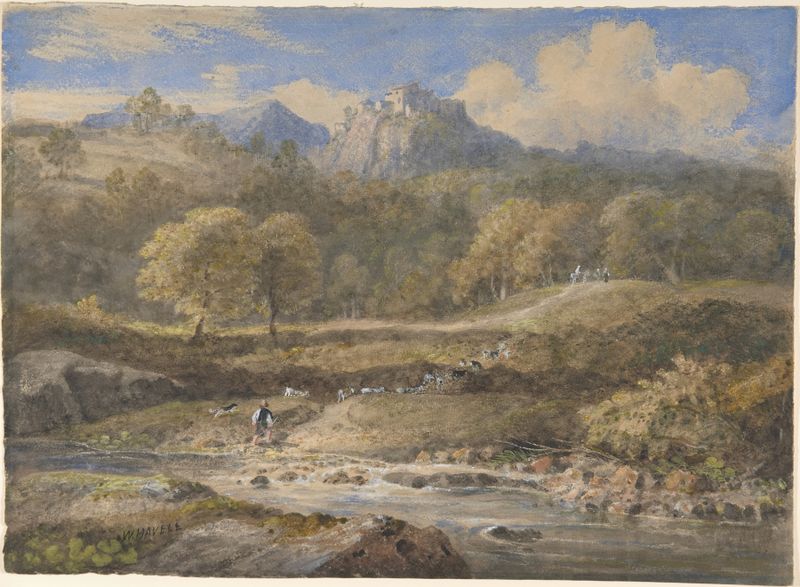
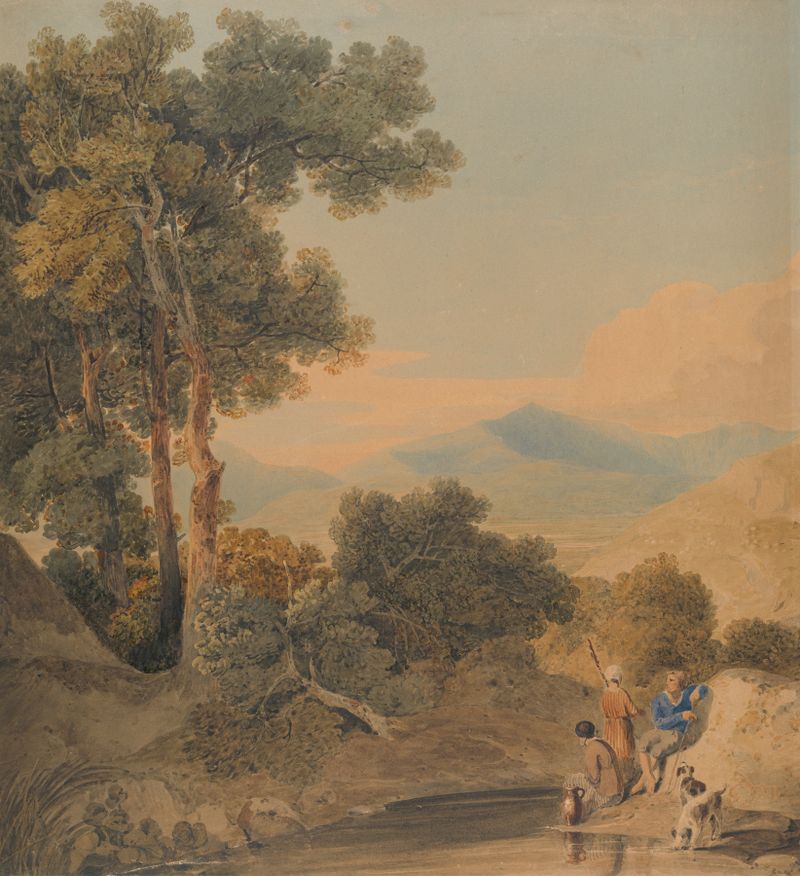
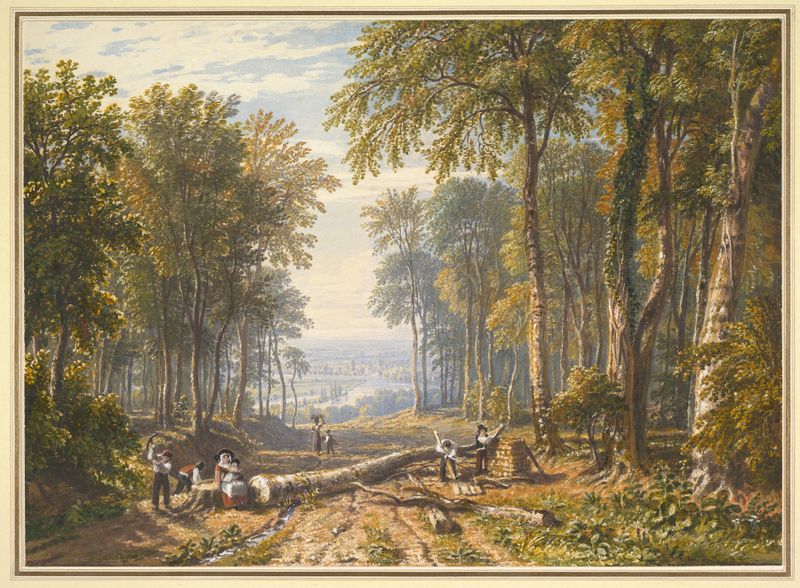
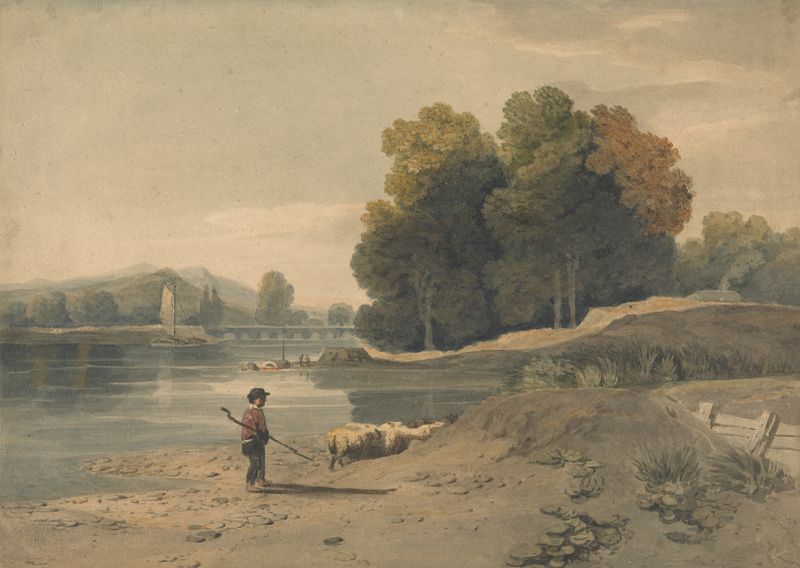
In Welsh Landscape, the essence of movement is captured in an eternal moment, whispering tales of nature’s silent dance. Look to the left where verdant hills rise and fall, undulating like a breath caught in the wind. The rich greens and muted browns, layered with delicate brushstrokes, draw you into the textures of the terrain, inviting your eyes to travel along winding paths that seem to beckon exploration. Notice how the sun breaks through the clouds, casting a warm golden light that illuminates the scene, creating pockets of shadow that add depth and intrigue.
The composition, balanced yet dynamic, invites a sense of tranquility infused with the pulse of life. The contrasting elements of stillness and movement permeate the canvas—while the hills stand steadfast, the clouds above swirl with an unseen breeze, suggesting change. Look carefully at the distant figures, mere silhouettes against the grandeur of the landscape; their presence amplifies the majesty of nature and evokes a sense of scale. The play of light against the landscape speaks to the duality of permanence and transience, reminding us that even the most serene moments are imbued with motion. William Havell painted this work during the early 19th century in England, a time when Romanticism flourished and artists sought to convey emotion through nature.
While specifics regarding the exact date remain elusive, Havell's focus on the sublime beauty of the Welsh countryside reflects a growing appreciation for the natural world amidst the industrial changes of his time. His style, characterized by detailed realism infused with lyrical grace, marks him as a notable figure within the evolving landscape of British art.