
Liefdespaar zittend voor een hek — History & Facts
Can paint confess what words never could? In the quiet intimacy of Liefdespaar zittend voor een hek, a tender yet somber narrative unfolds, echoing the often unspoken depths of loneliness and connection. Look closely at the figures seated before the gate; the couple, intertwined, exudes a silent longing that transcends mere physical presence. Notice how the muted palette—grays and browns—contrasts with the delicate details of their garments, suggesting both warmth and the chill of separation. The wrought iron of the gate, intricate yet imposing, frames them, hinting at barriers that keep love at a distance. Beneath their serene expressions, an emotional tension simmers.
The proximity of their bodies suggests closeness, yet the gate symbolizes an unbridgeable divide. This juxtaposition reflects the universal struggle of human connection against societal constraints or personal fears. The soft light that bathes them creates a melancholic yet tender atmosphere, encapsulating both the joy of companionship and the weight of unfulfilled desires. This piece was created during a time of significant social and artistic change in Europe, likely between 1522 and 1599.
The artist, whose identity remains unknown, navigated a world of emerging Renaissance ideals, where personal themes began to inspire deeper exploration in visual arts. As artists began to delve into the human experience with greater sensitivity, this work stands as a poignant reflection on love, isolation, and the human condition.
More Artworks by Unknown Artist
Browse all →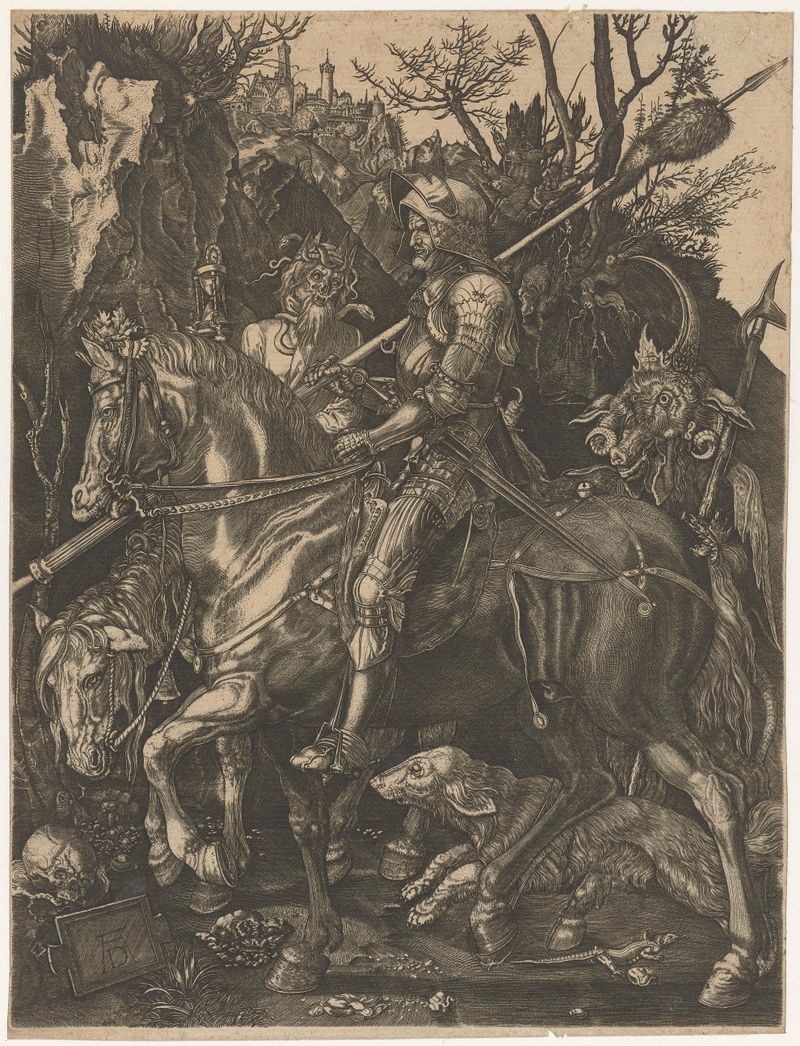
Ridder, Dood en Duivel
Unknown Artist
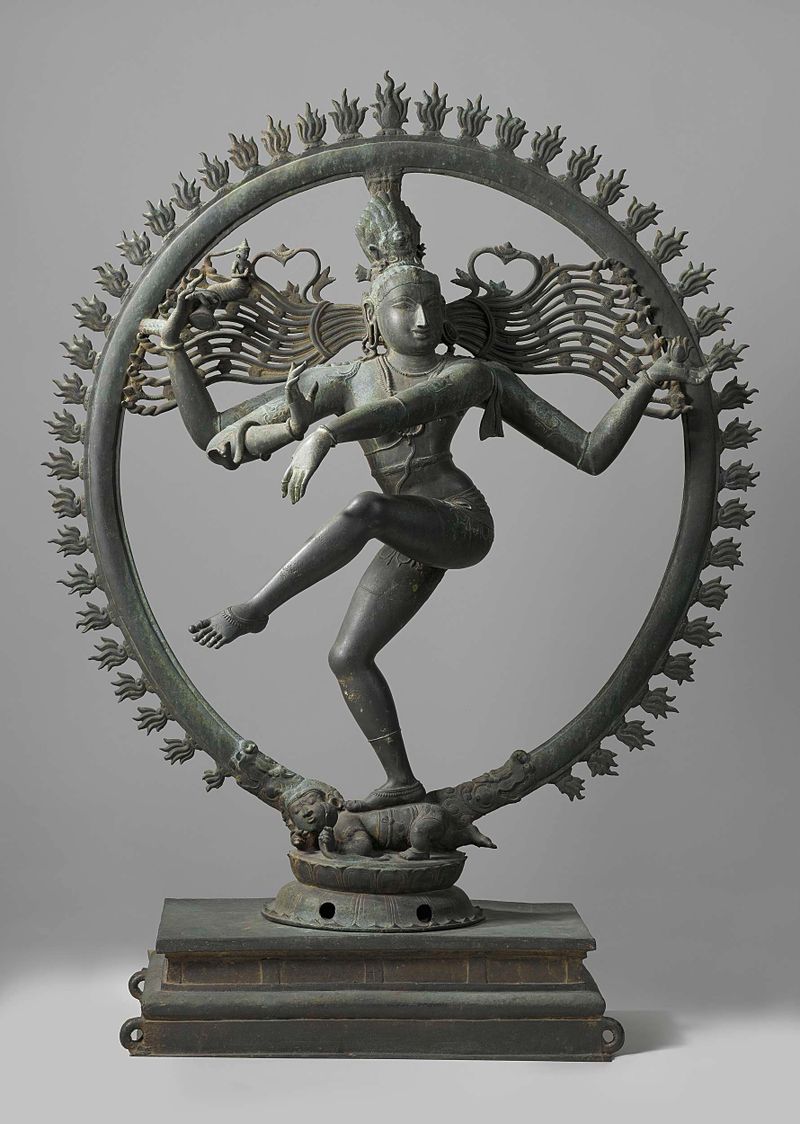
Shiva Nataraja
Unknown Artist
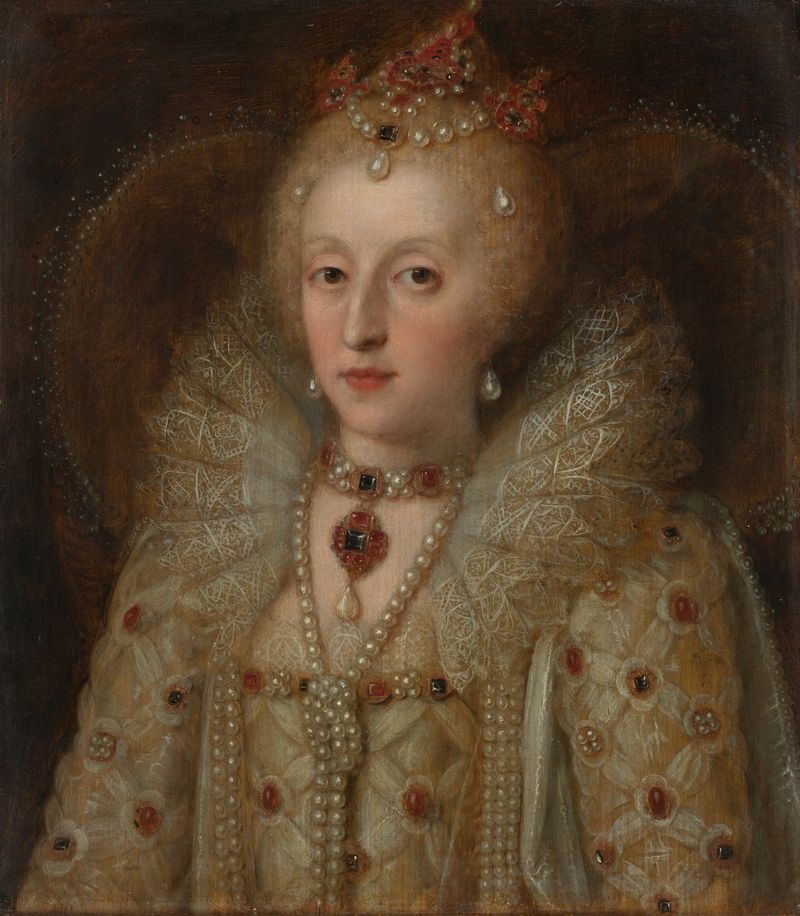
Portrait of Elizabeth I, Queen of England
Unknown Artist
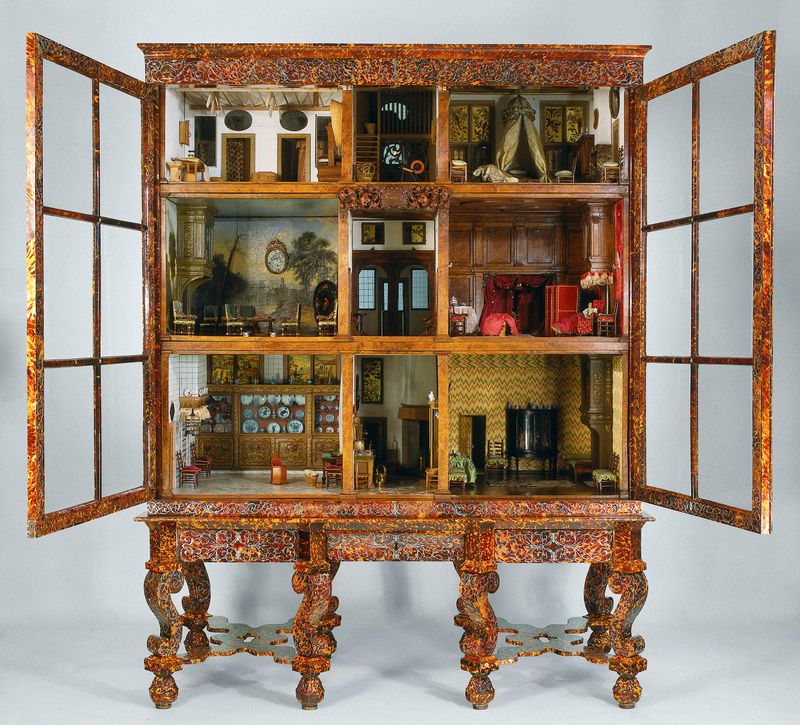
Dolls’ house of Petronella Oortman
Unknown Artist
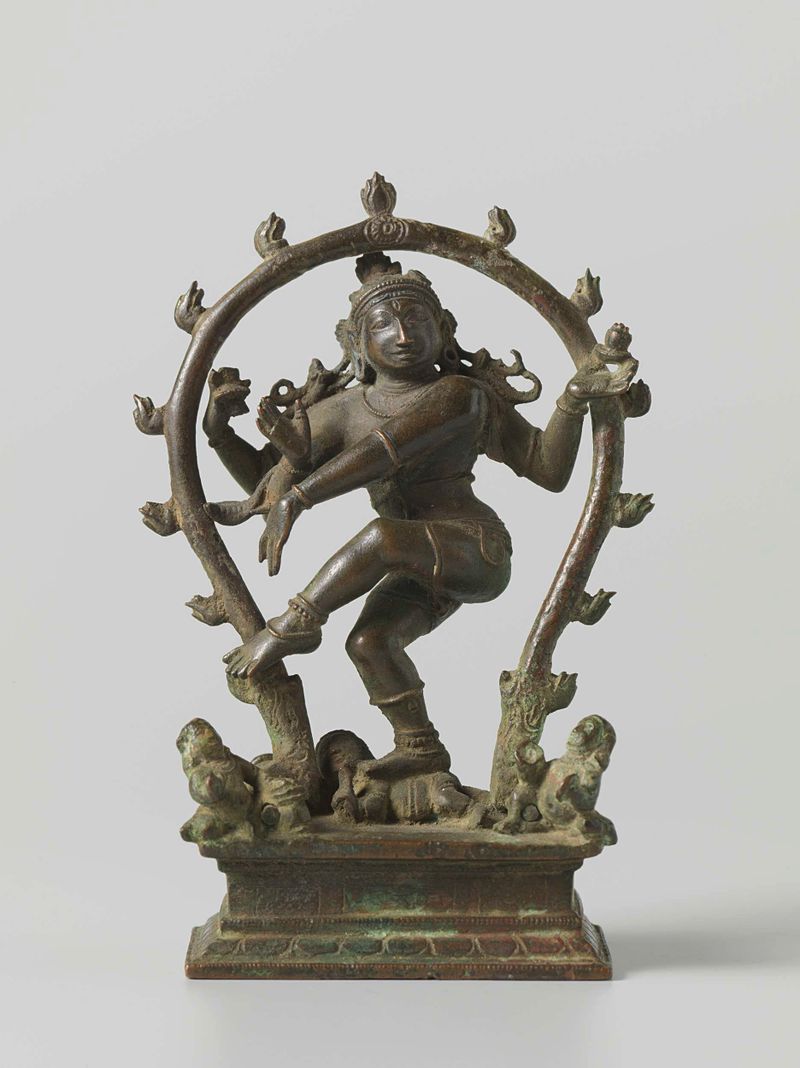
Shiva Nataraja
Unknown Artist

The Tale of Genji
Unknown Artist

The Tale of Genji
Unknown Artist
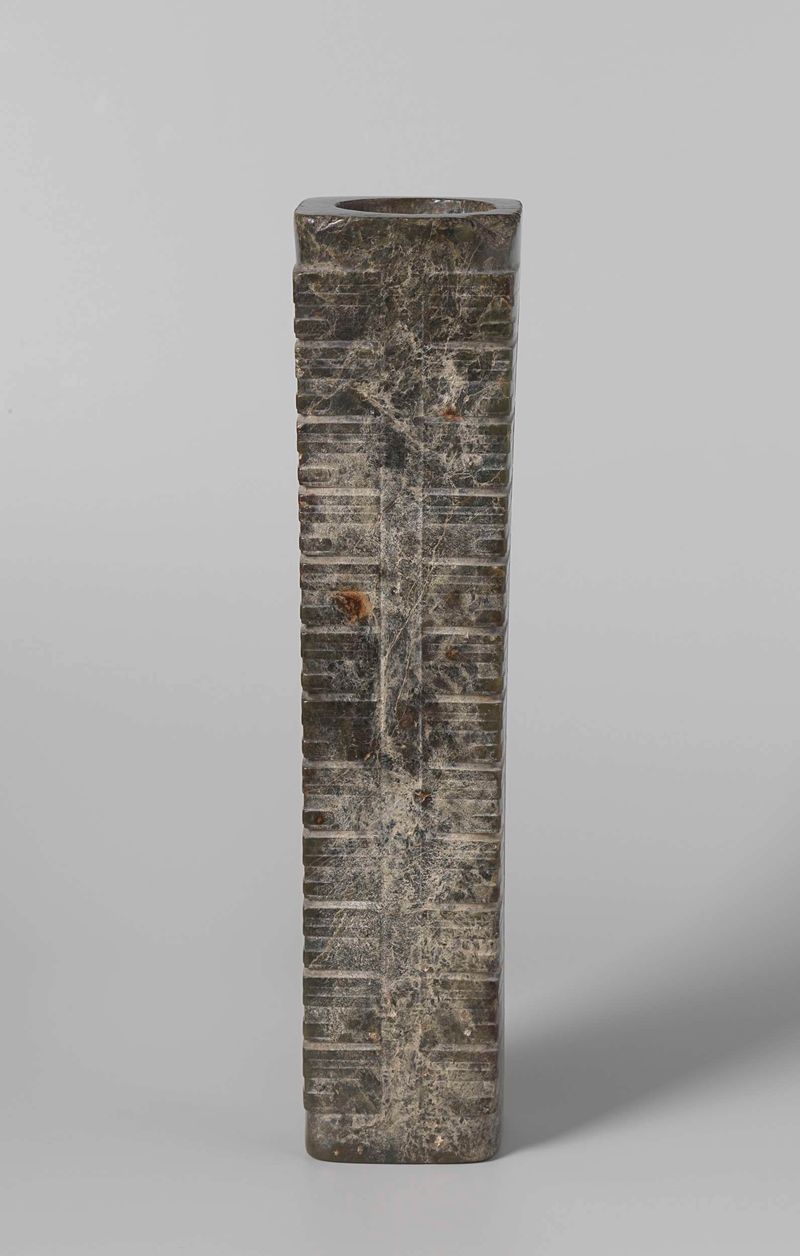
Cong
Unknown Artist
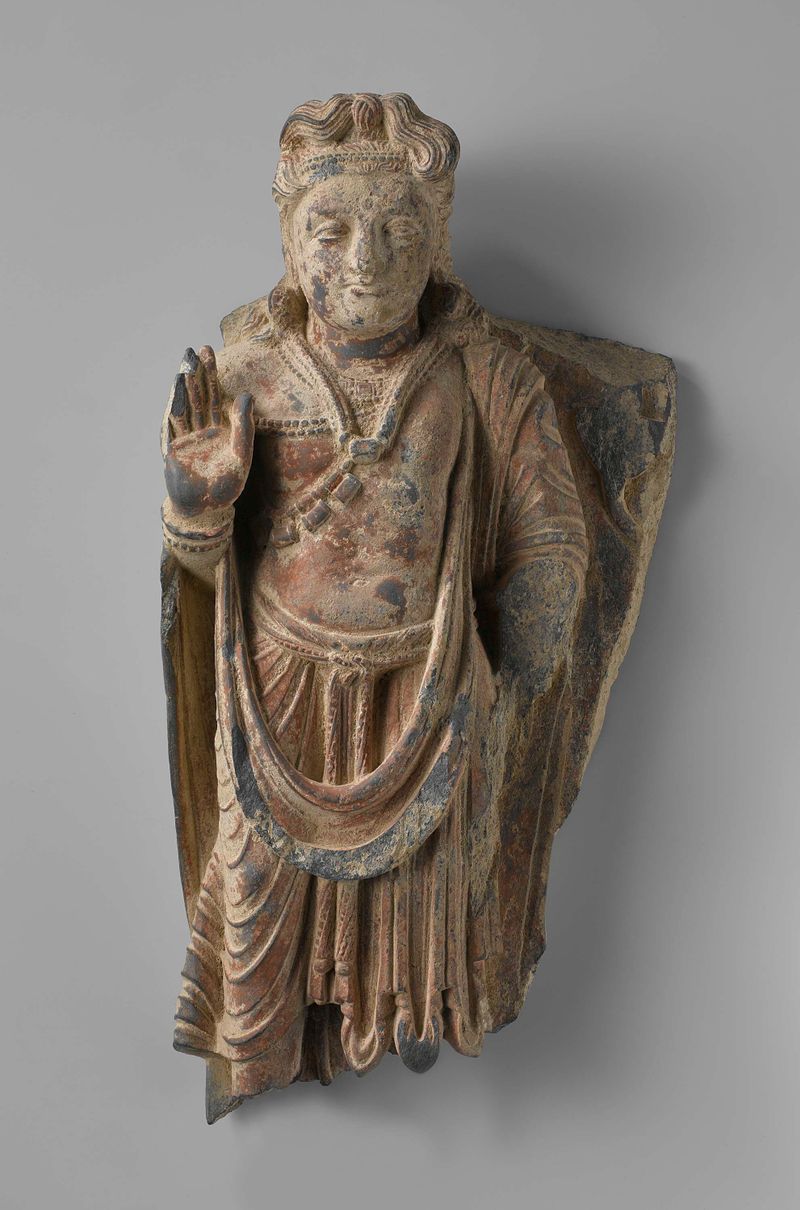
The bodhisattva Maitreya
Unknown Artist
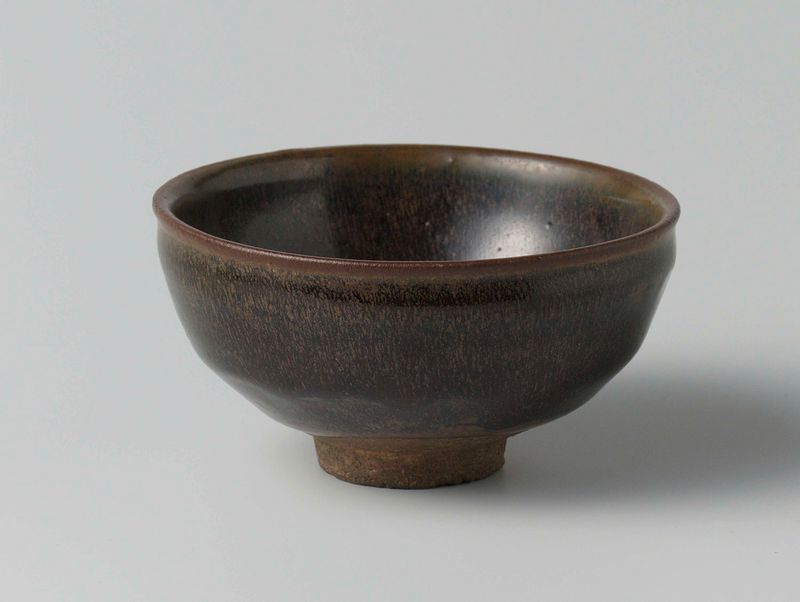
Teabowl with a 'hare's fur' glaze
Unknown Artist





