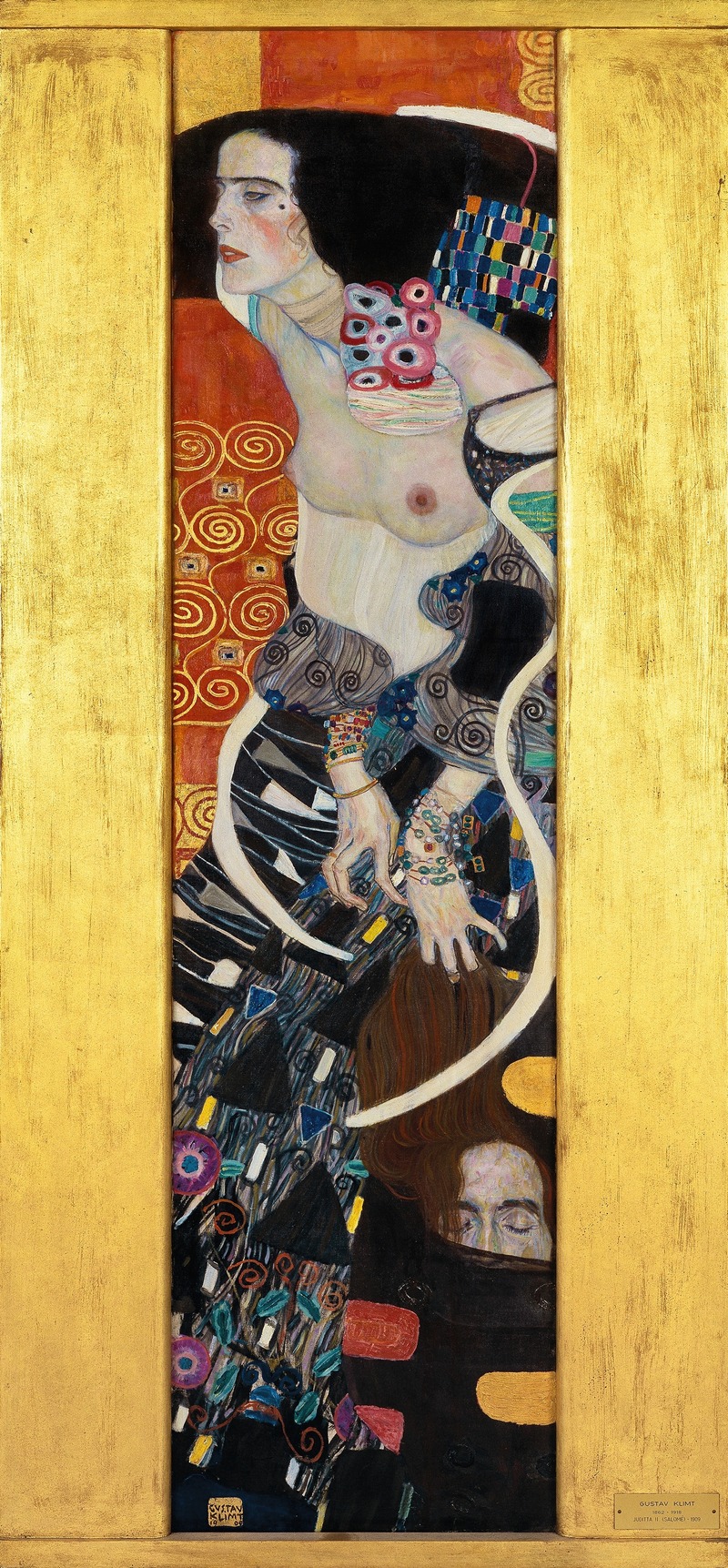
Discover insights about this artwork
Liegende — History & Facts
In Liegende, we see a reclining figure, rendered with soft, flowing lines. The color palette is warm, featuring shades of beige, pink, and muted greens. The figure appears relaxed, with limbs gracefully positioned, suggesting a sense of tranquility.
The background is minimal, allowing the viewer to focus on the figure itself. The painting is executed in oil on canvas, a medium that allows for rich texture and depth. Pascin's brushwork is fluid, emphasizing the curves of the body and the softness of the skin. The dimensions are approximately 70 x 100 cm, making it a medium-sized work that invites close inspection.
The use of light and shadow adds dimension and life to the figure. Jules Pascin was a prominent figure in the early 20th-century art scene, known for his depictions of women and the human form. Liegende reflects his modernist style, characterized by a blend of realism and abstraction. An interesting fact about this work is that it was created during Pascin's time in Paris, where he was influenced by the vibrant art community.
His works often explore themes of intimacy and vulnerability, making them resonate with viewers.
More Artworks by Jules Pascin
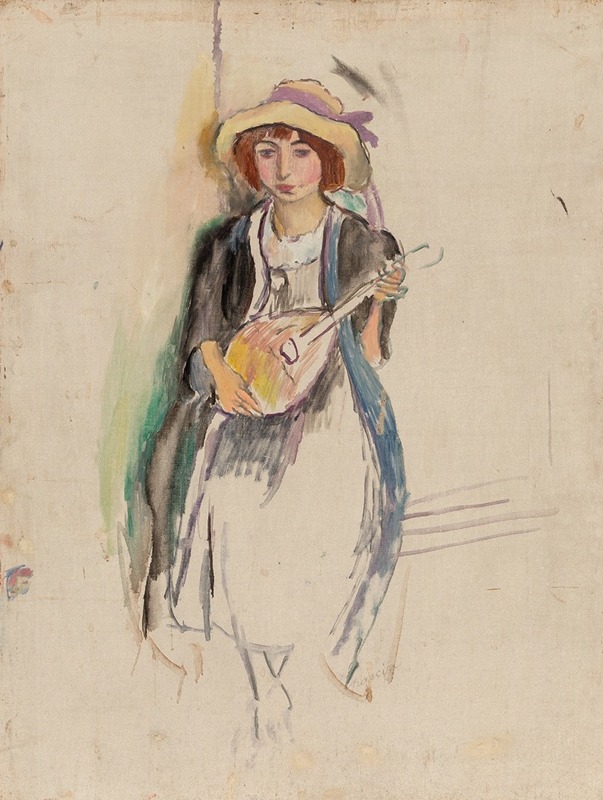
Fille à la mandoline
Jules Pascin
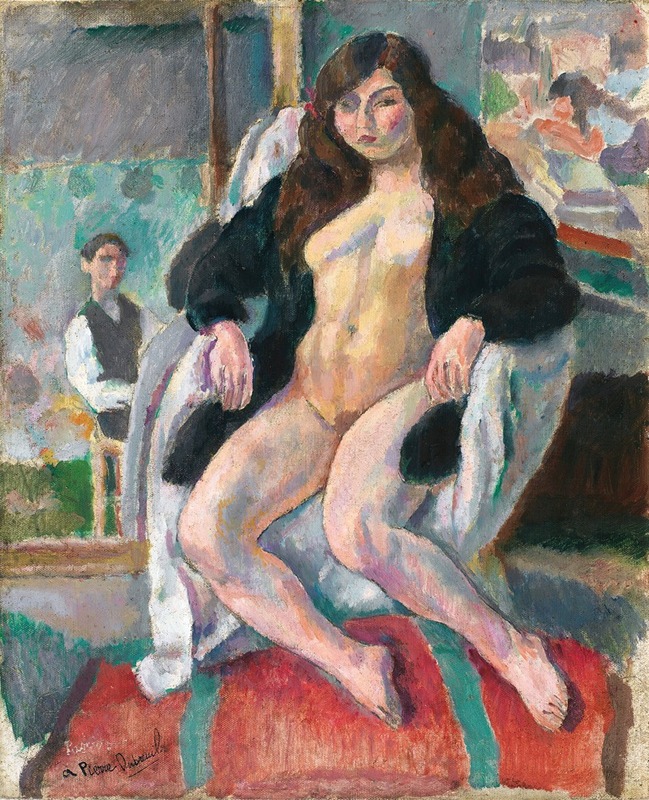
Le Peintre Et Son Modèle
Jules Pascin
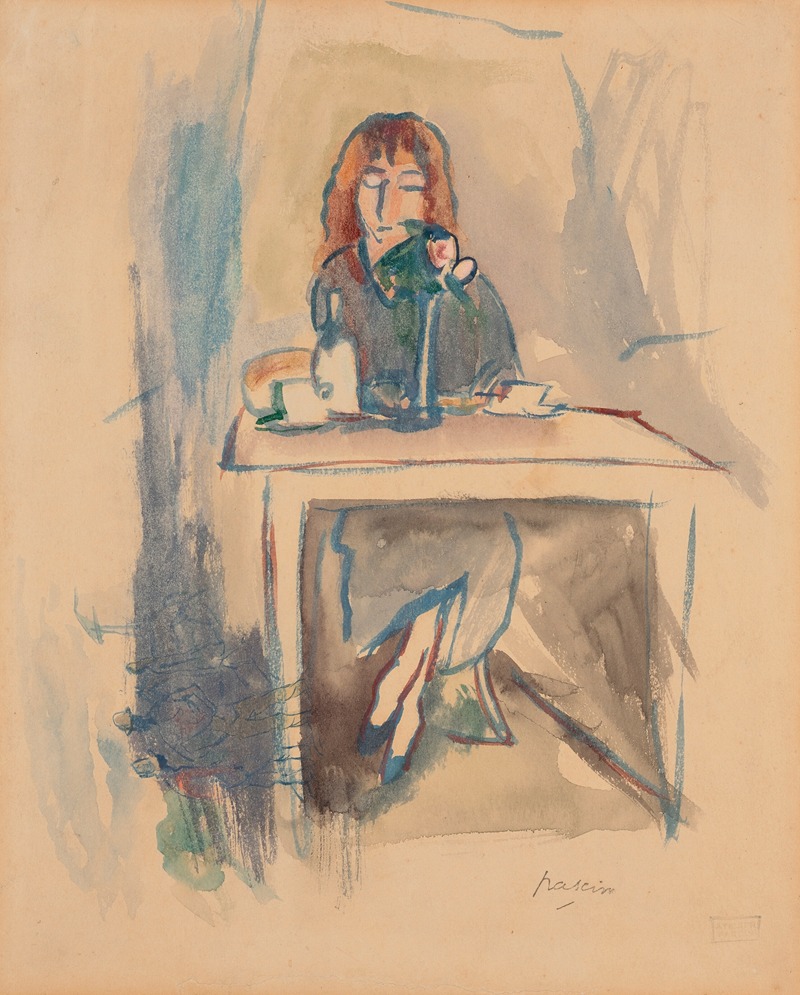
Hermine David à la robe bleue
Jules Pascin
Les Tunisiennes
Jules Pascin
Femmes au salon
Jules Pascin
Le Modèle à la chemise rose
Jules Pascin
La Petite Actrice
Jules Pascin
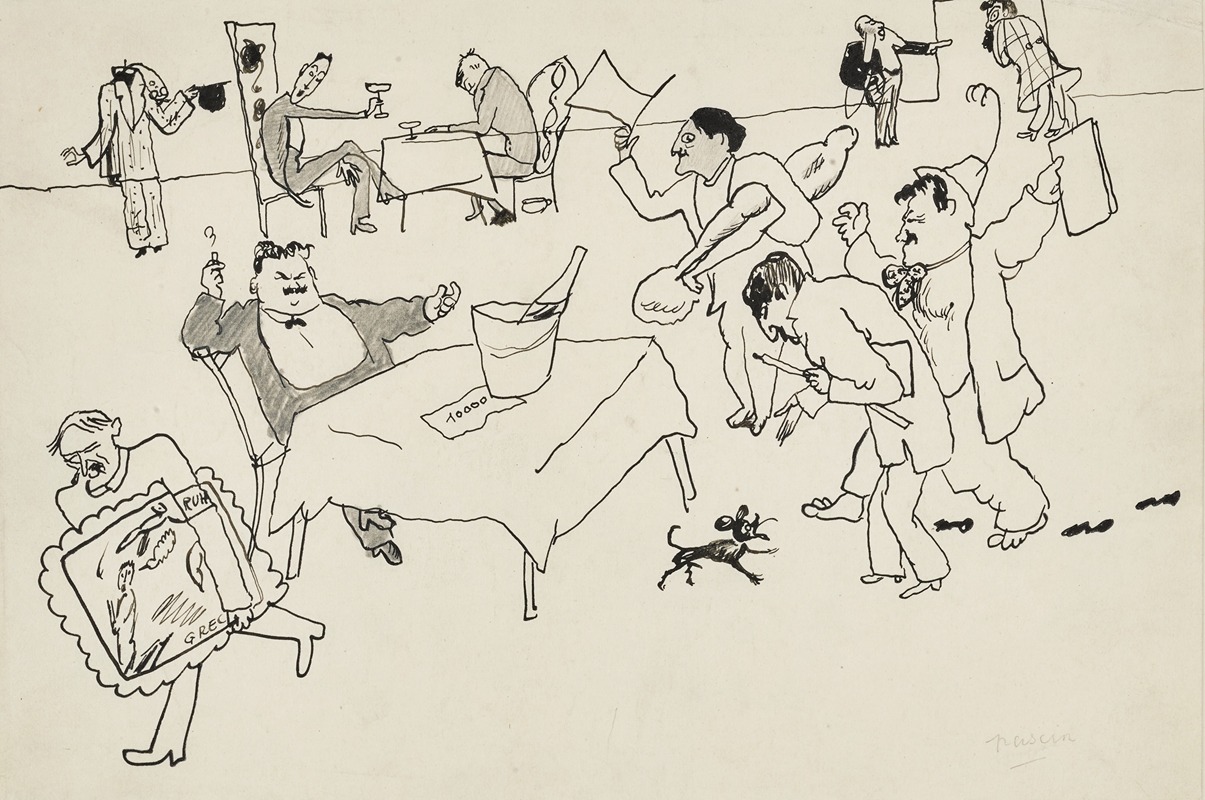
Les Voleurs d’art
Jules Pascin
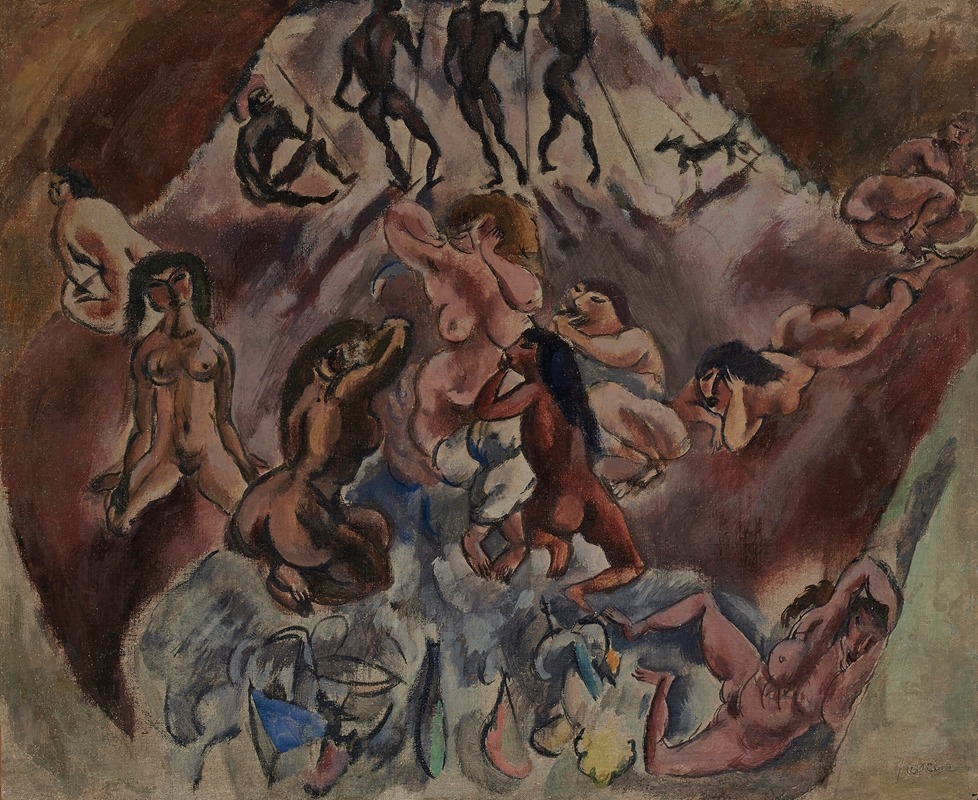
Réunion infernale
Jules Pascin
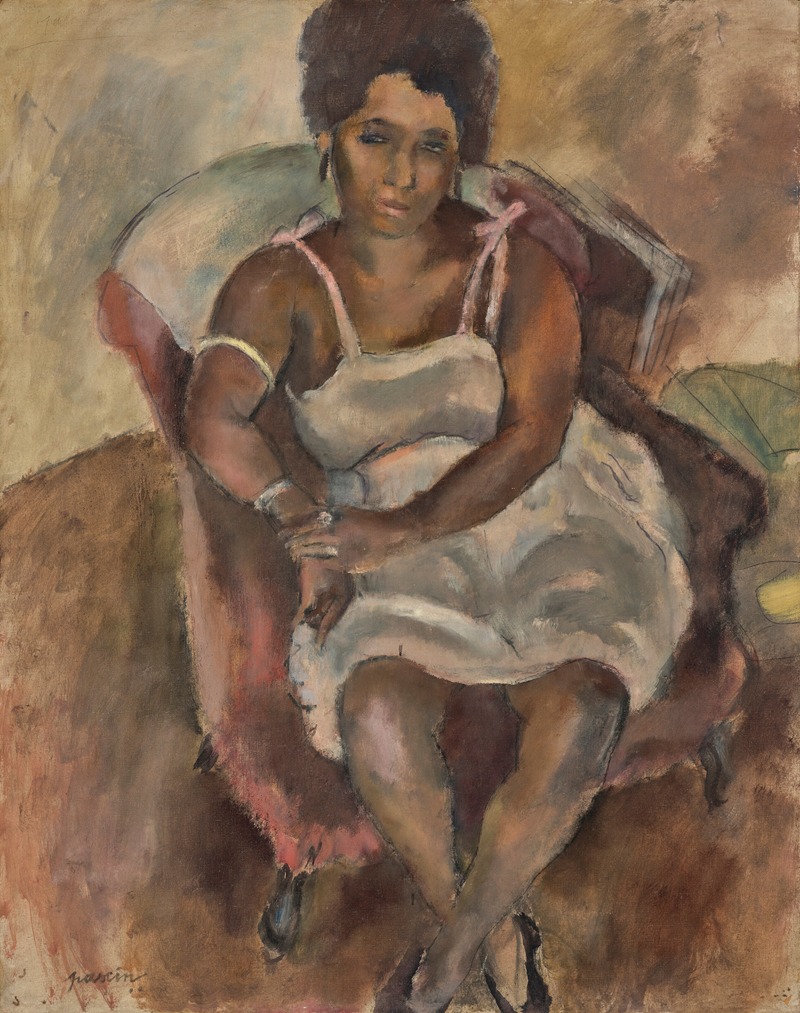
Julie, la Martiniquaise
Jules Pascin