
Limekiln at Coalbrookdale — History & Facts
Where does light end, and longing begin? In the interplay of shadow and illumination, one can perceive the delicate boundaries of existence where desire and reality collide. Look to the foreground, where the imposing limekiln commands attention, its stark form juxtaposed against the gentle undulations of the landscape. The warm embrace of sunlight cascades over the kiln's rugged surface, while wisps of smoke entwine with the cool blues and greys of the horizon. This masterful use of light not only highlights the kiln's raw, industrial strength but also imbues the scene with a sense of transient beauty, inviting the viewer to reflect on the ephemeral nature of both labor and landscape. Yet, beyond the striking visuals lies a deeper tension.
The distant figures, dwarfed by the kiln’s enormity, hint at the conflict between man and nature. They work tirelessly, seemingly engaged in a struggle against the vastness around them, while the subtle gradations of color evoke an aching solitude. This duality invites contemplation on the void that exists between human aspiration and the indifference of the natural world.
The scene speaks to the desire for connection amidst the stark realities of industry and the fleeting moments that shape it. In 1797, while creating Limekiln at Coalbrookdale, Turner was deeply influenced by the burgeoning Industrial Revolution, witnessing the transformation of landscapes and livelihoods. Painted in England, the artwork reflects both his fascination with emerging technologies and his concern for the environmental impact of such change. This period marked a turning point in his career, as he began to explore the emotive power of light and color, laying the groundwork for his later masterpieces.
More Artworks by Joseph Mallord William Turner
Browse all →
Dort or Dordrecht- The Dort Packet-Boat from Rotterdam Becalmed
Joseph Mallord William Turner
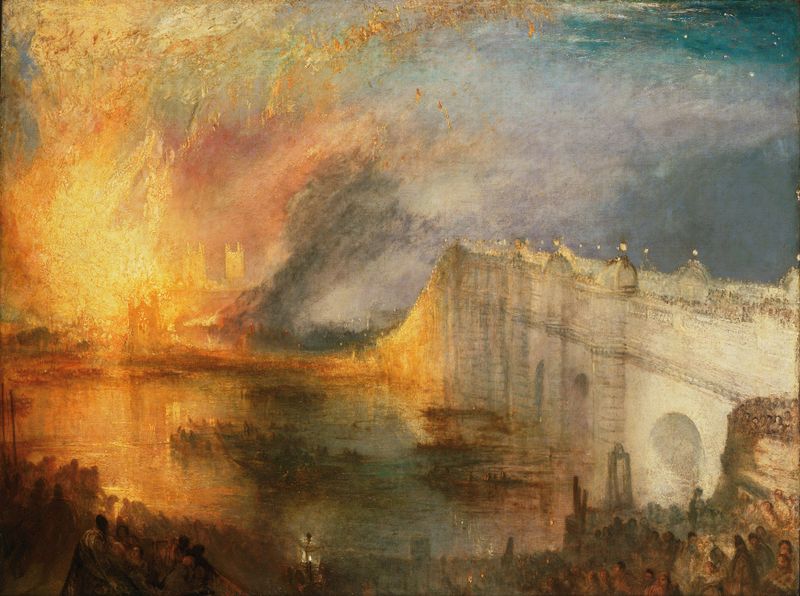
The Burning of the Houses of Lords and Commons, October 16, 1834
Joseph Mallord William Turner
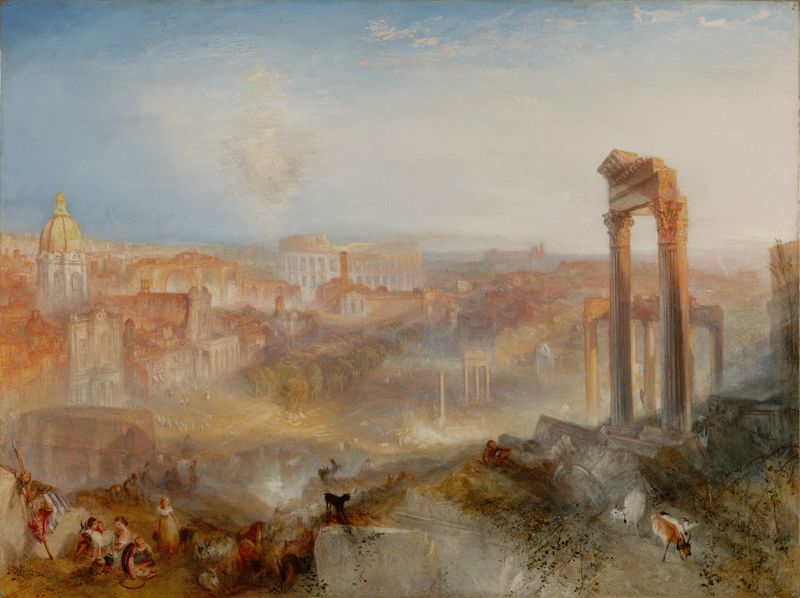
Modern Rome – Campo Vaccino
Joseph Mallord William Turner
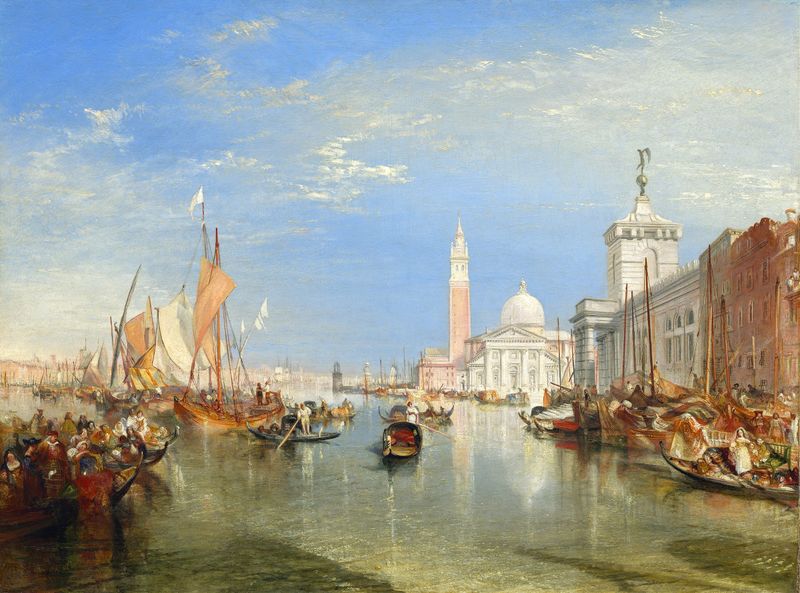
Venice – The Dogana and San Giorgio Maggiore
Joseph Mallord William Turner

The Burning of the Houses of Lords and Commons, 16 October 1834
Joseph Mallord William Turner
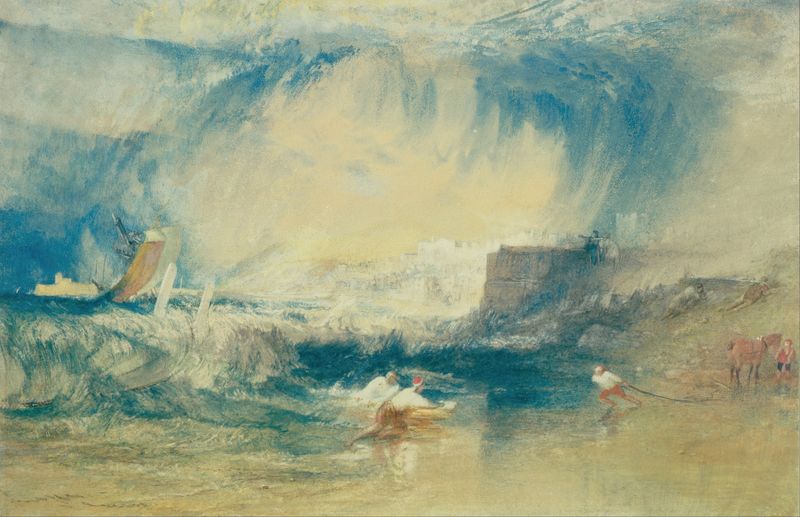
Lyme Regis, Dorsetshire, England
Joseph Mallord William Turner
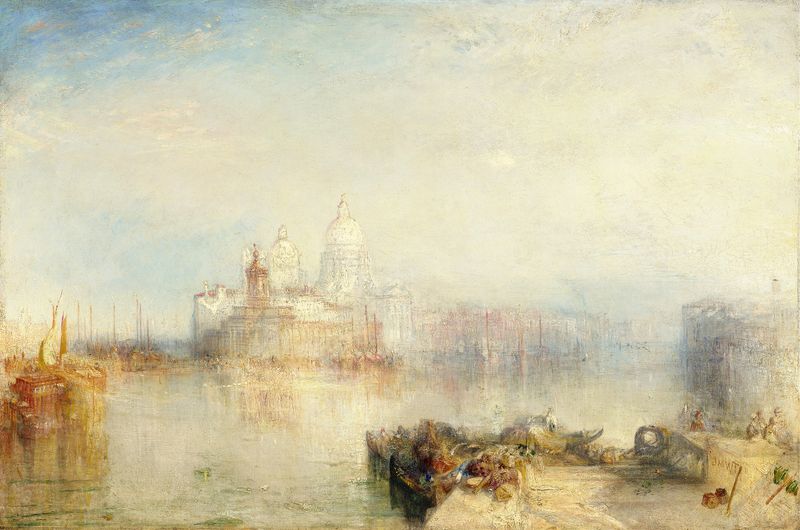
The Dogana and Santa Maria della Salute, Venice
Joseph Mallord William Turner
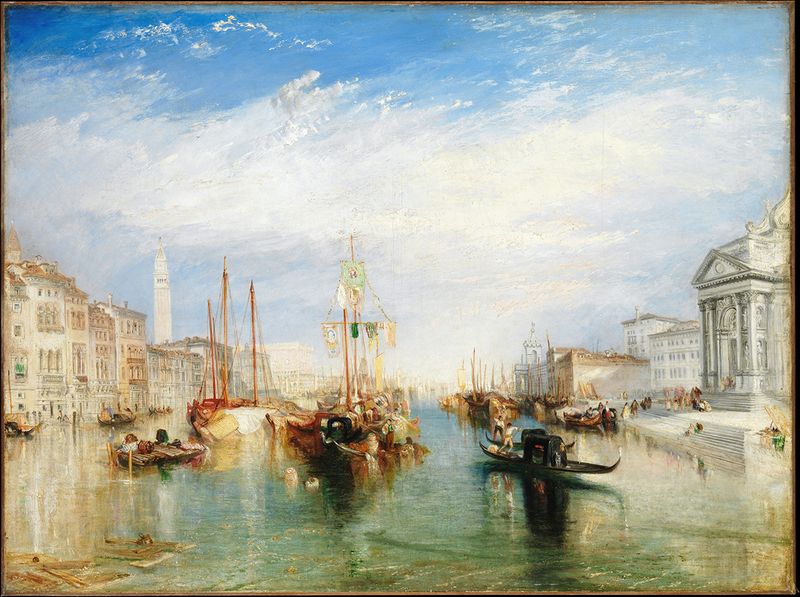
Venice, from the Porch of Madonna della Salute
Joseph Mallord William Turner
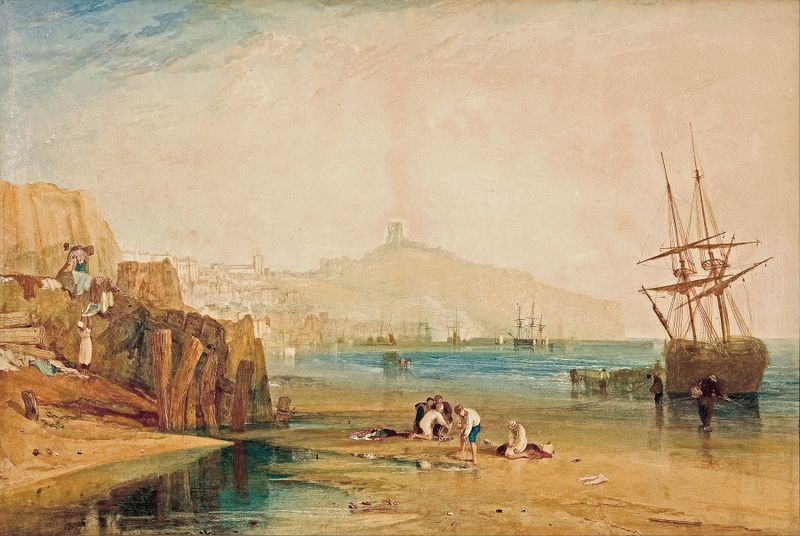
Scarborough town and castle; morning; boys catching crabs
Joseph Mallord William Turner
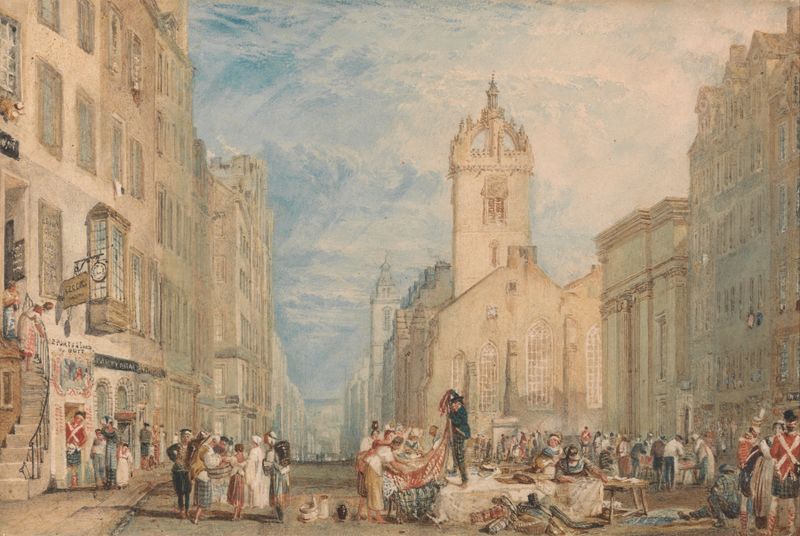
High Street, Edinburgh
Joseph Mallord William Turner





