
Linlithgow Palace — History & Facts
What secret hides in the quiet of the canvas? The stillness of Linlithgow Palace captures a moment where time seems suspended, inviting viewers to explore the depths of their own ecstasy in silence. Look to the right at the delicate outline of the palace, its silhouette soft against the ethereal wash of color that envelops it. The gentle brushstrokes blend shades of amber and cerulean, creating a dreamlike atmosphere that suggests a fleeting memory. The light, flickering through the clouds, dances on the water below, reflecting the beauty of the scene and drawing the eye toward the tranquil lake that cradles the structure. Beyond the surface beauty, the painting resonates with contrasts — the solid, enduring nature of the architecture juxtaposed with the ephemeral quality of the light.
The stillness of the palace stands in stark relief to the fluidity of the sky and water, embodying both permanence and transience. This duality evokes a feeling of longing, hinting at histories untold and emotions unexpressed beneath the calm façade of the landscape. At the time Linlithgow Palace was created, the artist was deeply engaged in exploring the relationship between nature and humanity. Working in the early 19th century, Turner was at the forefront of the Romantic movement, which sought to elevate emotion and imagination in art.
His focus on atmospheric effects and the sublime reflected a broader shift in the art world, as artists began to seek deeper connections to their subjects, embracing the ecstatic beauty of the world around them.
More Artworks by Joseph Mallord William Turner
Browse all →
Dort or Dordrecht- The Dort Packet-Boat from Rotterdam Becalmed
Joseph Mallord William Turner
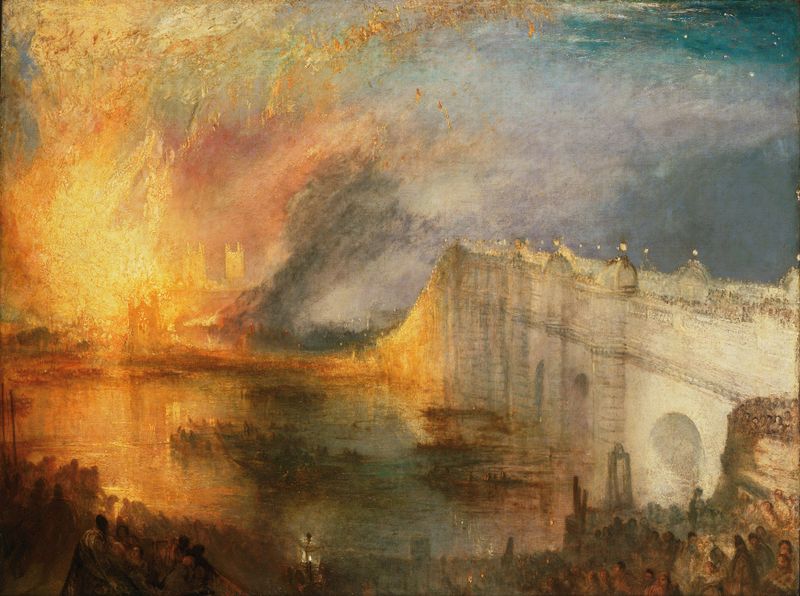
The Burning of the Houses of Lords and Commons, October 16, 1834
Joseph Mallord William Turner
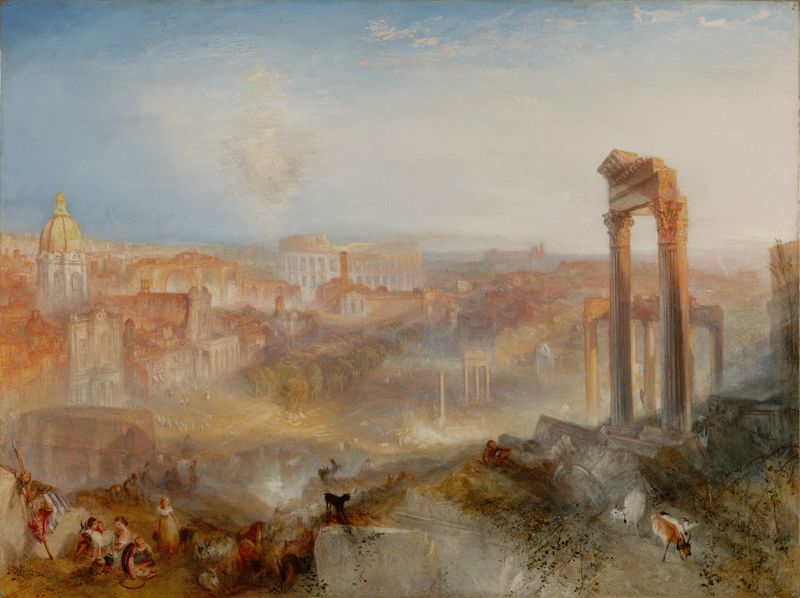
Modern Rome – Campo Vaccino
Joseph Mallord William Turner
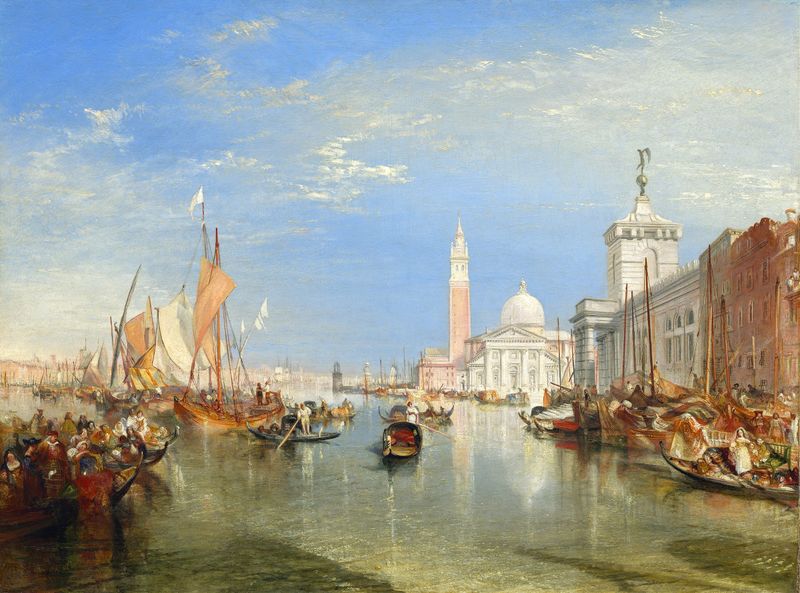
Venice – The Dogana and San Giorgio Maggiore
Joseph Mallord William Turner

The Burning of the Houses of Lords and Commons, 16 October 1834
Joseph Mallord William Turner
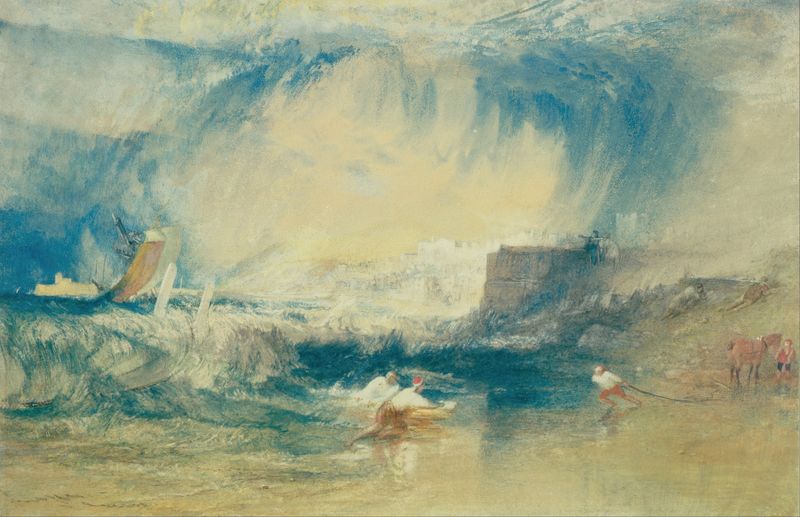
Lyme Regis, Dorsetshire, England
Joseph Mallord William Turner
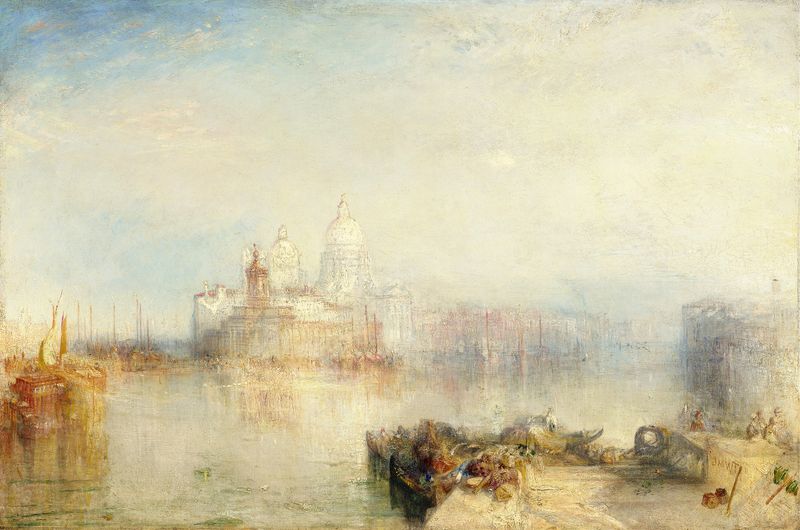
The Dogana and Santa Maria della Salute, Venice
Joseph Mallord William Turner
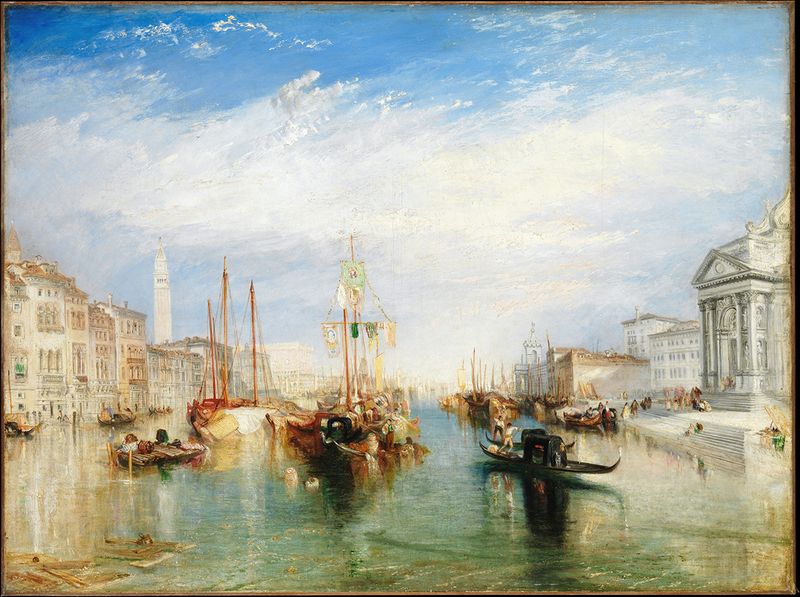
Venice, from the Porch of Madonna della Salute
Joseph Mallord William Turner
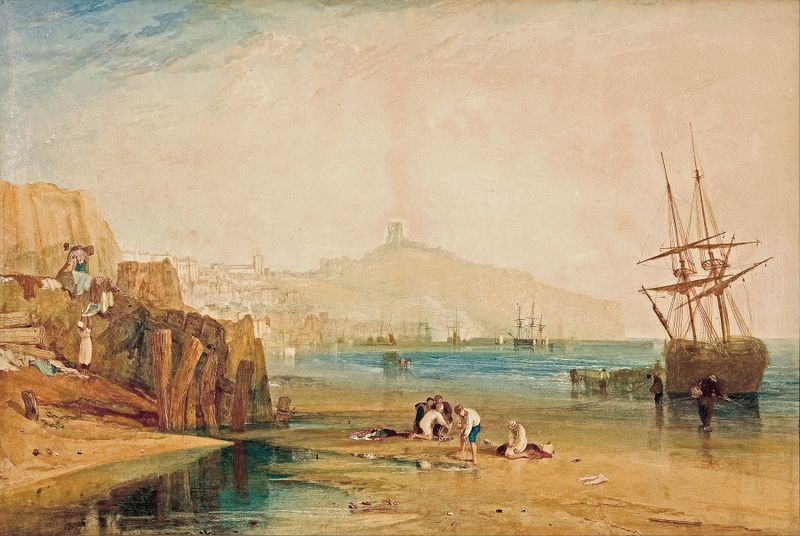
Scarborough town and castle; morning; boys catching crabs
Joseph Mallord William Turner
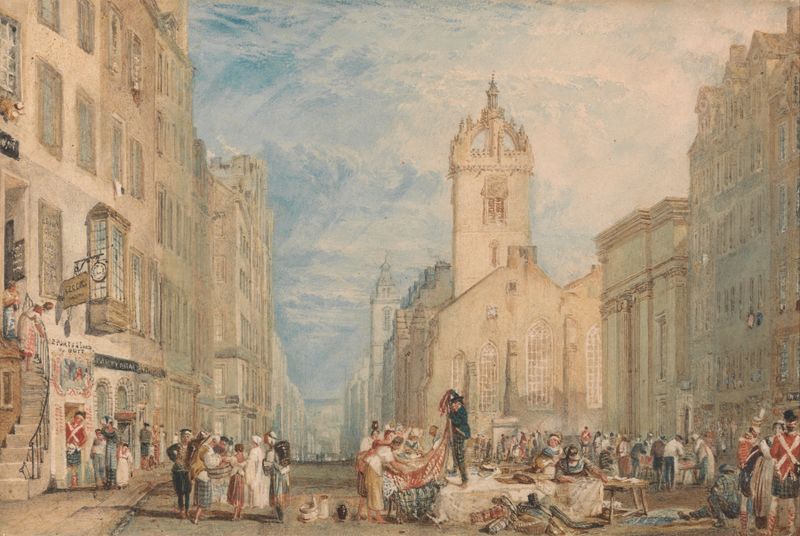
High Street, Edinburgh
Joseph Mallord William Turner





