
Little Devil’s Bridge — History & Facts
What if silence could speak through light? The haunting stillness of a forgotten moment resonates, evoking nostalgia that drapes itself over a quiet landscape. Look to the left at the delicately rendered arch of the bridge, its contours soft yet defined against the tender brushstrokes of the sky. Notice how the light plays across the water below, capturing the reflections that shimmer with an ethereal glow. The gentle hues of blue and gold breathe life into the scene, creating a tranquil balance that invites the viewer to linger and reflect. At first glance, the painting reveals a serene exterior, but delve deeper and you’ll uncover layers of emotional tension.
The bridge symbolizes transition, a passage through time, while the muted colors evoke a melancholic yearning for days gone by. The surrounding nature stands in quiet witness, its verdant foliage both protective and isolating, suggesting a moment suspended between memory and reality. In 1886, Sir Frank Short worked from the lush surroundings of England, amidst a broader art movement that sought to capture the essence of landscape in new ways. This period saw a deep engagement with natural light and atmosphere, and Short’s exploration of these elements in Little Devil’s Bridge reflects both personal introspection and the prevailing sentiment of a world in transformation.
More Artworks by Sir Frank Short
Browse all →
Morning Haze in Chichester Harbor
Sir Frank Short
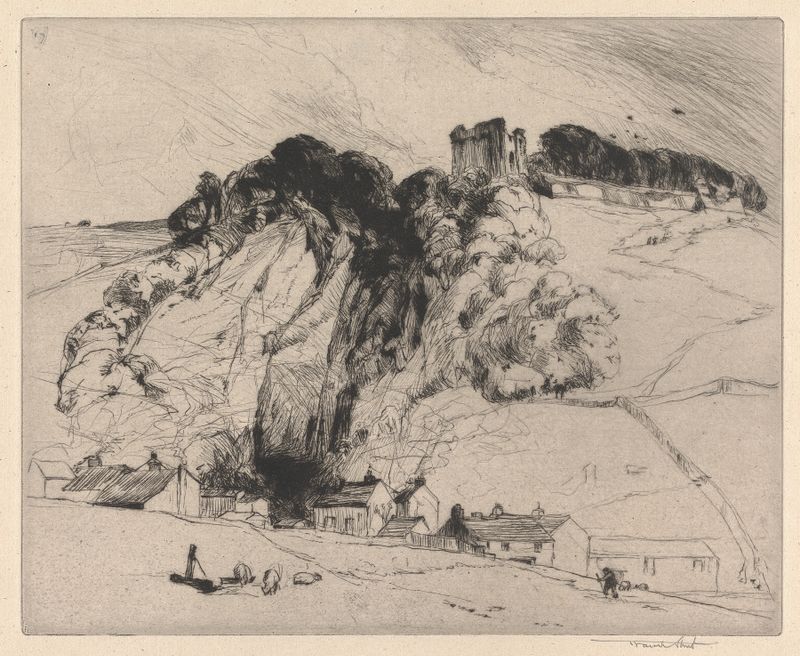
Peveril’s Castle, Derbyshire
Sir Frank Short
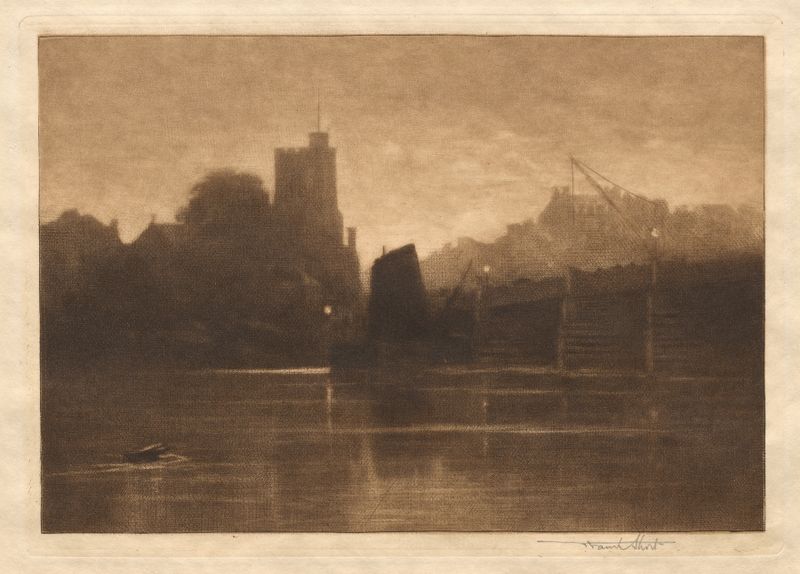
Ebb Tide, Putney Bridge
Sir Frank Short
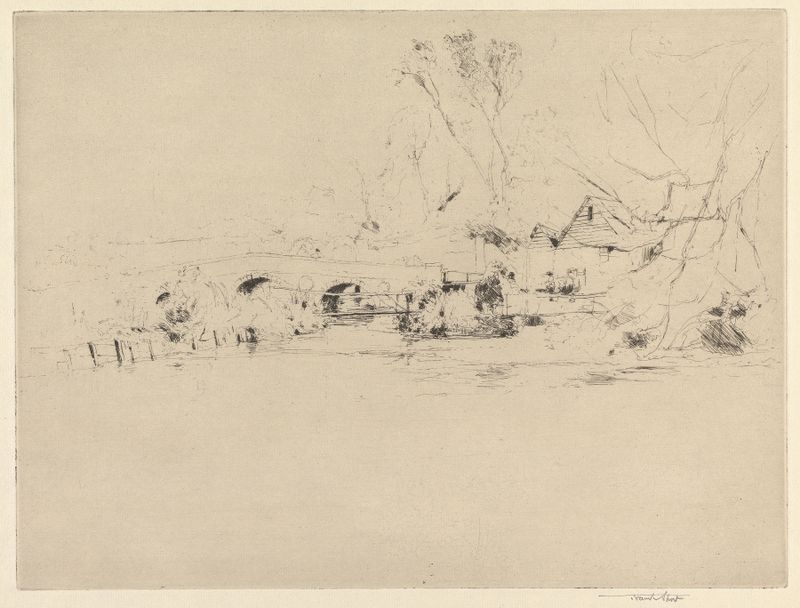
Old Mill on the Wandle, at Mitcham
Sir Frank Short

Moonlight on the Medway at Chatham
Sir Frank Short

Parkgate
Sir Frank Short
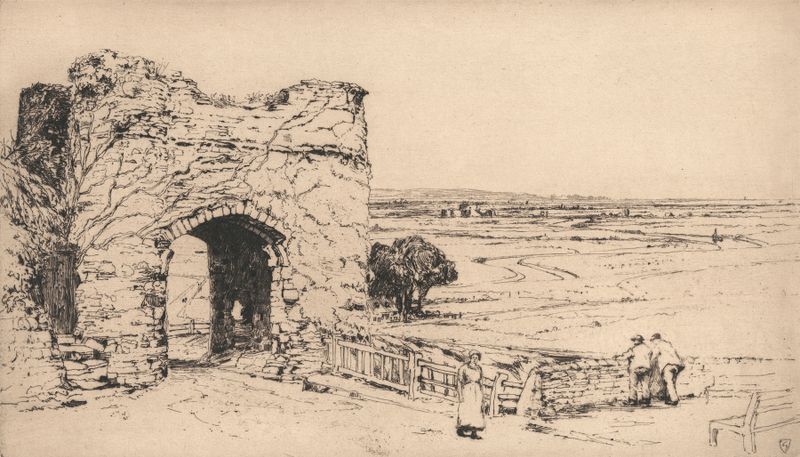
The Strand Gate, Winchelsea
Sir Frank Short

Bridgenorth
Sir Frank Short
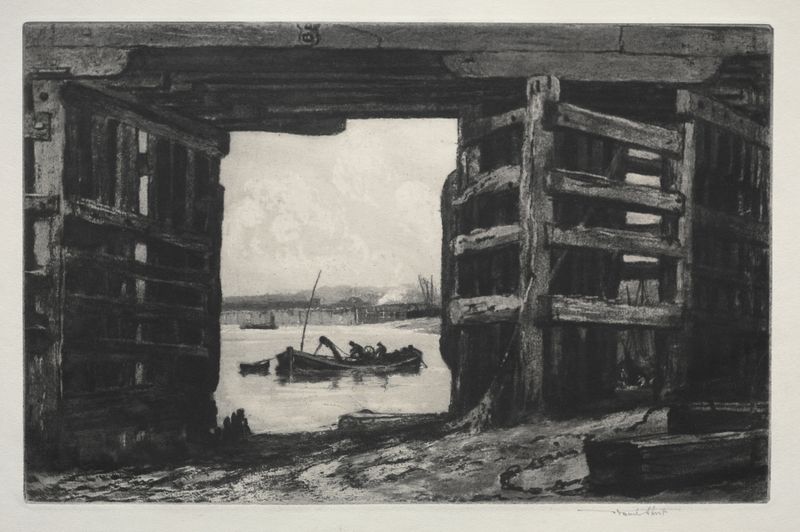
A Span of Old Battersea Bridge
Sir Frank Short

The Rope Walk, Spittal Bridge Whitby
Sir Frank Short





