
L’Îlot — History & Facts
Who listens when art speaks of silence? In L’Îlot, the quietude of an isolated landscape invites introspection, drawing viewers into a world where decay whispers tales of forgotten moments. Look to the bottom left where the muted earth tones blend seamlessly into the horizon, beckoning you toward the gentle curve of the shoreline. Notice how the subtle interplay of soft blues and gentle greens reflects the stillness of the water, embodying a serene yet melancholic atmosphere. The brushwork, a masterful dance of impressionistic strokes, guides the eye toward the solitary islet, creating a vivid contrast against the expansive sky above, which looms with a weighty silence. In this seemingly tranquil scene, the tension of decay is palpable.
The sparse vegetation suggests a struggle for life, while the fading hues evoke the passage of time, transforming beauty into a somber reminder of impermanence. The painting speaks to the fragility of nature and existence, as the islet stands alone—both resilient yet vulnerable, caught in a delicate balance between life and decay. Albert Marquet painted L’Îlot in 1922 during a period marked by personal exploration and a shift toward color and light in his work. Living in France during the post-World War I era, he sought to capture the essence of landscapes that resonated with his emotions and experiences.
This piece reflects both his deep connection to the seascape and the broader transitions in art, as the Impressionist movement began to evolve, allowing for a new focus on the simple yet profound beauty of the world around him.
More Artworks by Albert Marquet
Browse all →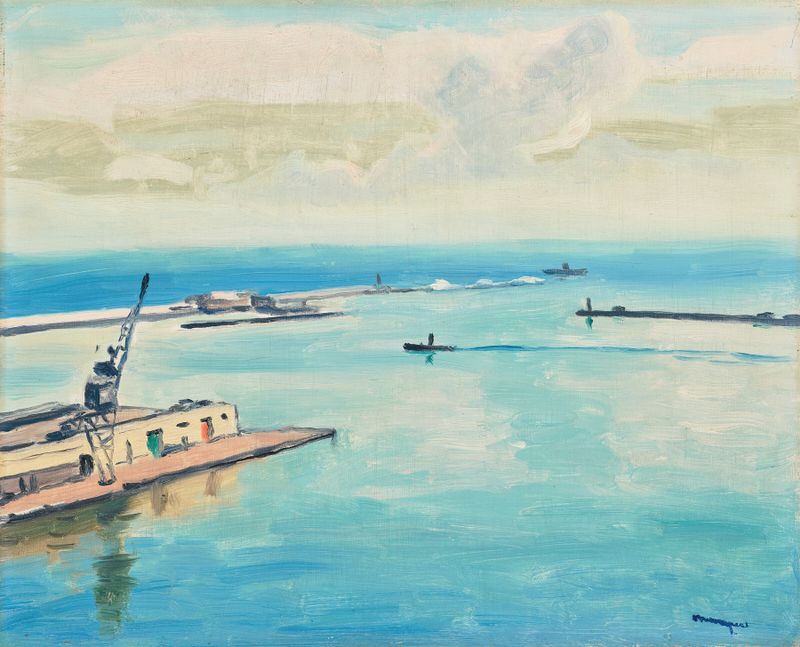
Le Port d’Alger
Albert Marquet
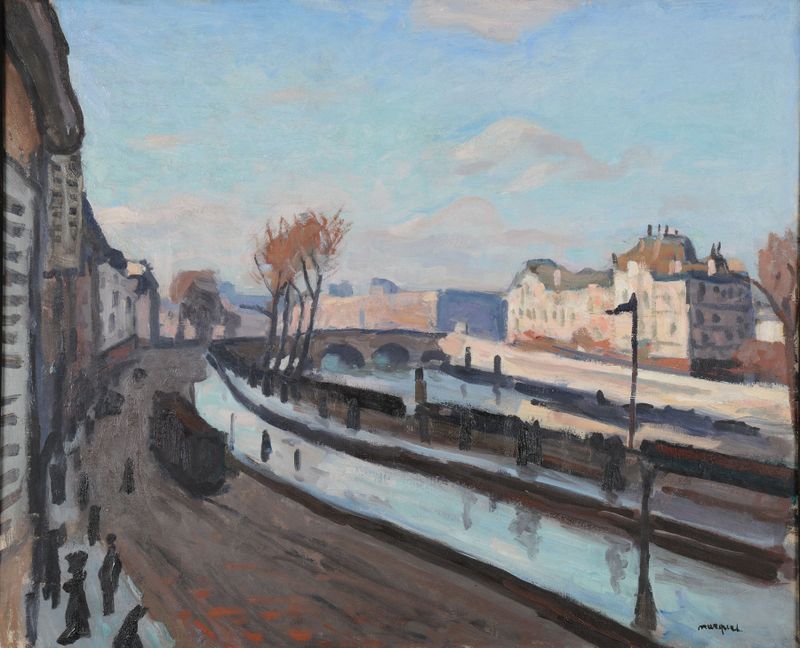
Le quai des Grands Augustins
Albert Marquet
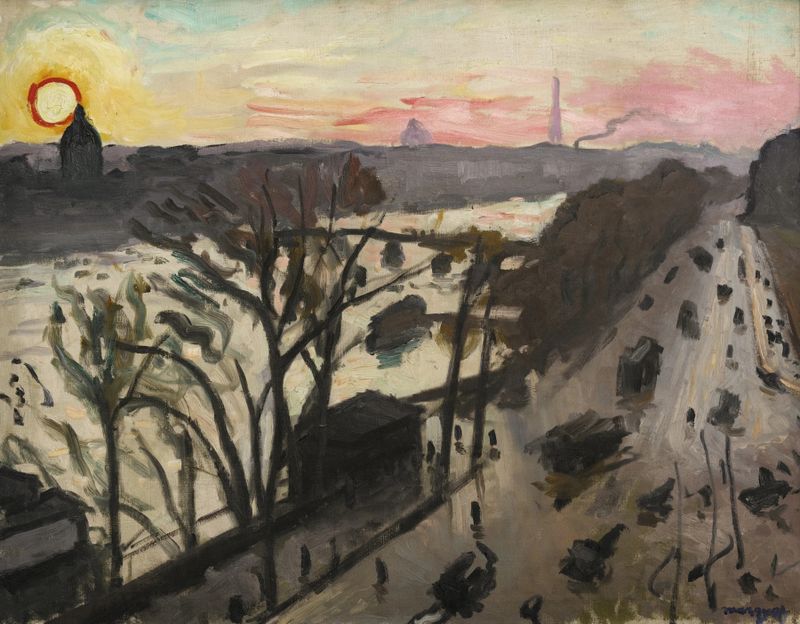
Paris, quai du Louvre, soleil d’hiver
Albert Marquet
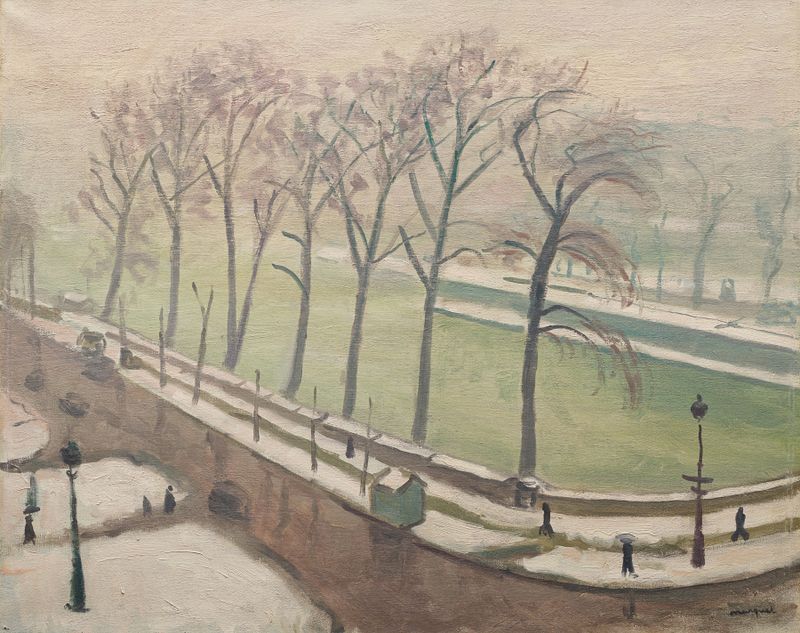
Pont-Neuf sous la neige
Albert Marquet
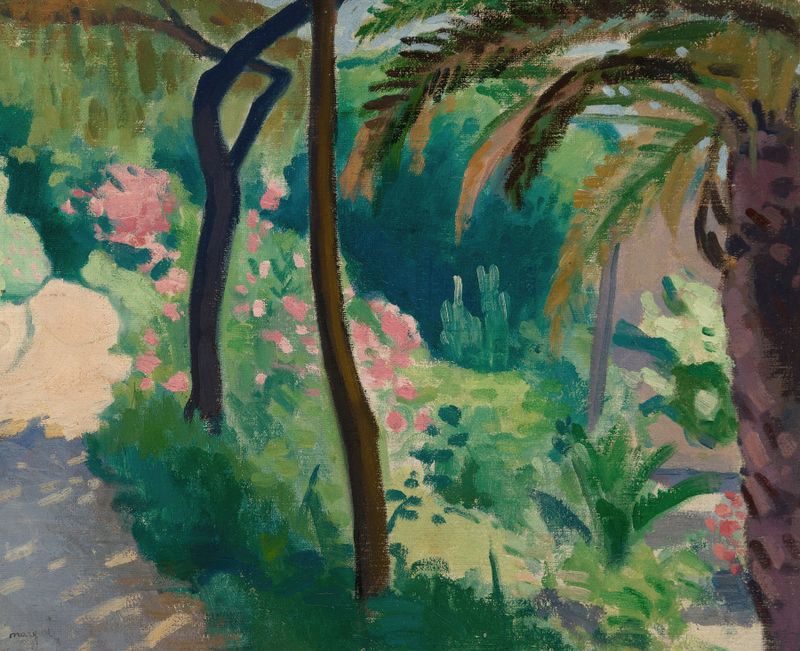
Le jardin à l’Estaque
Albert Marquet
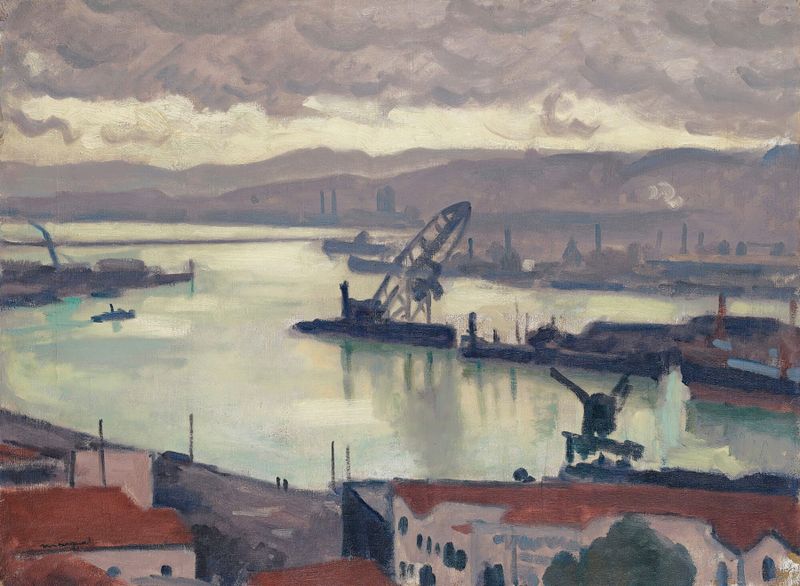
Alger, Temps Gris
Albert Marquet
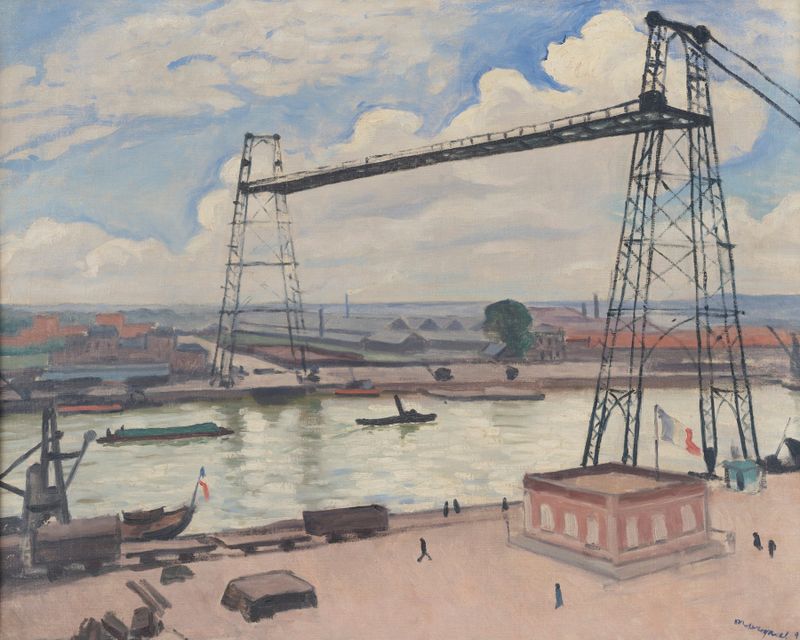
Rouen, le pont transbordeur
Albert Marquet
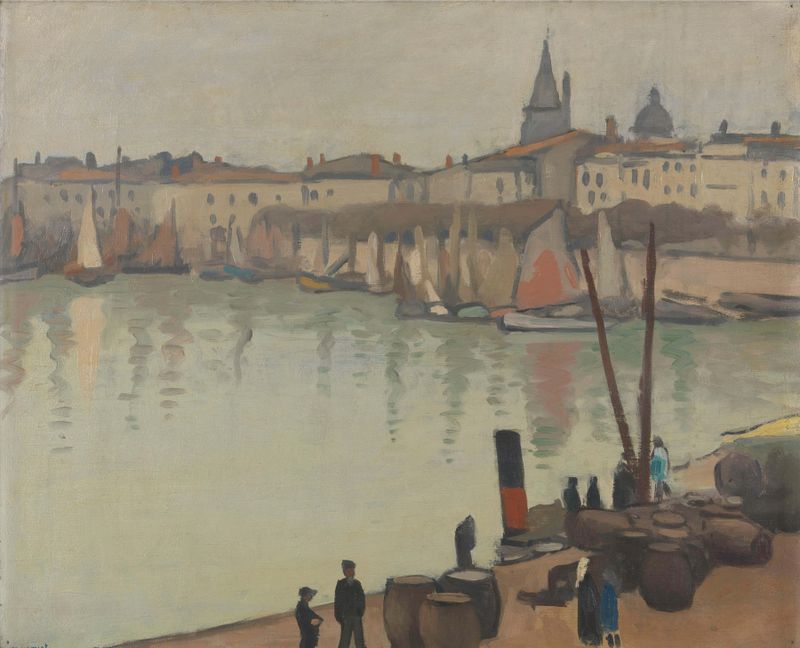
Port of La Rochelle
Albert Marquet

Berge de la Seine à Méricourt
Albert Marquet
View of the Pont Saint-Michel in Paris
Albert Marquet





